In an era defined by relentless stimulation, compressed attention spans, and escalating daily pressures, many Australians are actively searching for accessible, evidence-informed tools to anchor themselves in the present moment. Gratitude stones – small, smooth, portable objects used as deliberate tactile prompts – have emerged as one of the most understated yet scientifically supported instruments within contemporary wellness practice. They require no screen, no subscription, and no expertise. What they do require is intention, consistency, and an understanding of why they work. This guide examines the gratitude stone tactile reminder practice through a rigorous, evidence-based lens, drawing on peer-reviewed research to provide Australians with a trustworthy framework for integrating this practice meaningfully into everyday life.
What Are Gratitude Stones and How Does a Tactile Reminder Practice Work?
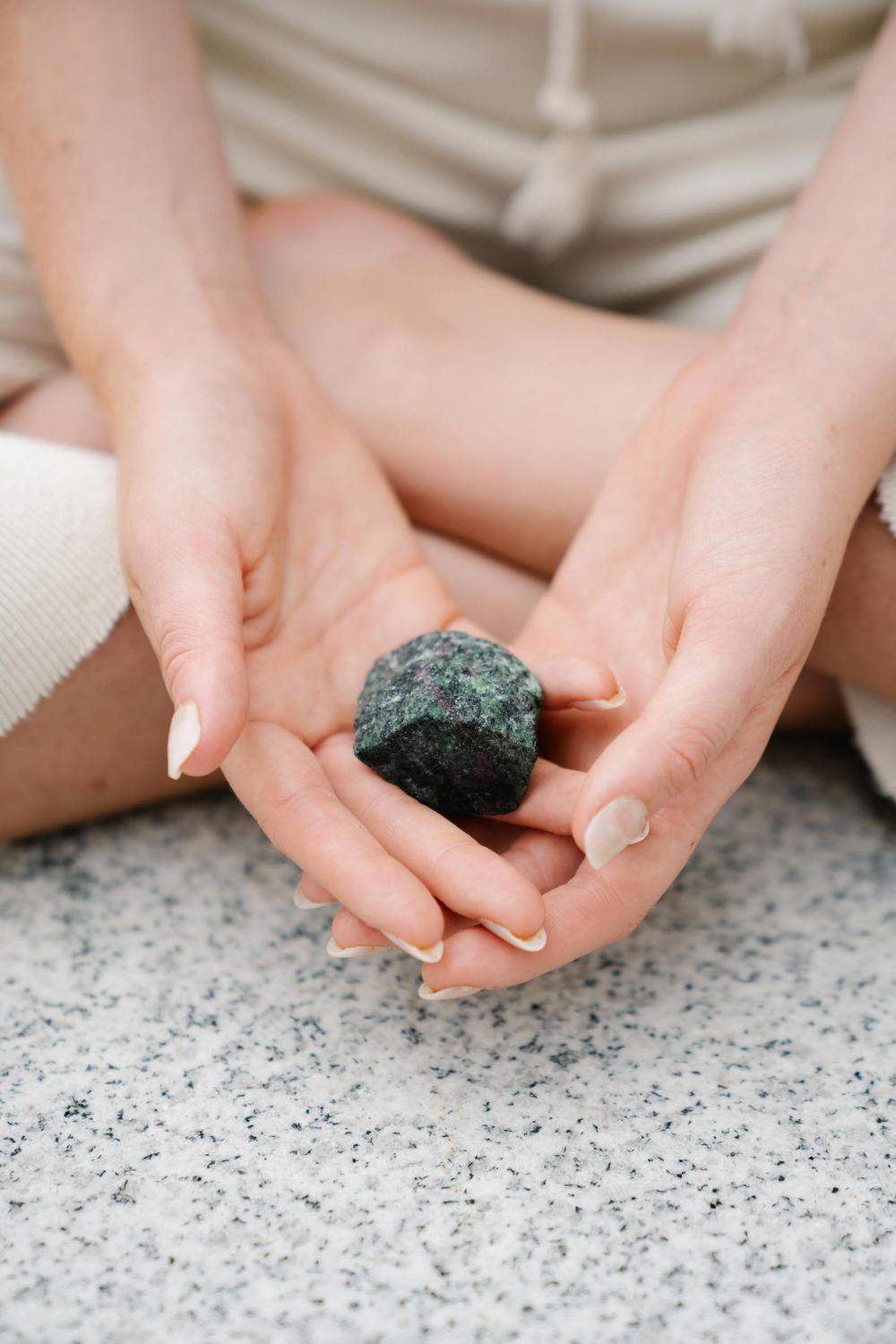
Gratitude stones are tangible physical objects – typically smooth rocks, river stones, or crystals – that serve as deliberate sensory cues for practising gratitude. The foundational principle is elegantly straightforward: each time an individual touches, holds, or encounters their stone throughout the day, it functions as a cue to pause momentarily and consciously acknowledge something they appreciate.
The tactile reminder practice is grounded in the psychology of habit formation and sensory grounding. Repeated engagement with the same object in consistent contexts eventually creates an automatic association between the physical stimulus (touching the stone) and the cognitive-emotional response (reflective gratitude). According to habit formation research by Gardner, Lally, and colleagues, repeating a behaviour within a stable context reduces the cognitive effort required until the behaviour becomes automatic – precisely the mechanism that makes gratitude stones so effective over time.
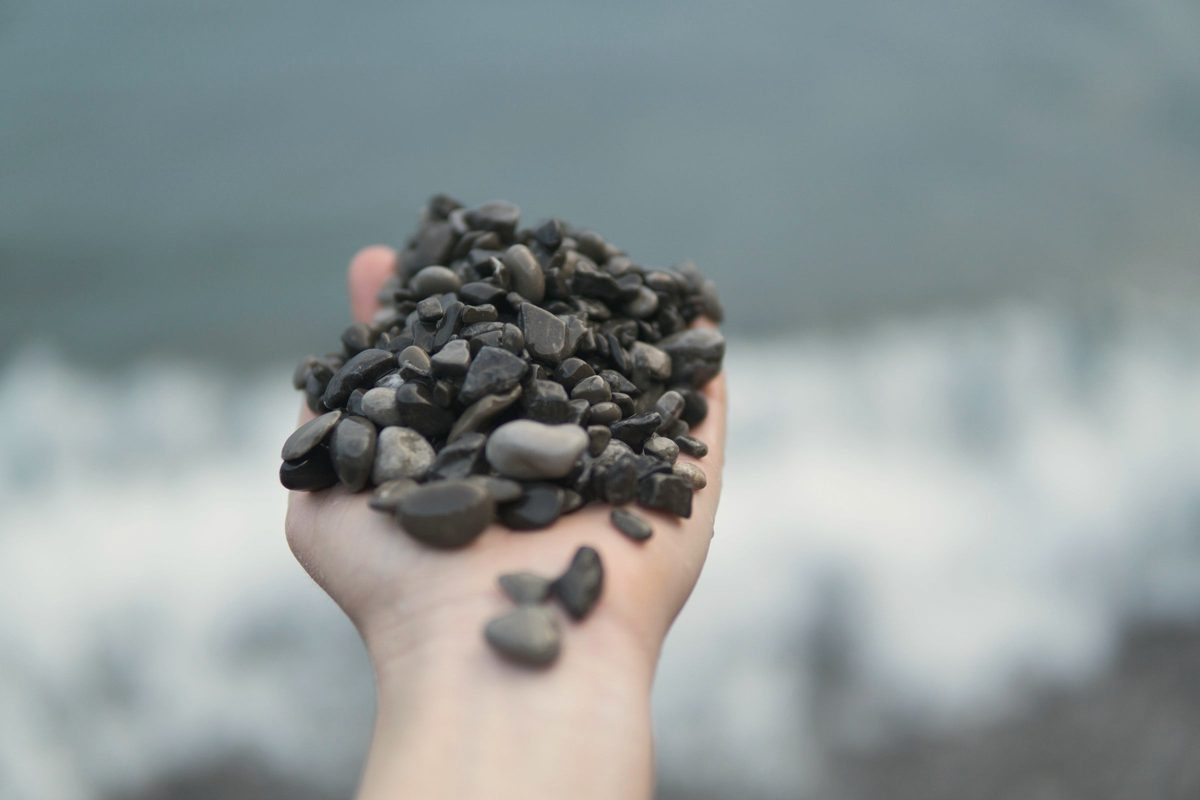
Gratitude stones can be carried in a pocket, placed on a work desk, positioned on a bedside table, or tucked into a wallet. Their portability ensures that the tactile reminder practice is not confined to a designated meditation space but woven organically into the rhythms of daily life. For Australians, this is particularly practical given the abundance of naturally smooth stones available in local environments – from Perth’s waterways to coastal beachfronts – making the practice both accessible and personally meaningful.
What Does the Neuroscience Behind Gratitude Stone Practices Reveal?
Understanding why a gratitude stone tactile reminder practice is effective requires examining what gratitude itself does to the brain. The neuroscientific evidence is compelling.
Research by Zahn and colleagues (2014) demonstrated that individuals who experience higher levels of gratitude show increased grey matter volume in the brain – the neural tissue responsible for processing sensation, voluntary movement, perception, and cognitive function. Gratitude also activates several key brain regions, including the medial prefrontal cortex, the nucleus accumbens, and the amygdala, where regular gratitude practice reduces threat-response activity, thereby attenuating stress and anxiety reactions.
At a neurochemical level, gratitude practice triggers the release of serotonin, dopamine, and oxytocin whilst simultaneously reducing cortisol – the body’s primary stress hormone – by up to 23%, according to UC Davis Health research. Holding a smooth stone activates proprioceptors and mechanoreceptors, which shift neural activity from the amygdala toward the prefrontal cortex. This sensory input, in line with polyvagal theory, helps promote the parasympathetic “rest and digest” response with lowered heart rate and improved mental clarity.
What Does the Research Evidence Say About the Effectiveness of Gratitude Practices?
Scientific literature on gratitude interventions is robust. A comprehensive meta-analysis examining 64 randomised clinical trials found measurable, statistically significant benefits across multiple psychological domains, including improvements in positive affect, reduced anxiety and depressive symptoms, enhanced life satisfaction, and better sleep quality. Further analyses have confirmed that gratitude interventions yield small but consistent improvements in overall well-being, especially when integrated with other reflective practices.
These findings underscore an essential recommendation: gratitude stones are most effective when practised as part of a broader wellness toolkit that may include journaling, mindful reflection, or professional guidance.
How Long Does a Gratitude Stone Tactile Reminder Practice Need to Be to Show Results?
One of the most practical questions surrounding the gratitude stone practice concerns duration and dosage. According to UCLA Health, engaging in the practice for at least 15 minutes a day, five days per week, over a period of six weeks is associated with sustained improvements in mental wellness. Research by Jackowska and colleagues (2016) even found that shorter two-week programmes produced measurable improvements in well-being.
Notably, evidence suggests that significant changes in gratitude typically become apparent around week four of consistent practice. A phased implementation is recommended:
- Phase 1 – Selection and Preparation (Week 1): Choose a stone with personal resonance and identify primary placement locations.
- Phase 2 – Habit Building (Weeks 2 to 4): Engage with the stone daily, reflecting on specific aspects of gratitude to build a habit loop.
- Phase 3 – Deepening the Practice (Weeks 4 to 6): Transition from surface-level reflections to deeper gratitude, potentially combining the practice with journaling.
- Phase 4 – Integration and Maintenance (Week 6 Onwards): Allow the practice to become an integrated, automatic part of your daily routine.
How Can Australians Select and Use Gratitude Stones Effectively?
Selecting the right stone is a personal process. Important sensory factors include:
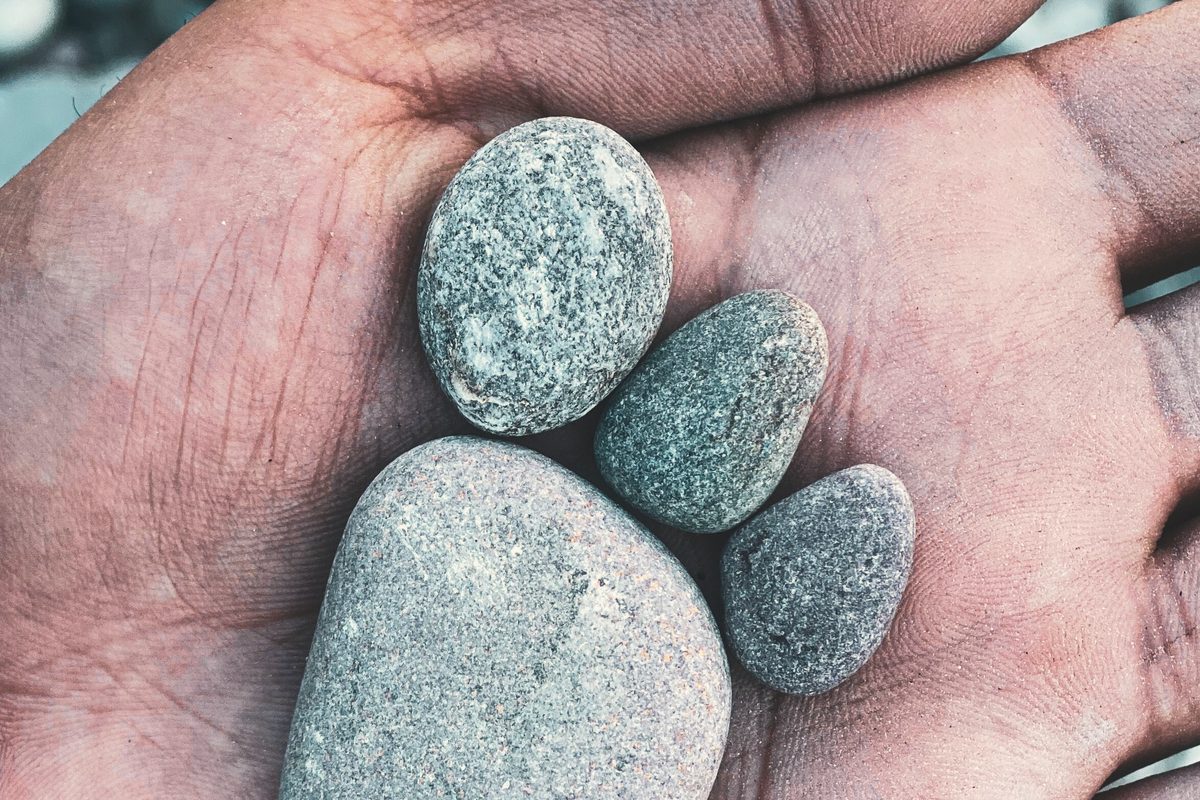
- Texture: A smooth surface is ideal for repeated tactile engagement without distraction.
- Weight: The stone should be light enough for portability yet substantial enough to provide noticeable sensory feedback.
- Temperature: A stone that naturally adjusts to ambient temperature provides a neutral, non-distracting sensation.
For those interested in crystals, common choices include amethyst (associated with calm), rose quartz (linked to compassion), sunstone (evoking vitality), selenite (supporting mental clarity), rainbow fluorite, and moonstone (promoting emotional resilience).
What Are the Evidence-Based Limitations of the Gratitude Stone Practice?
While gratitude stones offer a practical tool for daily mindfulness and emotional regulation, it is important to note their limitations. Studies indicate that when used as a standalone treatment, gratitude interventions show limited effectiveness for clinically diagnosed anxiety and depressive disorders. Their strongest value lies in complementing professional psychological treatments such as cognitive behavioural therapy.
Additionally, cultural differences can influence the effectiveness of gratitude practices. Australians are encouraged to personalize the practice, bearing in mind individual and cultural predispositions towards gratitude.
The Enduring Value of a Simple Stone
The true appeal of the gratitude stone tactile reminder practice lies in its simplicity and accessibility. In a wellness landscape often dominated by complex and costly interventions, a smooth stone carried in a pocket represents a democratic tool for fostering presence, resilience, and appreciation.
Robust evidence indicates that consistent, deep gratitude practice can create lasting changes in brain structure, neurochemical balance, and overall psychological well-being. The stone is merely a facilitator – a gentle, tactile nudge to ensure that the practice occurs. For anyone seeking to embed a meaningful, evidence-based wellness practice into their everyday life, the gratitude stone provides a practical starting point.
CannElevate supports Australians in exploring holistic, evidence-informed approaches to wellness. For those looking to discuss their health options, professional guidance is available to help determine eligibility for tailored support.
What is a gratitude stone and how is it used in a tactile reminder practice?
A gratitude stone is a small, smooth physical object – often a rock or crystal – carried or placed in a visible location to serve as a sensory cue for practising gratitude. In a tactile reminder practice, each time you touch or see the stone, you pause to consciously acknowledge something you appreciate, building an automatic habit over time through sensory grounding and cognitive-emotional reinforcement.
How long does it take to see results from using gratitude stones?
Research indicates that changes in gratitude as a mood state begin to significantly influence well-being after approximately four weeks of consistent daily practice, with six-week programs showing even stronger overall benefits.
Can gratitude stone practices help with stress and anxiety in Australia?
Evidence shows that gratitude interventions can reduce anxiety scores and lower cortisol levels, with tactile grounding through holding a stone activating the parasympathetic nervous system to promote calm and mental clarity. However, they are best used as a complementary tool alongside professional support for clinical conditions.
Which type of stone is best for a gratitude stone practice?
There is no single ‘best’ stone; selection is personal. Effective stones typically have a smooth texture for comfortable engagement, a weight that offers noticeable tactile feedback without being cumbersome, and a size that fits easily in a pocket. Common choices include amethyst, rose quartz, sunstone, and selenite.
How does the gratitude stone tactile reminder practice differ from gratitude journaling?
Gratitude journaling involves written reflection on positive experiences, while the gratitude stone practice relies on immediate, sensory-based cues to trigger reflective gratitude throughout the day. Research indicates that combining both practices can yield stronger overall benefits than using either method in isolation.