In an era defined by relentless pace and mounting psychological burden, many Australians are searching for meaningful, accessible ways to reconnect with what sustains them. The gratitude collage—a structured art-making practice centred on the intentional expression of thankfulness through visual composition—offers precisely this: a tangible, evidence-informed bridge between inner experience and outer expression.
Unlike conventional journalling or mindfulness exercises, the gratitude collage does not require linguistic fluency, artistic talent, or clinical oversight to yield value. It asks only that the practitioner engage genuinely with what they appreciate, translating that recognition into a physical or digital artefact assembled from images, textures, words, and collected materials. The result is far more than a decorative object—it is a documented record of inner resources, constructed through a process that science increasingly validates.
What Is a Gratitude Collage, and Why Is It Gaining Recognition in Creative Wellness?
A gratitude collage is a therapeutic art-making activity that integrates two well-researched disciplines: gratitude practice and expressive arts therapy. It involves the deliberate assembly of diverse materials—magazine imagery, paper, fabric, natural elements, paint, text, and other tactile components—into a unified visual composition representing objects, relationships, experiences, or values for which one feels appreciative.
What distinguishes the gratitude collage from general artistic expression is intentionality. The creative process is deliberately oriented towards thankfulness, appreciation, and positive recognition, making it a dual-mechanism practice that simultaneously engages the brain’s reward circuitry and its capacity for reflective thought. The therapeutic value resides not in the aesthetic quality of the final product, but in the act of creation itself.
What Does the Evidence Say About Gratitude Practice and Creative Expression?
Numerous studies have demonstrated measurable outcomes for structured gratitude practices. For instance, meta-analyses reveal improvements in life satisfaction and mental health scores, with notable reductions in anxiety and depression symptoms among participants. These outcomes position gratitude not merely as a pleasant psychological disposition, but as a measurable contributor to wellbeing.
Research has also shown that engaging in two or more hours of recreational arts per week significantly improves mental wellbeing. The gratitude collage combines this creative engagement with the neurochemical benefits of gratitude, offering a compelling synergy for those seeking practical ways to boost psychological resilience.
How Does the Neuroscience of Gratitude Inform the Gratitude Collage Practice?
Gratitude activates key brain structures such as the nucleus accumbens and the medial prefrontal cortex. It stimulates the release of dopamine, serotonin, and oxytocin—neurotransmitters that promote pleasure and emotional balance—while reducing cortisol levels. This neurological cascade supports a state of calm and enhances emotional regulation. The gratitude collage harnesses these benefits, making the art-making process a deliberate engagement with neural reward pathways.
Why Is Collage Considered One of the Most Accessible Forms of Creative Expression for Wellness?
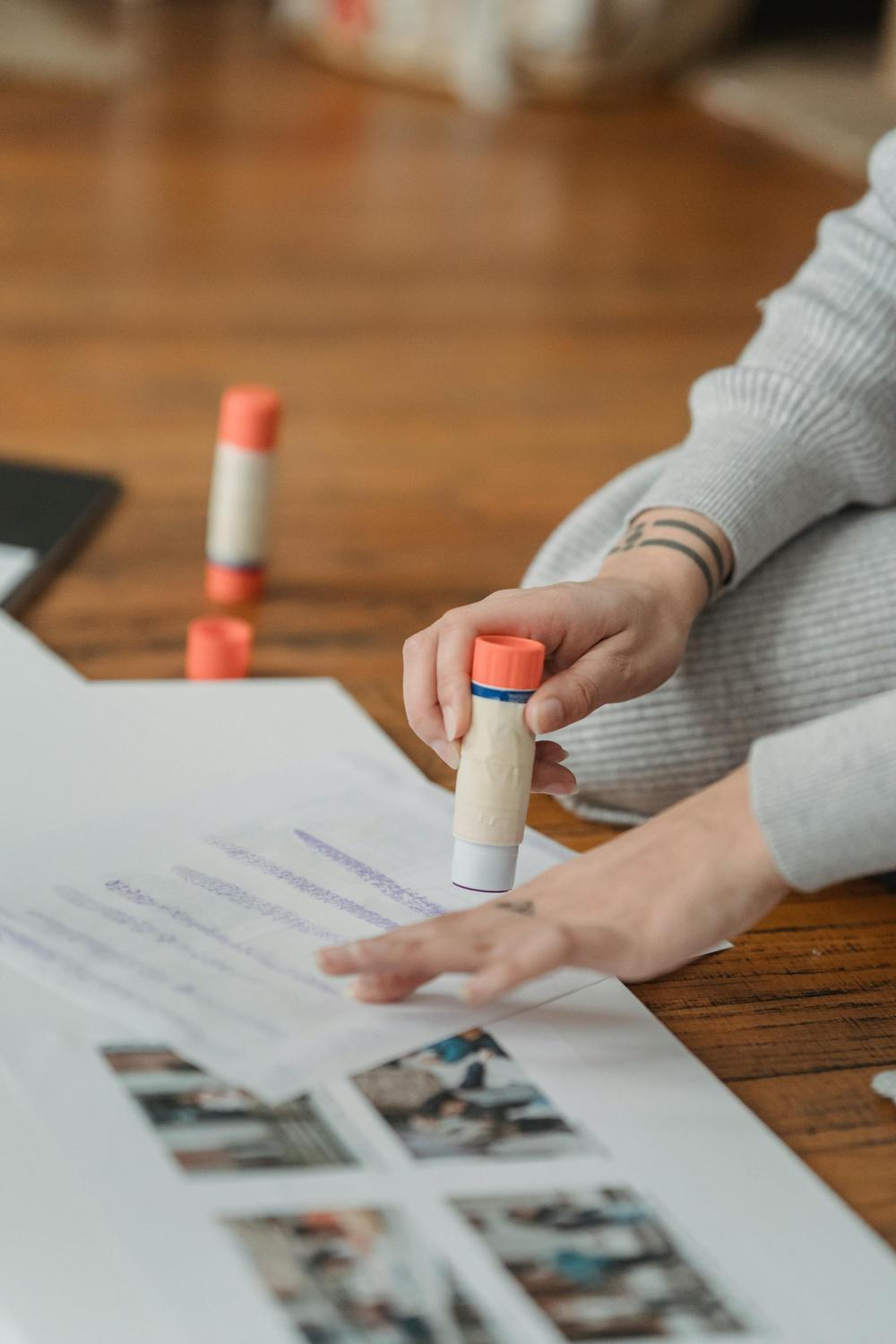
Collage is celebrated for its accessibility. It uses familiar, tactile materials like paper, scissors, and glue, thereby reducing the fear of artistic inadequacy. This makes it an ideal practice for those who might otherwise be intimidated by more fluid art forms. Moreover, collage serves as a non-verbal medium through which complex emotions can be expressed, often paving the way for verbal articulation of personal experiences.
How Is the Gratitude Collage Integrated into Australia’s Creative Wellness Landscape?
In Australia, a significant majority of the population engages with the arts, and many are open to the concept of arts on prescription. The gratitude collage is gaining traction as part of structured wellness programs, supported by research from initiatives like the University of Western Australia’s Good Arts, Good Mental Health project. Qualified arts therapists across various settings are increasingly incorporating collage techniques into their practice.
What Are the Practical Steps Involved in Creating a Gratitude Collage?
- Centring and Preparation: Begin with a series of deep breaths to align the mind and body.
- Setting a Gratitude Intention: Reflect on what brings joy and connection to form the conceptual foundation of the collage.
- Gathering Materials: Collect images, textures, and objects from magazines, newspapers, or digital platforms.
- Intuitive Selection: Choose materials that resonate on an emotional level, trusting your instinct.
- Composition and Assembly: Arrange and affix the selected elements on your chosen base, prioritizing the act of creation over aesthetic perfection.
- Reflection and Integration: Conclude with a period of quiet reflection, noting emotional responses and the overall impact of the exercise.
The gratitude collage is more than just an art form—it is a practical, evidence-informed tool designed to enhance wellbeing through the simultaneous engagement of creative, emotional, and neurological processes.
What is a gratitude collage and how does it differ from other art therapy practices?
A gratitude collage is a structured art-making practice focused specifically on the expression of thankfulness. It combines elements of gratitude practice with expressive arts therapy by using tactile materials to create a visual representation of what one appreciates. Unlike broader art therapy, the emphasis is on the process of creation rather than on the aesthetics of the final product.
Is the gratitude collage suitable for people without any artistic background?
Yes, absolutely. The gratitude collage is designed to be accessible to everyone regardless of artistic ability. The therapeutic benefits are derived from the process of selection, assembly, and reflection, rather than from any innate artistic talent.
How frequently should one engage in gratitude collage practice for observable benefits?
Research suggests that approximately 15 minutes of daily engagement, five days per week over a minimum of six weeks, can lead to meaningful improvements in wellbeing. Additionally, integrating at least two hours of recreational arts engagement per week can further enhance these benefits.
Can the gratitude collage be created digitally?
Yes. Digital platforms such as Canva and Procreate allow for the creation of gratitude collages. The core therapeutic process of selection, composition, and reflective integration remains effective whether the collage is digital or physical.
Where can Australians access professional creative arts therapy services?
Australians can seek out qualified arts therapists through organisations like the Australian, New Zealand and Asian Creative Arts Therapies Association (ANZACATA). These professionals work in various settings such as community health centres, private practices, and hospitals, ensuring a broad range of support depending on individual needs.