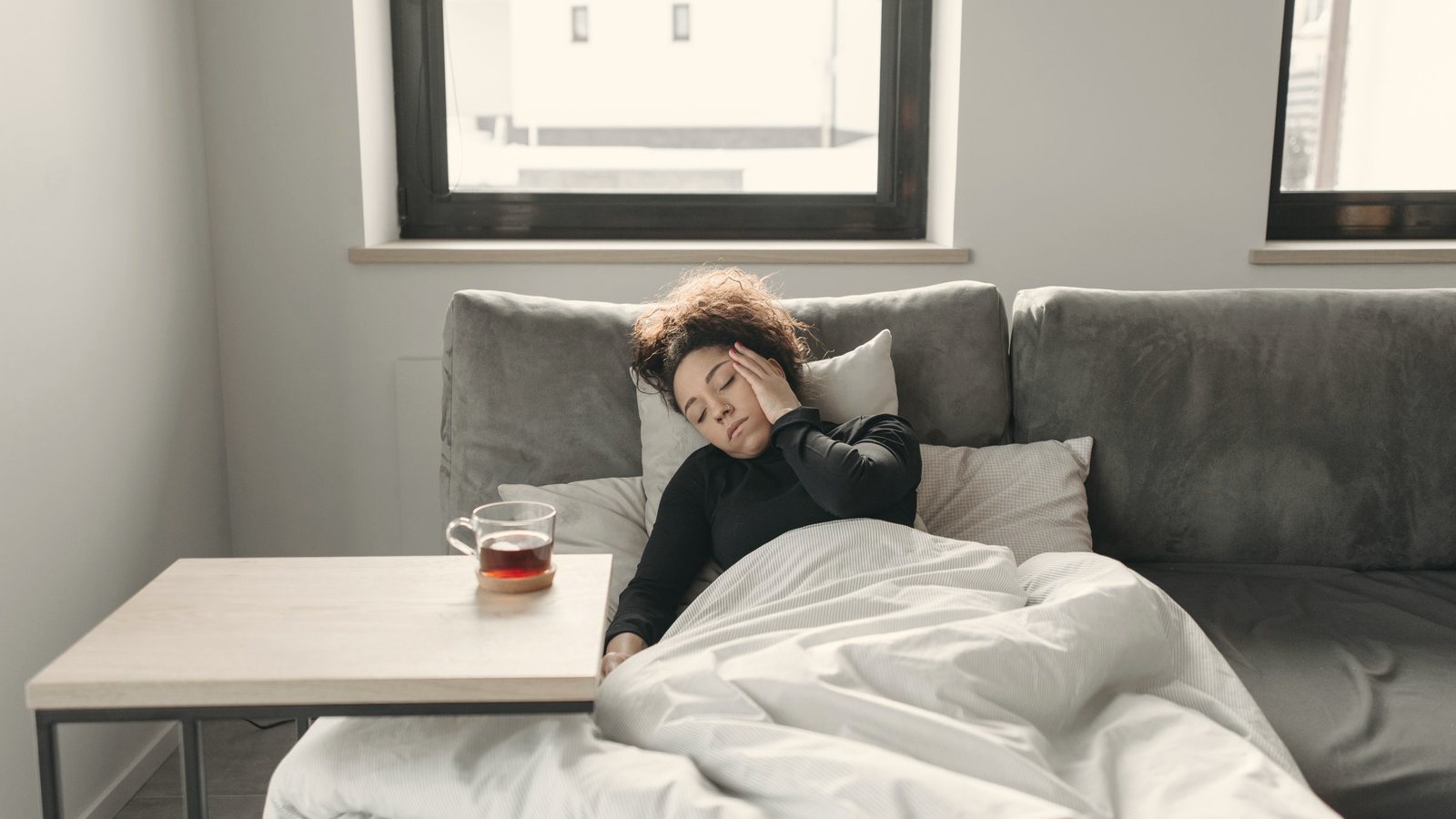
Migraine is one of the most common neurological conditions, and for many women it follows a pattern that tracks closely with the menstrual cycle. This isn’t a coincidence. A growing body of research points to fluctuating hormone levels, particularly oestrogen, as a key driver of when and why these headaches strike. Understanding that connection can make an unpredictable condition feel a little more explainable.
What Makes a Migraine “Hormonal”?
Not every headache that occurs around a woman’s cycle is classified the same way, but clinicians use the term “hormonal migraine” or “menstrual migraine” to describe attacks that cluster in the days immediately before or during menstruation. The defining feature isn’t the pain itself, which can look similar to migraine at any other time, but the timing. Researchers have observed that these attacks tend to recur in a tight window relative to the start of a period, month after month, in a way that other migraine triggers don’t produce.
The Oestrogen Connection
Oestrogen does far more than regulate reproduction. It also interacts with the brain’s pain pathways, influencing the chemical messengers involved in how the nervous system processes and dampens pain signals. Across the menstrual cycle, oestrogen levels rise and fall substantially, and it appears to be the drop in oestrogen late in the cycle, rather than the hormone’s absolute level, that is most closely linked with migraine onset. This is sometimes described as “oestrogen withdrawal,” a concept similar to how the nervous system reacts to other sudden chemical shifts in the body.
This is also why hormonal transitions beyond the monthly cycle, such as the lead-up to menopause, can temporarily change migraine patterns. Perimenopause involves less predictable hormone fluctuations than a typical cycle, which may explain why some people notice their migraine frequency shifting during this stage of life, for better or worse.
Common Patterns Across Life Stages
Research into hormonal migraine suggests several recognisable patterns worth understanding, though individual experiences vary considerably:
- Puberty: Migraine prevalence rises for many girls after the onset of menstruation, a period marked by the introduction of cyclical hormone fluctuation.
- Reproductive years: Attacks often concentrate in the two days before menstruation through the first few days of the period.
- Pregnancy: Some people notice a reduction in migraine frequency during pregnancy, when hormone levels are more stable at a sustained high level, though this isn’t universal.
- Perimenopause and menopause: Migraine patterns can become more variable as hormone levels fluctuate less predictably, with many people reporting improvement once hormone levels stabilise after menopause.
Why Hormonal Migraines Are Often Misunderstood
Because hormonal migraine is tied to a natural biological rhythm, it’s sometimes dismissed as “just part of having a period” rather than recognised as a distinct neurological pattern worth discussing with a health professional. This can delay people from exploring the lifestyle strategies and tracking tools that make the condition easier to anticipate and manage day to day. Migraine in general is also under-recognised as a disabling condition, partly because the pain is invisible and attacks are episodic, which can make it harder for others to appreciate the impact between episodes.
Lifestyle Factors That Influence Frequency
While hormonal fluctuation is a major driver, migraine is typically understood as a threshold condition, meaning several factors combine to determine whether an attack occurs. Common contributors that researchers and clinicians frequently discuss alongside hormonal timing include:
- Sleep consistency: Irregular sleep timing is one of the most frequently reported migraine triggers.
- Hydration and meal timing: Skipped meals and dehydration are commonly cited as lowering the threshold for an attack.
- Stress and its release: Interestingly, the drop in stress after a demanding period (sometimes called a “let-down” effect) is also reported as a trigger by many people, not just stress itself.
- Tracking tools: Keeping a simple diary of cycle timing, sleep, and attack dates can help reveal personal patterns over a few months, which is often the first practical step clinicians recommend.
When to Seek Support
Migraine that follows a predictable monthly pattern, or that is frequent enough to disrupt work, study or daily routines, is a reasonable reason to speak with a health professional. A clinician can help rule out other causes of headache, discuss the pattern you’re noticing, and talk through management approaches suited to your circumstances. This is particularly worth doing if attacks are increasing in frequency or severity, or if new symptoms appear alongside the headache.
Frequently Asked Questions
Is hormonal migraine the same as a regular migraine?
The underlying mechanisms overlap substantially with migraine at other times of the cycle, but hormonal migraine refers specifically to attacks that cluster predictably around menstruation, linked to the drop in oestrogen that occurs at that point in the cycle.
Does hormonal migraine affect everyone who menstruates?
No. Many people never experience a hormonal pattern to their migraine, while others notice a very strong link. Susceptibility appears to depend on individual sensitivity to hormonal fluctuation, among other factors researchers are still working to understand.
Can tracking really help?
Many clinicians recommend a simple symptom and cycle diary as a first step, since it can reveal whether a hormonal pattern exists and gives both the individual and their health professional more useful information to work from.