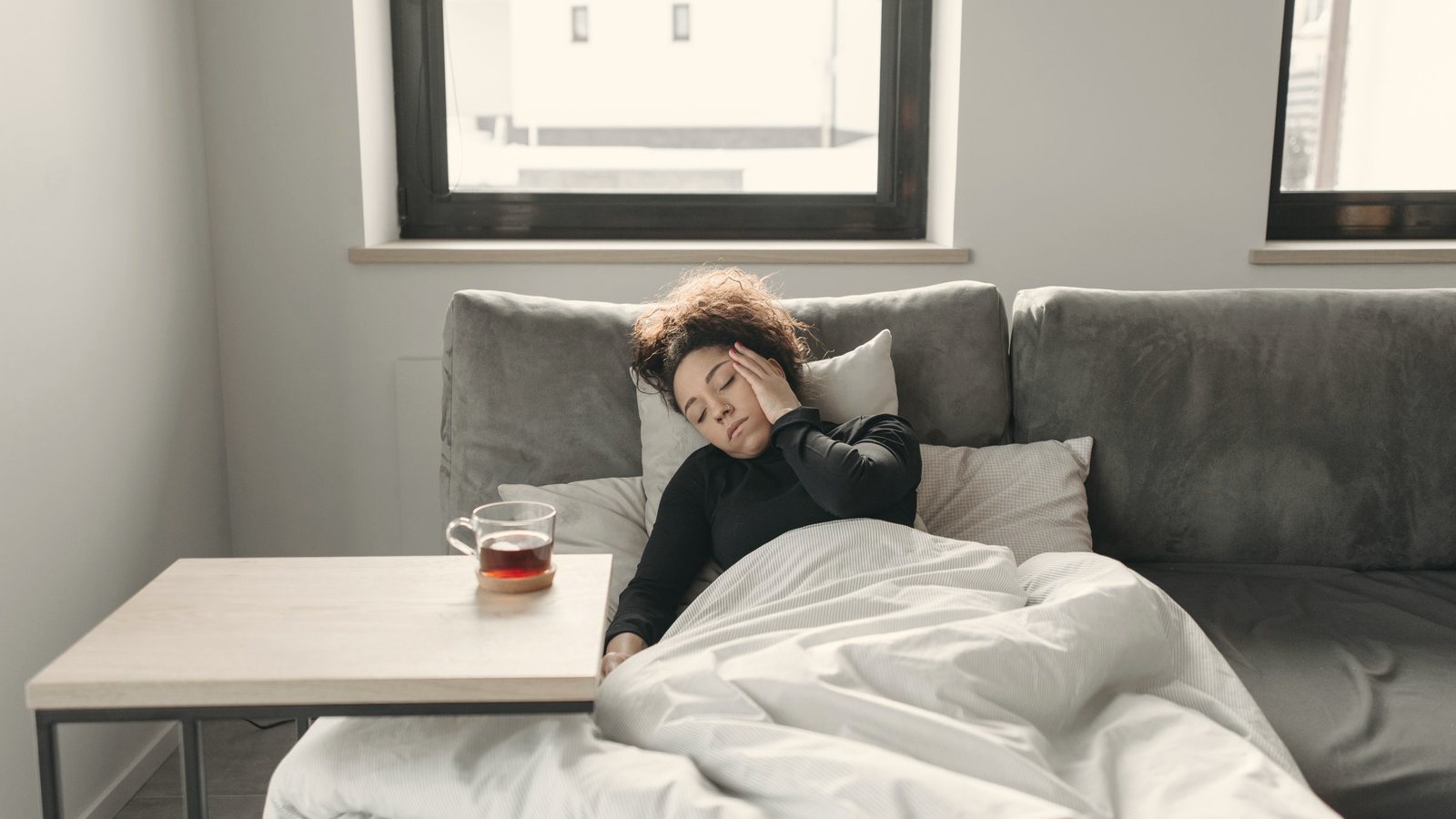
Most people don’t think of their own calendar as a time zone change. Yet for many of us, the shift between a weekday alarm clock and a weekend sleep-in works on the body in a surprisingly similar way to crossing several time zones — without ever leaving home. Sleep researchers call this mismatch social jetlag, and it’s one of the more overlooked patterns affecting everyday energy, mood and concentration.
Understanding what drives social jetlag, and why the body reacts to it the way it does, can help explain why Mondays feel disproportionately hard even after a seemingly restful weekend.
What Is Social Jetlag?
Social jetlag describes the gap between the sleep schedule your body is biologically tuned to and the sleep schedule your social or work commitments actually allow. On workdays, an early alarm might force wake-up at 6am. On weekends, with no meetings or school runs to plan around, the same person might naturally wake closer to 9am or later.
That three-hour difference is, functionally, similar to flying from Perth to a destination three time zones away and back again every single week. The body’s internal clock does not reset instantly just because the calendar says Saturday — it has to readjust, and then readjust again when the work week resumes.
The Circadian Clock Behind the Phenomenon
Underneath this pattern sits the circadian rhythm: an internal, roughly 24-hour timing system governed largely by a region of the brain called the suprachiasmatic nucleus. This internal clock is synchronised primarily by light exposure, and it governs far more than just sleep — it influences body temperature, hormone release, digestion and alertness across the day.
When sleep and wake times stay consistent, the circadian system has a stable anchor point. When those times swing back and forth between weekdays and weekends, the clock is being asked to re-align repeatedly, rather than settle into a steady rhythm. Researchers sometimes describe this as a form of chronic, low-grade circadian disruption, distinct from the more dramatic disruption of actual long-haul travel but operating on the same underlying biology.
How the Body Registers the Mismatch
The subjective experience of social jetlag is familiar to most adults: a heavier-than-expected grogginess on Monday, a dip in concentration early in the week, and a tendency to feel “behind” even after extra weekend sleep. Part of this comes from sleep inertia compounding with circadian misalignment — the body is being woken at a point in its internal cycle that no longer matches the external clock.
Appetite and energy regulation can also be affected, since circadian timing plays a role in how the body manages blood glucose and hunger signalling across the day. Mood and motivation often track closely with how consistent the sleep-wake pattern has been over the preceding week, which is one reason the start of the work week can feel harder than the cumulative hours of sleep alone would predict.
Who Is Most Affected
Social jetlag tends to be more pronounced in particular groups. People with a naturally late chronotype — often called “night owls” — frequently face the largest gap between their biological preference and a conventional 9-to-5 schedule, because their body clock is already pulling later than standard work hours allow. Shift workers and people with highly variable rosters can experience an even more exaggerated version of the same pattern, with sleep timing shifting not just week to week but day to day.
Younger adults and teenagers are also commonly affected, partly because biological sleep timing tends to shift later during adolescence, often clashing with early school start times.
Practical Ways to Reduce Social Jetlag
Because the underlying issue is inconsistency rather than simply “not enough sleep,” the most useful adjustments focus on narrowing the gap between weekday and weekend schedules rather than chasing extra hours on days off. A few general, evidence-informed principles that sleep researchers commonly point to include:
- Keeping wake-up time relatively stable across the week, even if bedtime shifts slightly, helps anchor the circadian rhythm.
- Getting morning light exposure soon after waking supports the internal clock’s natural synchronisation process.
- Limiting how much later weekend wake times drift compared with weekdays, rather than eliminating the lie-in altogether, can reduce the size of the weekly swing.
- Being mindful of late-night light and screen exposure, particularly on weekends, since this can push the body’s internal clock later and widen the gap further.
None of these adjustments need to be perfect or rigid. The goal is a smaller, more manageable swing between weekday and weekend timing, not an identical schedule every day of the year.
Frequently Asked Questions
Is social jetlag the same as insomnia?
No. Insomnia involves difficulty falling or staying asleep. Social jetlag is a timing mismatch — someone can sleep perfectly well on both weekdays and weekends and still experience social jetlag if those two schedules are far apart.
Can a weekend sleep-in ever help?
Some extra sleep can ease short-term tiredness, but a very large shift in wake time can make the following Monday’s adjustment harder, since the circadian clock has further to travel back. A moderate, consistent approach tends to be more sustainable than extreme catch-up sleep.
Does this only apply to people who feel tired?
Not necessarily. Social jetlag is about the size of the schedule gap itself, and its effects on mood, concentration and energy can be subtle rather than dramatic, which is part of why it’s easy to overlook.
If sleep timing, energy or daytime alertness are an ongoing concern, a telehealth consultation can be a useful starting point for understanding what might be contributing and what general support could look like.