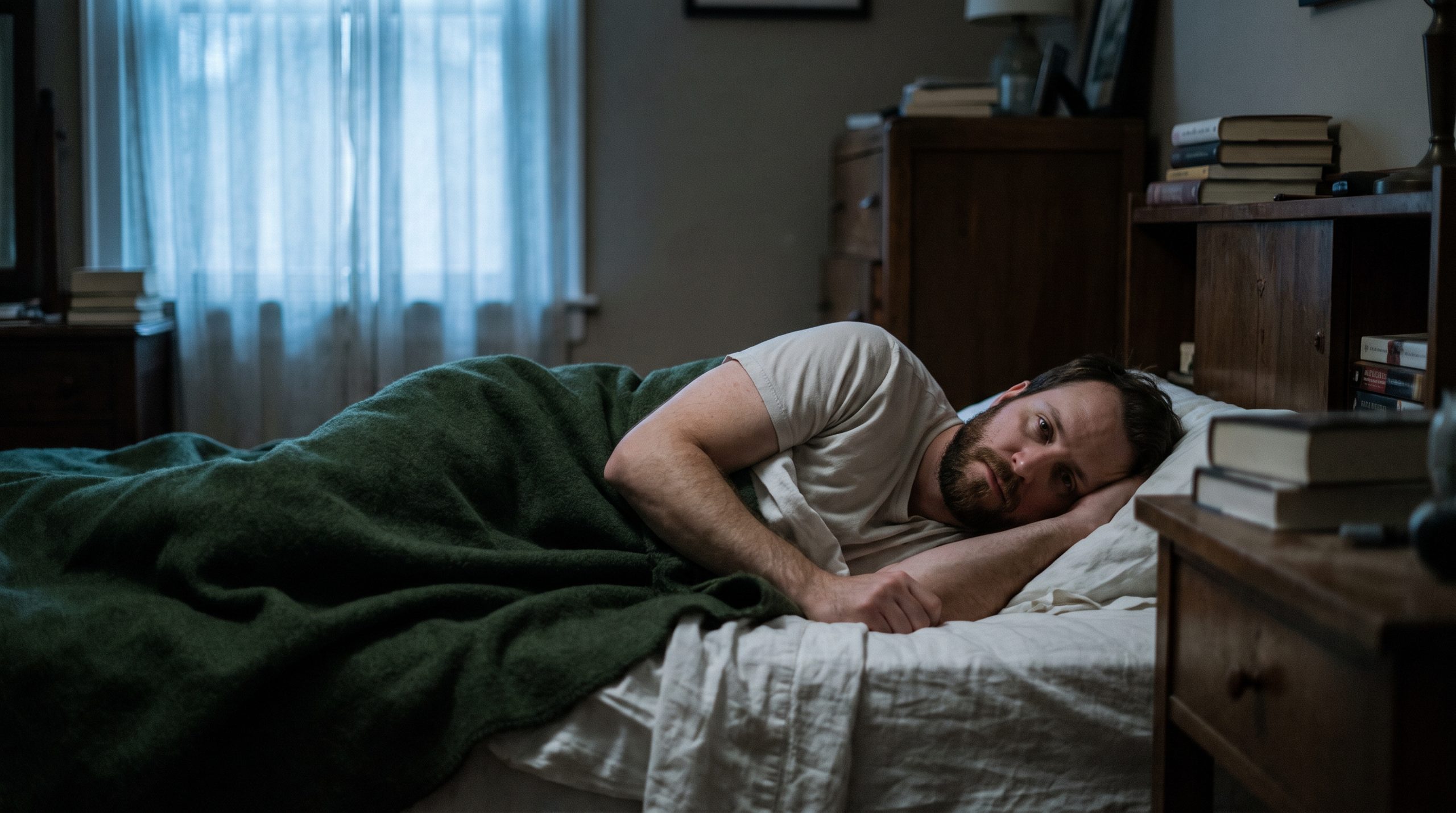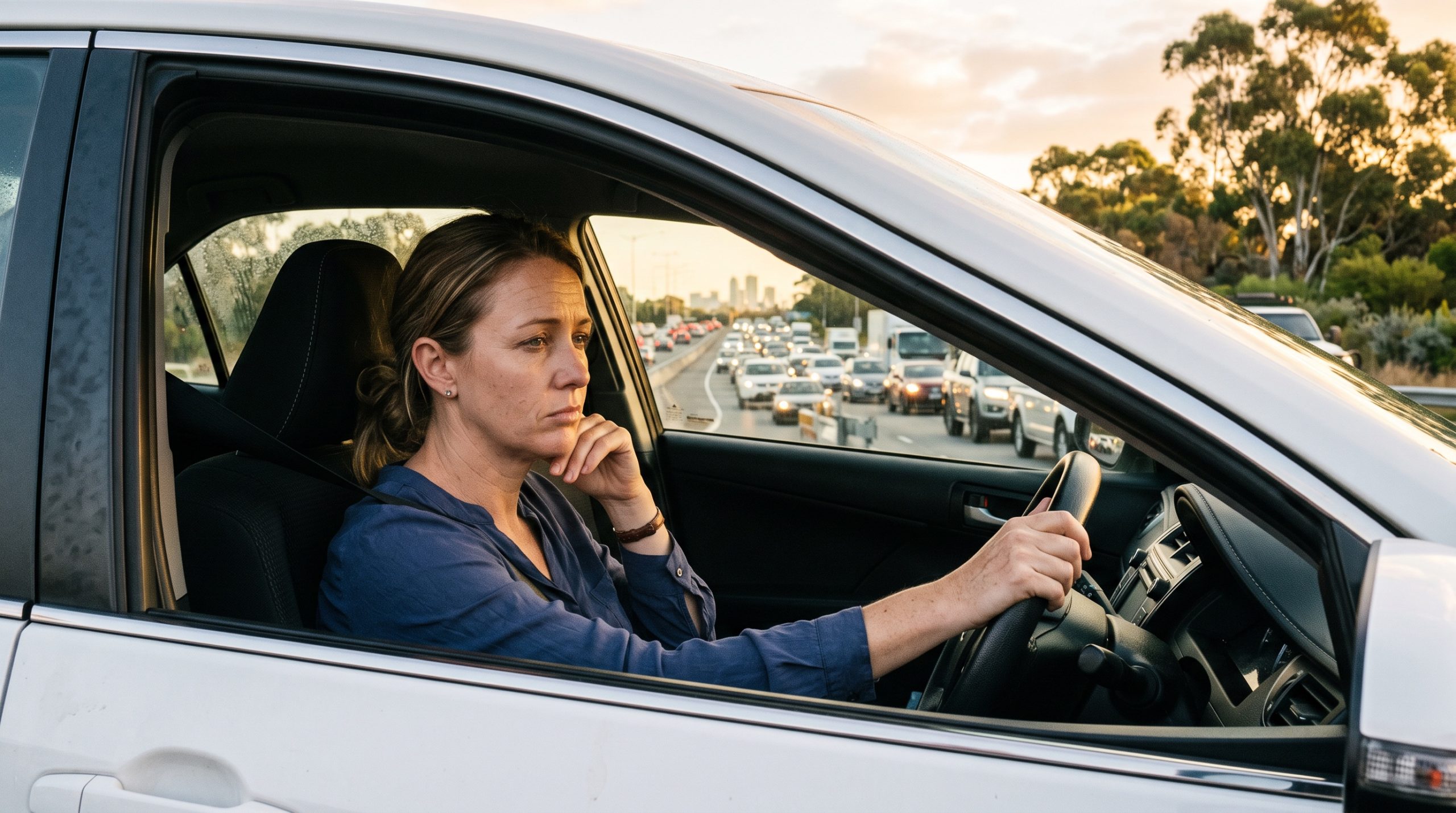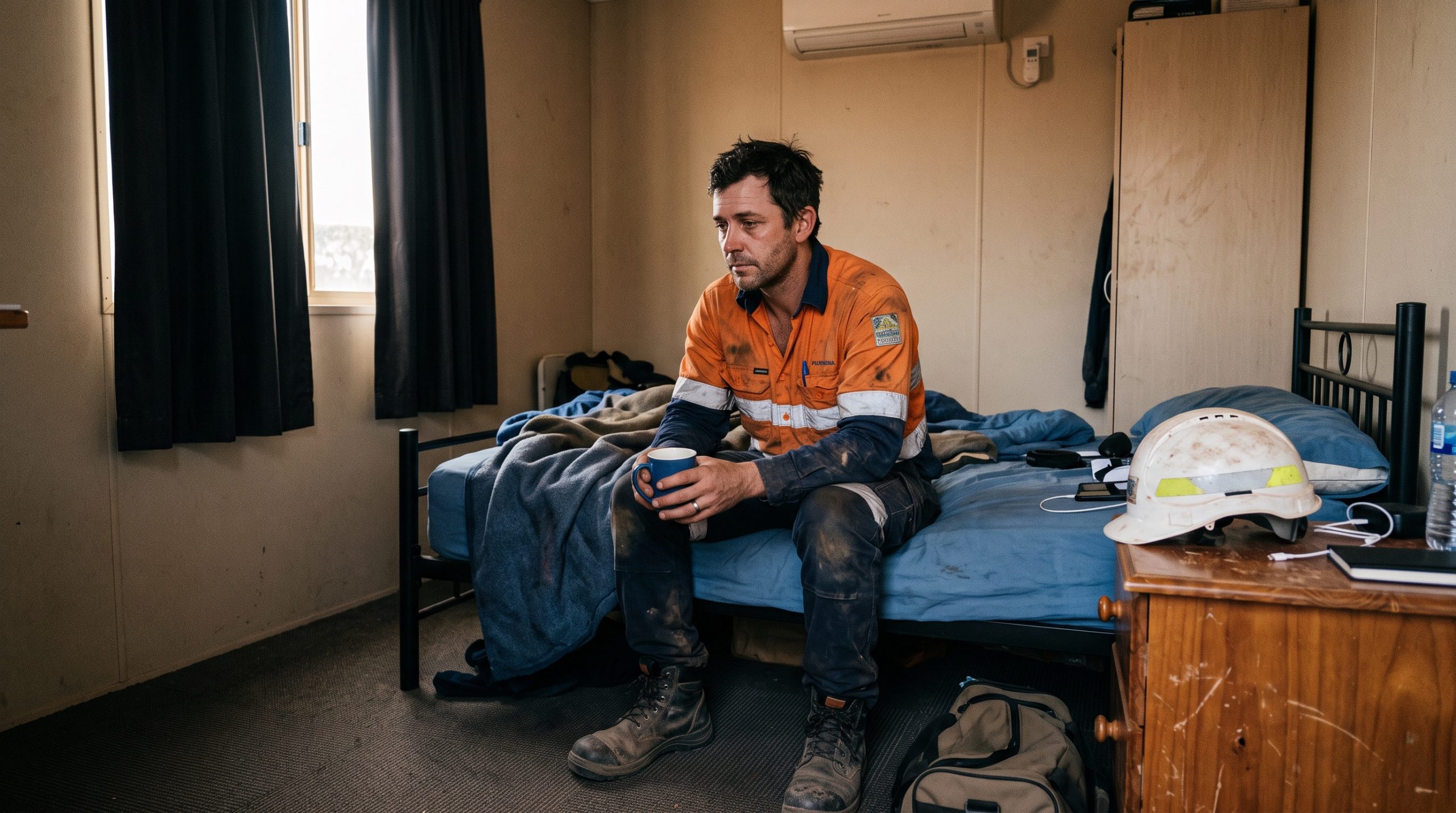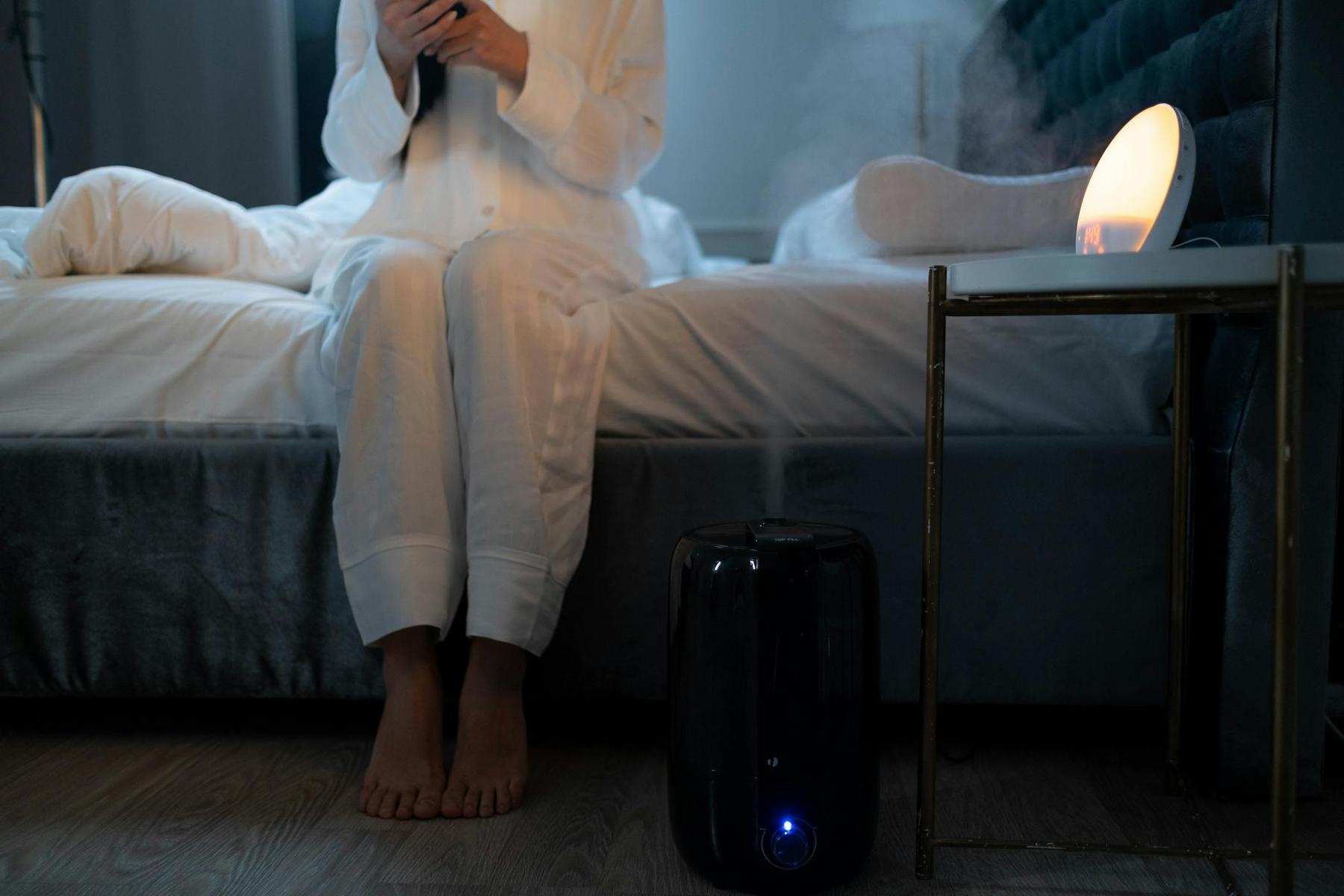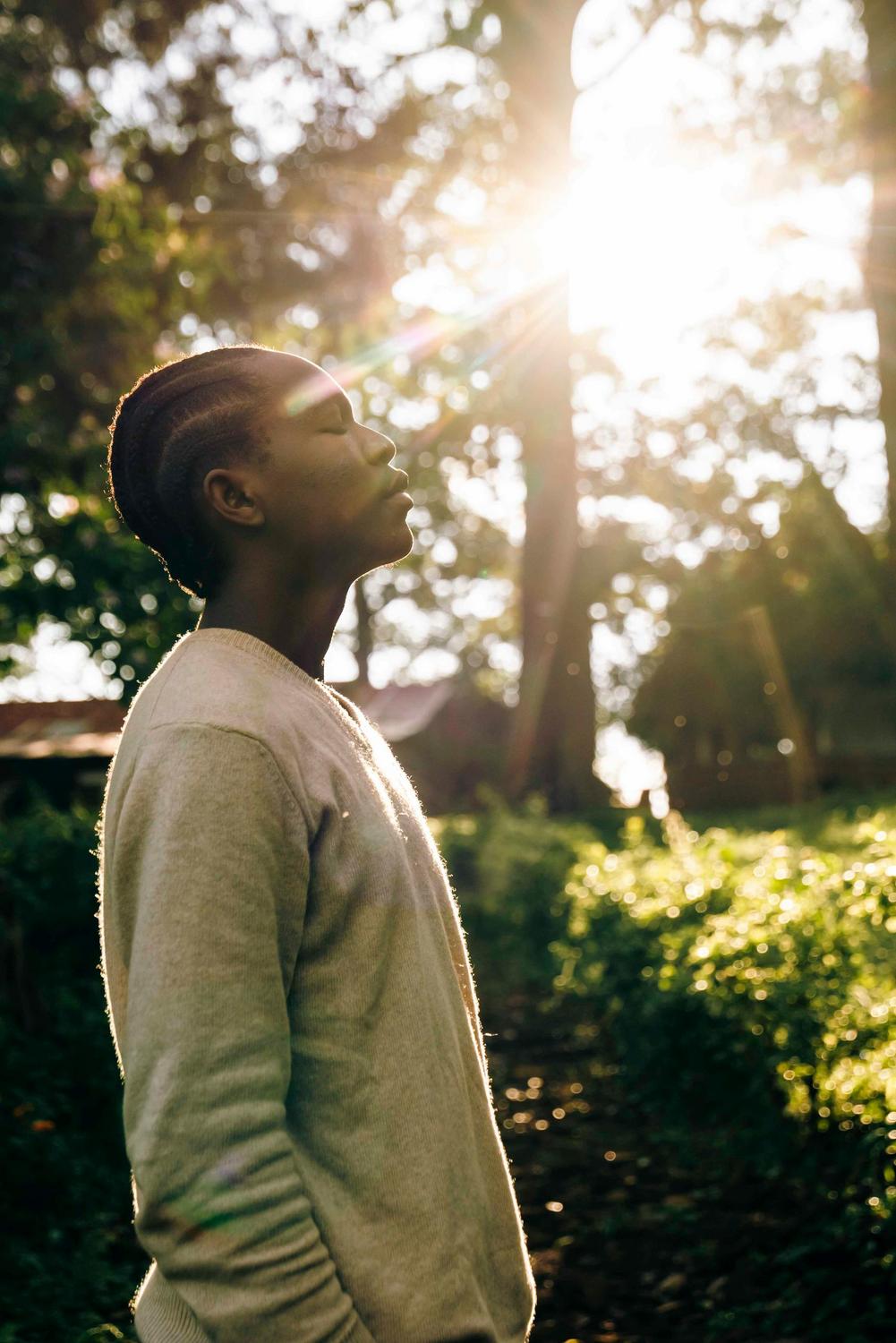
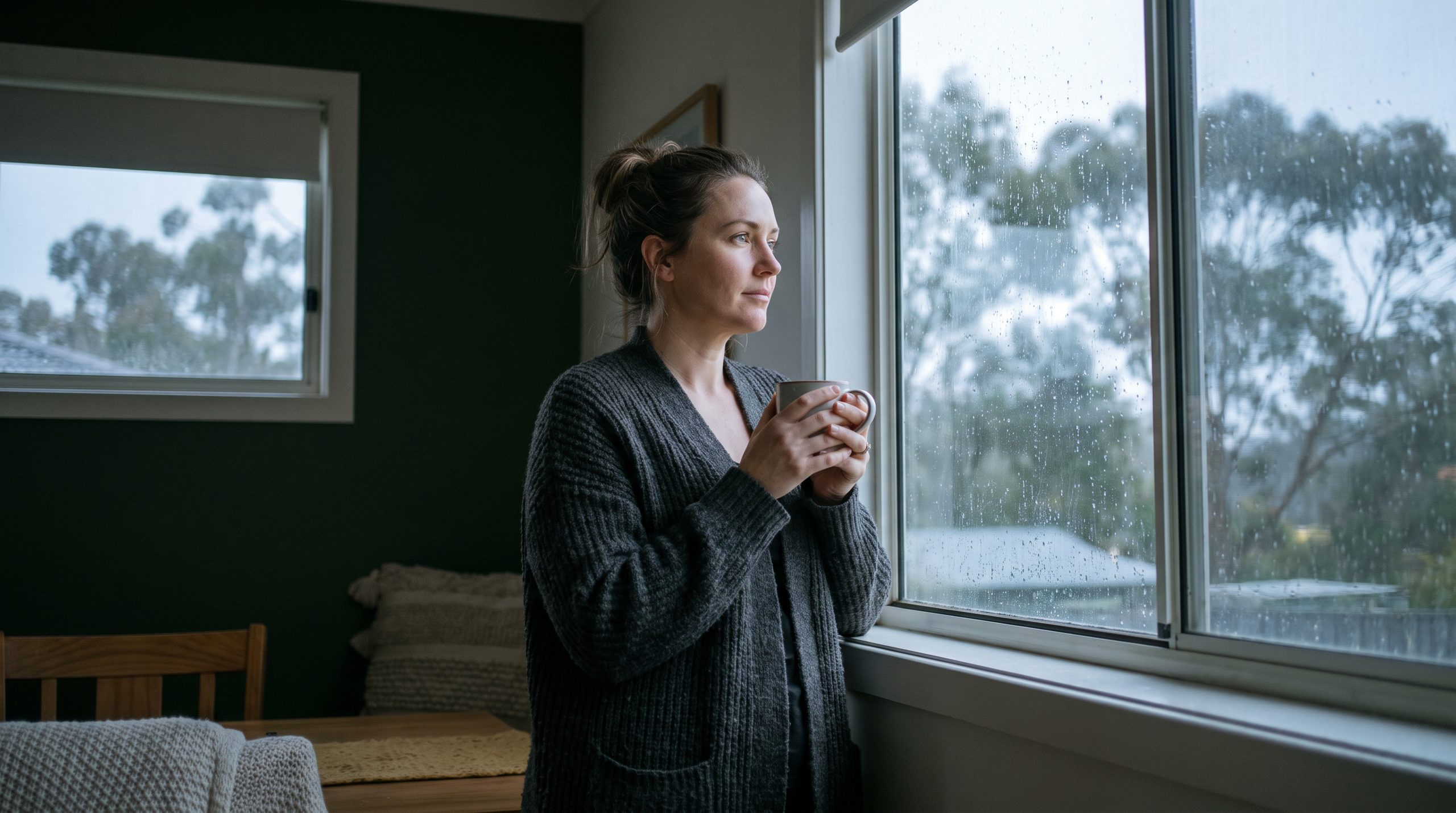
There is a particular kind of tiredness that arrives in Perth around the second week of August. The novelty of winter has long worn off, the mornings are still dark, the school term is grinding on, and spring feels theoretical. If you have found yourself hitting snooze more often, running on caffeine and willpower, or wondering why everything feels heavier than it did in June, you are not imagining it — and you are not alone. Chronobiology, the science of the body’s internal clocks, has a lot to say about why the tail end of winter is often the hardest stretch of the year.
Your body clock runs on light — and August is still short on it
The human circadian system is calibrated by light exposure, particularly in the first hours after waking. Bright morning light signals the brain’s master clock — the suprachiasmatic nucleus — to suppress melatonin, the hormone that promotes sleepiness, and to anchor the day’s rhythm of alertness, temperature and appetite.
In mid-August, Perth’s sun doesn’t rise until close to 7am. For most working adults, that means alarms are going off in darkness, commutes are happening in half-light, and the strongest natural light of the day arrives while we are indoors under artificial lighting. Weeks of this pattern can nudge the body clock later, so that your internal morning arrives well after your actual one. The result is a familiar late-winter signature: groggy starts, a mid-afternoon slump, and a second wind at night that makes it harder to go to bed at a sensible time — which feeds the next groggy start.
Why late winter feels harder than early winter
Seasonal patterns in mood and energy are well documented in research, and they tend to be cumulative rather than instant. One dark week is easy to absorb. Ten weeks of reduced light, less incidental outdoor time, less movement and more indoor evenings is a different proposition. By August, many people have quietly drifted away from the habits that protect their energy: the morning walk stopped in June, exercise moved indoors or stopped altogether, and social plans thinned out with the weather.
There is also a psychological component that researchers sometimes describe as the “horizon effect”: effort feels more sustainable when the finish line is visible. In June, winter is new. In August, you have been carrying it for months and the reward still feels far away. That gap between effort and payoff is fatiguing in its own right.
For many Western Australians the load is compounded by circumstance — FIFO rosters that scramble sleep timing, long commutes that swallow daylight hours, or caring responsibilities that leave little slack for recovery.
Fatigue is a signal, not a character flaw
It is worth saying plainly: persistent tiredness is information, not laziness. Sleep pressure, circadian timing, physical activity, nutrition, stress load and daylight exposure all interact, and when several drift at once — as they tend to in late winter — the combined effect can be significant. Answering the symptom with more caffeine and later nights usually deepens the hole.
The more useful move is an audit. Over the past fortnight, roughly how much time have you spent outdoors in daylight? How consistent has your wake time been? How much movement is in an average day? Has alcohol crept up as a winter comfort? None of these questions carry judgement; they simply map where the leverage is.
Practical ways to work with your biology in late winter
The encouraging news is that the circadian system responds quickly to consistent cues. Strategies that researchers consistently point to include:
- Get outdoor light within an hour of waking. Even on an overcast Perth morning, outdoor light is many times brighter than indoor lighting. Ten to twenty minutes — a coffee on the verandah, walking part of the commute — gives the body clock its strongest anchoring signal.
- Hold your wake time steady. A consistent wake time, including weekends, does more to stabilise energy than an early bedtime you can’t keep. Let the bedtime follow naturally.
- Put movement back in the day, scaled down if needed. If the winter version of your exercise routine has collapsed, shrink it rather than abandoning it. A brisk 15-minute walk at lunch, when the light is best, serves both the movement and the light goals at once.
- Front-load your evenings with wind-down, not screens. Bright screens late at night push the body clock later — the opposite of what a dark August morning needs.
- Plan something into the gap. Because part of late-winter fatigue is psychological distance from spring, a small planned pleasure each week — a market, a hike when the weather breaks, dinner with friends — shortens the horizon.
When tiredness deserves a professional conversation
Most late-winter fatigue eases as light returns and routines rebuild. But tiredness that persists for many weeks regardless of sleep, that arrives with low mood, unrefreshing sleep, or changes in appetite and motivation, is worth discussing with a qualified health professional rather than pushing through. Fatigue has many possible contributors — some seasonal and behavioural, some medical — and untangling them properly takes an unhurried conversation, not a search engine.
That conversation doesn’t have to wait for a car park and a waiting room. CannElevate’s AHPRA-registered practitioners offer unrushed telehealth consultations across Perth and regional WA, built around understanding your situation rather than watching the clock. If your energy hasn’t felt right this winter, a short pre-screening is a simple first step.
Frequently asked questions
Why do I feel more tired in August than in early winter?
Late-winter fatigue tends to be cumulative. Weeks of reduced daylight, less outdoor time and disrupted routines gradually shift the body clock later and erode energy, so the effects peak near the end of winter rather than the start.
Does morning light really make a difference to energy?
Yes. Morning outdoor light is the strongest signal that anchors the circadian system, helping to suppress melatonin, stabilise wake times and improve daytime alertness. Even overcast daylight is substantially brighter than indoor lighting.
Is it normal to sleep more in winter?
A modest increase in sleepiness during darker months is common and generally not a concern. Persistent exhaustion that doesn’t improve with adequate sleep, or that comes with low mood or loss of interest, is worth raising with a health professional.
Key takeaways
August fatigue in Perth is real, common and largely explainable: less light, drifted routines and a long horizon to spring. The strongest levers are morning outdoor light, a steady wake time, modest daily movement and earlier, dimmer evenings. And when tiredness outlasts the season or brings mood changes with it, an unhurried conversation with a registered practitioner beats pushing through.