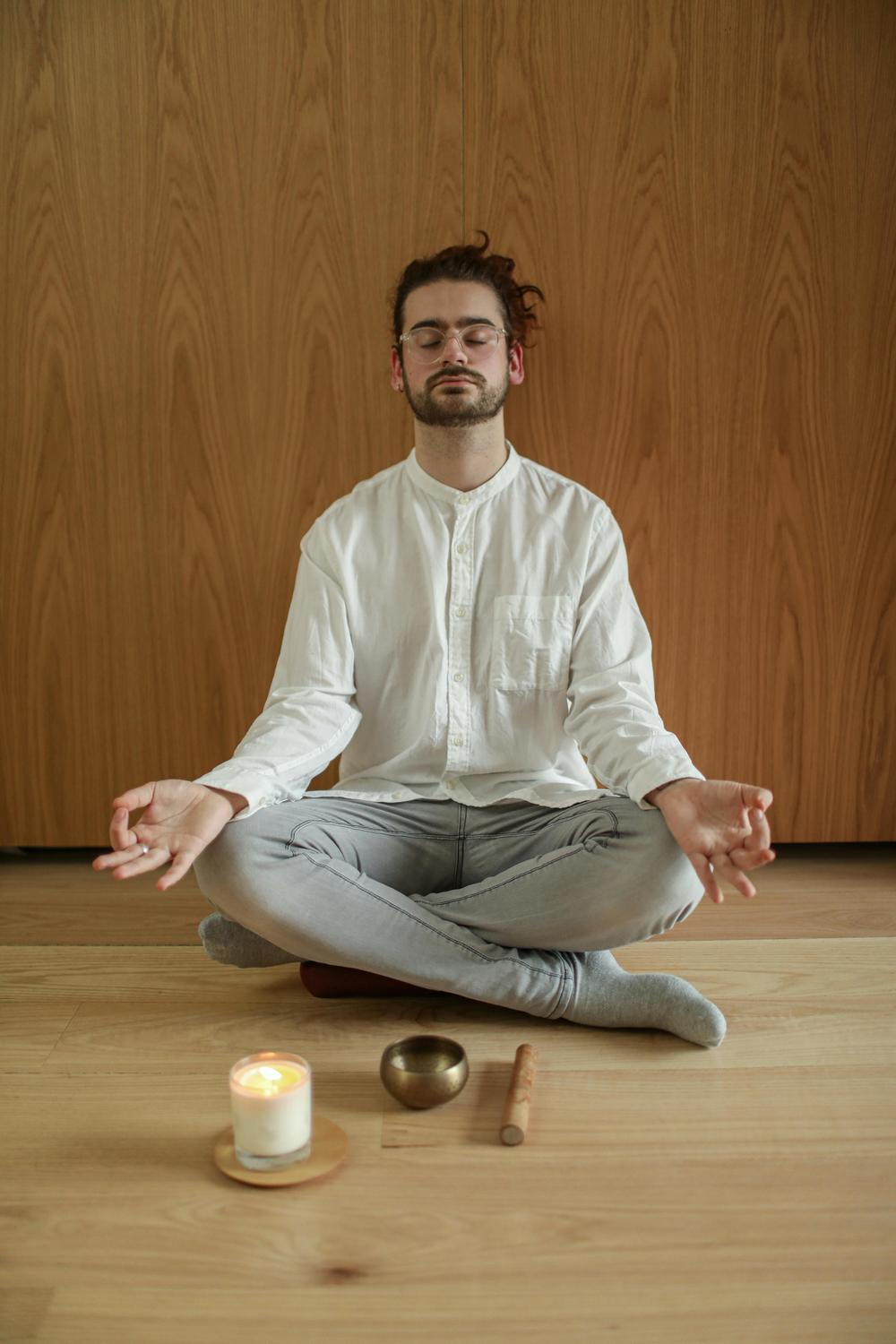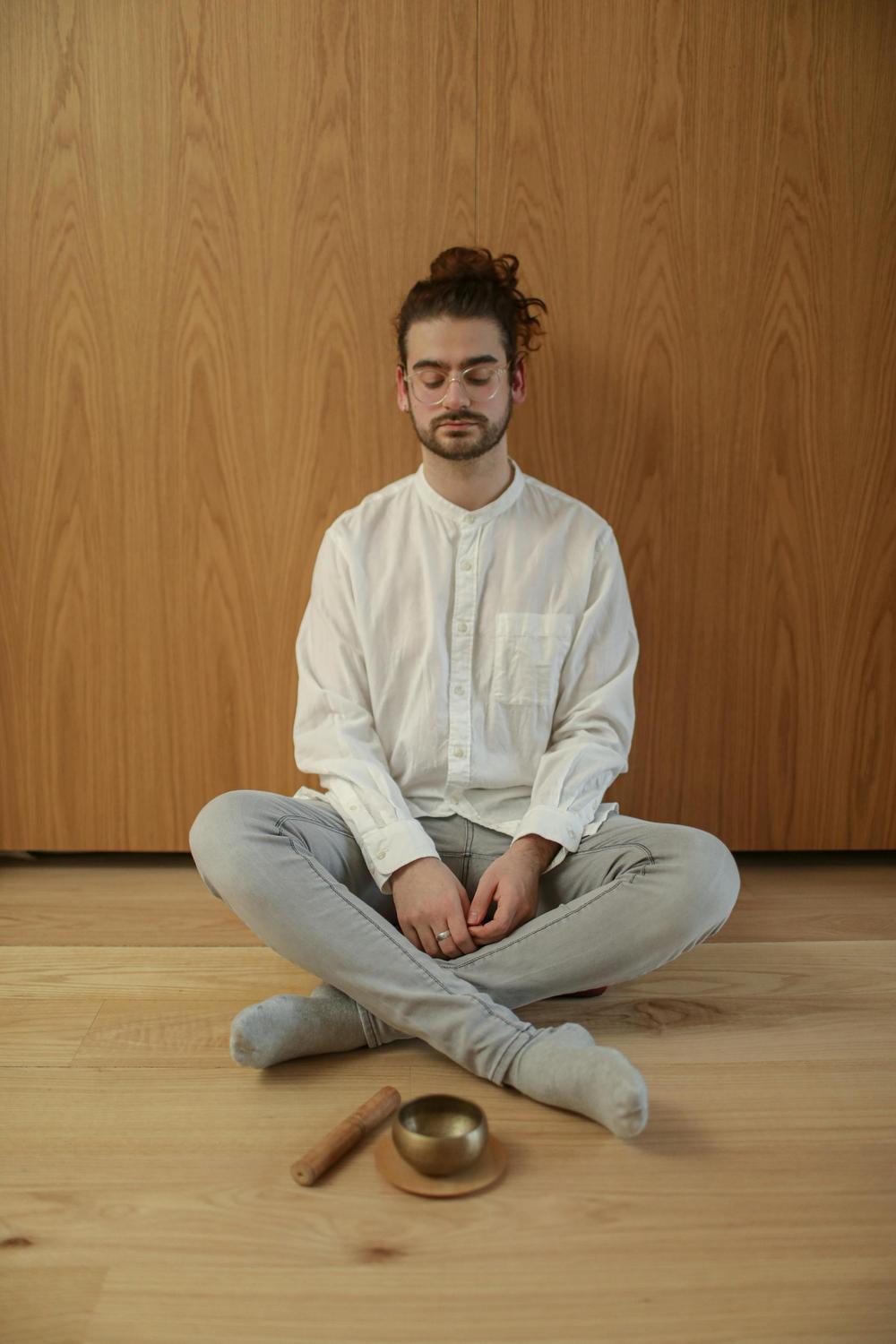
In an era where mental clarity feels increasingly elusive and stress pervades modern life, many Australians find themselves searching for practices that offer more than temporary relief. The constant bombardment of digital stimuli, mounting professional pressures, and the complexities of contemporary existence have created a profound hunger for authentic stillness. Yet amidst countless wellness trends and quick-fix solutions, one ancient practice continues to offer a pathway to genuine presence: zazen, the foundational meditation practice of Zen Buddhism that has endured for over 2,500 years.
What Is Zazen and Where Did This Practice Originate?
Zazen, derived from the Japanese characters 坐禪, literally translates to “sitting meditation.” The practice represents far more than its simple linguistic components suggest—it constitutes the heart of Zen Buddhist practice and the method through which Shakyamuni Buddha achieved enlightenment approximately 2,600 years ago beneath the Bodhi tree.
The practice of seated meditation originated in ancient India as dhyāna, forming part of the Buddha’s original teaching. As Buddhism spread along the Silk Road to China during the 6th century CE, it evolved into what became known as Chan Buddhism, with the Indian monk Bodhidharma credited as instrumental in establishing foundational principles for seated meditation in Chinese monasteries. By the 12th century, during Japan’s Kamakura period (1185-1333), Japanese monks who trained in China brought these practices back to their homeland, where they were refined and systematised into the zazen practice known today.
Master Dōgen Zenji (1200-1253), founder of the Sōtō school of Zen in Japan, played a pivotal role in codifying zazen practice. Dōgen established Eiheiji Temple, which has served as a model meditation monastery for over 700 years, preserving the practice through political upheavals and cultural shifts. His writings, particularly the Shōbōgenzō, continue to inform contemporary zazen practice worldwide.
The philosophical essence of zazen centres on direct experience rather than conceptual understanding. As articulated by the Soto Zen Buddhist Association, zazen is the practice of looking directly at life as it is, being aware of one’s true feelings and thoughts in each moment, and being oneself with nothing extra in harmony with the way things are. This deceptively simple description contains profound implications for how practitioners engage with their minds and experiences.
How Does Zazen Differ From Other Forms of Meditation?
Understanding zazen’s distinctive characteristics requires examining what sets it apart from the broader landscape of meditative practices. Whilst many meditation traditions share common elements—focused attention, breath awareness, postural considerations—zazen maintains specific qualities that distinguish it from other approaches.
The primary distinction lies in zazen’s fundamental orientation: it is non-goal-oriented meditation. This paradoxical aspect often confuses newcomers. In shikantaza, the predominant form practised in Sōtō Zen, practitioners engage in “just sitting” without seeking specific states, experiences, or insights. As Master Dōgen articulated: “Sitting fixedly, think of not thinking. How do you think of not thinking? Nonthinking. This is the art of zazen.”
Unlike visualisation-based meditations that employ mental imagery, or mantra-based practices that use repeated phrases, zazen in its purest form uses no specific object of meditation. Practitioners neither concentrate on visualised deities, nor repeat sacred syllables, nor even necessarily focus exclusively on the breath. Instead, they maintain open awareness of present-moment experience without fixating on any particular aspect.
Zazen practice recognises that body, breath, and mind are not separate entities but form one inseparable reality, with the sitting posture itself considered the complete expression of enlightenment. The Rinzai school of Zen introduces another dimension through koan practice—using paradoxical questions like “What is the sound of one hand clapping?”—to break through conceptual thinking. This represents a more active engagement with meditation than shikantaza’s “just sitting,” yet still differs from analytical meditation found in other traditions.
Zazen also maintains specific postural requirements that many other meditation forms do not emphasise as stringently. The upright spine, specific hand positions (cosmic mudra), and half-open eyes create a distinctive physical foundation that influences the meditative experience fundamentally.
What Are the Five Types of Zazen Practice?
Hakuun Yasutani, an influential 20th-century Zen master, articulated a classification system that helps practitioners understand zazen’s various manifestations and purposes. This framework provides valuable orientation for understanding how zazen can be approached from different perspectives and intentions.
| Zazen Type | Primary Focus | Accessibility | Purpose |
|---|---|---|---|
| Bompu Zazen | Wellbeing and mental health | Open to all, regardless of spiritual orientation | Developing meditative concentration to support general wellness |
| Gedō Zazen | Other religious contexts | Practitioners of various traditions | Meditation techniques from non-Buddhist spiritual paths |
| Shōjō Zazen | Individual understanding | Beginning Buddhist practitioners | “Small vehicle” practices focused on personal liberation |
| Daijō Zazen | Direct insight into true nature | Intermediate to advanced practitioners | Gaining experiential understanding of emptiness and Buddha-nature |
| Saijōjō Zazen | Pure “just sitting” | Advanced practitioners | The highest form—shikantaza without striving or goals |
Bompu zazen represents the most accessible entry point, requiring no Buddhist affiliation or spiritual commitment. This form acknowledges meditation’s capacity to improve psychological wellbeing, reduce stress, and enhance mental clarity without engaging Buddhist philosophical frameworks. Many contemporary mindfulness programmes, including clinical applications, draw primarily from this approach.
Gedō zazen recognises that seated meditation appears across diverse religious traditions—Christian contemplative prayer, Hindu dhyāna, Sufi muraqaba—each employing similar techniques toward their respective spiritual aims. This category acknowledges meditation’s universality whilst maintaining zazen’s specific Buddhist character.
Shōjō zazen, translated as “small vehicle” practice, focuses on individual liberation and understanding suffering’s cessation. This approach aligns with early Buddhist emphasis on personal enlightenment through understanding the Four Noble Truths and following the Eightfold Path.
Daijō zazen represents Mahayana Buddhist meditation aimed at direct experiential insight into Buddha-nature—the fundamental nature of reality and inherent enlightenment within all beings. This practice moves beyond intellectual understanding toward direct perception of emptiness (śūnyatā) and interconnectedness.
Saijōjō zazen, or shikantaza, constitutes the pinnacle of zazen practice. This “just sitting” involves no seeking, no grasping after enlightenment, and no technique beyond the sitting itself. Advanced practitioners maintain that this form expresses enlightenment most purely because it involves no separation between practice and realisation.
What Is the Correct Zazen Posture and Why Does It Matter?
The physical foundation of zazen extends far beyond aesthetic considerations—posture directly influences breathing patterns, mental states, and the quality of meditative experience. Understanding proper alignment enables practitioners to sit with stability, comfort, and alertness over extended periods.
The Critical Importance of Spinal Alignment
The cornerstone of zazen posture is an erect, straight spine, as though the crown of the head is suspended from above. This vertical alignment proves more essential than any specific leg position or sitting surface. The spine’s uprightness maintains alertness whilst allowing natural breathing, preventing both drowsiness and excessive tension.
Practitioners should visualise their spine as a stack of coins balanced perfectly, each vertebra resting naturally atop the one below. This alignment allows energy to flow unimpeded whilst minimising muscular strain. The pelvis tilts slightly forward, creating a natural lumbar curve that supports the spine’s weight efficiently.
Primary Sitting Positions
Burmese Position: The most accessible for beginners, this involves crossing the legs with both feet resting flat on the floor in front of the body rather than on the thighs. Ideally, both knees touch the ground, creating a stable tripod with the buttocks.
Half-Lotus (Hankafuza): One foot rests on the opposite thigh whilst the other leg tucks underneath. Practitioners should alternate which leg elevates to develop balanced flexibility. This position offers greater stability than Burmese whilst remaining achievable for many people.
Full-Lotus (Kekkafuza): Both feet rest on opposite thighs in a perfectly symmetrical position requiring considerable hip flexibility. Whilst traditional, this position is neither necessary nor suitable for all body types. Many accomplished practitioners never achieve full lotus without compromising spinal alignment.
Seiza Position: Kneeling with knees close together, often using a seiza bench that keeps weight off the ankles whilst maintaining proper posture. This option works exceptionally well for practitioners unable to sit cross-legged comfortably.
Chair Position: Increasingly accepted in contemporary practice, sitting forward on a chair with feet flat on the floor, knees at hip height or slightly higher. This accommodation allows those with physical limitations to maintain proper spinal alignment—the practice’s true foundation.
Hand Position: The Cosmic Mudra
The hands form the cosmic mudra (hokkai-jōin): both palms face upward, the dominant hand resting beneath the non-dominant hand, with thumbs lightly touching at approximately navel height, forming an oval. This gesture is said to calm mental agitation whilst providing feedback—when concentration wavers, the thumbs either collapse or push too firmly together, alerting practitioners to their mental state.
Additional Postural Elements
Eyes: Remain half-open with gaze lowered at approximately 45 degrees, resting naturally on the floor 2-4 feet ahead. Unlike many meditation traditions that close the eyes, zazen maintains visual connection with the environment, preventing drowsiness whilst supporting present-moment awareness.
Shoulders and Chest: Shoulders level and slightly back, opening the chest without creating tension. The ribcage remains relaxed, allowing unimpeded breathing.
Mouth and Tongue: The mouth gently closed with teeth together (not clenched), tongue pressed lightly against the upper palate just behind the front teeth. This position facilitates natural nasal breathing.
Breathing: All breathing occurs through the nose, emphasising abdominal breathing where the hara (energy centre approximately 5 centimetres below the navel) expands on inhalation and contracts on exhalation. Practitioners observe breath’s natural rhythm without attempting to control or manipulate it, allowing breathing to deepen and lengthen naturally.
What Does Scientific Research Reveal About Zazen’s Effects?
Contemporary neuroscience and medical research have subjected meditation practices to rigorous investigation, revealing measurable changes in brain structure, neurochemistry, immune function, and overall health markers. These findings provide empirical support for benefits that practitioners have reported for centuries.
Neurobiological Changes
Neuroimaging studies using magnetic resonance imaging (MRI) have documented increased grey matter density in key brain regions following regular meditation practice. The prefrontal cortex—associated with emotional regulation, attention, and executive function—shows particularly notable changes. The hippocampus, involved in memory formation and emotional processing, and the posterior cingulate cortex, engaged in self-referential thinking, also demonstrate structural changes.
Electroencephalographic (EEG) research reveals increased alpha and theta wave activity during zazen practice, particularly in experienced practitioners. Theta activity, associated with deep relaxation and meditative states, appears significantly greater in advanced masters compared to novice meditators or non-meditators.
The default mode network (DMN)—brain regions active during mind-wandering and self-referential thinking—shows reduced activity following meditation training. This reduction correlates with decreased rumination and stress-related mental patterns that contribute to anxiety and depression.
The amygdala, the brain’s emotional processing centre responsible for fear and stress responses, demonstrates reduced activation and altered connectivity following meditation training, indicating decreased emotional reactivity to stressors.
Neurochemical and Hormonal Effects
Regular meditation practice associates with elevated serotonin levels, the neurotransmitter regulating mood and general wellbeing. Dopamine production increases, enhancing cognitive flexibility and emotional resilience. Brain-derived neurotrophic factor (BDNF) levels rise, supporting neuroplasticity—the brain’s capacity for growth, adaptation, and learning throughout life.
Significantly, meditation practice substantially reduces cortisol, the primary stress hormone. Chronic elevated cortisol contributes to numerous health problems, including immune suppression, cardiovascular disease, and metabolic dysfunction. Meditation’s capacity to restore hormonal homeostasis by regulating the hypothalamic-pituitary-adrenal (HPA) axis represents a fundamental mechanism underlying many observed health benefits.
Immune System Enhancement
Randomised controlled trials involving over 1,000 participants demonstrated that meditation reduces key inflammatory markers including nuclear factor kappa B (NF-κB), C-reactive protein (CRP), and interleukin-6 (IL-6). Chronic inflammation underlies numerous health conditions, making meditation’s anti-inflammatory effects particularly significant.
Natural killer (NK) cell activity and cytotoxicity increase with regular meditation, improving antiviral and immune surveillance functions. CD4+ T-cell counts rise, indicating enhanced immune competence. Research even demonstrates improved immune response to vaccinations in meditators compared to non-meditators.
Cellular and Genetic Effects
Multiple studies document meditation’s influence on telomere length and telomerase activity. Telomeres—protective caps on chromosome ends—naturally shorten with age and stress. Telomerase, the enzyme maintaining telomere length, shows increased activity in regular meditators. This cellular-level effect suggests meditation may influence fundamental ageing processes.
Epigenetic research reveals meditation affects gene expression, particularly genes involved in inflammatory responses and stress metabolism. These modifications occur without altering DNA sequences, representing functional changes in how genes are expressed.
Psychological and Emotional Wellbeing
Systematic reviews and meta-analyses consistently demonstrate meditation’s efficacy for reducing anxiety and depression. Effect sizes, whilst moderate, prove clinically meaningful and compare favourably with established interventions. A landmark randomised clinical trial published in JAMA Psychiatry in 2022 found an eight-week mindfulness-based stress reduction equivalent to established therapeutic interventions for anxiety disorders.
Research using standardised assessments shows meditation improves stress coping, reduces work-related burnout, enhances social connectivity, and decreases loneliness. Emotion regulation improves, with practitioners demonstrating neutralised emotional reactivity to negative stimuli. Cognitive interference reduces, attention networks strengthen, and age-related cognitive decline appears attenuated in long-term practitioners.
For individuals with post-traumatic stress disorder (PTSD), research on veterans demonstrated meditation as effective as prolonged exposure therapy—the gold-standard PTSD treatment—in reducing symptoms whilst showing better participant retention.
How Can Beginners Start a Sustainable Zazen Practice?
Establishing a meditation practice requires understanding both the formal technique and the practical considerations that determine long-term sustainability. Many enthusiastic beginners begin with unrealistic expectations or excessive ambition, leading to frustration and abandonment of practice.
Starting Gradually
Begin with modest time commitments—5 to 15 minutes daily proves more sustainable than sporadic longer sessions. Consistency matters more than duration. Practitioners who sit six times weekly for shorter periods demonstrate better outcomes than those attempting irregular extended sessions. As comfort and concentration develop naturally, gradually extend sitting duration toward 30 minutes or longer.
Creating Practice Conditions
Designate a specific location for practice, preferably quiet with minimal distractions. Whilst elaborate meditation spaces are unnecessary, consistency of location helps establish practice as routine. Sit on a cushion (zafu) that elevates the pelvis sufficiently for knees to rest on the ground, or use a seiza bench or chair if more appropriate for your body.
Practice at consistent times when possible—many practitioners find morning sessions, before daily activities begin, particularly effective for establishing regularity. However, any consistent time proves more valuable than waiting for “perfect” conditions.
Working With Physical Discomfort
Physical discomfort represents one of the primary challenges for beginning practitioners. Distinguish between discomfort from unaccustomed positioning (which gradually improves with regular practice) and pain indicating potential injury (which requires immediate postural adjustment).
The fundamental principle is maintaining spinal alignment rather than achieving a specific aesthetic position. If cross-legged positions prove unsuitable, chair sitting with proper alignment constitutes fully legitimate zazen practice. Modern understanding recognises that accessibility serves practice better than rigid adherence to traditional forms unsuitable for individual bodies.
Mental Approach
Begin with breath counting (sūsokukan) to stabilise attention: count each complete breath cycle from one to ten, then restart at one. When the mind wanders (which it inevitably will), simply return to counting at one without self-judgment or frustration. This technique provides a gentle anchor whilst developing concentration.
As practice develops, transition toward breath watching without counting, then eventually toward shikantaza—”just sitting” without specific focus objects. This progression occurs naturally over months and years; attempting advanced practices prematurely often creates confusion rather than deepening understanding.
The Role of Instruction and Community
Whilst zazen can be learned from books and online resources, working with qualified teachers provides invaluable guidance through challenges and prevents common pitfalls. Many Zen centres now offer online instruction via video conferencing, making authentic teaching accessible regardless of location.
Group practice (sitting in a zendo with other practitioners) creates a supportive environment and collective energy that enhances individual practice. The formal structure of group sits—marked by bell signals, periods of kinhin (walking meditation), and shared silence—helps maintain consistent practice and connects practitioners to the tradition’s 2,500-year lineage.
Integrating Zazen Into Contemporary Australian Life
Modern Australians face unique challenges in establishing contemplative practices. Cultural emphasis on productivity, constant connectivity, and busy schedules can make regular meditation seem impractical or indulgent. Yet these same conditions make zazen’s gifts of presence, clarity, and emotional regulation increasingly valuable.
Zazen does not require adopting Buddhist religious beliefs or Japanese cultural elements. The practice’s essence—direct present-moment awareness through seated meditation—translates across cultural contexts. Contemporary applications in healthcare settings, educational institutions, and workplaces demonstrate zazen-derived practices’ adaptability whilst maintaining their core effectiveness.
The practice integrates naturally with modern healthcare approaches that recognise mind-body interconnection and the importance of self-regulation skills. Research supporting meditation’s physiological effects—from immune function to neuroplasticity—provides evidence-based rationale for incorporating contemplative practices into comprehensive wellness approaches.
Australian practitioners benefit from growing local Zen communities, online resources, and increasing cultural familiarity with meditation. The practice’s non-denominational accessibility means individuals of any background can explore zazen without conflicting with existing beliefs or values.
Zazen as Lifelong Practice
Unlike skills mastered and completed, zazen represents an ongoing practice that deepens throughout life. Master Dōgen taught that zazen is not preparation for enlightenment but enlightenment’s fullest expression in each moment. This perspective removes pressure for specific attainments whilst maintaining practice as inherently meaningful.
Long-term practitioners report that zazen’s benefits extend far beyond formal sitting sessions into daily life. The mental clarity, emotional stability, and present-moment awareness cultivated during meditation gradually permeate all activities—working, conversing, eating, walking. This integration represents zazen’s ultimate purpose: not escaping life through meditation, but engaging life more fully with clear awareness and authentic presence.
The practice’s simplicity proves deceptive—sitting still in an upright posture whilst allowing thoughts to arise and pass without engagement contains lifetimes of discovery. Each sitting offers a fresh encounter with this moment’s reality, never exhausted, never completed, always immediate and alive.
Is zazen a religious practice, or can anyone practise it?
Whilst zazen originated within Buddhism and remains central to Zen Buddhist practice, the technique itself requires no religious belief or affiliation. Bompu zazen—for wellbeing and mental health—is practised by individuals of all backgrounds without spiritual connotations. Understanding its philosophical context can deepen practice, but it is not limited to religious adherents.
How long does it take to experience benefits from zazen practice?
Research documents measurable changes in brain activity and stress markers within weeks of beginning regular practice. Many practitioners report subjective improvements in mental clarity and emotional regulation in just a few days, though sustainable benefits typically develop over months and years.
What should I do when my mind won’t stop wandering during zazen?
Mind-wandering is a normal part of meditation rather than a failure. The essential skill in zazen is to notice when your attention drifts and gently bring it back to the present moment without self-criticism. Each return to the breath or the counting practice is a successful part of the process.
Can I practise zazen if I have physical limitations or chronic pain?
Yes, zazen can be adapted to accommodate various physical conditions. The key is maintaining proper spinal alignment, whether sitting on a cushion, bench, or chair. Adjustments should be made to ensure comfort and safety, and it’s advisable to consult healthcare providers if you experience significant pain.
Is it better to practise zazen alone or with a group?
Both individual and group practices offer distinct benefits. Solo practice helps establish a personal routine, while group sittings provide structured support, collective energy, and a deeper connection to the tradition. Many practitioners blend both approaches for a balanced practice.