
Balance feels automatic until it isn’t. Most people only start paying attention to their sense of balance after a stumble on an uneven footpath, a wobble getting out of the shower, or a near-miss on the stairs. Yet balance is one of the most sophisticated processes the body performs, drawing on input from the eyes, the inner ear, and a lesser-known system called proprioception. Understanding how these systems change with age — and how they can be supported — is central to healthy, independent ageing.
Falls are not a normal or inevitable part of getting older, but the risk of falling does rise with age, and the consequences can be more serious when it happens. That makes the science of balance one of the more practical areas of preventative health education, particularly for adults thinking ahead about long-term mobility and independence.
What Proprioception Actually Is
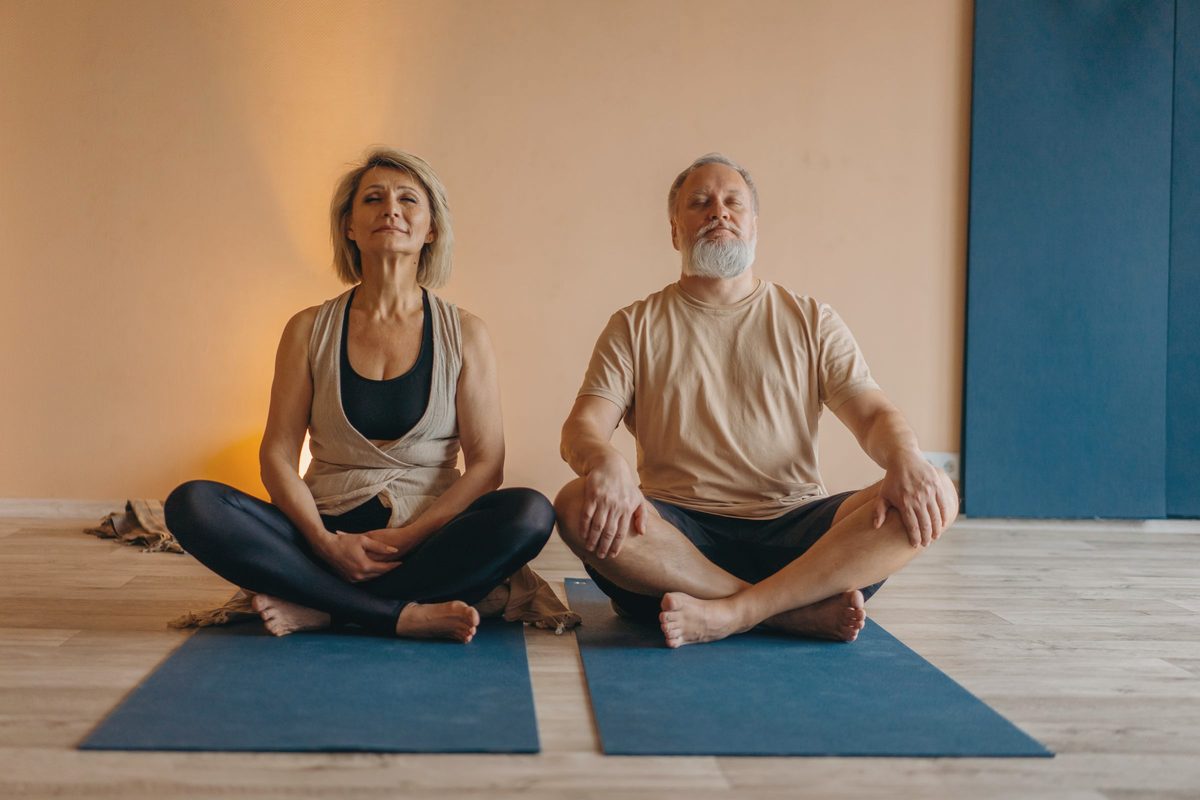
Proprioception is the body’s ability to sense its own position in space without needing to look. It’s what allows you to touch your nose with your eyes closed, walk down a dark hallway without falling into the wall, or adjust your footing on uneven ground before you’ve consciously registered the change in terrain.
This sense relies on specialised receptors embedded in muscles, tendons, and joints. These receptors continuously send signals to the brain about muscle length, tension, and joint angle. The brain integrates this stream of information with signals from the vestibular system in the inner ear (which tracks head position and movement) and visual input from the eyes. Balance, in other words, is not one sense but a coordinated system of three, constantly cross-checking each other many times per second.
Why Balance Changes With Age
Each of the three systems that contribute to balance can be affected by ageing, and rarely at the same rate or in the same way for any two people.
Proprioceptive sensitivity tends to decline gradually, meaning the signals from joints and muscles become slightly less precise over time. The vestibular system’s hair cells, responsible for detecting motion in the inner ear, can also reduce in number. Vision changes, such as reduced contrast sensitivity or slower adaptation to changes in lighting, remove another layer of information the brain would otherwise use to fine-tune posture.
Muscle strength and reaction time matter too. Even when the sensory information is accurate, the body needs enough strength and speed to actually correct a stumble before it becomes a fall. This is one of the reasons researchers studying healthy ageing often look at balance, strength, and reaction time together rather than in isolation.
The Role of Muscle and Movement
Because proprioceptive receptors live in muscle and connective tissue, maintaining muscle mass and joint mobility isn’t just about strength for its own sake — it directly supports the sensory side of balance as well. This is part of why exercise programs aimed at older adults so often combine resistance training with balance-specific drills, rather than treating them as separate goals.
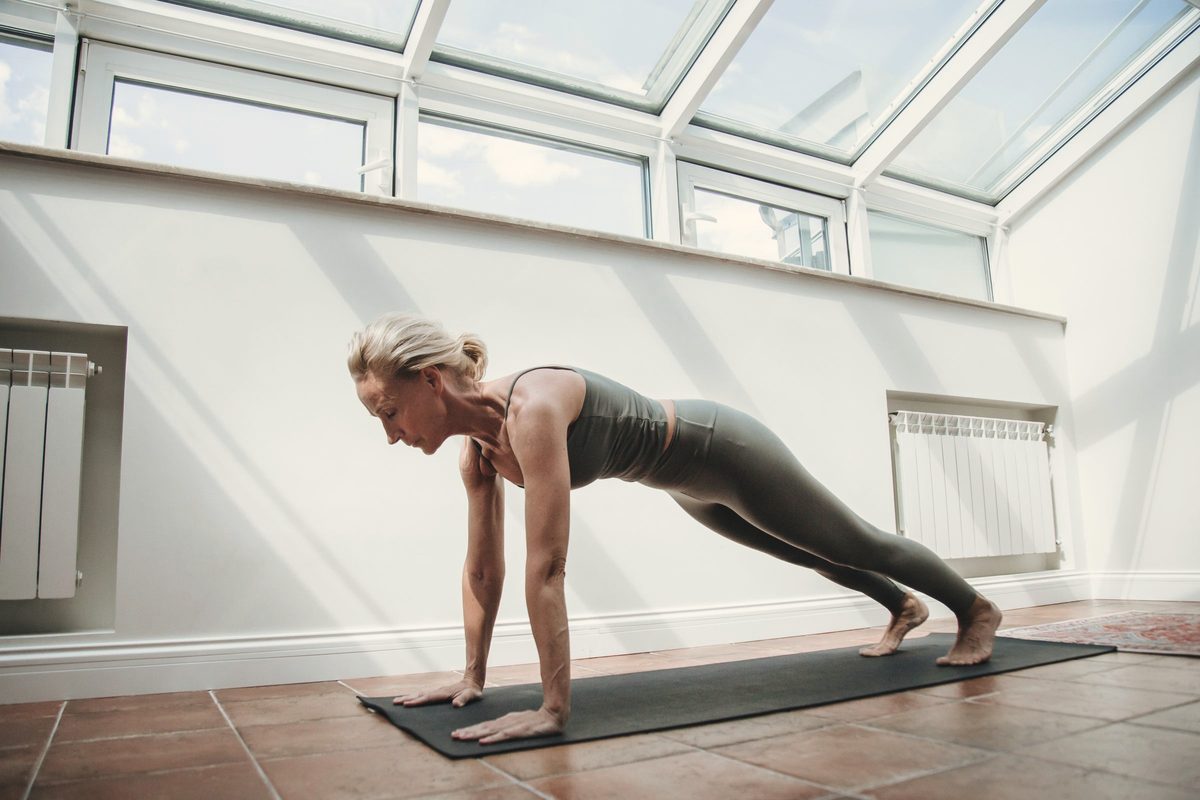
Activities that challenge balance in a controlled way — standing on one leg, walking heel-to-toe, or practices like tai chi that involve slow, deliberate weight shifts — give the nervous system repeated opportunities to refine its proprioceptive feedback loops. Research in this area consistently points to balance as a trainable skill, not a fixed trait that only declines over time.
Everyday Factors That Influence Fall Risk
Beyond the biological systems involved, a number of everyday factors can compound balance changes:
- Lighting — dim or uneven lighting removes visual cues the brain relies on, particularly at night.
- Footwear — unstable or poorly fitted shoes reduce the accuracy of proprioceptive feedback from the feet.
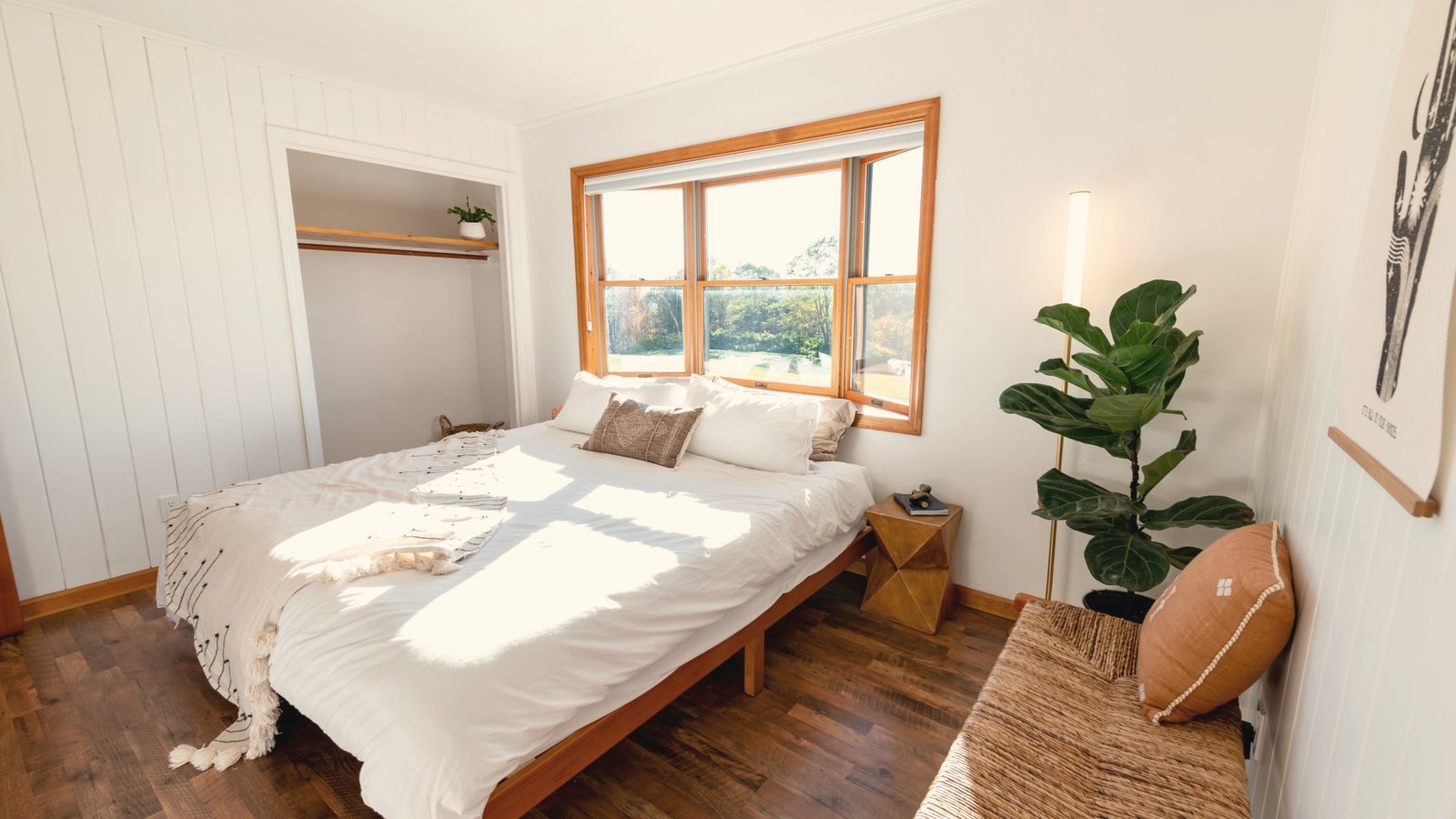
- Home environment — loose rugs, clutter, and poor stair lighting are among the most commonly cited hazards in falls research.
- Divided attention — balance requires more conscious processing as we age, so tasks like talking on the phone while walking can meaningfully affect stability.
None of these factors act alone. Fall risk is best understood as the sum of sensory, muscular, and environmental factors interacting at once, which is why fall-prevention research tends to favour multi-pronged approaches over single fixes.
Why This Is a Whole-of-Health Conversation
Balance doesn’t exist in isolation from the rest of the body’s systems. Sleep quality, cardiovascular health, medication side effects, and even hydration can all influence dizziness, reaction time, and coordination. This is one of the reasons ongoing, unhurried conversations with a healthcare provider are valuable as people age — balance changes are rarely a single-issue problem, and a broader view of a person’s health often reveals connections that a narrow focus on one symptom would miss.
For anyone noticing changes in their balance, coordination, or confidence while walking, a conversation with a healthcare provider is a reasonable next step, not a sign that something has gone seriously wrong. Balance changes exist on a spectrum, and early attention tends to be far more useful than waiting for a fall to prompt the conversation.
Frequently Asked Questions
Is losing some balance as I age unavoidable?
Some decline in proprioceptive and vestibular sensitivity is a typical part of ageing, but the rate and impact of that decline varies enormously between individuals, and many contributing factors respond well to attention and activity.
Can balance actually be trained, or is it fixed?
Balance relies on neural feedback loops that respond to practice, much like any other trainable system in the body. Structured balance exercises are a well-studied area of healthy ageing research for exactly this reason.
What’s the difference between proprioception and the vestibular system?
Proprioception tracks the position of muscles and joints; the vestibular system, located in the inner ear, tracks head movement and orientation. Balance depends on the brain combining both, along with visual input, into one coherent sense of position.
Understanding the systems behind balance is a useful starting point for anyone thinking about long-term health and independence. A comprehensive, unhurried conversation with a healthcare provider can help connect the dots between balance, general health, and day-to-day wellbeing.