The human mind processes approximately 11 million bits of information every second, yet only 40 bits reach conscious awareness. Within this vast unconscious processing lies an untapped resource: the brain’s remarkable ability to translate imagined colour into measurable physiological and psychological changes. For individuals navigating the complexities of modern stress, anxiety, and emotional dysregulation, complementary approaches offer valuable resources. What if the answer lies not in doing more, but in seeing differently? Colour meditation represents a convergence of ancient wisdom and contemporary neuroscience—a practice where visualised hues become catalysts for neuroplasticity, emotional regulation, and profound healing.
What Is Colour Meditation and How Does It Work Neurologically?
Colour meditation constitutes an evidence-informed complementary practice that combines colour psychology, visualisation techniques, and mindfulness meditation to induce states of relaxation, healing, and heightened awareness. Unlike traditional breath or mantra-based meditation, colour meditation permits the natural emergence of colours without conscious direction, allowing the mind to enter what Norwegian University of Science and Technology researchers term a ‘nondirective’ or ‘relaxed attention’ state.
The neurobiological mechanisms underlying colour meditation begin with fundamental visual processing. When light enters the eye, it passes through the cornea and lens, creating an image on the retina containing photoreceptor cells—rods and cones. Three cone cell types respond to blue (short wavelengths, 390 nanometres), green (medium), and red-yellow (long wavelengths, 720 nanometres) light waves. This visual information converts to electrical signals transmitted via the optic nerve to the lateral geniculate nucleus of the thalamus and subsequently to the primary visual cortex.
Neuroimaging studies employing functional magnetic resonance imaging (fMRI) demonstrate that mental imagery activates the same neural pathways as actual visual perception. During deep meditation with visual imagery, electroencephalogram (EEG) recordings reveal robust increases in occipital gamma power (30-70 Hz), with significantly higher gamma during visual experiences compared to non-visual states. This finding confirms that imagined colours produce equivalent brain activation patterns to physically observed colours—a phenomenon central to understanding colour meditation’s therapeutic potential.
Research on structural brain changes following mindfulness-based practices reveals measurable alterations within eight weeks of consistent practice. These include increased grey matter concentration in the left hippocampus (critical for memory and emotional processing), enhanced cortical thickness in the right insula and somatosensory cortex, and increased brain volume in the anterior cingulate cortex, prefrontal regions, precuneus, and thalamus. Long-term practitioners demonstrate decreased activity in the default mode network—brain regions associated with mind-wandering and self-referential thought—resulting in enhanced present-moment awareness and reduced rumination.
The principle of neuroplasticity—the brain’s capacity to reorganise itself in response to mental activity—underpins colour meditation’s effectiveness. When practitioners repeatedly visualise specific colours whilst in meditative states, they strengthen neural pathways connecting visual processing centres with emotional regulation systems and the prefrontal cortex. This strengthening enables more efficient emotional regulation and stress response modulation over time.
How Do Different Colours Affect Cognitive Performance and Emotional States?
The relationship between colour wavelengths and psychological responses demonstrates remarkable consistency across diverse populations and experimental conditions. Comparative research examining 70 participants exposed to different coloured backgrounds whilst performing cognitive tasks reveals specific patterns of arousal and impulsivity associated with each hue.
Green consistently produces the highest arousal states in cognitive testing, correlating with optimal performance on logical and lateral thinking tasks. Participants viewing green backgrounds demonstrate fastest response times, lowest error rates, and enhanced focus. These findings align with green’s traditional association in contemplative practices with balance, healing, and centring.
Blue, characterised by short wavelengths, produces profound calming effects whilst maintaining alertness. Physiologically, blue exposure reduces blood pressure and heart rate, improves reaction time, and enhances general mood during daytime hours. In various settings, blue and complementary colour therapies have demonstrated statistically significant calming effects and anxiety reduction. However, blue light exposure during evening hours suppresses melatonin production, potentially disrupting circadian rhythms and sleep quality.
Red wavelengths stimulate physical arousal, increasing heart rate and circulation. In cognitive performance contexts, red produces high impulsiveness—faster response times accompanied by higher error rates—making it potentially counterproductive for tasks requiring careful deliberation but beneficial for short bursts of intensive physical activity.
Yellow evokes cheerful, optimistic feelings whilst inducing low arousal states characterised by slower response times but lower error rates. This combination suggests yellow’s utility for tasks requiring careful, methodical attention rather than rapid decision-making. Purple and violet produce the slowest response times and highest error rates among colour options, indicating lowest arousal states. These hues prove valuable for reflective, introspective practices rather than performance-oriented tasks.
The distinction between warm colours (red, orange, yellow) and cool colours (blue, green, purple) extends beyond subjective preference to measurable physiological effects. Warm colours increase respiratory movements, eye blink frequency, cortical activation, and palmar conductance—indicators of autonomic nervous system arousal. These effects prove useful for individuals seeking energy activation and vitality. Conversely, cool colours function as physiological tranquillisers, reducing blood pressure, relieving muscular tension, alleviating spasms, and lowering eye blink frequency.
| Colour | Wavelength | Primary Effects | Cognitive Impact | Wellbeing Applications |
|---|---|---|---|---|
| Green | Medium | Highest arousal, enhanced focus | Fastest response times, lowest errors | Concentration enhancement, balance, healing |
| Blue | Short (390nm) | Calming, maintains alertness | Improved attention and reaction time | Anxiety reduction, tranquility, emotional balance |
| Red | Long (720nm) | Stimulating, energising | High impulsiveness, faster responses | Energy enhancement, vitality, vigour |
| Yellow | Medium-long | Cheerful, stabilising | Low arousal, methodical processing | Mood enhancement, joy, tranquility |
| Purple/Violet | Short-medium | Reflective, meditative | Lowest arousal, introspective | Nervous system soothing, contemplation |
| Orange | Medium-long | Optimistic, passionate | Mixed arousal effects | Creativity enhancement, enthusiasm cultivation |
Can Colour Meditation Effectively Reduce Anxiety and Stress?
The efficacy of meditation practices for anxiety reduction has progressed from anecdotal claims to rigorous clinical validation. A landmark 2022 study published in JAMA Psychiatry—the TAME (Treatment of Anxiety with Mindfulness and Exercise) trial—represents a major advancement in understanding meditation’s therapeutic value. This research enrolled 276 adults with diagnosed anxiety disorders for an eight-week intervention period.
Results demonstrated that Mindfulness-Based Stress Reduction (MBSR) produced significant anxiety reduction outcomes. The Clinical Global Impression Scale revealed substantial improvements, with MBSR demonstrating multiple benefits including fewer adverse events, greater reductions in anxiety during laboratory stress challenges, and increased positive self-statements. These benefits maintained at 12-week and 24-week follow-up assessments, establishing meditation’s durability as an intervention.
A 2011 study published in the Journal of Occupational Health Psychology examined ‘mental silence’ oriented meditation amongst 178 workers over eight weeks. Participants in the meditation group demonstrated significant improvements in occupational stress symptoms (p = 0.026) and emotional wellbeing (p = 0.019) compared with relaxation control and wait-list control groups. Notably, participants experiencing mental silence—a state cultivated through colour visualisation and nondirective meditation—reported substantially greater calm and peaceful feelings (correlation coefficient r = 0.78, p < 0.001) and reduced tension and anxiety (r = 0.70, p < 0.001).
Research examining generalised anxiety patterns specifically revealed meditation’s superiority over comparison interventions. Participants receiving MBSR showed significantly greater reductions in anxiety measures (p < 0.05) compared with control groups. When subjected to laboratory stress protocols, MBSR participants demonstrated enhanced resilience and increased positive self-statements under pressure.
A comprehensive 2024 study published in JAMA Network Open examined 1,458 employees at a large academic medical centre, revealing that just 10 minutes of daily digital meditation for eight weeks produced Cohen d = 0.85 reduction in Perceived Stress Scale scores—indicating a strong effect size. Improvements extended to enhanced emotional wellbeing, reduced stress and tension, and decreased emotional distress symptoms. Benefits maintained at four-month follow-up, and analysis revealed dose-dependent effects wherein participants practising at least five minutes daily experienced greater stress reduction than those practising less frequently.
Meta-analysis examining meditation programmes across multiple randomised controlled trials with active controls confirms moderate evidence for anxiety improvement. Eight-week interventions produce effect sizes of 0.38 (confidence interval 0.12-0.64), with sustained effects of 0.22 (confidence interval 0.02-0.43) at three-to-six-month follow-up. These effect sizes prove substantial for non-invasive practices without adverse effects.
The mechanisms underlying anxiety reduction through colour meditation involve multiple neurobiological pathways. Cool colours (blue, green, purple) combined with nondirective meditation reduce physiological arousal markers including blood pressure, heart rate, and stress hormone secretion. Enhanced prefrontal cortex activity improves regulation of the amygdala—the brain’s emotional fear centre—resulting in more measured responses to anxiety triggers. Present-moment awareness cultivated through colour visualisation reduces rumination on past events and future worries, addressing cognitive patterns fundamental to anxiety maintenance.
What Visualisation Techniques Demonstrate Evidence for Healing and Therapeutic Benefits?
Guided imagery—the deliberate recreation of vivid personal mental images, sounds, smells, and tastes—produces measurable therapeutic outcomes across diverse populations. The neurological basis for these effects stems from research demonstrating that mental imagery activates identical brain regions as actual sensory experience, producing equivalent physiological responses. Stress imagery generates stress responses; calming imagery generates relaxation responses.
Clinical evidence for pain management through visualisation proves particularly robust. Mindfulness meditation combined with visualisation decreased discomfort intensity and unpleasantness significantly in controlled trials. Brain imaging revealed increased activity in the orbitofrontal and anterior cingulate cortices—regions central to pain modulation. Mental imagery focusing healing light on affected body areas produced measurable improvements in comfort perception, with individuals reporting reduced tension and enhanced wellbeing.
Visualisation applications for overall health and resilience demonstrate consistent benefits. Individuals employing guided imagery combined with relaxation training exhibited improved emotional states and enhanced quality of life. Practising visualisation and mindfulness reported reduced anxiety and emotional distress, with benefits sustained over extended follow-up periods. Pre-stress anxiety reduction and enhanced emotional resilience occurred consistently across multiple trial contexts.
Emotional healing applications extend to stress management, anxiety, emotional processing, and isolation-related distress. Guided imagery proves particularly helpful for individuals experiencing chronic challenges with comorbid emotional concerns. Clinical applications benefit from professional guidance to ensure appropriate technique selection and personalised adaptation.
Sleep quality and emotional wellbeing demonstrate clinically significant improvements through visualisation practices. Individuals report reduced sleep disturbance, decreased tension, and improved emotional function. General population studies confirm enhanced sleep quality and reduced insomnia through evening visualisation routines employing warm colour tones.
Respiratory and overall wellbeing improvements appear across diverse applications. Post-challenge recovery studies reveal mental imagery enhances adaptation and resilience compared with conventional approaches alone. Diverse populations benefit from reduced stress markers and improved emotional regulation.
The effectiveness of visualisation techniques correlates with regularity of practice rather than session duration, vividness of mental imagery, personal relevance of imagery content, and consistency enabling conditioning effects for self-directed stress management. Practical colour-specific visualisation techniques include imagining blue or green light washing over the body for calm and healing, white healing light focused on specific areas of tension, colour breathing wherein breath carries specific colour energy into the lungs and body, and chakra colour visualisation moving awareness through the body’s energy centres with associated hues.
How Can the Chakra System Enhance Colour Meditation Practice?
The traditional seven-chakra system, whilst originating in Hindu and Yogic traditions without specific colour associations, has evolved through Western interpretation into a comprehensive framework for colour meditation practice. Each chakra represents an energy centre aligned along the spine, traditionally associated with specific colours, anatomical regions, and emotional-spiritual functions.
The Root Chakra (Muladhara), visualised as red, corresponds to the base of the spine and relates to safety, security, physical grounding, and foundation. Meditation practitioners visualise red light at the spine’s base whilst engaging grounding activities and affirmations such as “I am safe and secure.” The Sacral Chakra (Svadhisthana), associated with orange, resides in the lower abdomen approximately four inches above the spine’s base, governing creativity, emotions, pleasure, and joy. Healing approaches include orange light visualisation, creative expression, and self-compassion practices.
The Solar Plexus Chakra (Manipura), represented by yellow, sits above the navel and relates to personal power, confidence, self-esteem, and will. Practitioners visualise yellow light whilst engaging in goal-setting, affirmations of worthiness, and empowering activities. The Heart Chakra (Anahata), visualised as green or pink, occupies the chest’s centre and governs love, compassion, emotional balance, connection, and forgiveness. Heart-centred meditation employing green or pink light visualisation, combined with loving-kindness practices, activates the parasympathetic nervous system and enhances emotional regulation capacity.
The Throat Chakra (Vishuddha), associated with blue, corresponds to the throat area and governs communication, self-expression, authenticity, and truth. Blue visualisation accompanies speaking, singing, and honest self-expression practices. The Third Eye Chakra (Ajna), represented by indigo, sits between the eyebrows at the forehead’s centre, relating to intuition, inner wisdom, insight, and imagination. Indigo light meditation supports mindfulness, dream work, and intuition cultivation.
The Crown Chakra (Sahasrara), visualised as violet or white, occupies the head’s crown and represents spiritual connection, higher consciousness, enlightenment, and unity. Violet or white light visualisation accompanies spiritual practices, contemplation, and meditation.
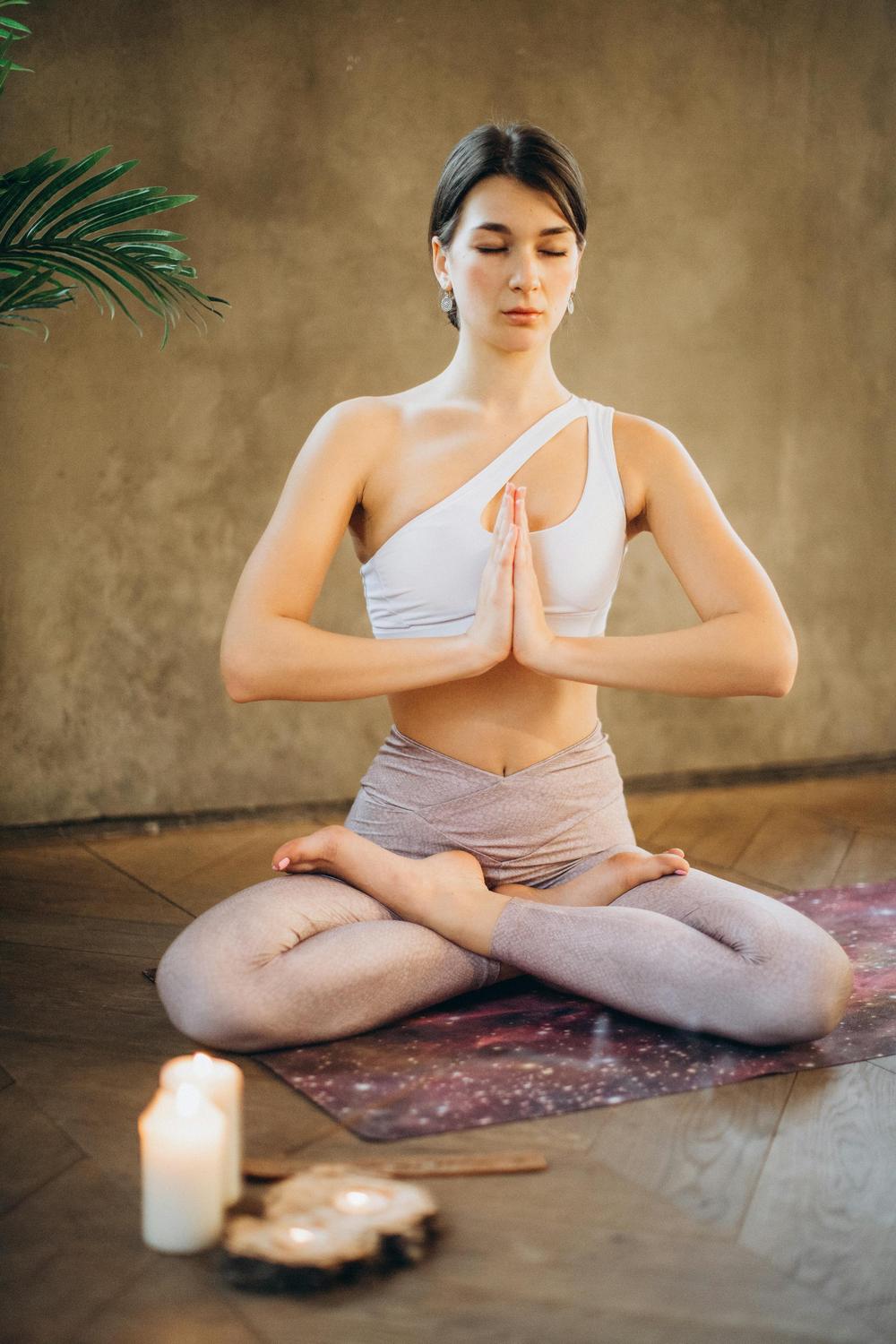
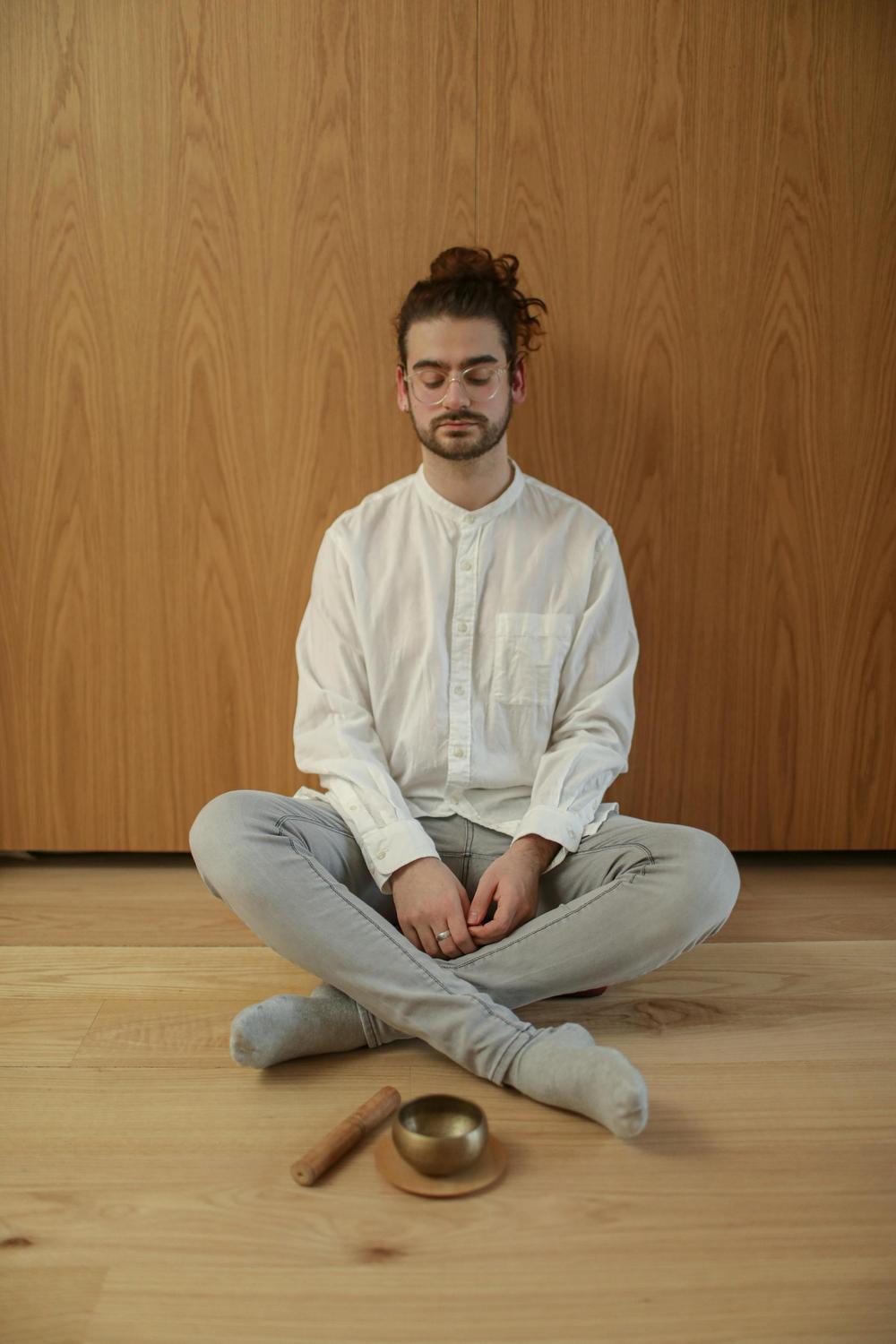
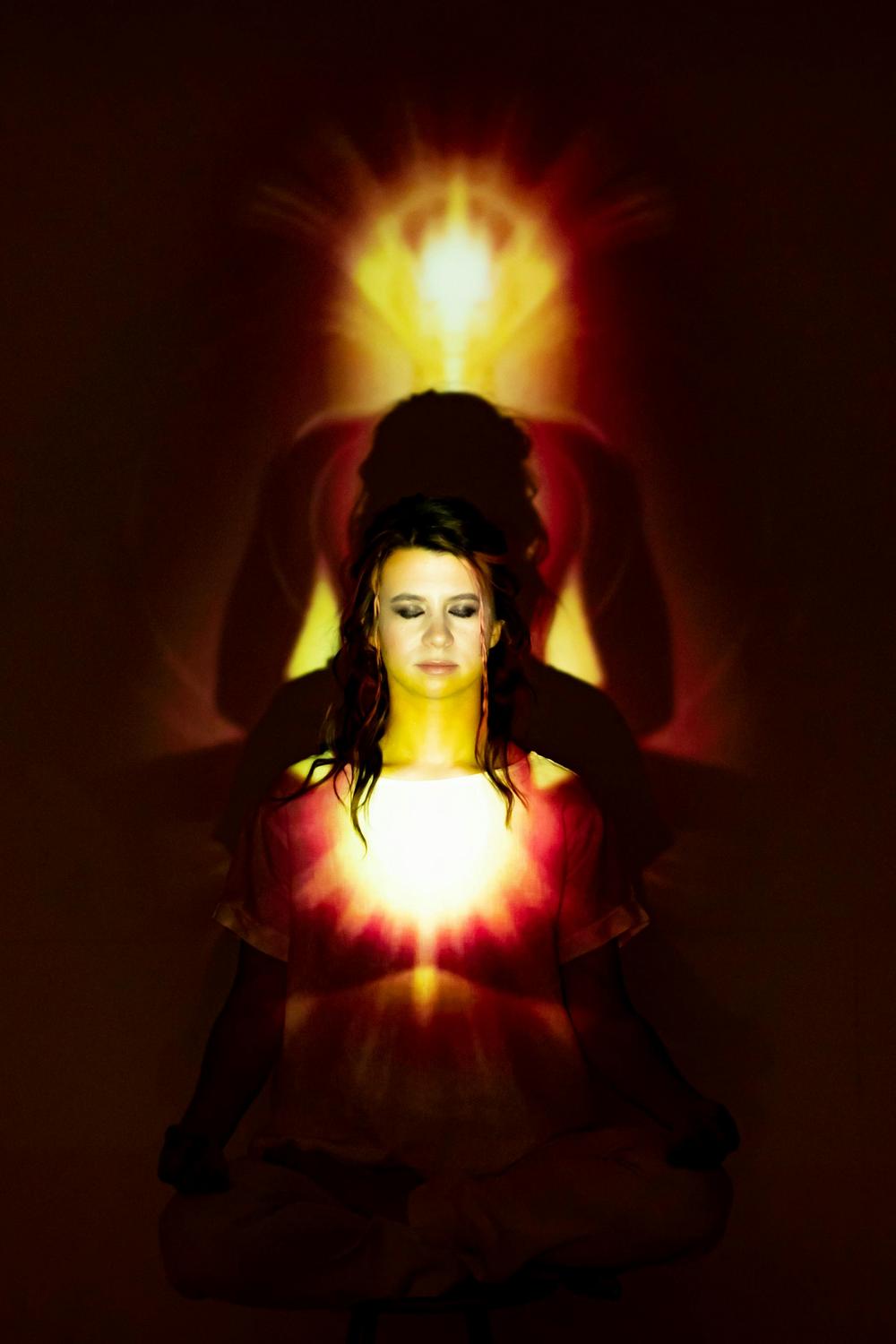
Basic chakra meditation protocol involves sitting comfortably with an erect spine, legs crossed, and hands resting on the knees with palms upward. Practitioners breathe gently and evenly, bringing awareness to the base chakra before spending two to three minutes at each chakra moving upward. Each chakra appears as a spinning wheel or glowing sphere of its associated colour. Practitioners breathe ‘into’ each chakra, imagining vibrant healing energy entering whilst releasing stagnant energy on exhalation. Associated mantras (Lam, Vam, Ram, Yam, Ham, Om, Ah) or affirmations may accompany visualisation. Sessions complete at the crown chakra with silent rest before slowly returning awareness.
Fifteen-to-twenty-minute sessions practised two to five times weekly prove sufficient, with consistency more important than duration. Benefits of chakra balancing include enhanced joy, contentment, peace, heightened energy, improved creativity and enthusiasm, better sleep quality, reduced fatigue, greater self-connection and emotional intelligence, reduced stress and tension, and a sense of wholeness across body-mind-spirit dimensions.
Integrating Colour Meditation into Contemporary Wellness Frameworks
The evolution of colour meditation from ancient contemplative traditions to evidence-based complementary practice reflects broader shifts in wellness philosophy. Australia’s healthcare landscape increasingly recognises meditation and mindfulness as legitimate wellness modalities. Multiple clinical trials conducted at Australian institutions validate meditation’s efficacy, whilst adoption rates continue rising, particularly amongst individuals seeking holistic wellness integration.
Colour meditation’s accessibility represents a significant advantage. Unlike interventions requiring specialised equipment or intensive professional supervision, colour visualisation requires only mental intention and consistent practice. This democratisation of healing modalities empowers individuals to assume active roles in their wellbeing journeys. The practice cultivates present-moment awareness, emotional regulation capacity, and mind-body integration—foundations supporting resilience across diverse life challenges.
Neuroplasticity research confirms that mental training produces structural and functional brain changes comparable to physical training’s effects on musculature. Just as consistent physical exercise strengthens cardiovascular function and builds muscle tissue, regular colour meditation practice enhances neural pathways governing emotional regulation, stress response, and cognitive performance. The dose-dependent nature of these benefits—whereby increased practice frequency correlates with greater improvement—mirrors exercise physiology’s dose-response relationships.
Safety considerations remain minimal. Colour meditation and guided imagery demonstrate excellent safety profiles with rare adverse effects, proving appropriate for children, elderly populations, and most demographic groups. The practice complements conventional wellness approaches without contraindications when practised appropriately. Individuals with trauma history or mental health concerns benefit from working with qualified practitioners to ensure appropriate technique selection, and bright colour exposure, particularly blue light during evening hours, requires mindful timing to prevent sleep disruption.
Practitioner qualifications vary across jurisdictions. The International Association of Colour, affiliated with the British Holistic Medical Association, establishes professional standards. The Academy for Guided Imagery offers professional certification requiring 150-plus hours of training. Licensed psychologists, social workers, nurses, and complementary health practitioners increasingly receive training in these modalities. Prospective practitioners should verify credentials, recognising that standardised licensing remains absent in many regions.
The convergence of colour meditation with comprehensive wellness planning creates synergistic benefits. Colour visualisation supports parasympathetic nervous system activation, aligning with broader stress-reducing wellness objectives. Both meditation and colour practice address emotional regulation and present-moment awareness—capacities fundamental to sustained wellbeing. Non-invasive approaches to emotional wellbeing provide valuable tools that emphasise individual agency, intentionality, and personalised healing pathways.
Understanding the Evidence Base and Future Directions
The trajectory of meditation research has progressed from preliminary observational studies to rigorous randomised controlled trials with active control groups and extended follow-up periods. Meta-analyses examining thousands of participants confirm effect sizes comparable to or exceeding many conventional approaches for anxiety, stress-related conditions, and emotional wellbeing. The combined benefits of sustained wellness improvements without adverse effects, combined with sustained benefits extending months beyond intervention cessation, positions meditation as an important consideration for comprehensive wellbeing approaches.
Virtual reality environments present intriguing possibilities for enhancing colour meditation’s efficacy. Preliminary research suggests VR-enhanced colour experiences may produce greater sensory engagement and deeper meditative states compared with conventional colour exposure, though this remains an emerging area requiring additional investigation. Digital delivery platforms enable widespread accessibility to guided meditation programmes, with smartphone applications, online courses, and telehealth consultations removing geographical barriers.
Mechanistic understanding continues advancing through sophisticated neuroimaging techniques. Diffusion tensor imaging elucidates white matter tract changes following meditation practice, whilst resting-state functional connectivity analyses reveal altered communication patterns between brain networks. Electroencephalography studies examining frequency-specific oscillatory activity during colour visualisation provide insights into consciousness states underlying therapeutic effects.
Individual variability in response to colour meditation warrants acknowledgement. Whilst group-level statistics demonstrate significant benefits, not all individuals respond identically. Factors influencing response include baseline emotional state, trauma history, genetic predispositions affecting visual processing, cultural background influencing colour symbolism interpretation, and consistency of practice. Personalisation of colour selection, visualisation techniques, and practice duration optimises outcomes for individual practitioners.
The distinction between colour perception and colour meditation’s psychological effects deserves clarification. Colour’s direct influence on mood and cognition operates through well-established neuropsychological and physiological mechanisms. Colour meditation’s psychological and neurobiological effects demonstrate reproducible outcomes across multiple research contexts. The mechanism involves not mystical energy transfer but rather well-established principles of neuroplasticity, emotional regulation, and stress physiology activated through focused mental imagery.
Future research directions include comparative effectiveness studies examining colour meditation against other mindfulness modalities, investigation of optimal practice parameters (frequency, duration, timing), exploration of combination approaches integrating colour meditation with other complementary practices, examination of long-term practitioners revealing neural and psychological changes over years or decades, and identification of factors predicting individual response patterns.
Colour meditation bridges ancient contemplative wisdom and contemporary neuroscience, offering an accessible, evidence-based practice for enhancing emotional regulation, reducing stress and anxiety, and cultivating holistic wellbeing. The neuroplasticity underlying these benefits—measurable structural and functional brain changes occurring within weeks of consistent practice—validates colour visualisation as a legitimate wellness modality. From green’s cognitive enhancement properties to blue’s calming effects, from chakra-based visualisation systems to guided imagery protocols, colour meditation provides diverse pathways for individuals seeking effective approaches to emotional wellbeing. As Australia’s healthcare landscape continues embracing integrative modalities, colour meditation stands poised to occupy an increasingly central role in comprehensive wellness frameworks that honour the profound interconnection between mind, body, and consciousness.
Looking to discuss your health options? Speak to us and see if you’re eligible today.
What is the optimal duration and frequency for colour meditation practice?
Research demonstrates that consistency matters more than session duration. Studies showing significant benefits employed 10-minute daily sessions over eight weeks, while other protocols used 15-20 minute sessions two to five times weekly. Dose-dependent effects suggest that practising at least five minutes daily produces greater benefits than less frequent practice. Beginners might commence with 5-10 minute sessions three to four times weekly, gradually extending duration as comfort and capacity develop. The key lies in establishing sustainable routines rather than intensive but unsustainable practice.
Can colour meditation replace other wellness approaches?
Colour meditation functions optimally as a complementary approach within comprehensive wellness frameworks rather than as a complete replacement for other practices. Research demonstrates its value as an evidence-based tool that enhances emotional regulation capacity, reduces stress, and supports overall wellbeing alongside other wellness modalities. Individual circumstances vary, and balanced approaches incorporating multiple supportive practices typically yield optimal outcomes.
How quickly can practitioners expect to experience benefits from colour meditation?
Individual experiences vary, but some practitioners report immediate relaxation and stress reduction following initial sessions. Measurable improvements in emotional wellbeing often become statistically significant within eight weeks of consistent practice, with structural brain changes such as increased grey matter emerging in the same timeframe. Sustained benefits, maintained at three-to-six-month follow-up, develop through regular practice.
Which colours prove most effective for specific emotional states or goals?
Research reveals colour-specific effects aligned with traditional associations. For example, green is associated with optimal focus and cognitive performance; blue promotes calmness and reduces anxiety; red is energising but may increase impulsivity; yellow supports stable, methodical processing; while purple facilitates introspection. Generally, cool colours (blue, green, purple) tend to reduce physiological arousal, whereas warm colours (red, orange, yellow) increase activation. Personal resonance with specific colours should guide selection alongside evidence-based guidelines.
Are there any safety concerns or contraindications for colour meditation practice?
Colour meditation demonstrates an excellent safety profile with minimal adverse effects, making it suitable for diverse populations including children and the elderly. However, individuals with a history of trauma should work with qualified practitioners to ensure appropriate technique, and practitioners should be mindful of bright blue light exposure during evening hours as it may disrupt sleep. Overall, colour meditation is best used as a complementary practice alongside other wellness approaches.