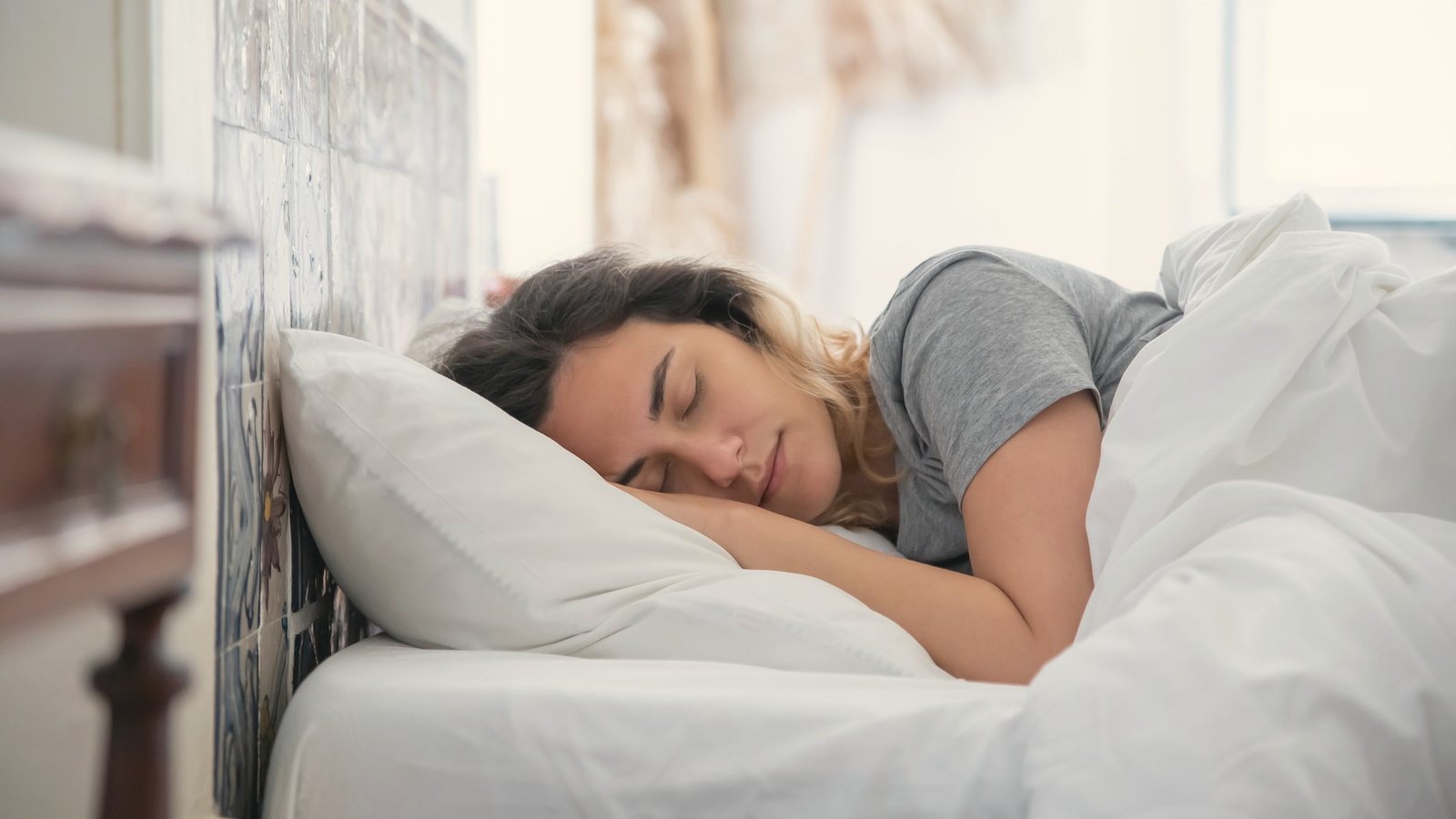

For much of the twentieth century, napping carried a faint stigma in Western workplace culture — a habit associated with laziness rather than good physiology. Sleep science tells a different story. A short daytime rest is a normal feature of human biology, shaped by the same internal systems that govern night-time sleep. Understanding how naps work, and when they help or hinder, makes it easier to use them well rather than by accident.

Why the Body Wants to Rest in the Afternoon
Human alertness is not a flat line through the day. It is shaped by two interacting processes: a build-up of “sleep pressure” the longer you are awake, and a circadian rhythm that separately raises and lowers alertness on a roughly 24-hour cycle. These two processes usually keep most adults reasonably alert from morning until evening, but they do not move in perfect lockstep. In the early-to-mid afternoon, the circadian signal for wakefulness dips just as sleep pressure is still building from the morning. The result, for many people, is a natural trough in alertness — often called the “post-lunch dip” — that has more to do with body clock biology than with what was eaten at lunch.
A short nap taken during this window works with the body’s rhythm rather than against it, offering a way to offset the temporary dip without drawing heavily on the deeper sleep drive reserved for the coming night.
What Happens in the Brain During a Nap
Sleep is not a single state; it moves through stages, from light sleep into deeper, slow-wave sleep, and eventually into REM sleep. During a short nap, the brain typically spends most of its time in lighter stages, though slow-wave sleep can begin to appear if the nap runs longer. Light sleep is associated with a kind of mental “housekeeping” — filtering sensory input, consolidating recent information, and easing the nervous system out of the on-alert state associated with sustained wakefulness. This is part of why even a brief rest, without ever reaching deep sleep, can leave people feeling noticeably clearer.
Sleep Inertia: Why Some Naps Backfire
Anyone who has woken from a nap feeling groggier than before it started has experienced sleep inertia — the transitional fog that follows waking, particularly when waking occurs from deep, slow-wave sleep. Because slow-wave sleep becomes more likely the longer a nap continues, naps that stretch past roughly 30 minutes carry a higher chance of ending mid-cycle, in deep sleep, which is exactly when inertia is most pronounced. This is one of the more counterintuitive findings in sleep research: a longer nap does not reliably produce a better outcome, and can sometimes leave a person feeling worse than if they had not napped at all.
Sleep inertia typically fades within a short period after waking, but it explains why naps are best planned around, rather than squeezed into, a demanding schedule.
How Long Is Long Enough?
Sleep researchers generally describe a short nap — often in the range of ten to twenty minutes — as the version most likely to restore alertness quickly, since it tends to stay within lighter sleep stages and allows for an easier awakening. Longer naps, sometimes referred to as “full-cycle” naps because they allow a more complete progression through the sleep stages including REM, can offer more substantial recovery benefits but take considerably more time and are more likely to affect night-time sleep if taken too late in the day. There is no single ideal nap length that suits everyone; individual sleep needs, age, and how much sleep debt a person is carrying all play a role.

Timing Matters as Much as Duration
A nap taken too close to bedtime can reduce the pressure to fall asleep at night, making it harder to drift off or maintain deep sleep later. Sleep scientists generally point to the early-to-mid afternoon as the window least likely to interfere with night-time rest, since it aligns with the natural circadian dip described earlier while still leaving enough hours before bedtime for sleep pressure to rebuild. For people managing insomnia or fragmented night-time sleep, a clinician may advise limiting or avoiding daytime naps altogether, since reducing daytime sleep can help concentrate sleep drive into the night.
Napping Is Not a Substitute for Consistent Night-Time Sleep
It is worth being clear about what naps can and cannot do. A short rest can temporarily ease sleepiness and support alertness, but it does not fully substitute for the restorative processes that occur across a full night of sleep, including extended periods of deep and REM sleep that a short nap rarely reaches. Chronic short sleep at night is better addressed by improving night-time sleep habits and routines than by compensating with daytime naps alone. If sleepiness, fatigue, or disrupted sleep are persistent rather than occasional, it is worth discussing with a healthcare provider, since ongoing sleep disruption can have a number of underlying causes worth investigating properly.
Frequently Asked Questions
Is it bad to nap every day?
Not inherently. For many people, a short, well-timed nap fits comfortably into a healthy routine. It becomes more worth examining if daily napping is driven by ongoing daytime sleepiness despite adequate opportunity for night-time sleep, which can be a sign worth discussing with a healthcare provider.
Why do I sometimes wake from a nap feeling worse than before?
This is usually sleep inertia, which is more likely when a nap runs long enough to reach deep, slow-wave sleep. Keeping naps shorter, or timing them earlier in the afternoon, can reduce how often this happens.
Does caffeine before a nap help or hurt?
Some people deliberately have a coffee immediately before a short nap, since caffeine typically takes around twenty minutes to take effect — timed so it starts working right as the nap ends. This is a personal strategy rather than a universal recommendation, and its effects vary from person to person.