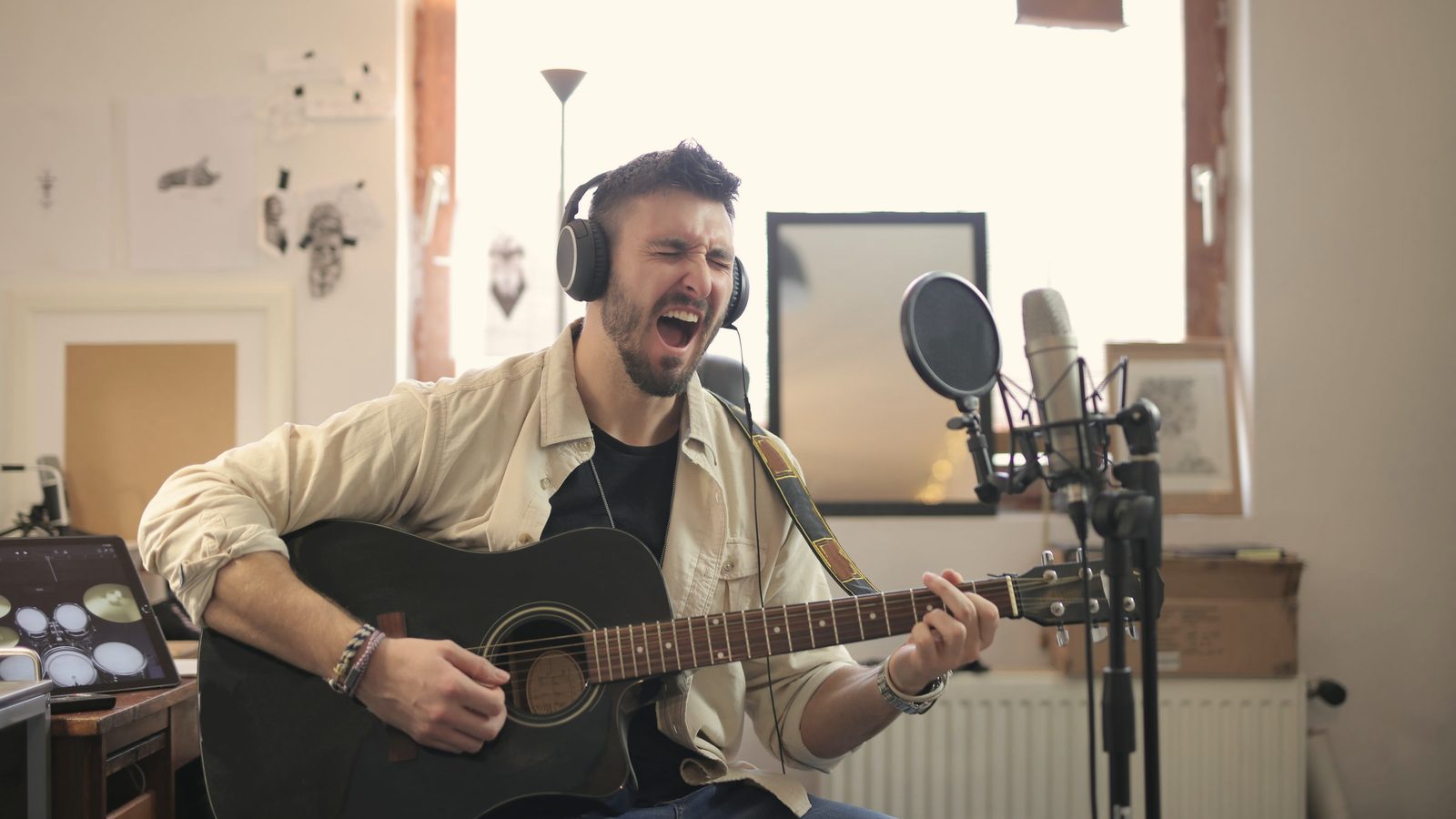
There is a particular quality to certain stretches of time: hours that pass without the usual friction of self-monitoring, where attention locks onto a task so completely that the clock seems to disappear. Psychologists call this flow state, and decades of research suggest it is one of the more reliable predictors of both performance and subjective wellbeing. Understanding what flow actually is, and how it arises, offers a useful lens for thinking about attention, motivation, and mental health more broadly.
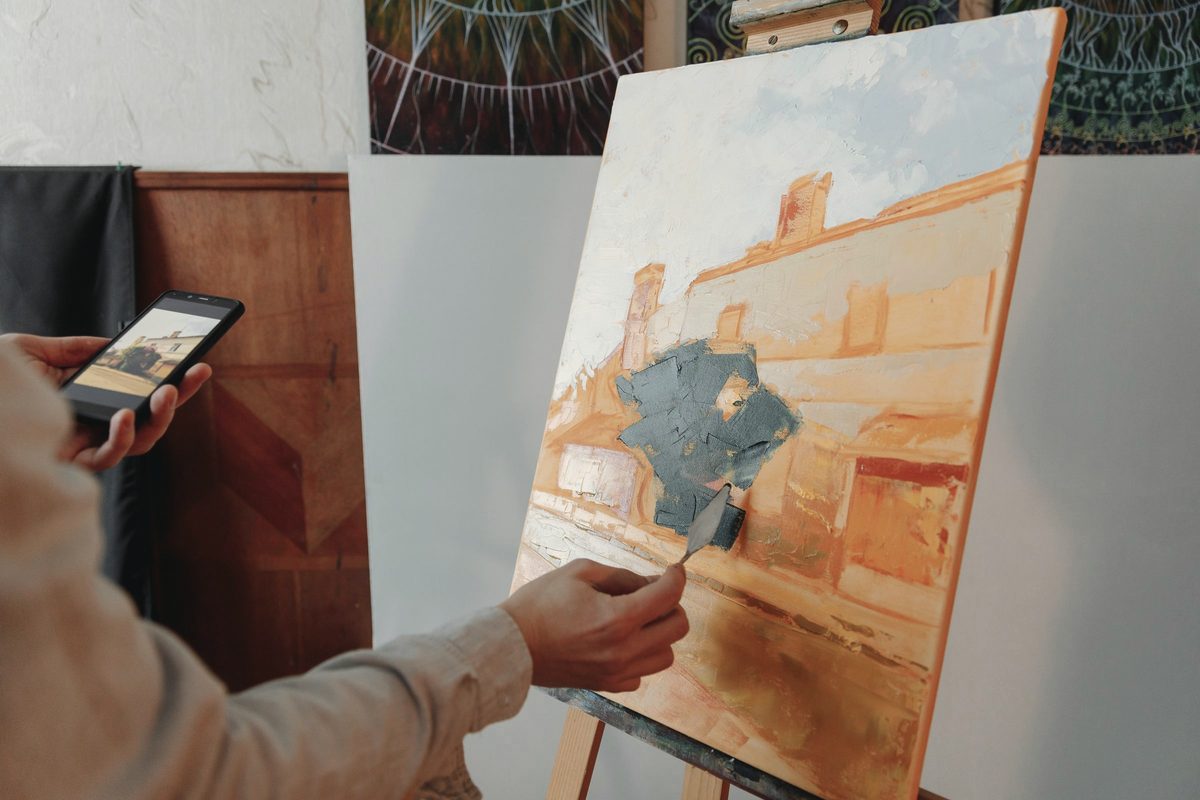
What Is Flow State?
The concept was formalised by the psychologist Mihaly Csikszentmihalyi, who spent much of his career studying what he called “optimal experience” — the state people described when asked about the moments they felt most alive, focused, and satisfied. Across interviews with surgeons, rock climbers, chess players, and assembly-line workers, a consistent pattern emerged. People in flow reported intense concentration on the present moment, a merging of action and awareness, a loss of self-conscious rumination, a sense that time was distorted, and a feeling that the activity was intrinsically rewarding, regardless of any external outcome.
Flow is not simply enjoyment or relaxation. It typically involves effort, skill, and a degree of controlled challenge. This is part of what distinguishes it from passive states like watching television, which can feel pleasant but rarely produces the same sense of engagement or downstream satisfaction.
The Challenge-Skill Balance
Central to Csikszentmihalyi’s model is the relationship between the difficulty of a task and a person’s perceived skill level. When challenge significantly exceeds skill, the likely result is anxiety. When skill significantly exceeds challenge, the likely result is boredom. Flow tends to emerge in the narrower zone where challenge and skill are closely matched and both are relatively high — a task demanding enough to require full attention, but not so demanding that it triggers a stress response.
This helps explain why flow can be elusive in modern working life. Many roles involve either repetitive tasks that under-use a person’s ability, or unpredictable demands that regularly exceed it, with few opportunities to work steadily in the zone where the two are matched.
What Happens in the Brain
Neuroscientific interest in flow has grown alongside the psychological research, though the picture is still developing. One influential idea is “transient hypofrontality” — the hypothesis that during deeply absorbed states, activity in parts of the prefrontal cortex associated with self-monitoring and self-referential thought temporarily decreases. This is sometimes offered as an explanation for the reduced self-consciousness and altered sense of time that people in flow commonly report, though researchers continue to debate the precise mechanisms involved and caution against over-simplified brain-region explanations for a state this complex.
What is better established is the behavioural signature: sustained, effortless-feeling attention, reduced distractibility, and a preference for repeating flow-inducing activities even without external reward. This last point is notable, because it suggests flow itself functions as a kind of intrinsic motivator, distinct from the pursuit of praise, money, or status.

Why Flow Matters for Wellbeing
Flow research sits within the broader field of positive psychology, which examines the conditions that allow people to function well, rather than focusing solely on dysfunction. Regularly experiencing flow has been associated in the literature with higher reported life satisfaction, a stronger sense of purpose, and better engagement at work and in creative or physical pursuits. People who structure more of their time around activities that reliably produce flow — whether that is a craft, a sport, a musical instrument, or focused professional work — tend to describe their lives as more meaningful, independent of how much leisure or passive relaxation they get.
Flow is also a useful counterpoint to the common assumption that wellbeing is mainly about comfort and the absence of stress. Csikszentmihalyi’s research suggested the opposite: many of people’s most satisfying moments occur during voluntary effort toward a goal, under conditions of manageable difficulty, rather than during rest. This does not mean rest and recovery are unimportant — both remain essential — but it does suggest that engagement and challenge deserve a place alongside relaxation in how people think about a well-lived day.
How to Cultivate More Flow
Flow cannot be forced, but several conditions make it more likely to occur.
Clear goals. Activities with a well-defined objective — finishing a section, reaching a landmark, solving a specific problem — give attention something concrete to organise around.
Immediate feedback. Knowing quickly whether an action is working, whether from a scoreboard, a visible result, or the response of a collaborator, helps sustain the tight feedback loop that flow depends on.
Matched difficulty. Deliberately adjusting a task’s difficulty — taking on a slightly harder piece of music, a more technical route, a more ambitious piece of writing — as skill improves helps keep challenge and ability in balance.
Minimised interruption. Notifications and context-switching are particularly disruptive to flow, since the state depends on sustained, uninterrupted attention. Even brief interruptions can require several minutes of re-engagement before deep focus returns.
A genuine interest in the activity itself. Flow is more reliably found in tasks people find inherently engaging, rather than ones undertaken purely for an external reward.
None of these conditions guarantee flow on any given day — mood, sleep, and stress levels all play a part — but structuring more activities around them tends to increase how often flow-like states occur.
Frequently Asked Questions
Is flow state the same as mindfulness?
They overlap but are not identical. Mindfulness generally involves open, non-judgemental awareness of the present moment, often without a specific external task. Flow involves absorbed engagement with a particular activity and is closely tied to skill and challenge. Both involve present-moment attention, but flow is task-directed in a way mindfulness practice typically is not.
Can anyone experience flow, or does it require a special talent?
Flow has been documented across an extremely wide range of activities and skill levels, from elite athletes to hobbyist gardeners. What matters more than raw talent is the match between the difficulty of the task and the person’s current ability, along with clear goals and feedback.
Why does flow feel harder to reach as an adult?
Many adult environments are structured around interruption — notifications, multitasking, and externally imposed deadlines — which work against the sustained, uninterrupted attention flow requires. Deliberately setting aside blocks of time for a single, appropriately challenging activity can make flow more accessible.
Attention is one of the more finite resources people manage day to day, and flow research offers a practical reminder that how that attention is directed matters as much as how much of it is available. Building in regular opportunities for focused, appropriately challenging activity — whatever form that takes for a given person — is a small, evidence-informed step toward a more engaged and satisfying daily life.
If you’re looking to better understand your own health and wellbeing and whether a telehealth consultation could help, CannElevate offers a short online pre-screening to help you get started.