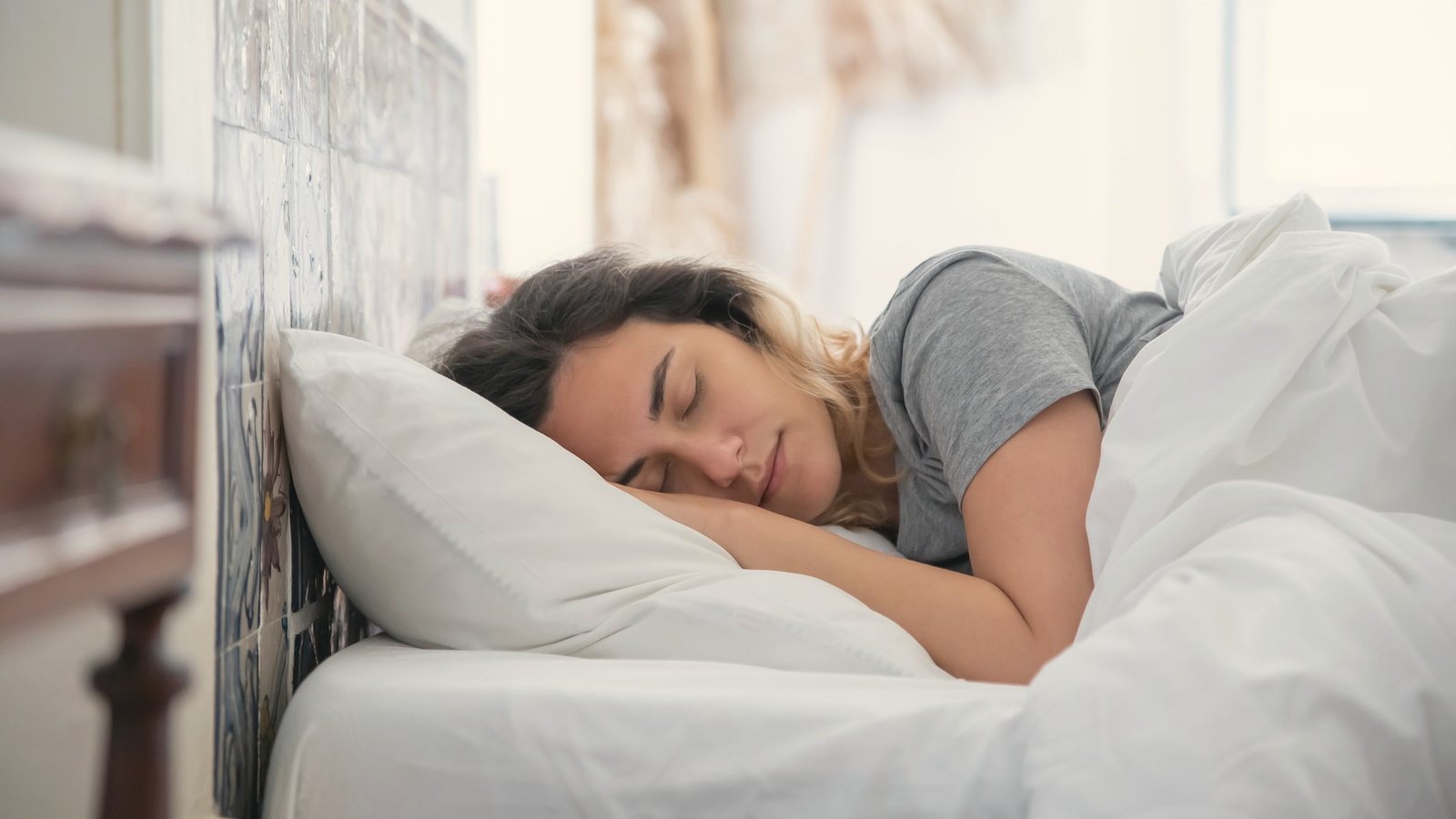

Most people spend roughly a third of their life asleep, yet few give much thought to the conditions that make that sleep restorative rather than restless. Sleep hygiene is the umbrella term researchers use for the everyday habits and environmental factors that influence how well, and how consistently, we sleep. It is not a single trick but a collection of small, evidence-informed adjustments that work together to support the body’s natural sleep-wake system.

What Sleep Hygiene Actually Means
The term can sound clinical, but the concept is simple: sleep is a biological process governed by two interacting systems — the circadian rhythm, which tracks roughly a 24-hour cycle in response to light and darkness, and sleep pressure, which builds the longer we stay awake. Sleep hygiene practices are, at their core, ways of keeping these two systems working with each other instead of against each other. When bedtime, light exposure, and daily activity are inconsistent, the signals the brain relies on to time sleep become blurred, which can make falling asleep and staying asleep harder even when a person feels tired.
Consistency Is the Foundation
Of all the habits associated with better sleep, a stable sleep-wake schedule is consistently highlighted as one of the most influential. Going to bed and waking up at similar times each day, including on weekends, helps reinforce the circadian rhythm’s internal clock. Large shifts in sleep timing across the week — sometimes called social jet lag — can leave the body in a state similar to mild jet lag, even without travel. This is one reason shift workers and people with highly irregular schedules often report more fragmented sleep: their internal clock receives conflicting cues about when day and night are supposed to begin.
Light Exposure and the Body Clock
Light is the single strongest cue the circadian system uses to stay aligned with the external day. Morning exposure to natural light helps signal wakefulness and supports the timely release of melatonin later that evening. Conversely, bright light in the hours before bed — particularly from screens held close to the face — can delay the body’s natural signal to wind down. This does not mean screens must be avoided entirely, but many sleep researchers suggest dimming environments and reducing direct light exposure in the hour or two before sleep as a practical, low-effort adjustment.
The Role of the Sleep Environment
A cool, dark, and quiet room is repeatedly identified in sleep research as supportive of the transition into deeper sleep stages. Core body temperature naturally drops as part of the process of falling asleep, and a bedroom that is too warm can work against this. Similarly, unpredictable noise can trigger brief arousals that fragment sleep architecture without a person fully waking or remembering it the next morning. Simple measures — blackout curtains, comfortable bedding, or consistent white noise — are often enough to reduce these disruptions.

Daytime Habits Matter Too
Sleep hygiene is not confined to the bedroom. Regular physical activity during the day is associated with improved sleep quality, though vigorous exercise very close to bedtime can be stimulating for some people. Caffeine has a half-life of several hours, meaning an afternoon coffee can still be affecting the nervous system well into the evening for many individuals. Long or late daytime naps can also reduce the sleep pressure that builds throughout the day, making it harder to fall asleep at night. None of these factors act in isolation — they combine over the course of a day to shape how easily sleep arrives.
Winding Down: The Pre-Sleep Routine
The transition from an alert, active state to a sleep-ready one is not instantaneous. A consistent pre-sleep routine — whether that involves reading, gentle stretching, or a period of quiet reflection — gives the nervous system time to shift out of a heightened state. Repeating similar cues each night can also create a learned association between those activities and sleep onset, which is part of why sudden changes in routine, such as travel or unfamiliar environments, often disrupt sleep even when nothing else has changed.
When Good Habits Aren’t Enough
It’s worth noting that sleep hygiene practices are supportive measures, not a guaranteed fix for every sleep difficulty. Persistent trouble falling or staying asleep can have many contributing factors, and general lifestyle adjustments are only one part of a broader picture of health. Understanding the science behind sleep is a useful starting point for anyone wanting to make informed decisions about their own wellbeing and to have more productive conversations with a healthcare professional if sleep difficulties continue.
Frequently Asked Questions
Is it true that everyone needs exactly eight hours of sleep?
Sleep needs vary between individuals and change across the lifespan. General guidance from sleep health bodies suggests a broad range for adults, but the more useful marker is how rested and functional a person feels during the day, rather than hitting an exact number.
Can changing my sleep habits make a difference quickly?
Some effects, like reduced screen exposure before bed, may be noticeable within days, while circadian rhythm adjustments — such as shifting a very irregular schedule — tend to take longer, often one to two weeks of consistency, to show their full effect.
Does napping ruin night-time sleep?
Not necessarily. Short naps earlier in the day are generally considered less disruptive than long or late-afternoon naps, which can reduce the sleep pressure needed for a good night’s rest.
Good sleep is built from many small, compounding habits rather than a single solution. For those who want to explore their broader health and wellbeing in more depth, a structured conversation with a healthcare professional can help connect the dots between lifestyle, symptoms, and overall health.