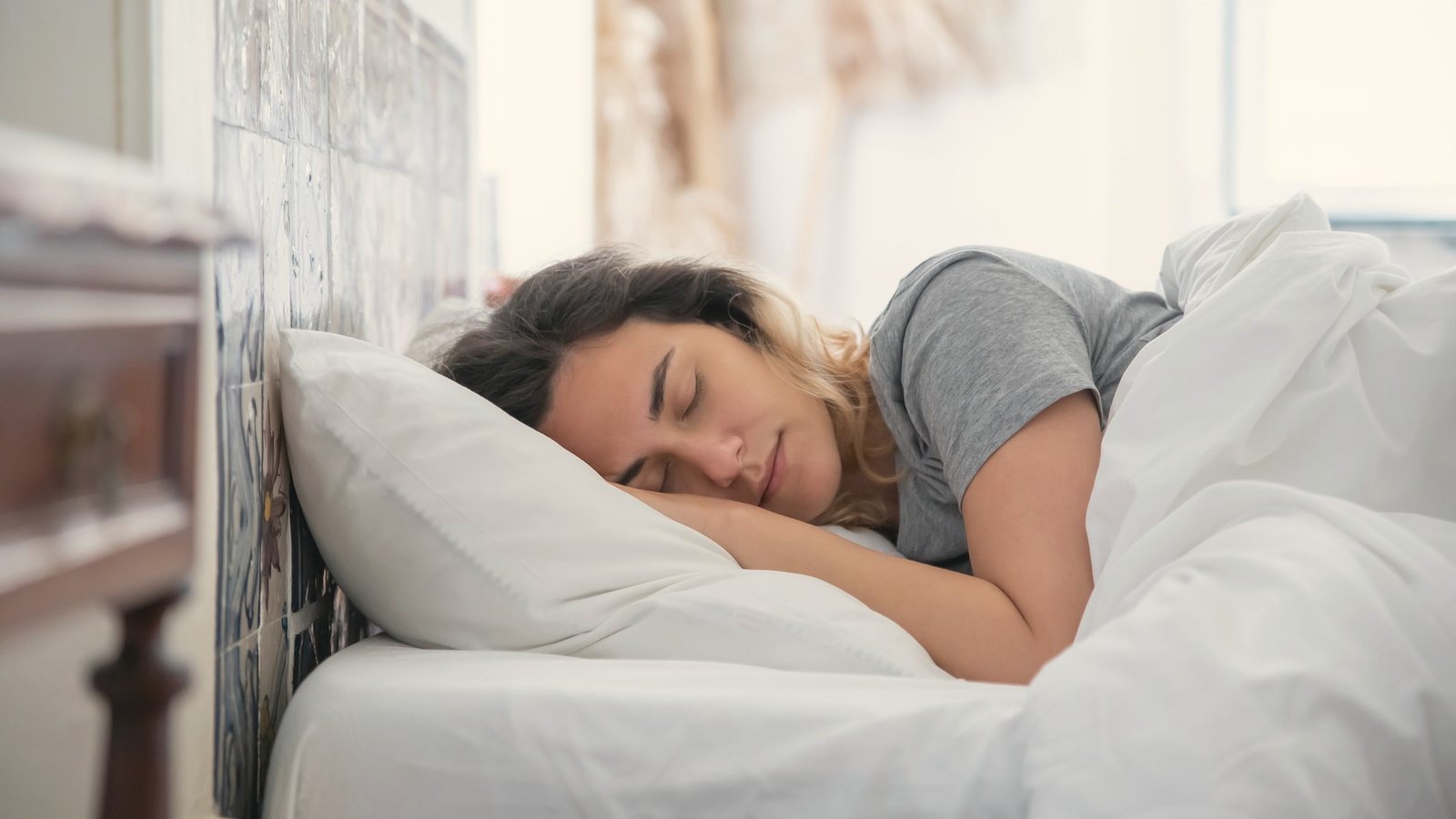
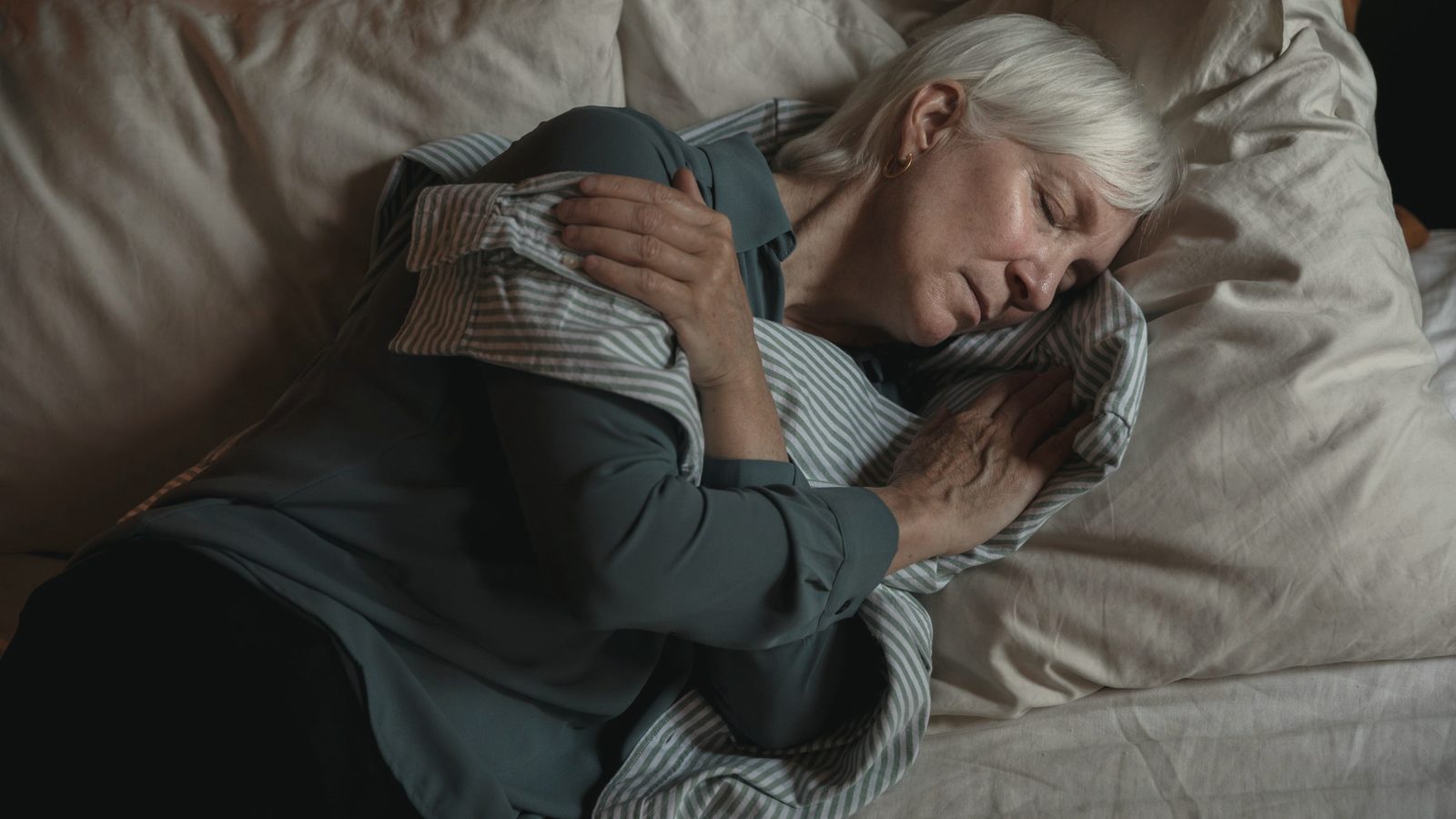
For many women, the first sign that something is shifting is not a hot flush or a missed period. It is a night of staring at the ceiling for no obvious reason, followed by another, and then a pattern that will not resolve itself. Perimenopause, the transitional years leading up to menopause, is well known for its effect on mood and body temperature, but its impact on sleep is just as significant and far less talked about. Understanding the biology behind these disrupted nights is the first step toward managing them well.
Perimenopause typically begins in a woman’s 40s, though it can start earlier, and can last anywhere from a few months to closer to a decade. During this time, the ovaries produce hormones in a far less predictable rhythm than they did in earlier adulthood, and this hormonal variability reaches almost every system in the body, including the ones that regulate sleep.
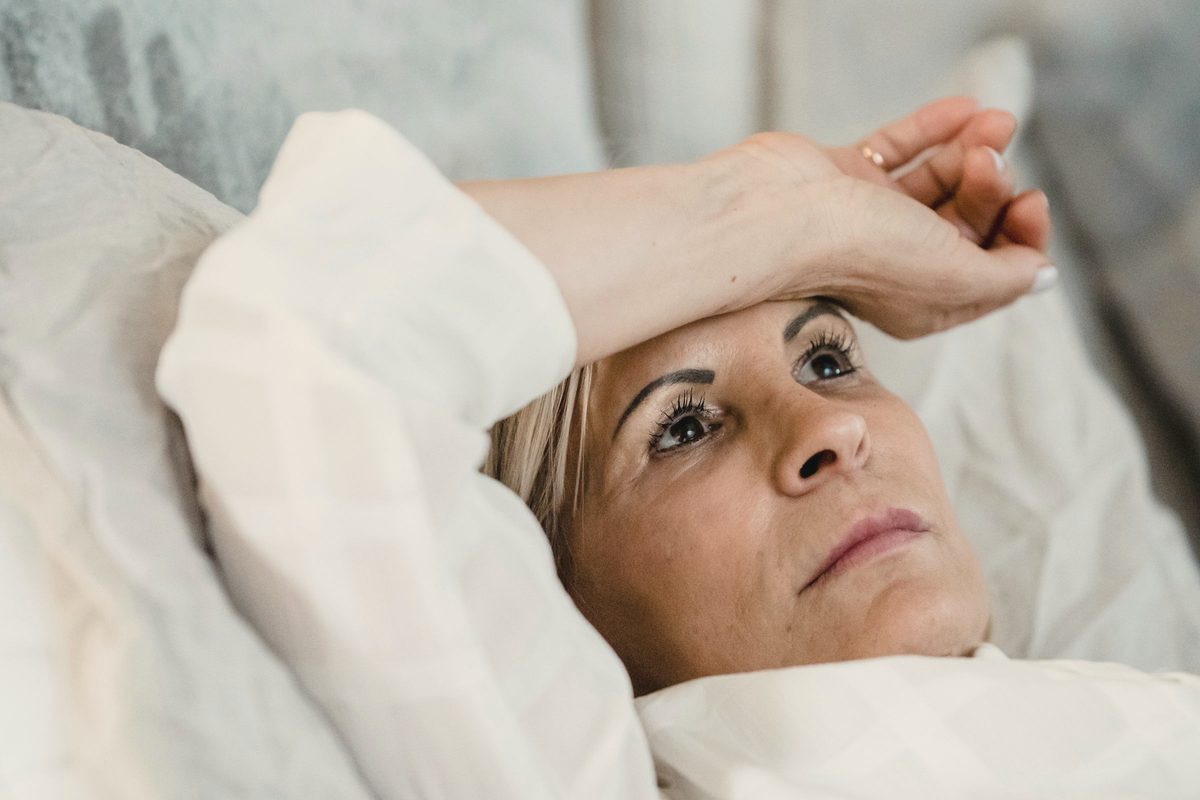
The Hormonal Shift Behind Perimenopause
Oestrogen and progesterone do more than regulate the reproductive cycle. Oestrogen influences serotonin and the body’s temperature-regulating centre in the brain, while progesterone has a calming, almost sedative effect through its interaction with GABA, the nervous system’s primary inhibitory neurotransmitter. As ovarian function becomes less consistent during perimenopause, levels of both hormones fluctuate, and progesterone in particular tends to decline over time.
This matters for sleep because progesterone is closely tied to sleep onset and depth. When its levels drop or become erratic, the natural chemical support for falling and staying asleep becomes less reliable. At the same time, oestrogen fluctuations can disrupt the body’s thermoregulation, setting the stage for one of perimenopause’s most disruptive sleep symptoms.
Night Sweats and the Body’s Thermostat
The hypothalamus, the brain region responsible for maintaining a stable core body temperature, relies partly on stable oestrogen levels to do its job accurately. When oestrogen becomes erratic, the hypothalamus can misread the body’s temperature and trigger a rapid cooling response, commonly experienced as a hot flush or night sweat. When this happens during sleep, it causes a spike in heart rate and skin temperature that is often enough to wake a person fully, even if only for a few minutes. Repeated several times a night, these awakenings fragment sleep architecture and reduce the amount of deep, restorative sleep a person gets, even if total time in bed stays the same.
The Mood and Sleep Feedback Loop
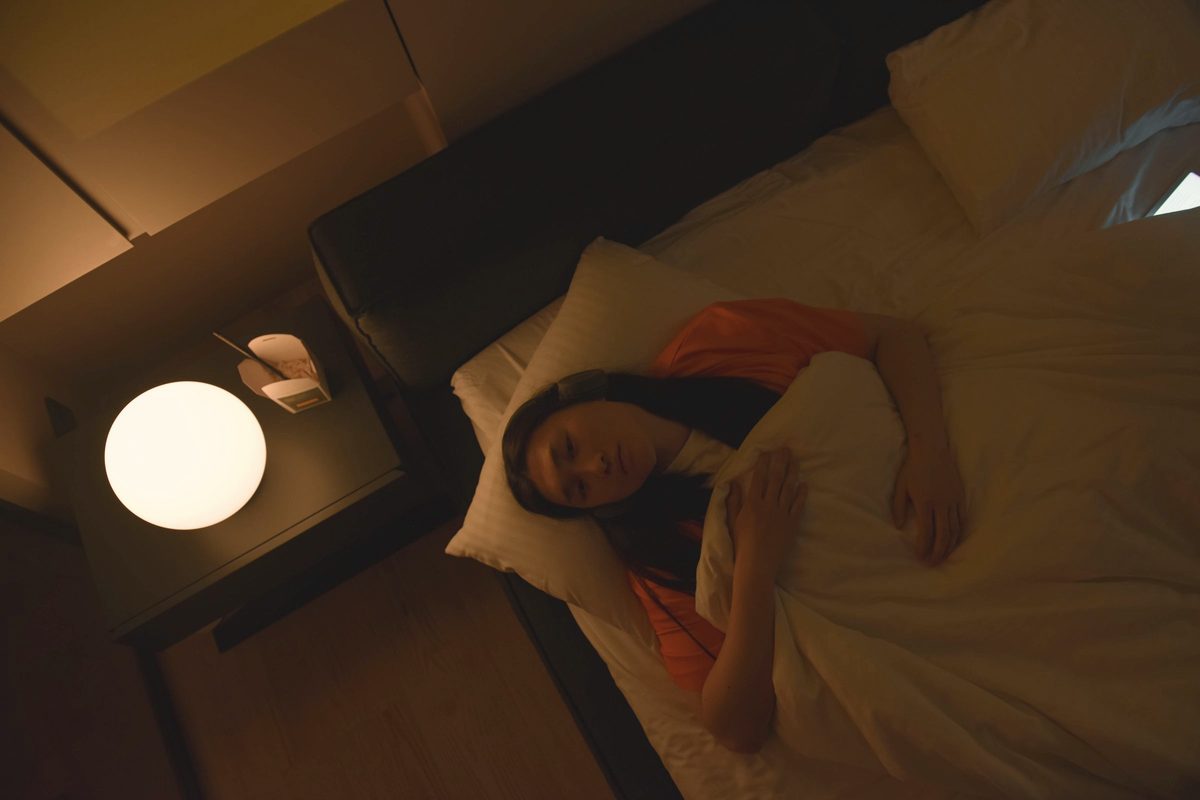
Sleep and mood share a bidirectional relationship, and this becomes especially clear during perimenopause. Hormonal fluctuations can independently affect mood regulation, and poor sleep further reduces the brain’s capacity to manage stress and emotional reactivity the next day. This can create a cycle: hormonal changes disrupt sleep, poor sleep heightens stress and low mood, and elevated stress hormones such as cortisol make it harder to fall and stay asleep the following night. Recognising this loop is important, because addressing sleep quality can have flow-on benefits for mood, and vice versa.
Evidence-Informed Ways to Support Better Sleep
While hormonal change cannot be controlled directly through lifestyle alone, there is a meaningful amount that can be done to support the body through this transition.
- Keep the bedroom cool. Lowering room temperature, using breathable bedding, and layering clothing that can be removed easily during the night can reduce the disruption caused by night sweats.
- Maintain a consistent sleep-wake schedule. Going to bed and waking at similar times, even on weekends, helps stabilise the body’s circadian rhythm, which can otherwise be more sensitive to disruption during hormonal transitions.
- Limit alcohol and caffeine in the evening. Both can worsen night sweats and interfere with deep sleep stages, compounding hormonally driven sleep fragmentation.
- Build in regular physical activity. Movement earlier in the day supports better sleep quality and can help regulate mood, though vigorous exercise close to bedtime may be counterproductive for some people.
- Practise a wind-down routine. Activities such as reading, gentle stretching, or breathing exercises before bed can help lower physiological arousal and make it easier to fall asleep despite hormonal noise in the system.
When It Is Time to Talk to a Healthcare Professional
Occasional disrupted nights are a normal part of this life stage for many women, but persistent sleep difficulty that affects daily functioning, mood, or safety is worth discussing with a healthcare professional. A GP or specialist can help rule out other contributors to poor sleep, such as thyroid changes or sleep apnoea, and can work with you on a management plan suited to your individual health history. Tracking sleep patterns, hot flush frequency, and mood changes in the weeks leading up to an appointment can help make that conversation more productive.
If you are unsure where to start, an online pre-screening can help clarify what kind of support may be appropriate for your circumstances.
Frequently Asked Questions
Is disrupted sleep during perimenopause permanent?
No. Sleep disruption during perimenopause is generally tied to the transitional hormonal fluctuations of this life stage. For most women, sleep patterns tend to stabilise again once hormone levels settle after menopause, though the timeline varies from person to person.
Why do night sweats happen even in a cool room?
Night sweats are driven by the brain’s temperature-regulation centre misreading the body’s internal state due to fluctuating oestrogen, rather than by the actual room temperature. A cooler environment can reduce the discomfort and duration of an episode, but it will not necessarily prevent one from occurring.
Can stress make perimenopausal sleep problems worse?
Yes. Elevated stress and cortisol can compound the sleep difficulties already caused by hormonal fluctuation, which is why stress management techniques are often recommended alongside sleep hygiene strategies during this transition.