
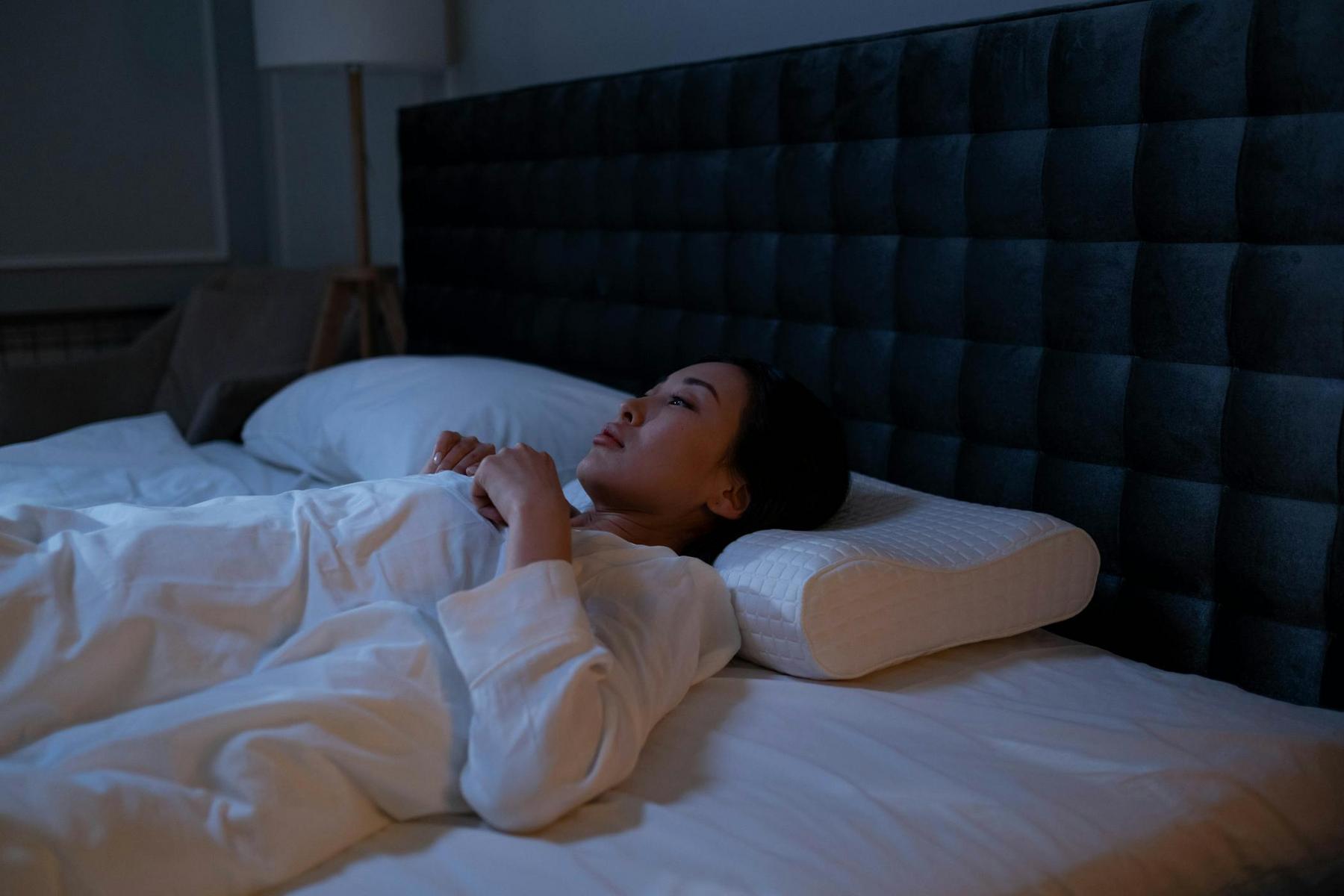
Imagine spending eight hours in bed, only to wake utterly convinced you did not sleep for a single minute. You feel certain you registered every sound, every shift of light, every hour that passed. A sleep study, however, tells a completely different story – one of relatively normal, continuous sleep. This is the defining paradox at the heart of sleep state misperception, formally classified as paradoxical insomnia: a condition in which the brain fundamentally misinterprets its own experience of sleep.
What Is Paradoxical Insomnia and How Does Sleep State Misperception Occur?
Paradoxical insomnia – also referred to historically as sleep state misperception, pseudo-insomnia, or subjective insomnia – is a clinically recognised subtype of chronic insomnia disorder under the International Classification of Sleep Disorders, Third Edition (ICSD-3). It is characterised by a striking and diagnostically significant discrepancy between an individual’s subjective experience of sleep and what objective measurement conclusively reveals.
In essence, a person with paradoxical insomnia sincerely believes they have slept very little – or not at all – when polysomnographic (PSG) data confirms they have achieved near-normal sleep duration and quality, often with a sleep efficiency exceeding 85% and more than six hours of measured sleep.
The term “paradoxical” is particularly apt. Unlike the vast majority of medical conditions where subjective and objective findings broadly align, in this disorder the patient experiences genuine, profound distress about severe sleep loss that is simply not corroborated by measurable data. This is not exaggeration, fabrication, or malingering – the perception of wakefulness is neurologically real, even when the wakefulness itself is not.
It is worth noting that the ICSD-3 formally reclassified what was historically termed “sleep state misperception” as a specifier within chronic insomnia disorder, reflecting a broader clinical understanding that misperception exists along a spectrum rather than as a fully discrete diagnostic category.
How Prevalent Is Paradoxical Insomnia in Australia?
The prevalence of sleep state misperception remains difficult to establish with precision, partly due to inconsistent diagnostic criteria and the limited routine use of objective sleep measurement in standard clinical practice. Estimates among individuals presenting with insomnia complaints range widely – from 5% to as high as 50% – depending on the diagnostic framework applied.
In an Australian context, these figures carry considerable weight. The Sleep Health Foundation’s 2019 national survey found that 59.4% of Australian adults report at least one chronic sleep symptom occurring three or more nights per week. Chronic insomnia disorder – of which paradoxical insomnia is a recognised subtype – affects approximately 23.2% of the Australian population overall, with a slightly higher prevalence in women (25.2%) compared to men (21.1%).
Sleep disorders broadly impose a $5.1 billion annual burden on the Australian economy through direct healthcare expenditure and lost productivity, with an additional $31.4 billion attributed to reduced quality of life. Paradoxical insomnia, while not always captured in isolation within these figures, forms a meaningful part of this burden – particularly given how frequently it goes unrecognised and undertreated.
A 2026 Chinese cohort study involving 863 adults with chronic insomnia identified a paradoxical insomnia prevalence of 30.5%, offering one of the most precise contemporary estimates in the literature and reinforcing the likelihood that this condition affects a substantial proportion of Australians with sleep complaints.
What Are the Hallmark Symptoms of Sleep State Misperception and How Is It Clinically Distinguished?
The clinical presentation of paradoxical insomnia is distinctive, and correct recognition is essential for appropriate management.
Primary symptoms include:
- A firm and persistent belief of sleeping only a few hours, or not at all, despite objective evidence to the contrary
- Heightened awareness of environmental stimuli – sounds, temperature, light – throughout the night
- A vivid and continuous sense of wakefulness while objectively asleep
- Pronounced time distortion, in which sleep onset is perceived to take far longer than it actually does
- Reports of near-total sleeplessness persisting for months or years
What most sharply distinguishes paradoxical insomnia from other insomnia subtypes, and what constitutes its most clinically informative feature, is the relative absence of significant daytime impairment. Conventional insomnia reliably produces excessive daytime sleepiness, cognitive fatigue, and impaired occupational functioning. In sleep state misperception, despite catastrophic subjective sleep complaints, daytime performance and objective alertness are generally well preserved.
| Feature | Paradoxical Insomnia | Objective Insomnia |
|---|---|---|
| Subjective sleep complaint | Severe | Severe |
| Objective sleep duration (PSG) | Near-normal (≥6 hours) | Reduced |
| Sleep efficiency | ≥85% | Often <85% |
| Daytime impairment | Minimal to absent | Proportional to sleep loss |
| MSLT daytime sleepiness | Typically normal | Often elevated |
| EEG sleep architecture | Generally normal | May show disruption |
| Distress level | High | High |
| Clinical response to reassurance | Often beneficial | Less responsive |
What Causes Paradoxical Insomnia? Understanding the Neurobiological Mechanisms
Despite decades of dedicated research, the precise aetiology of sleep state misperception remains incompletely understood. Current evidence supports a multifactorial model in which neurobiological, psychological, and physiological factors interact in ways that are unique to each individual.
Cortical Hyperarousal and EEG Abnormalities
EEG studies consistently demonstrate elevated cortical arousal during sleep in individuals with paradoxical insomnia. Specifically, research identifies increased alpha, sigma, and beta wave activity during non-REM sleep stages, alongside a measurable reduction in delta activity – the electrophysiological hallmark of restorative deep sleep. This pattern of cortical hyperarousal appears to prevent the brain from registering that sleep is occurring, even when behavioural and physiological measures confirm it unambiguously.
Research by Dr Lieke Hermans introduced the concept of the Sleep Fragment Perception Index, proposing that individuals with paradoxical insomnia may require more than 30 consecutive minutes of uninterrupted sleep before the brain registers that sleep onset has occurred – a threshold substantially higher than in healthy sleepers, and one that helps explain why brief microarousals may be catastrophically misinterpreted as prolonged wakefulness.
Psychological and Personality Factors
Neuroticism, trait anxiety, and hypervigilance are consistently associated with sleep state misperception. Individuals affected tend to score higher on validated measures of hypochondriasis, psychasthenia, and paranoid ideation. Pre-sleep cognitive arousal – characterised by worry, rumination, and selective attention directed at sleep-related stimuli – perpetuates a self-reinforcing cycle in which the expectation of wakefulness progressively distorts perception.
Conditioned arousal plays a central aetiological role: through repeated association of the bed and bedroom with anxiety and wakefulness, the sleep environment itself becomes a neurological trigger for hyperarousal, further impairing the accuracy of sleep perception.
Metabolic and Physiological Contributors
Some evidence indicates altered metabolic activity during sleep in those with paradoxical insomnia, including heightened hypothalamic-pituitary-adrenal (HPA) axis activation and sympathetic nervous system dysregulation. Elevated inflammatory markers, including C-reactive protein, have been observed in affected individuals, suggesting that the condition shares physiological characteristics with other insomnia subtypes despite the notable absence of objective sleep loss.
How Is Paradoxical Insomnia Diagnosed in Clinical Practice?
Accurate diagnosis of sleep state misperception requires a multi-modal assessment approach, combining objective sleep measurement with a thorough and structured clinical evaluation.
Polysomnography (PSG)
Overnight polysomnography remains the diagnostic gold standard, providing direct and simultaneous measurement of brain electrical activity, eye movements, muscle tone, cardiac rhythm, respiration, and body positioning across a full sleep period. In paradoxical insomnia, PSG will typically confirm adequate sleep duration and architecture despite the patient’s conviction of profound sleeplessness. Multiple nights of assessment – ideally two or more – are recommended to account for first-night laboratory effects and the considerable night-to-night variability inherent to this population.
Actigraphy
Wrist-worn actigraphic devices, worn continuously over 7–14 days, provide a non-invasive and ecologically valid means of estimating sleep-wake patterns in the patient’s own home environment. This extended monitoring period captures typical sleep behaviour more reliably than a single laboratory night and is increasingly favoured as a practical initial assessment tool in Australian clinical settings.
Clinical Interview and Validated Questionnaires
The clinical interview remains the single most critical diagnostic instrument. The hallmark presentation – extreme subjective sleep complaints paired with preserved daytime functioning – is the most reliable clinical indicator available without objective measurement. Validated instruments such as the Insomnia Severity Index (ISI), Hamilton Anxiety Rating Scale (HAMA), and the Epworth Sleepiness Scale assist in characterising the full symptom profile and identifying comorbid conditions including anxiety, depression, and obstructive sleep apnoea.

What Does Evidence-Based Management of Paradoxical Insomnia Look Like?
The Australasian Sleep Association (ASA), the Royal Australian College of General Practitioners (RACGP), and major international sleep medicine bodies uniformly recommend Cognitive Behavioural Therapy for Insomnia (CBT-I) as the first-line approach for chronic insomnia disorder, including paradoxical insomnia.
CBT-I is a structured, multicomponent therapeutic programme typically delivered across six to eight sessions. Its efficacy in insomnia is amongst the most robustly established in all of behavioural medicine, with meta-analyses demonstrating effect sizes of 1.0–1.2, equivalent to approximately a 50% reduction in insomnia symptom severity. Treatment gains are maintained for up to 24 months post-completion, and outcomes compare favourably in the long term.
Sleep Restriction Therapy
By temporarily limiting time in bed to align with actual sleep capacity, sleep restriction therapy strengthens the homeostatic drive to sleep, consolidates fragmented sleep, and progressively improves overall sleep efficiency.
Stimulus Control Therapy
This component directly targets conditioned arousal by systematically re-establishing the bed and bedroom as environmental cues exclusively associated with sleep and relaxation, rather than wakefulness, anxiety, and frustration.
Cognitive Restructuring
Cognitive therapy addresses the dysfunctional beliefs and catastrophic thinking patterns that are particularly pronounced in sleep state misperception – for example, the conviction that any perceived sleeplessness will inevitably produce severe daytime consequences. For paradoxical insomnia specifically, professional review of objective PSG findings within a therapeutic context is a uniquely powerful tool: engaging directly with objective data produces measurable and clinically meaningful shifts in both sleep perception and associated distress.
Relaxation and Mindfulness-Based Approaches
Progressive muscle relaxation, diaphragmatic breathing, and mindfulness-based techniques reduce physiological and cognitive arousal levels. Mindfulness-based therapy for insomnia (MBT-I) receives specific endorsement from the Australasian Sleep Association as an evidence-supported adjunct to standard CBT-I delivery.
Sleep Hygiene Education
While insufficient as a standalone intervention, structured education regarding sleep-promoting behaviours forms an essential and foundational component of comprehensive CBT-I, addressing lifestyle and environmental factors that may perpetuate arousal.
Paradoxical Insomnia Demands Scientific Rigour, Not Clinical Dismissal
Sleep state misperception occupies a clinically unique and persistently underappreciated position within the spectrum of sleep disorders. The suffering it produces is genuine – not because sleep is truly absent, but because the brain’s capacity to accurately perceive its own sleep is neurologically compromised. For those who carry the weight of believing they have not slept meaningfully in months or years, the psychological and emotional toll can be considerable and cumulative.
What makes paradoxical insomnia especially pertinent in 2026 is its potential scale. With chronic insomnia affecting nearly one in four Australians, and with prevalence estimates suggesting that up to half of those presenting with insomnia complaints may have a clinically significant sleep state misperception component, this is not a rare or esoteric condition – it is a common, systematically underdiagnosed one with real and measurable consequences for wellbeing, quality of life, and healthcare utilisation.
The pathway forward is clear: early recognition, objective assessment, and evidence-based management through CBT-I offer a well-supported route toward restored sleep confidence and improved daily functioning. The clinical imperative is to ensure that patients receive the investigations they need, that the paradox at the heart of this condition is met with scientific rigour, and that those who have long been told their experience is “all in their head” are finally given a clinically validated answer.