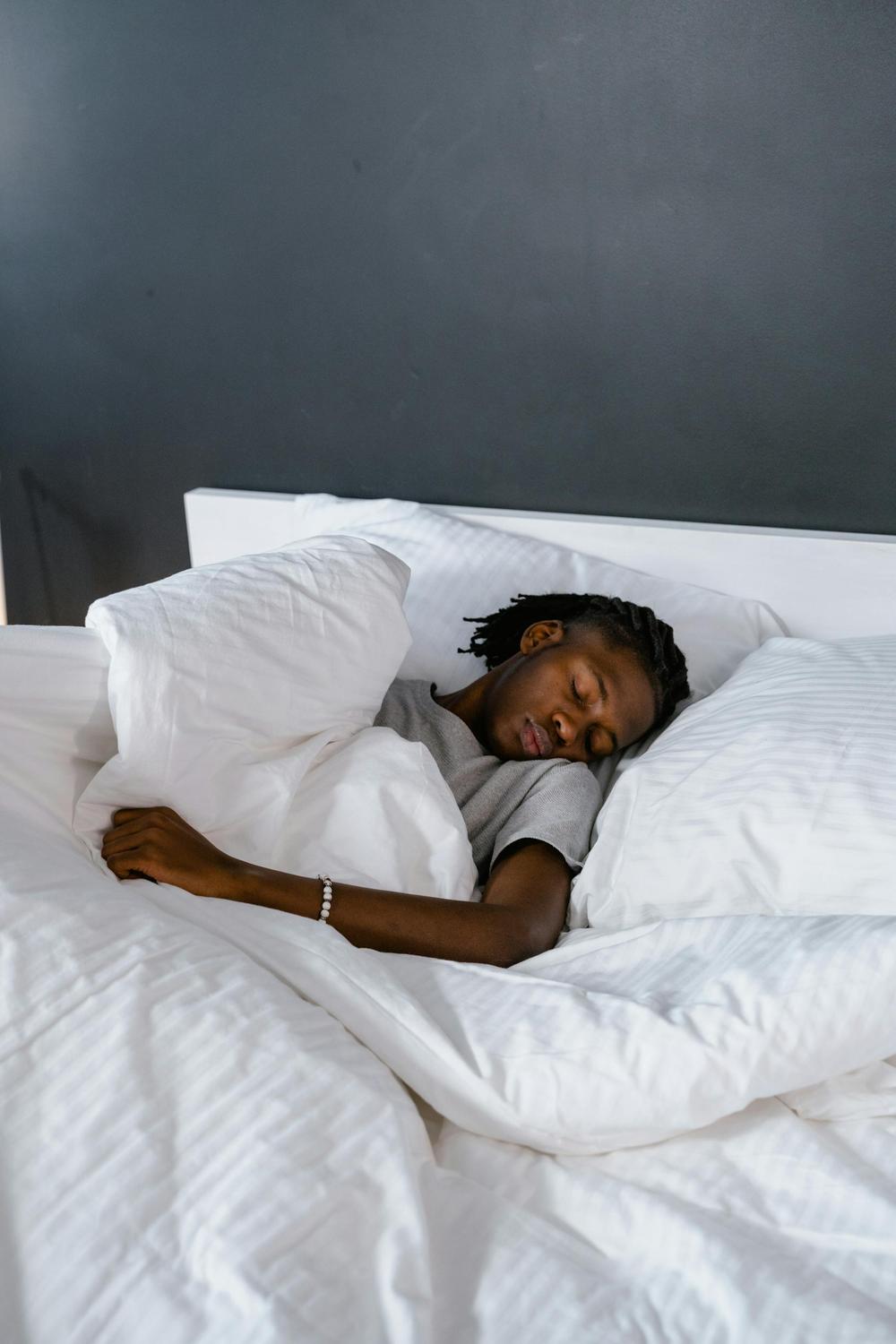
Sleep disorders affect millions of Australians, yet many struggle to access objective, long-term monitoring that reveals the true nature of their sleep patterns. Traditional laboratory-based sleep studies, whilst comprehensive, capture only a single night’s data in an artificial environment—often missing the patterns that emerge over weeks of natural sleep behaviour. This limitation has driven the evolution of actigraphy, a sophisticated yet unobtrusive technology that transforms how we understand and monitor human sleep-wake cycles. As we move through 2026, actigraphy represents a critical bridge between clinical precision and real-world applicability, offering insights that empower individuals to make informed decisions about their sleep health within the context of holistic wellness.
What Is Actigraphy and How Does Movement-Based Sleep Monitoring Work?
Actigraphy is a non-invasive method of monitoring human rest and activity cycles through the continuous measurement of gross motor activity. At its core, the technology relies on the fundamental relationship that during sleep, body movement decreases significantly compared to wakefulness. By quantifying these movement patterns over extended periods, actigraphy provides objective data about sleep-wake behaviour that self-reporting alone cannot capture.
The typical actigraph unit comprises several sophisticated components working in concert. A sensitive accelerometer detects even subtle movements, a real-time clock ensures precise temporal data, and non-volatile memory stores the information for later analysis. Modern devices often include low-pass filters to eliminate external vibrations in the 2-3 Hz band, ensuring that only genuine body movements are recorded. Some advanced units also monitor light exposure and other biometric parameters, creating a comprehensive picture of the wearer’s circadian environment.
Actigraphy operates on one of three primary data accumulation methods:
- Zero Crossing Mode (ZCM): Counts how many times the accelerometer waveform crosses a threshold per time period.
- Proportional Integral Mode (PIM): Measures the area under the curve of movement data and is recognised as the most accurate method for both sleep and activity measurement.
- Time Above Threshold (TAT): Quantifies how long the movement wave remains above a specific threshold.
Each method offers different insights, with PIM generally preferred for clinical applications due to its superior accuracy in distinguishing sleep states.
Actigraphy devices are typically worn on the wrist of the non-dominant arm for adults, or on the ankle for children, allowing for continuous monitoring during normal daily activities and sleep. Data is collected over extended periods—from several days to weeks—revealing patterns and variations that might otherwise remain hidden.
Which Types of Actigraphy Devices Are Used for Sleep Assessment?
The field of actigraphy encompasses three distinct device categories, each optimised for specific monitoring objectives.
Sleep Actigraphs
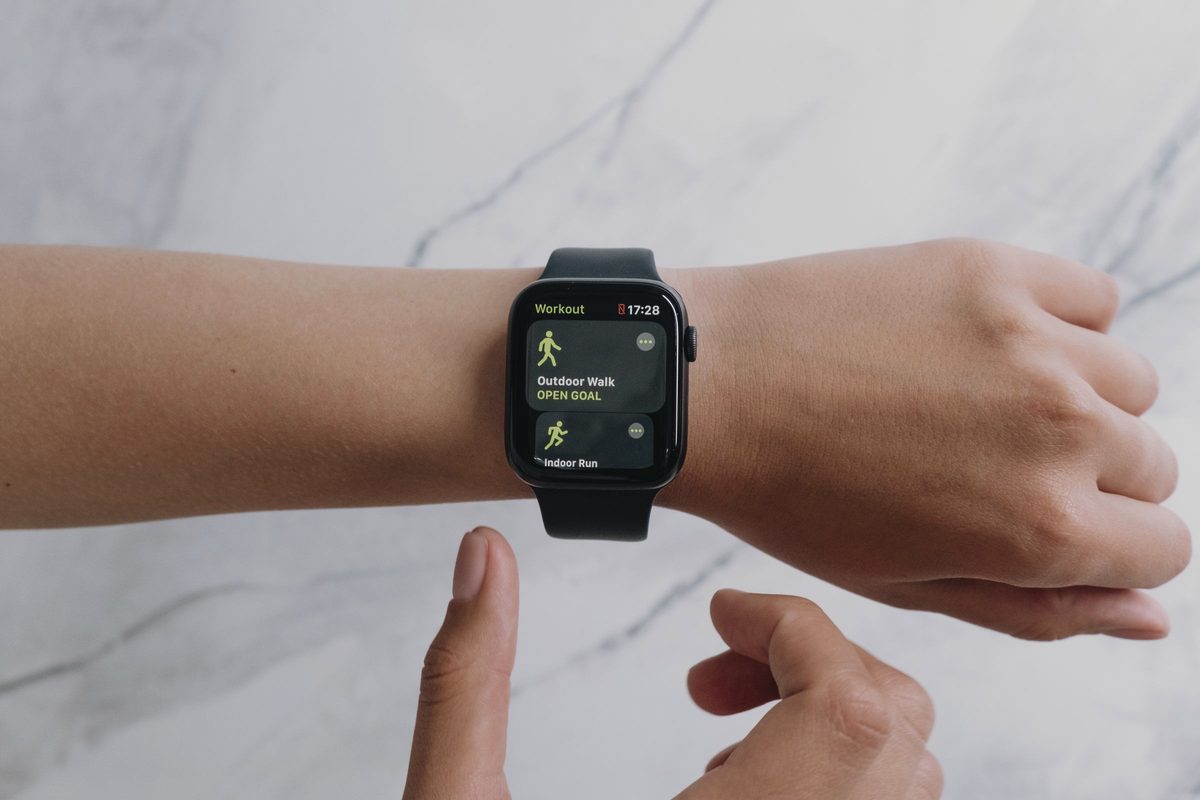
Sleep actigraphs are the most common devices used for assessing circadian rhythms and sleep quality. Resembling a wristwatch, these devices are worn on the non-dominant arm or ankle, allowing for several weeks of continuous data collection. They are primarily used to determine sleep patterns, circadian rhythms, sleep quality, and overall sleep architecture, offering a cost-effective alternative to polysomnography while maintaining accuracy levels above 90% for estimating total sleep time.
Activity Actigraphs
Activity actigraphs focus on wake-time behaviour and energy expenditure. Typically worn near the hip, these devices track daytime movement and estimate calories burned. They provide insights into the relationship between daytime activity and nocturnal rest, bridging the gap between sleep monitoring and overall wellness.
Movement Actigraphs
Movement actigraphs are the most technologically advanced category. They incorporate three-dimensional accelerometers, offer high sample rates, and have substantial memory capacity. These devices are ideal for assessing gait patterns and physical impairments, although they are usually worn for shorter periods during specific assessments.
How Accurate Is Actigraphy Compared to Laboratory Sleep Studies?
Actigraphy’s clinical acceptance hinges on its accuracy. Studies indicate that actigraphy provides precision exceeding 90% for estimating total sleep time, though it has higher sensitivity in detecting sleep (0.965) compared to wake periods (0.329). This characteristic underscores that while limited movement generally indicates sleep, it does not always capture wakefulness accurately.
The technology struggles with detailed sleep stage classification; for example, accuracy drops to around 55% for four-way sleep stage estimation because it does not measure neurophysiological markers like EEG, EOG, EMG, or ECG. The following table summarizes key differences between actigraphy and polysomnography:
| Parameter | Actigraphy | Polysomnography |
|---|---|---|
| Total Sleep Time Accuracy | >90% | 100% (Gold standard) |
| Sleep Detection Sensitivity | 0.965 | ~1.0 |
| Wake Detection Specificity | 0.329 | ~1.0 |
| Sleep Stage Classification | ~55% (4-way) | Complete differentiation |
| Monitoring Duration | Days to weeks | Single night |
| Environment | Home/natural setting | Laboratory |
| Cost | Moderate | High |
| Brain Activity Measurement | No | Yes (EEG) |
| User Mobility | Unrestricted | Restricted |
Common sources of error include false positives from activities like showers near sleep periods and the masking of true sleep during naps in moving vehicles. Importantly, studies have shown that self-reported sleep duration only moderately correlates with actigraphy-measured sleep.
What Are the Clinical Applications of Actigraphy in Sleep Medicine?
The American Academy of Sleep Medicine has validated actigraphy for several clinical applications. It excels in characterising circadian patterns and sleep disturbances in conditions such as insomnia, with the extended monitoring period providing richer insights than single-night studies. Actigraphy is also used for assessing daytime sleepiness and evaluating the effects of interventions such as behavioural modifications and light-based therapies.
Key sleep parameters measured include sleep onset latency, total sleep duration, sleep consolidation, time in bed, and movement during sleep. However, actigraphy is not recommended for diagnosing conditions like restless legs syndrome due to its inability to detect specific leg movements during wakefulness.
How Does Actigraphy Support Holistic Health and Wellness Monitoring?
Actigraphy plays a crucial role in holistic health management by linking sleep quality with broader health outcomes such as immune function, cognitive performance, and metabolic health. Long-term data collection reveals patterns that enable personalised lifestyle adjustments and supports evidence-based interventions.
Understanding sleep cycles, typically averaging 90 minutes per cycle, is essential in evaluating rest quality. Actigraphy helps determine whether an individual’s sleep architecture is intact or fragmented over time. The objective capture of sleep data in natural environments allows for interventions that are both personalised and preventive.
Research highlights correlations between sleep duration and health outcomes including cardiovascular risk, obesity, and mental health disorders such as depression and anxiety. By providing quantitative sleep data, actigraphy enables individuals and healthcare providers to implement strategies that improve overall wellness.
Can Consumer Wearable Devices Provide Clinical-Grade Sleep Data?
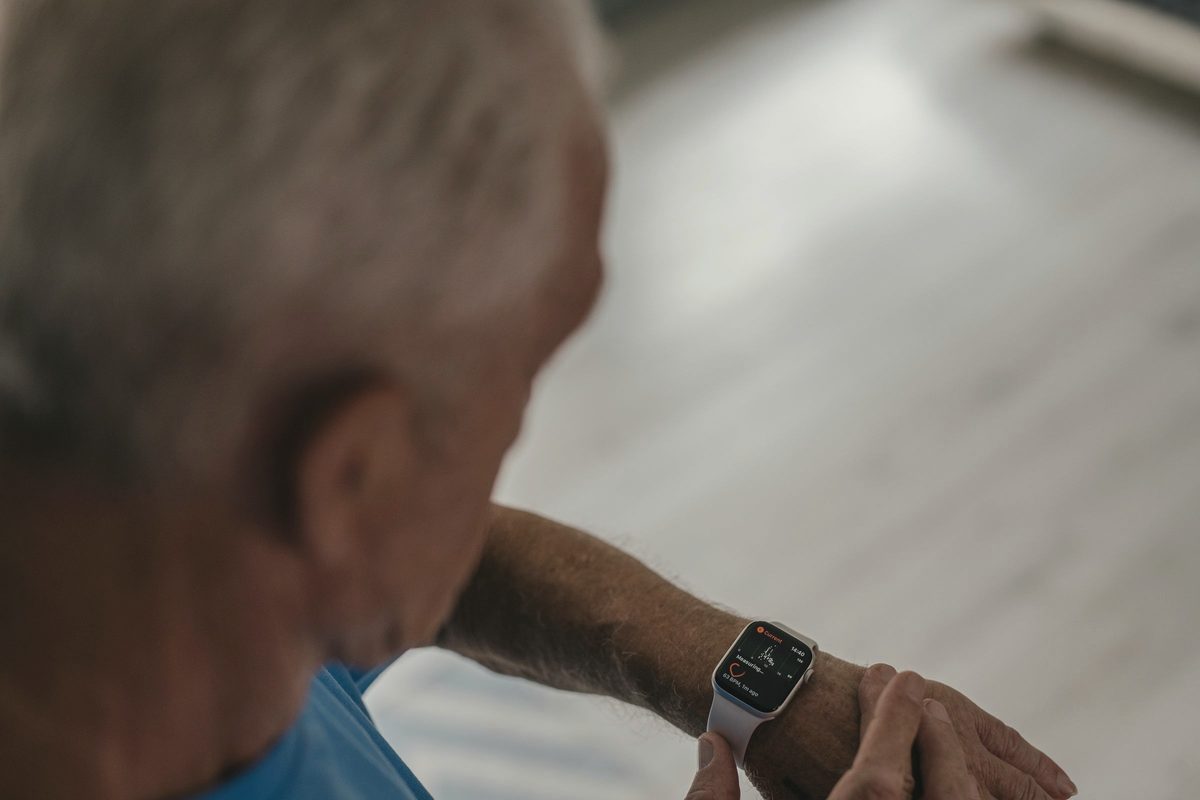
The evolution of consumer wearables, such as the Oura Ring, Fitbit, and Garmin devices, has democratized access to sleep monitoring. These devices use actigraphy principles to estimate sleep patterns, making sleep tracking accessible to millions worldwide. While consumer devices offer comparable estimates for standard sleep parameters, they also prioritize additional features such as activity tracking and notifications, which may affect monitoring precision.
The integration of actigraphy with health apps and digital platforms is expanding its role in remote patient monitoring and telemedicine. Such integration supports workplace wellness programs and paediatric applications by providing objective sleep data in diverse environments.
Advancing Personalised Sleep Health Through Evidence-Based Monitoring
Actigraphy has evolved from a niche research tool into a widely accessible technology that complements traditional sleep studies. Its strength lies not in replacing polysomnography but in providing continuous, real-world data that captures the dynamic nature of human sleep. As healthcare continues to embrace personalised and preventive approaches, actigraphy stands as a critical tool in the optimisation of sleep health.
By turning what was once an invisible aspect of health into measurable data, actigraphy empowers individuals and clinicians to make informed decisions, paving the way for integrated and holistic healthcare.
How long should I wear an actigraph to get accurate sleep data?
Optimal actigraphy monitoring typically extends over one to two weeks to capture representative sleep patterns. This duration accounts for night-to-night variability in sleep quality and identifies patterns that single-night assessments might miss. Shorter monitoring periods may suffice for specific research questions, but extended data collection provides a more comprehensive picture.
Does actigraphy work differently for children compared to adults?
Yes, paediatric actigraphy employs modified protocols to account for children’s different movement patterns and sleep requirements. Devices for young children are typically worn on the ankle rather than the wrist to ensure comfort and reduce the risk of removal. Additionally, sleep duration requirements differ by age, and actigraphy algorithms may be calibrated accordingly.
Can actigraphy detect specific sleep disorders like sleep apnoea?
Actigraphy cannot diagnose sleep apnoea or other disorders that require detailed neurophysiological measurements such as EEG or oxygen level monitoring. While it excels at characterising sleep-wake patterns and circadian rhythms, it serves best as a screening and monitoring tool rather than a diagnostic instrument for complex sleep disorders.
How accurate is actigraphy compared to my own perception of my sleep quality?
Research shows that self-reported sleep duration often correlates only moderately with actigraphy measurements. People tend to misjudge how long it takes to fall asleep or how much they wake during the night. Actigraphy provides objective data that can reveal differences between perceived and actual sleep patterns.
Will wearing an actigraph device interfere with my normal sleep?
Modern actigraphs are designed to minimise interference with sleep. They are lightweight, compact, and resemble a watch, allowing for unrestricted movement. Unlike polysomnography, which involves multiple sensors and wires, actigraphy permits natural sleep in familiar environments, with most users adapting to the device within a night or two.