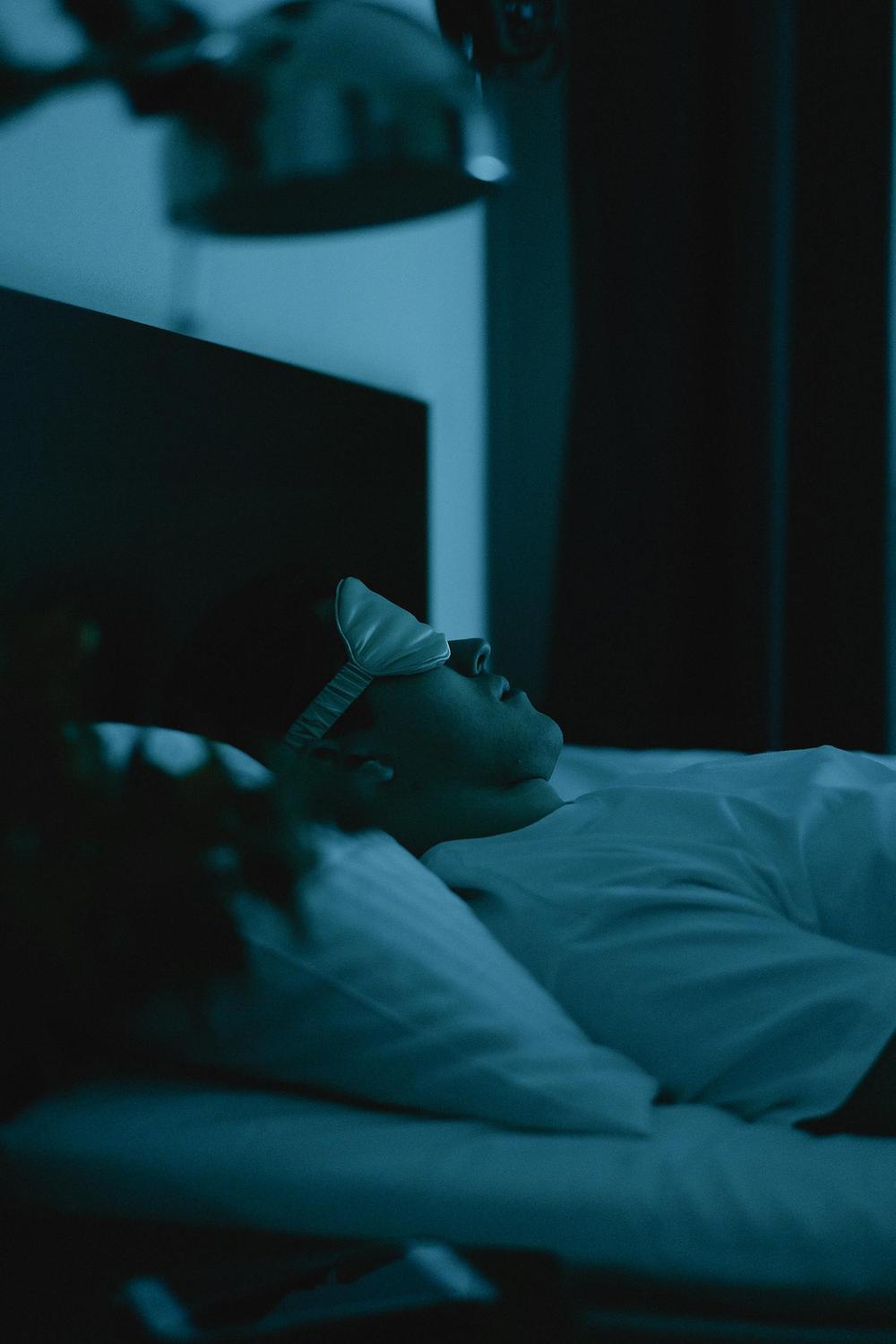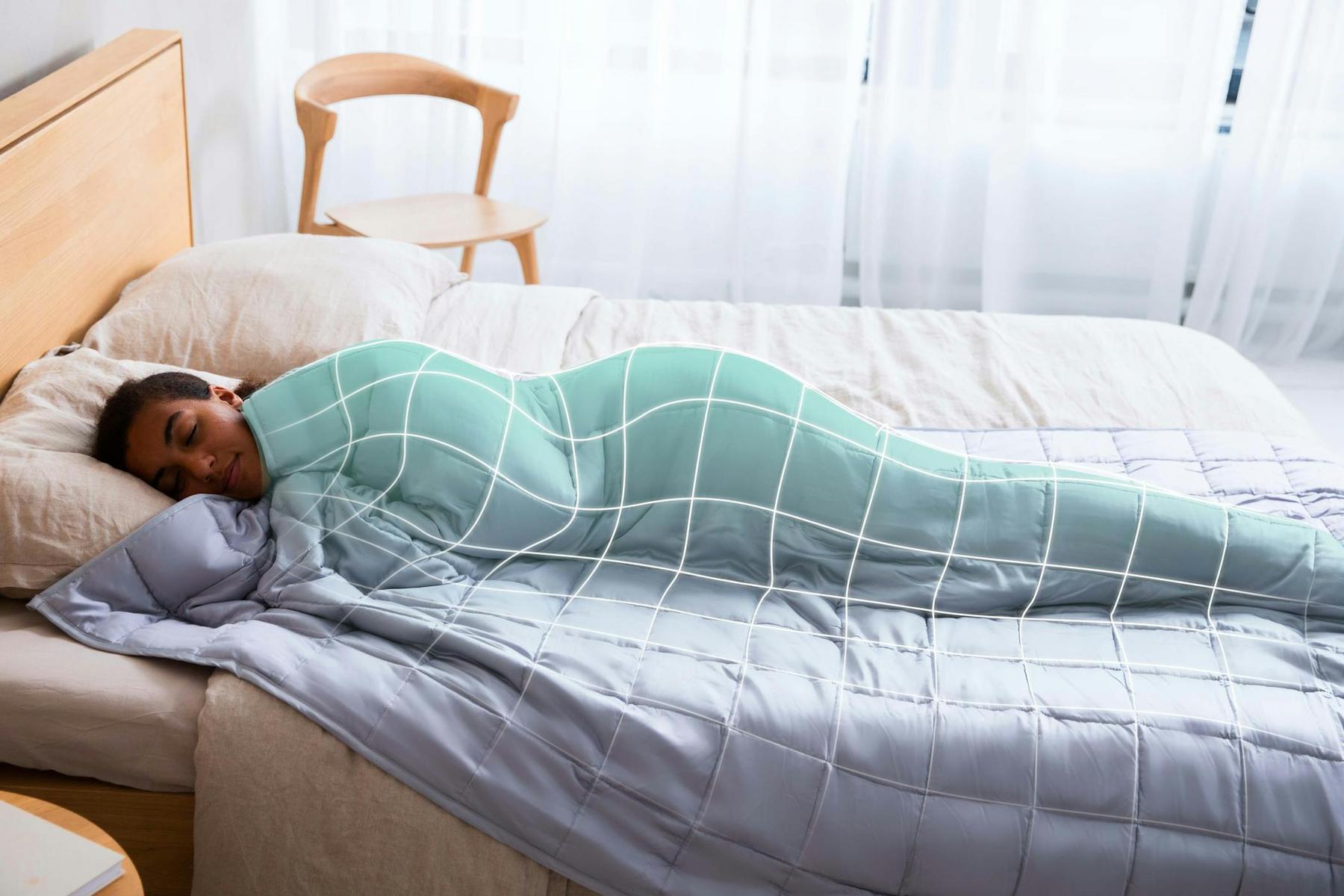
Imagine a teenager who suddenly sleeps for 20 hours a day, waking only to eat enormous quantities of food before returning to bed. Their personality transforms completely—they become confused, irritable, and display behaviours entirely unlike their normal self. Then, just as mysteriously as it began, everything returns to normal within a week or two, as though nothing happened. This is the bewildering reality of Kleine-Levin Syndrome (KLS), one of the rarest and most puzzling neurological disorders known to medicine.
What Is Kleine-Levin Syndrome?
Kleine-Levin Syndrome represents a rare neurological disorder characterised by recurrent episodes of excessive sleep lasting anywhere from a few days to several weeks. Classified under the International Classification of Sleep Disorders (ICSD-3) as a central disorder of hypersomnolence, KLS has been recognised in medical literature since 1925, yet fewer than 500 cases have been formally documented globally.
The hallmark feature of this condition is its episodic nature. During acute phases, individuals may sleep 15 to 21 hours per day, rousing only for basic necessities such as eating and toileting. Between episodes, however, patients exhibit completely normal alertness, cognitive function, behaviour, and mood—a distinctive pattern that separates KLS from other sleep disorders.
To meet diagnostic criteria, patients must experience at least two recurrent episodes of excessive sleepiness lasting between two days and five weeks, with episodes recurring at least once every 18 months. Critically, at least one additional symptom must be present during episodes: cognitive dysfunction, altered perception or derealisation, eating disturbances (excessive appetite or loss of appetite), or disinhibited behaviour.
The condition earned its poetic moniker “Sleeping Beauty Disorder” due to the dramatic contrast between episodes and normal periods, reminiscent of the fairy-tale princess who slept for years before awakening unchanged. Unlike the fairy tale, however, Kleine-Levin Syndrome episodes recur unpredictably, creating significant challenges for those affected and their families.
Who Does Kleine-Levin Syndrome Affect in Australia?
The epidemiological profile of Kleine-Levin Syndrome reveals striking demographic patterns that are consistent across international populations, including Australia. This disorder predominantly affects adolescents, with a median age of onset at 15 years. Remarkably, 81% of all cases begin during the second decade of life, between ages 12 and 20 years.
Males experience this condition at significantly higher rates than females, representing 68-72% of all cases—an approximate ratio of 2-3 males for every female affected. When females do develop KLS, onset typically occurs later than in males, with mean ages of 18.5 years versus 15.0 years respectively.
Demographic Characteristics of Kleine-Levin Syndrome
| Characteristic | Data |
|---|---|
| Prevalence | 1-5 cases per million population |
| Age of Onset (Median) | 15 years |
| Adolescent Cases | 81% begin ages 12-20 |
| Male-to-Female Ratio | 2-3:1 (68-72% male) |
| Familial Cases | 5-8% of total cases |
| Onset Before Age 12 | Rare |
| Onset After Age 30 | Rare |
Genetic factors appear to play a role in susceptibility. Whilst familial cases remain uncommon at only 5-8% of total cases, first-degree relatives of affected individuals face an 800-4,000-fold higher risk than the general population—a staggering increase suggesting significant genetic influence. Monozygotic twin cases have been documented, further supporting a genetic component.
Interestingly, research has identified strong overrepresentation in the Ashkenazi Jewish population, with KLS occurring 6-8 times more frequently than expected based on census data. Additionally, approximately 25% of cases report multiple birth complications including prolonged labour, hypoxia, or prematurity, whilst 15% experienced developmental delays during childhood.
For Australian healthcare providers, recognising these demographic patterns proves essential. An adolescent male presenting with episodic hypersomnia accompanied by behavioural changes should prompt consideration of Kleine-Levin Syndrome, particularly when symptoms occur in discrete episodes with complete recovery between incidents.
What Are the Symptoms of Sleeping Beauty Disorder?
The symptom profile of Kleine-Levin Syndrome extends far beyond excessive sleep, encompassing a complex constellation of cognitive, behavioural, and perceptual changes that distinguish this disorder from other conditions affecting sleep.
Hypersomnia: The Defining Feature
Excessive sleep requirement represents the mandatory diagnostic feature present in 100% of cases. During episodes, patients sleep an average of 18 hours daily, with ranges extending from 16 to 21 hours. Patients can be aroused from sleep but display marked irritability when prevented from returning to rest. Sleep interrupts only for basic needs, and some individuals experience brief insomnia at episode conclusion, occasionally followed by transient euphoria.
Cognitive Impairment: Nearly Universal
Between 96-100% of patients experience cognitive impairment during episodes. Confusion and disorientation affect 51-91% of cases, whilst memory problems including amnesia and difficulty with recall occur in 48-66%. Speech difficulties prove particularly prominent, with 60-94% experiencing slurred speech, mutism, or incoherent, childish language patterns. Impaired concentration, attention, and executive function severely limit the ability to perform academic or occupational tasks during episodes.
Recent research challenges the historical assumption that Kleine-Levin Syndrome represents a “benign” condition. Working memory deficits may persist long after episodes resolve, suggesting potential for lasting neuropsychological consequences even during periods of apparent normality.
Altered Perception and Derealisation
Occurring in over 80% of cases, altered perception and derealisation represent the most specific symptoms of KLS—even more characteristic than the classical triad of hypersomnia, hyperphagia, and hypersexuality. Patients describe feeling as though they exist within a dream state, experiencing profound unreality and detachment from their surroundings. This sensation of depersonalisation, combined with altered temperature sensation and perceptual disturbances, contributes significantly to the disorder’s impact on quality of life.
Behavioural and Mood Changes
Apathy and severe withdrawal affect over 80% of patients during episodes. Irritability and aggression occur in 65-92% of cases, particularly when individuals are prevented from eating or sleeping. Childish behaviour or regression manifests as baby speech or immature actions. Disinhibited behaviour may include offensive, rude, or sexually charged language.
Mood disturbances prove common, with depression affecting 48-53% of patients and anxiety occurring in approximately 25%. Concerningly, suicidal ideation has been reported in roughly 15% of cases, underscoring the psychological burden of this condition.
Appetite and Other Physical Changes
Excessive appetite (hyperphagia) occurs in 50-66% of cases, characterised by compulsive eating of large quantities, often with cravings for sweet or junk foods not normally consumed. Patients may eat 6-8 meals daily and can gain significant weight during episodes. Increased sexual drive and urges (hypersexuality) affect 48-53% of cases overall, though this symptom occurs much more commonly in males (~50%) than females (~15%).
Flu-like symptoms frequently precede episodes, with headaches commonly reported even in patients without prior migraine history. Additional symptoms may include heavy sweating, facial flushing, congestion, and fatigue developing days before full episode onset.
How Is Kleine-Levin Syndrome Diagnosed?
Diagnosing Kleine-Levin Syndrome presents substantial challenges, reflected in median diagnostic delays of 20 months to four years from symptom onset. The condition remains a purely clinical diagnosis established through identifying characteristic symptom patterns and excluding alternative diagnoses—no specific biomarker or diagnostic test exists.
The Diagnostic Process
Diagnosis typically occurs at the second episode, as initial presentations are frequently misdiagnosed as psychiatric illnesses, particularly bipolar disorder or atypical depression. The diagnostic approach requires systematic exclusion of numerous conditions that may mimic KLS symptoms.
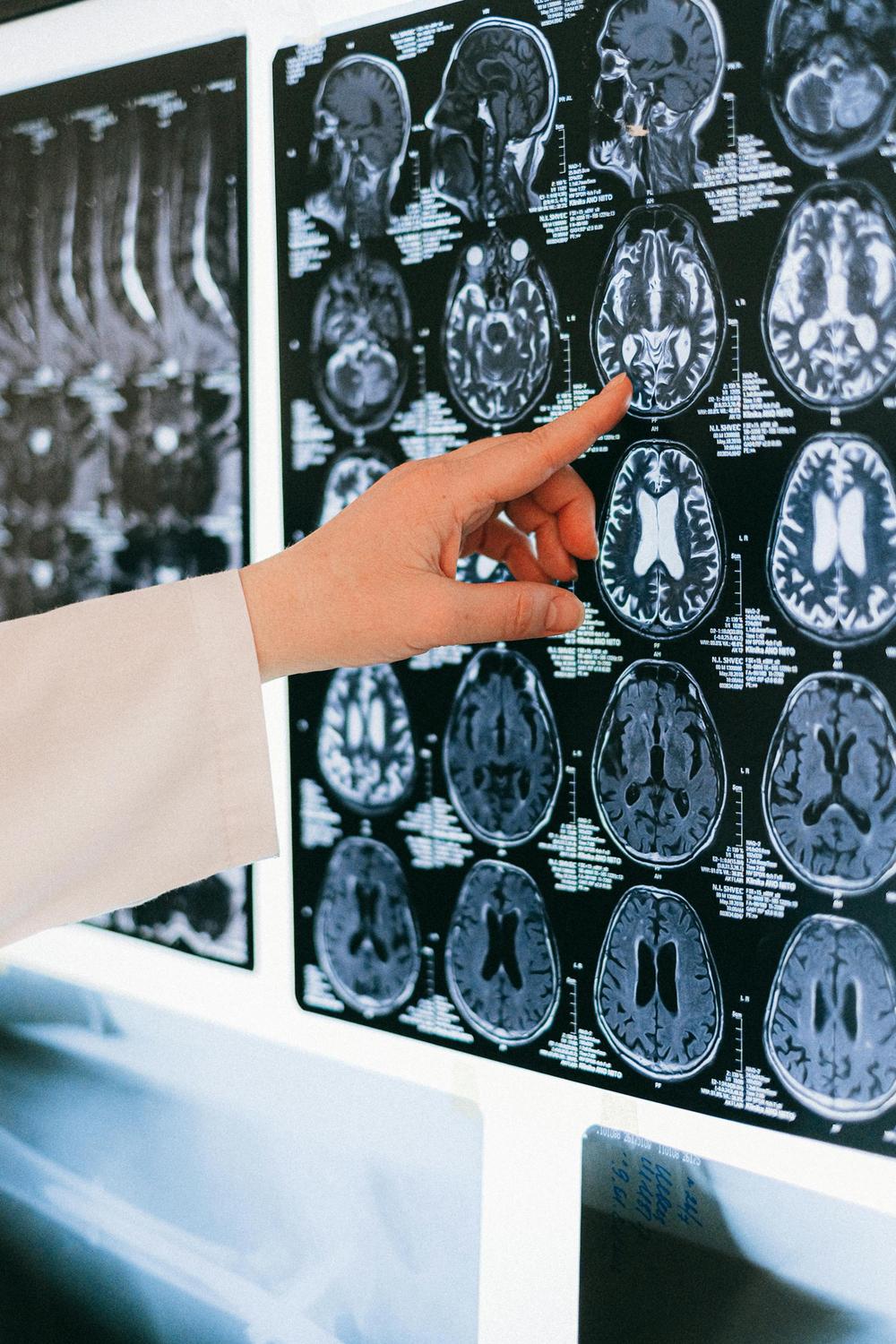
Brain imaging through MRI or CT typically appears normal in Kleine-Levin Syndrome, an important finding that helps differentiate KLS from structural brain lesions. Functional imaging studies conducted during research show distinctive patterns of reduced blood flow (hypoperfusion) in the thalamus, hypothalamus, and temporal lobes during episodes, though these techniques are not used diagnostically in routine clinical practice.
Sleep studies (polysomnography) usually demonstrate normal findings between episodes but may show decreased slow-wave or REM sleep during active phases. Electroencephalography (EEG) reveals generalised or frontotemporal slowing in approximately 70% of patients during episodes but returns to normal between occurrences. These tests prove valuable primarily for excluding other sleep disorders rather than confirming KLS.
Cerebrospinal fluid analysis typically shows completely normal results—no elevation in cell count, protein, or inflammatory markers. This finding helps distinguish KLS from infectious or inflammatory conditions affecting the central nervous system. Hypocretin-1 levels remain normal or only slightly decreased, an important distinction from narcolepsy where hypocretin deficiency is characteristic.
Conditions That Must Be Excluded
The differential diagnosis for Kleine-Levin Syndrome encompasses numerous conditions:
Sleep Disorders: Narcolepsy represents the most important distinction. Unlike KLS’s episodic pattern, narcolepsy causes chronic daily sleepiness. Narcolepsy patients experience cataplexy (sudden muscle weakness triggered by emotion), sleep paralysis, and vivid hallucinations when falling asleep or awakening—features absent in KLS. Idiopathic hypersomnia causes chronic rather than episodic sleepiness without the behavioural and cognitive changes seen in KLS.
Psychiatric Conditions: Bipolar disorder and atypical depression represent the most common initial misdiagnoses. However, mood changes in KLS demonstrate abrupt onset and sudden offset, whereas bipolar disorder exhibits gradual transitions. Critically, KLS patients exhibit complete normality between episodes, whilst psychiatric conditions typically show persistent symptoms or gradual cycling patterns.
Neurological Conditions: Temporal lobe epilepsy, complex partial seizures, encephalitis, meningitis, multiple sclerosis, and brain tumours must all be systematically excluded through appropriate testing. The normal findings on brain imaging and cerebrospinal fluid analysis in KLS help differentiate it from these conditions.
Metabolic and Medical Conditions: Hypothyroidism, metabolic encephalopathies, mitochondrial disorders, and various other systemic conditions can mimic aspects of KLS and require exclusion through comprehensive laboratory evaluation.
What Causes This Rare Sleep Disorder?
Despite decades of research, the definitive cause of Kleine-Levin Syndrome remains unknown. The condition is classified as a diagnosis of exclusion, and current understanding suggests a likely multifactorial aetiology involving both genetic and environmental components.
Leading Hypotheses
Hypothalamic and Thalamic Dysfunction
The most compelling evidence points toward dysfunction in the hypothalamus and thalamus—brain regions that regulate sleep, appetite, temperature, and sexual behaviour. Functional neuroimaging consistently demonstrates reduced blood flow (hypoperfusion) in these areas during acute episodes. The thalamic hypoperfusion represents the most consistent finding during symptomatic periods. Remarkably, some degree of hypoperfusion persists in the mesial temporal lobe, frontal lobe, and basal ganglia even during asymptomatic intervals, suggesting potential chronic changes despite clinical normalisation.
Viral and Autoimmune Mechanisms
A striking 72% of first episodes occur following an infection, most commonly cold-like or flu-like illnesses with fever, or upper respiratory tract infections. In Taiwanese cohorts, 96.6% of cases reported preceding upper respiratory infections. Symptom onset typically occurs 3-5 days after infection in teenagers.
This pattern strongly suggests an autoimmune mechanism, wherein infection triggers an immune response that inadvertently targets brain tissue. Post-mortem examinations, though rare, have revealed inflammatory lesions in the thalamus, diencephalon, and midbrain. The young age of onset, recurrent relapsing-remitting course, infectious prodrome, and similarities to other autoimmune neurological conditions all support this hypothesis.
However, cerebrospinal fluid analysis typically shows no inflammatory markers, and HLA typing studies have produced inconsistent results, leaving the autoimmune hypothesis unproven despite its appeal.
Genetic Susceptibility
Whilst familial cases remain uncommon, the dramatically increased risk among first-degree relatives suggests genetic factors contribute to susceptibility. Possible associations with mutations in genes LMOD3 and TRANK1 have been proposed, though definitive genetic markers remain elusive. The condition likely involves multiple genes interacting with environmental triggers rather than a single genetic cause.
Precipitating Factors
Documented triggers for initial episodes include infections (72% of cases), alcohol consumption (23%), sleep deprivation (22%), unusual stress (20%), physical exertion (19%), international travel (10%), and head trauma (9%). Interestingly, first episodes show seasonal clustering, with 31.1% occurring in autumn and 31.1% in winter, peaking in December at 14.8%.
For recurrent episodes, however, only approximately 15% have identifiable triggers—most recurrences occur without apparent precipitating factors, adding to the unpredictable nature of this condition.
How Does Kleine-Levin Syndrome Affect Quality of Life?
The impact of Kleine-Levin Syndrome extends far beyond the episodes themselves, creating profound disruptions across educational, vocational, social, and psychological domains.
Educational and Vocational Impact
School absenteeism during episodes can span days to weeks, leading to grade decline and, in severe cases, academic failure. Students miss critical instruction, examinations, and coursework deadlines. The unpredictable nature of episodes makes planning extremely difficult—a student may be performing normally one week and completely unable to attend school the next.
Vocational impacts mirror educational challenges. Work absenteeism can result in job loss or significant career disruption. The episodic nature creates particular difficulties, as employers may struggle to understand a condition characterised by periods of complete disability alternating with normal function.
Social and Family Impact
Withdrawal from peers during episodes leads to social isolation and relationship difficulties. The shame and embarrassment many patients experience regarding their behaviour during episodes—particularly disinhibited or hypersexual conduct—can persist long after symptoms resolve, creating reluctance to discuss their condition with friends or potential romantic partners.
Family stress proves significant. Parents experience anxiety about their child’s condition, worry about safety during episodes, and face challenges managing the practical demands of supervision and care. Siblings may feel neglected as parental attention focuses on the affected individual.
Psychological Burden
Depression affects 48-53% of patients, whilst anxiety occurs in approximately 25%. Suicidal ideation has been reported in roughly 15% of cases, highlighting the serious psychological impact of living with this unpredictable condition. The loss of autonomy, shame about episode-related behaviour, and fear of future recurrences contribute to diminished self-esteem and quality of life.
A particularly distressing aspect involves the significant amnesia many patients experience regarding events during episodes—48-66% cannot clearly recall what occurred. This memory gap can add to feelings of loss of control and anxiety about future episodes.
Long-term Neuropsychological Consequences
Recent evidence challenges the historical view of Kleine-Levin Syndrome as a “benign” condition. Persistent memory deficits have been documented even years after episodes resolve. Working memory impairment and visuospatial dysfunction may persist, and functional imaging suggests that some patients show ongoing hypoperfusion patterns even during asymptomatic periods, indicating potential chronic neurological changes.
Disease Course and Prognosis
The natural history of Kleine-Levin Syndrome provides both hope and uncertainty. The median disease duration ranges from 8-14 years, with an average of 20 episodes occurring during this period. Episodes tend to decrease in frequency and severity over time, and spontaneous remission typically occurs—if no episodes occur for six years, the condition is generally considered resolved.
Most cases spontaneously resolve by early adulthood, typically between ages 25-30 years. However, some cases persist into later decades, particularly in males, patients with hypersexuality symptoms, and those with adult-onset disease. Approximately 28% of cases experience severe presentations with prolonged episodes lasting more than 30 days and longer overall disease courses.
Living With Sleeping Beauty Disorder: A Focus on Support and Safety
Management of Kleine-Levin Syndrome centres primarily on supportive care and ensuring safety during episodes. Given the absence of proven interventions that consistently prevent or shorten episodes across all patients, creating a safe, supportive environment represents the cornerstone of care.
Supportive Measures
Safe home environments during episodes prove essential. Supervision prevents harm, as patients should not drive vehicles, operate machinery, or engage in activities requiring full alertness. School and work require accommodation and postponement during symptomatic periods. Parents or guardians must provide observation to prevent wandering unattended.
Between episodes, maintaining consistent sleep hygiene—regular sleep schedules, appropriate sleep environment, and healthy sleep habits—may help overall wellbeing, though evidence for preventing episodes remains limited.
Psychological support addresses the shame and embarrassment many patients experience regarding their behaviour during episodes. Professional counselling can help individuals process their experiences and develop coping strategies for the uncertainty inherent in this condition. Monitoring for depression and suicidal ideation remains crucial throughout the disease course.
Educational and Workplace Accommodations
Schools should develop individualised education plans acknowledging the episodic nature of absences. Provisions for makeup examinations, extended deadlines during recovery, and communication protocols between families and educators facilitate continued academic progress despite disruptions.
Workplaces benefit from clear communication about the medical nature of the condition. Flexible work arrangements, the ability to work from home during recovery periods, and understanding from supervisors and colleagues all contribute to vocational success.
Long-term Monitoring
Even after apparent resolution, individuals with a history of Kleine-Levin Syndrome benefit from ongoing monitoring. The potential for persistent neuropsychological deficits suggests that some patients may require continued support even after episodes cease. Regular neuropsychological assessment can identify areas requiring intervention or accommodation.
Prognosis and Hope
Despite the significant disruption Kleine-Levin Syndrome causes during active phases, the long-term prognosis remains generally favourable. The vast majority of patients experience spontaneous remission, returning to completely normal function with no ongoing episodes. Understanding this natural history provides hope to patients and families navigating the challenging years of active disease.
The unpredictability of episodes—when they will occur, how long they will last, and when permanent remission will arrive—creates ongoing uncertainty. However, the knowledge that resolution typically occurs by early adulthood offers reassurance during difficult periods.
Advancing Understanding Through Research
Kleine-Levin Syndrome represents one of medicine’s enduring mysteries. The rarity of the condition creates significant challenges for research—conducting large-scale studies proves difficult when fewer than 500 cases have been documented worldwide. Notably, no randomised controlled trials of any interventions have been conducted, representing a major gap in evidence-based care.
International collaboration and patient registries offer the most promising path forward for advancing understanding. Pooling cases across multiple centres enables larger studies that can identify genetic markers, characterise neurological changes more precisely, and potentially identify effective interventions.
The hypothesis that Kleine-Levin Syndrome represents a form of autoimmune encephalopathy remains compelling but unproven. Future research exploring immunological mechanisms and testing immune-modulating approaches may yield breakthroughs in both understanding and managing this condition.
For Australian researchers and clinicians, contributing to international research collaboratives and maintaining detailed documentation of encountered cases advances collective understanding of this rare disorder. Every case documented adds to the global knowledge base that may eventually unlock the mysteries of Sleeping Beauty Disorder.
Looking to discuss your health options? Speak to us and see if you’re eligible today.
Is Kleine-Levin Syndrome the same as narcolepsy?
No, Kleine-Levin Syndrome and narcolepsy are fundamentally different conditions despite both involving excessive sleepiness. KLS causes episodic hypersomnia—patients experience discrete episodes of excessive sleep separated by periods of complete normality, whereas narcolepsy causes chronic daily sleepiness that persists continuously. Narcolepsy typically includes cataplexy, sleep paralysis, and vivid hallucinations when falling asleep or awakening—features not seen in KLS. Additionally, narcolepsy is far more common compared to the extreme rarity of KLS.
How long do Kleine-Levin Syndrome episodes last, and how often do they occur?
Episodes typically last 1-3 weeks, though they can range from a few days to several weeks. During active disease, patients average between 2-12 episodes per year, with intervals between episodes ranging from weeks to months (on average 3-5 months). Over the disease course, patients experience an average of 20 episodes during a median 8-14 year period before spontaneous remission occurs.
Can Kleine-Levin Syndrome be cured?
There is no known cure for Kleine-Levin Syndrome. Most patients experience spontaneous remission by early adulthood (typically between ages 25-30 years), and the condition is considered resolved if no episodes occur for six years. Current management focuses on supportive care and safety during episodes rather than curative treatments.
What should families do during a Kleine-Levin Syndrome episode?
Families should focus on providing a safe and supportive environment during episodes. This includes ensuring that the affected individual does not drive, operate machinery, or engage in dangerous activities. It is important to supervise the individual, allow them to sleep as needed, ensure they wake only for basic needs like eating and toileting, and maintain a calm and understanding atmosphere. Families should also contact healthcare providers if episodes are unusually prolonged or if concerning symptoms arise.
Is Kleine-Levin Syndrome a psychological or neurological condition?
Kleine-Levin Syndrome is a neurological disorder, not a psychiatric or psychological condition, despite initial presentations sometimes being misdiagnosed as bipolar disorder or depression. The condition is supported by functional imaging studies showing brain dysfunction during episodes, particularly in the thalamus and hypothalamus. However, KLS can have significant psychological impacts, such as depression and anxiety, which may require additional supportive care.