The school bell rings. For most, it’s an unremarkable sound signalling the end of class. Yet for someone experiencing hypervigilance, that unexpected noise triggers an immediate cascade—heart racing, muscles tensing, a split-second scan for threats. Even in objectively safe environments, the nervous system remains locked in a state of perpetual alertness, constantly scanning for danger that may never arrive. This exhausting state of heightened awareness affects millions of Australians, fundamentally altering how they navigate work, relationships, and everyday moments that others take for granted.
Hypervigilance represents more than ordinary caution or appropriate concern. It reflects a nervous system caught in a relentless loop of threat detection, unable to distinguish between genuine danger and benign stimuli. The cost extends far beyond momentary discomfort—chronic hypervigilance reshapes brain architecture, compromises physical health, and systematically erodes quality of life. Yet despite its prevalence, hypervigilance remains poorly understood by those who haven’t experienced it and inadequately addressed within conventional healthcare frameworks.
What Exactly Is Hypervigilance and How Does It Differ from Normal Alertness?
Hypervigilance describes a state of exaggerated, persistent alertness characterised by excessive environmental scanning for potential threats, whether real or imagined. Unlike appropriate vigilance—which activates in response to genuine danger and subsides once the threat passes—hypervigilance maintains an elevated baseline of arousal even in demonstrably safe contexts.
The distinction centres on three critical factors: intensity, duration, and appropriateness. Normal vigilance operates proportionately to actual threat levels and naturally deactivates when danger resolves. An individual might feel appropriately alert walking through an unfamiliar area late at night, yet relaxes upon reaching home. Hypervigilance, conversely, persists across contexts, maintaining high arousal regardless of objective safety.
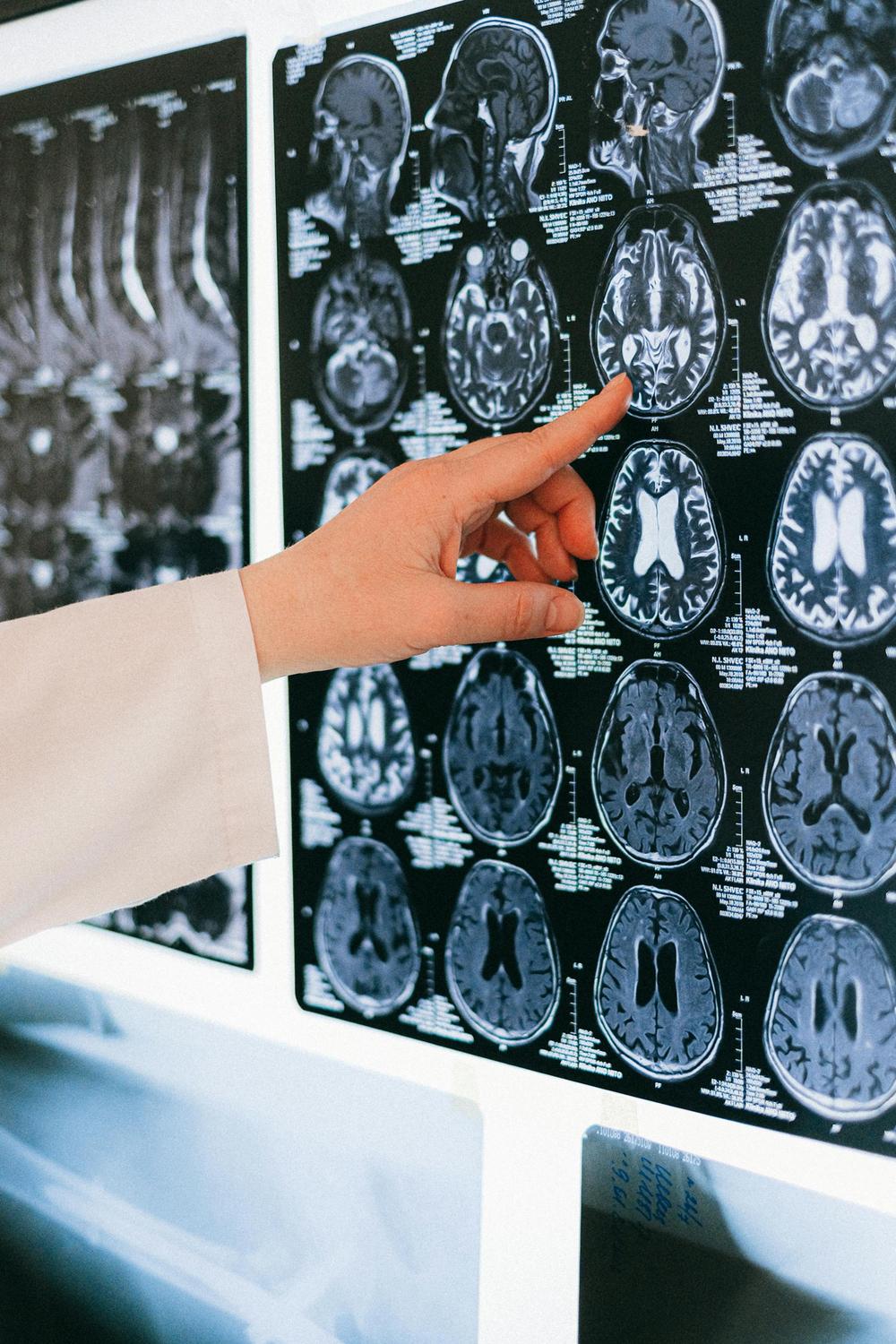
This heightened state originates from evolutionary survival mechanisms. Early humans required rapid threat detection to avoid predators and environmental hazards. The amygdala—a small, almond-shaped brain structure—evolved to process potential dangers within milliseconds, triggering protective responses before conscious thought occurs. In hypervigilance, this ancient alarm system becomes chronically overactive, interpreting ambiguous or neutral stimuli as potential threats.
Importantly, hypervigilance constitutes a symptom rather than a diagnosis. It manifests across numerous conditions including post-traumatic stress disorder, anxiety disorders, and trauma-related presentations. The phenomenon reflects dysregulated stress response systems operating as though danger perpetually looms, regardless of environmental reality.
A nervous system locked in hypervigilance essentially forgets how to rest, mistaking peace for the calm before inevitable catastrophe.
How Does Hypervigilance Manifest Across Physical, Emotional, and Behavioural Dimensions?
The manifestations of hypervigilance extend across multiple domains, creating a constellation of symptoms that collectively diminish wellbeing and functioning. Understanding these varied presentations proves essential for recognition and appropriate intervention.
Physical Manifestations
The body bears tangible evidence of perpetual alertness. Chronic activation of stress response systems produces:
- Elevated heart rate and blood pressure, even at rest
- Rapid, shallow breathing or periodic breathlessness
- Persistent muscle tension, particularly concentrated in shoulders, jaw, and neck
- Excessive perspiration and temperature dysregulation
- Chronic fatigue despite appearing “wired”
- Sleep disturbances including difficulty falling asleep, frequent awakening, and unrefreshing rest
- Gastrointestinal disruption as digestive processes become subordinated to perceived survival needs
- Chronic pain or unexplained physical discomfort
Research indicates that individuals experiencing the highest levels of hypervigilance show an average blood pressure increase of 8.6 mmHg compared to those with minimal hypervigilance—a clinically significant elevation carrying cardiovascular implications.
Emotional and Cognitive Dimensions
Hypervigilance profoundly impacts emotional regulation and cognitive processes:
- Persistent low-level anxiety or foreboding that something adverse will occur
- Hair-trigger irritability and disproportionate anger responses
- Racing or intrusive thoughts that resist conscious control
- Difficulty concentrating as attention constantly redirects toward perceived threats
- Catastrophising—automatically assuming worst-case scenarios
- Hyperawareness of others’ expressions, tone, and body language
- Emotional exhaustion despite limited external demands
- Anticipatory anxiety that prevents enjoying positive experiences
The prefrontal cortex—responsible for rational thought and emotional regulation—becomes overwhelmed by stress hormones during hypervigilant states. This produces emotions “so intense they knock out any logic or reason,” as neurobiological research describes, fundamentally compromising decision-making capacity.
Behavioural Patterns
Observable behaviours reveal the internal experience of heightened threat detection:
- Constant visual scanning of environments, particularly noting exits and potential hazards
- Exaggerated startle responses to unexpected stimuli—sudden sounds, movements, or touch
- Systematic avoidance of situations, places, or contexts associated with perceived danger
- Compulsive checking behaviours verifying locks, windows, or safety measures
- Preferential positioning with back against walls or near exits
- Difficulty engaging in spontaneous activities requiring relinquished control
- Aggressive or defensive reactions disproportionate to actual situations
| Characteristic | Normal Vigilance | Hypervigilance |
|---|---|---|
| Activation | Responds to genuine threats | Activated by neutral or ambiguous stimuli |
| Duration | Subsides when threat resolves | Persists across safe contexts |
| Intensity | Proportionate to danger level | Exaggerated relative to actual risk |
| Control | Consciously regulated | Automatic, difficult to modulate |
| Impact | Minimal interference with functioning | Significantly impairs daily activities |
| Insight | Recognises appropriate responses | May recognise exaggeration but cannot control it |
| Recovery | Returns to baseline quickly | Prolonged elevated arousal |
What Underlying Mechanisms Drive the Brain and Body Into Hypervigilant States?
Understanding hypervigilance requires examining the neurobiological architecture governing threat detection and stress responses. This knowledge demystifies experiences that often feel bewildering or uncontrollable.
Neural Circuitry of Threat Detection
Three interconnected brain regions orchestrate hypervigilant responses:
The Amygdala functions as the brain’s alarm system, processing emotionally salient information—particularly threats—within approximately 20 milliseconds. In hypervigilance, the amygdala exhibits chronic hyperactivity, perceiving danger in neutral stimuli. It receives sensory information directly from the thalamus via a “quick and dirty” pathway, enabling rapid protective responses before conscious awareness occurs.
The Prefrontal Cortex normally provides “top-down” inhibition, rationally evaluating amygdala signals and modulating responses. During chronic stress, prefrontal activity diminishes, reducing capacity to contextualise or reason away perceived threats. The rational brain essentially goes offline, leaving emotional processing unchecked.
The Hippocampus contextualises memories with temporal and spatial information, helping distinguish past from present. In hypervigilance, particularly following trauma, hippocampal function becomes compromised. This impairment prevents the brain from recognising that previous threatening circumstances have ended, maintaining alertness to dangers that no longer exist.
Stress Response Systems
Two complementary pathways mediate physiological responses to perceived threats:
The Sympathetic-Adrenomedullary (SAM) System activates within milliseconds, releasing adrenaline and noradrenaline. This “accelerator” increases heart rate, blood pressure, and respiratory rate whilst redirecting blood flow toward large muscle groups. Pupils dilate, digestion slows, and glucose floods the bloodstream—preparing for immediate action.
The Hypothalamic-Pituitary-Adrenal (HPA) Axis operates on a slower timescale, sustaining stress responses over hours or days through cortisol release. In chronic hypervigilance, HPA axis dysregulation maintains persistently elevated cortisol levels, contributing to numerous adverse health outcomes including immune suppression, metabolic dysfunction, and potentially neurodegenerative changes.
The Parasympathetic Nervous System should function as the body’s “brake,” restoring calm once threats pass. In hypervigilance, parasympathetic activation proves insufficient or delayed, preventing return to baseline functioning. This imbalance leaves individuals perpetually primed for danger that fails to materialise.
The hypervigilant brain essentially recalibrates its threat detection threshold, treating safety as statistical anomaly rather than expected state.
Who Experiences Hypervigilance and What Circumstances Trigger This Response?
Hypervigilance affects a substantial proportion of Australians, though prevalence varies across populations and circumstances. Understanding epidemiology and risk factors illuminates both individual vulnerability and broader social determinants.
Australian Mental Health Landscape
Recent national data reveals concerning prevalence:
- 17.2% of Australians (approximately 3.4 million people) experienced anxiety disorders in the preceding 12 months, with hypervigilance representing a core feature
- 42.9% of Australians have experienced mental disorders at some point during their lifetime
- 38.8% of young adults aged 16-24 experienced 12-month mental disorders—the highest proportion of any age group
- 45.5% of females aged 16-24 met criteria for mental disorders, compared with 32.4% of males
- 50.3% of LGBTQ+ identifying individuals experienced anxiety disorders annually—more than double the heterosexual population rate of 19.9%
These statistics underscore hypervigilance as a widespread phenomenon affecting diverse communities, yet only 45.1% of those experiencing mental disorders accessed professional support—highlighting substantial treatment gaps.
Trauma and Adverse Experiences
Post-traumatic stress disorder represents one condition most strongly associated with hypervigilance. Approximately 5.6% of Australians experience PTSD annually, with hypervigilance constituting a cardinal symptom within the “arousal and reactivity” cluster. Traumatic circumstances precipitating hypervigilance include:
- Combat exposure and military service
- Sexual assault or childhood abuse
- Domestic violence and interpersonal trauma
- Serious accidents or life-threatening events
- Witnessing violence or death
- Natural disasters and environmental catastrophes
- Childhood neglect or unstable caregiving environments
Children raised in unpredictable or threatening contexts develop hypervigilance as an adaptive survival mechanism. The developing brain learns elevated threat detection as normal baseline functioning, establishing neural patterns that persist into adulthood even after environmental circumstances improve.
Structural and Social Determinants
Research examining hypervigilance within Australian and international communities reveals concerning patterns:
- Individuals exposed to community violence show a 5.5 percentage point increase in hypervigilance scores
- Those experiencing traumatic police encounters demonstrate a 9.8 percentage point increase, with traumatic police stops associated with 20 percentage point elevation
- Residents of high-crime neighbourhoods maintain chronically elevated vigilance levels
- People experiencing homelessness—39.1% of whom have 12-month mental disorders—face disproportionate hypervigilance rates
- Economic instability and unemployment correlate with heightened stress responses
These findings emphasise that hypervigilance reflects not merely individual pathology but responds to genuine environmental threats and systemic inequities affecting vulnerable populations.
Gender and Demographic Patterns
Women experience anxiety disorders at significantly higher rates than men (21.1% versus 13.3%), partially attributable to gender-based violence, discrimination, and caregiving burdens. Young adults face particular vulnerability, with mental health challenges peaking between ages 16-24 before gradually declining across the lifespan.
What Evidence-Based Approaches Effectively Address Hypervigilance and Restore Nervous System Balance?
Addressing hypervigilance requires multimodal interventions targeting both neurobiological mechanisms and learned responses. Fortunately, substantial evidence supports various therapeutic approaches, offering hope for those experiencing chronic heightened alertness.
Psychological Interventions
Cognitive Behavioural Therapy (CBT) represents first-line psychological treatment, supported by extensive research demonstrating efficacy for anxiety disorders and PTSD. CBT helps individuals identify and challenge distorted thought patterns perpetuating hypervigilance whilst gradually exposing them to feared situations within controlled contexts. Typical courses involve 12-20 sessions, with benefits often persisting long after treatment concludes.
Trauma-Focused Cognitive Behavioural Therapy (TF-CBT) specifically addresses trauma-related hypervigilance, enabling individuals to process traumatic memories safely whilst developing coping strategies. This structured approach reduces both re-experiencing symptoms and chronic arousal.
Eye Movement Desensitisation and Reprocessing (EMDR) combines trauma processing with bilateral stimulation—typically eye movements—facilitating memory reprocessing and reducing emotional intensity. Clinical guidelines from organisations such as the National Institute for Health and Care Excellence recommend EMDR for PTSD treatment.
Acceptance and Commitment Therapy (ACT) focuses on accepting difficult emotions rather than struggling against them, helping individuals build psychological flexibility and engage with valued activities despite anxiety. This approach proves particularly beneficial when hypervigilance resists complete elimination.
Somatic and Body-Based Approaches
Recognising that trauma and chronic stress become encoded physically, body-focused therapies address nervous system dysregulation directly:
- Somatic Experiencing facilitates release of held tension and activation within the body, helping restore natural stress response rhythms
- Progressive Muscle Relaxation systematically reduces physical tension patterns maintaining hyperarousal
- Breathwork practices activate the parasympathetic nervous system, counteracting sympathetic dominance
These interventions acknowledge that cognitive understanding alone proves insufficient when the body remains locked in defensive states.
Lifestyle and Self-Directed Strategies
Evidence supports numerous self-management approaches complementing professional treatment:
Physical activity reduces anxiety symptoms through multiple mechanisms including stress hormone metabolism, neuroplasticity promotion, and improved sleep quality. Regular aerobic exercise, yoga, and movement practices incorporating mindfulness show particular benefit.
Sleep optimisation proves crucial, as sleep deprivation exacerbates hypervigilance whilst hypervigilance disrupts sleep—creating problematic bidirectional cycles. Consistent schedules, appropriate sleep hygiene, and addressing specific sleep disorders significantly improve daytime functioning.
Mindfulness meditation strengthens prefrontal cortex regulation of the amygdala over time, with regular practice producing measurable neurological changes. Even brief daily practice (10-15 minutes) demonstrates benefits when maintained consistently.
Dietary modifications support nervous system function by stabilising blood glucose, reducing stimulant intake (particularly caffeine), and ensuring adequate nutrition supporting neurotransmitter synthesis.
Social connection with trusted individuals provides nervous system co-regulation—the capacity to borrow calm from others’ regulated states. Isolation exacerbates hypervigilance, whilst safe relationships facilitate recovery.
Professional Support Pathways in Australia
Multiple resources exist for Australians seeking professional assistance:
- General practitioners serve as initial contact points, providing assessment, referrals, and coordination of care
- Clinical psychologists deliver evidence-based therapies, with Medicare-subsidised sessions available through Mental Health Care Plans
- Psychiatrists offer specialised assessment and comprehensive treatment planning when indicated
- Crisis services including Lifeline (13 11 14) and Beyond Blue (1300 224 636) provide immediate support
Significantly, only 27% of Australians with anxiety disorders seek professional help, with an average delay of 8.2 years from symptom onset to treatment initiation. Earlier intervention typically produces better outcomes whilst preventing secondary complications.
Emerging and Integrative Approaches
Holistic wellness frameworks increasingly recognise hypervigilance as reflecting whole-system dysregulation requiring comprehensive intervention. Approaches integrating nutritional optimisation, movement practices, stress reduction techniques, and appropriate professional support show promise for addressing underlying mechanisms rather than merely suppressing symptoms.
The most effective treatment approaches recognise that hypervigilance represents not personal failure or character weakness, but rather a nervous system adaptively responding to perceived danger—a response that can be gradually recalibrated through appropriate intervention.
How Does Chronic Hypervigilance Impact Long-Term Health and What Are the Consequences of Delayed Treatment?
The ramifications of sustained hypervigilance extend far beyond immediate discomfort, producing cascading effects across physical health, mental wellbeing, relationships, and overall life trajectory.
Physical Health Consequences
Chronic activation of stress response systems exacts substantial physiological toll:
Cardiovascular impacts include hypertension, with research demonstrating average blood pressure increases of 8.6 mmHg in highly hypervigilant individuals—sufficient to elevate cardiovascular disease risk significantly. Chronic stress hormones promote inflammation, atherosclerosis development, and adverse metabolic changes.
Immune dysregulation results from persistently elevated cortisol, which suppresses immune function and increases susceptibility to infections. The body essentially prioritises immediate threat responses over long-term health maintenance.
Chronic pain frequently accompanies hypervigilance, as sustained muscle tension, altered pain processing, and stress-induced inflammation create persistent discomfort. Conditions such as fibromyalgia show strong associations with hypervigilant states.
Sleep architecture disruption produces unrefreshing rest despite hours spent in bed. Light sleep predominates, deep restorative sleep diminishes, and nightmares frequently interrupt sleep continuity. Sleep deprivation then exacerbates daytime hypervigilance, perpetuating destructive cycles.
Psychological and Emotional Impacts
Mental health frequently deteriorates under sustained hypervigilance:
Depression commonly develops, with emotional exhaustion, hopelessness, and anhedonia (inability to experience pleasure) emerging from chronic stress. Notably, 74.9% of Australians experiencing suicidal ideation also met criteria for mental disorders, underscoring serious potential consequences.
Anxiety disorders may worsen or develop de novo, with hypervigilance both symptom and maintaining factor. Generalised anxiety, panic disorder, and social anxiety show bidirectional relationships with heightened alertness.
Relational and Social Consequences
Hypervigilance fundamentally alters interpersonal dynamics:
- Difficulty trusting others, even within close relationships, creates emotional distance
- Misinterpretation of benign behaviours as threatening damages partnerships
- Avoidance of social situations produces isolation and loneliness
- Hyperawareness of others’ emotional states creates exhausting vigilance within interactions
- Defensive or aggressive reactions push away potential support
Social isolation then removes buffering factors that might otherwise facilitate recovery, whilst simultaneously increasing vulnerability to additional mental health challenges.
Occupational and Financial Ramifications
Workplace functioning often deteriorates significantly:
- Concentration difficulties impair productivity and accuracy
- Avoidance of meetings, presentations, or collaborative work limits career advancement
- Conflict with colleagues or supervisors arising from misinterpretations
- Absenteeism and potential job loss
- Reduced earning capacity and financial strain
These occupational consequences compound stress, potentially intensifying the very hypervigilance undermining functioning—creating particularly pernicious feedback loops.
Quality of Life Erosion
Perhaps most insidiously, hypervigilance systematically erodes life quality:
- Inability to enjoy positive experiences due to anticipatory anxiety
- Restricted lifestyle from avoidance patterns
- Loss of spontaneity and flexibility
- Disconnection from previously meaningful activities
- Pervasive sense of unsafety within one’s own body and environment
The cumulative impact represents substantial diminishment of human flourishing, with individuals surviving rather than genuinely living.
Moving Beyond Hypervigilance: Reclaiming Safety and Presence
Understanding hypervigilance as a neurobiological phenomenon rather than a personal failing proves essential for compassionate, effective intervention. The heightened alertness characterising this state reflects a nervous system attempting to protect against perceived dangers—a system that can be gradually recalibrated through appropriate support and intervention.
The substantial prevalence within Australian communities—affecting millions through anxiety disorders, PTSD, and trauma-related conditions—underscores hypervigilance as a widespread challenge rather than an isolated experience. Yet significant treatment gaps persist, with fewer than half of affected individuals accessing professional support despite the availability of effective interventions.
Recovery typically requires patience and sustained effort. Neural pathways establishing hypervigilant patterns developed over months or years; their modification similarly requires time. However, neuroplasticity—the brain’s capacity for reorganisation—offers genuine hope. With appropriate therapeutic support, lifestyle modifications, and often holistic approaches addressing whole-person wellbeing, individuals can restore nervous system balance and reclaim capacity for rest, connection, and presence.
The journey from hypervigilance toward restored regulation represents not merely symptom reduction but a fundamental transformation in how individuals inhabit their bodies and navigate their worlds. It involves gradually teaching the nervous system that safety exists—not as an abstract concept but as lived experience—and that the present moment need not be continuously scanned for dangers that have already passed.
For those experiencing chronic heightened alertness, professional consultation provides an essential starting point for developing individualised treatment approaches. Multiple therapeutic modalities, lifestyle interventions, and increasingly, integrative wellness frameworks offer pathways toward recovery—pathways best navigated with qualified guidance tailored to individual circumstances, histories, and needs.
What triggers hypervigilance episodes in daily life?
Hypervigilance episodes can be triggered by sensory stimuli (such as sudden loud noises, specific smells, or visual cues), situational factors (like crowded spaces or unfamiliar environments), emotional circumstances (including conflict, criticism, or perceived rejection), or cognitive elements (reminders of past trauma, uncertainty, or anticipatory anxiety). Triggers vary significantly between individuals based on personal history and specific trauma experiences.
How long does it take to recover from chronic hypervigilance?
Recovery timelines vary substantially depending on the duration of hypervigilance, underlying causes, treatment approaches, and individual factors. Some individuals notice improvement within weeks of beginning evidence-based therapy, while others may require months or even years of sustained intervention. Most research suggests meaningful improvement within 3-6 months of consistent therapeutic engagement, with continued gains over 12-24 months, though recovery is generally a gradual process.
Can hypervigilance develop without experiencing major trauma?
Yes, hypervigilance can develop as a result of chronic stress, repeated exposure to moderate stressors, or the accumulation of adverse experiences that do not necessarily meet the criteria for major trauma. Developmental contexts involving emotional neglect, unpredictable caregiving, prolonged instability, or persistent low-level threats can also establish hypervigilant patterns.
Is hypervigilance considered a mental health disorder?
Hypervigilance itself is not a standalone diagnosable mental health disorder but rather a symptom that can occur across multiple conditions. It is a cardinal feature of post-traumatic stress disorder (PTSD) and can also appear in various anxiety disorders, depression, obsessive-compulsive disorder, and other mental health presentations. A professional assessment is necessary to determine the underlying causes and appropriate treatment approaches.
What self-help strategies provide immediate relief during hypervigilant episodes?
Several evidence-based techniques can help reduce acute hypervigilance, including deep diaphragmatic breathing (e.g., a pattern of 4-second inhale, 4-second hold, 4-second exhale, 4-second hold), grounding exercises like the 5-4-3-2-1 method to redirect attention to the present, progressive muscle relaxation, and sensory stimulation (such as applying cold water to the face or holding an ice cube to stimulate the vagus nerve). Naming the experience can also help create psychological distance.