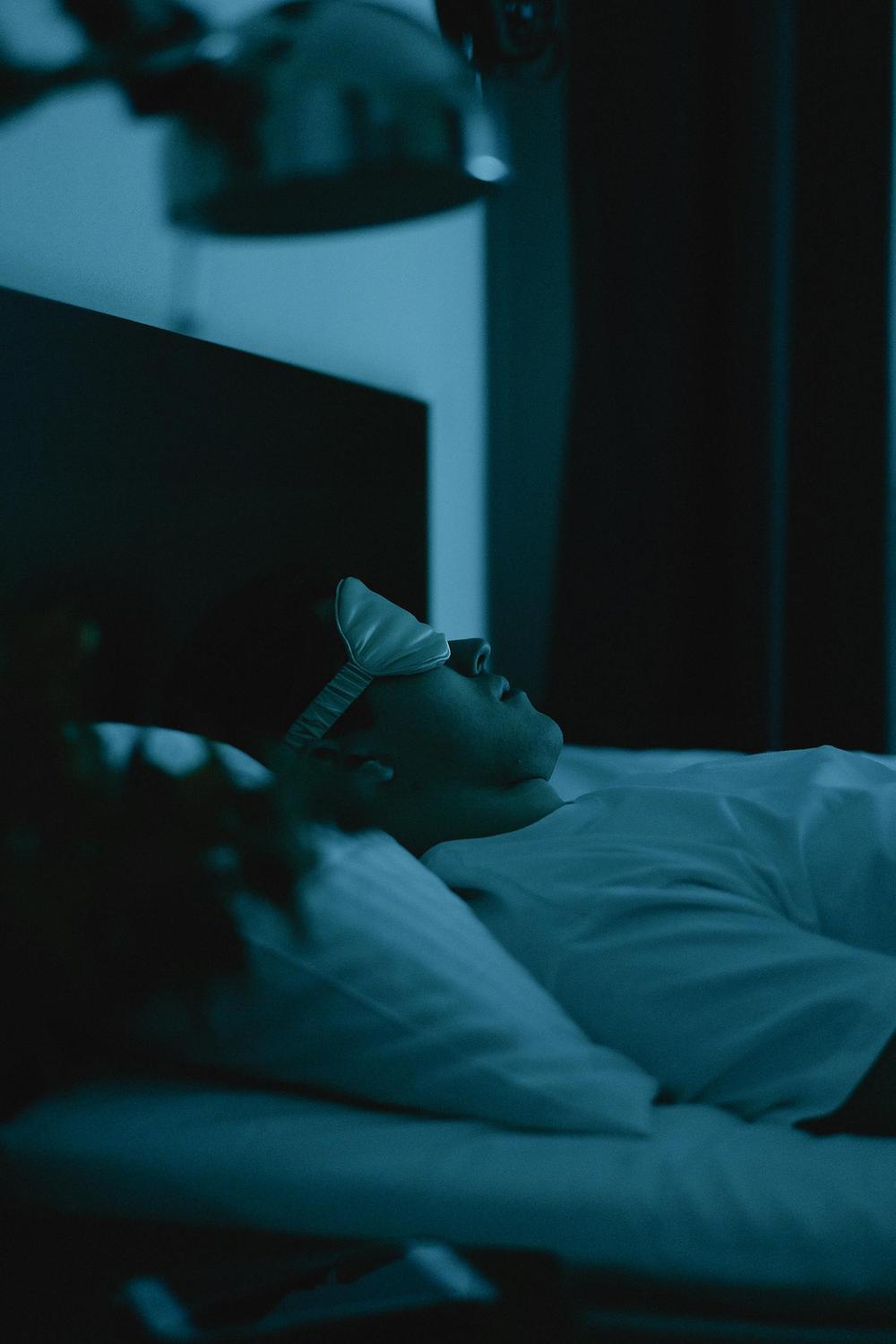
The alarm rings for the fourth time. You’ve already hit snooze three times, yet waking feels like swimming through concrete. Despite sleeping ten hours, you’re already planning which afternoon meetings you might doze through. This isn’t ordinary tiredness—this is the relentless grip of hypersomnia, a neurological condition affecting between 4-6% of the general population, yet remaining profoundly misunderstood and frequently dismissed as mere laziness or poor sleep habits.
For countless Australians navigating excessive daytime sleepiness, the struggle extends far beyond the bedroom. It infiltrates work presentations, family dinners, and even the drive home—creating not just inconvenience, but genuine danger. With 48% of Australian adults reporting at least two sleep-related problems and sleep disturbance ranking among the most prevalent presentations in Australian general practice for six consecutive years, understanding hypersomnia has never been more critical.
What Is Hypersomnia and How Does It Differ From Regular Tiredness?
Hypersomnia represents a neurological condition characterised by excessive daytime sleepiness, excessive night-time sleep duration, or an inability to stay awake and alert during major waking episodes. The International Classification of Sleep Disorders defines daytime sleepiness as “the inability to stay awake and alert during the major waking episodes of the day, resulting in unintended lapses into drowsiness or sleep.”
The distinction between hypersomnia and ordinary fatigue proves crucial for proper identification. Fatigue manifests as weariness or lack of energy without necessarily increasing actual sleep. In contrast, hypersomnia involves genuine sleep episodes or an irrepressible need to sleep—the body literally shutting down rather than simply feeling tired.
Primary Versus Secondary Classification
Medical professionals categorise hypersomnia into two fundamental types, each with distinct origins and characteristics:
Primary Hypersomnia (Central Disorders of Hypersomnolence) occurs without another underlying medical condition. This category includes narcolepsy types 1 and 2, idiopathic hypersomnia, and rare conditions like Kleine-Levin syndrome. Idiopathic hypersomnia remains particularly enigmatic, with estimated prevalence ranging from 32 to 37 per 100,000 persons in diagnosed populations, though actual rates may reach much higher when accounting for undiagnosed cases.
Secondary Hypersomnia results from another medical condition or external factor. Sleep apnoea, affecting approximately 4% of middle-aged adults, represents a leading cause. Depression, anxiety disorders, neurological conditions, metabolic disorders, and insufficient sleep all contribute to secondary hypersomnia presentations.
| Characteristic | Primary Hypersomnia | Secondary Hypersomnia |
|---|---|---|
| Underlying Cause | No identifiable medical condition | Results from another medical condition |
| Sleep Quality | Often high sleep efficiency (≥90%) | Variable, often fragmented |
| Treatment Focus | Directly managing hypersomnolence | Addressing underlying condition |
| Diagnostic Delay | Average 10-13 years | Depends on primary condition recognition |
| Prevalence | Rare (32-37 per 100,000) | More common (up to 20% of population) |
What Causes Excessive Sleepiness and Who Is at Risk?
Understanding hypersomnia requires examining the complex interplay of neurobiological, genetic, and environmental factors that contribute to its development.
Neurobiological Mechanisms
Research increasingly points toward dysfunction in key brain systems regulating sleep and wakefulness. The GABA-A receptor system shows particular promise as a research focus, with some individuals displaying possible endogenous substances causing hyperactivity of these receptors—essentially functioning like a built-in sedative mechanism. Additionally, orexin and hypocretin systems, which maintain wakefulness, may show reduced signalling in certain hypersomnia presentations.
The autonomic nervous system demonstrates significant involvement. Research comparing 138 individuals with idiopathic hypersomnia against 81 controls revealed significantly higher autonomic symptom burden across all six measured domains. This autonomic dysfunction correlates positively with sleepiness severity and negatively impacts quality of life.
Genetic and Familial Factors
Approximately 33% of hypersomnia cases show positive family history, suggesting genetic predisposition. Researchers have identified variants in genes regulating circadian rhythms and sleep-wake cycles, though genetic testing remains primarily investigational rather than diagnostic.
Risk Factors Across the Lifespan
Excessive sleepiness demonstrates distinct patterns across demographics. Among adolescents, 41.5% report feeling sleepy during daytime, with 11.7% meeting full hypersomnolence criteria. The condition shows 1.4 times higher prevalence in females compared to males during adolescent years, with ages 15-16 showing highest prevalence rates—3.2 times higher than ages 13-14.
Symptom onset typically occurs between ages 10-30, most commonly during ages 16-21, yet the average age of diagnosis reaches 30 years—highlighting a troubling 10-13 year diagnostic delay that leaves individuals struggling without proper identification or support.
Associated Medical Conditions
Secondary hypersomnia connects to numerous medical conditions. Depression shows particularly strong association, with 50.8% of individuals with depression scoring above clinical thresholds on sleepiness scales. The relationship appears bidirectional—poor sleep exacerbates depression, whilst depression disrupts sleep architecture.
Cardiovascular health demonstrates concerning connections, with hypersomnia patients showing 2.0-2.2 times higher odds of hypertension, cardiovascular disease, stroke, and heart failure. Sleep apnoea risk increases dramatically—26.1 times higher odds in those with idiopathic hypersomnia.
How Do You Know If You Have Hypersomnia? Recognising the Signs
Hypersomnia presents through a constellation of symptoms extending well beyond simple tiredness, profoundly impacting cognitive function and daily activities.
Primary Manifestations
Excessive Daytime Sleepiness represents the hallmark symptom—an irrepressible need to sleep occurring at inappropriate times during work, conversations, or even whilst driving. Unlike typical afternoon drowsiness, this sleepiness proves persistent and overwhelming.
Prolonged Night-time Sleep characterises many presentations, with individuals sleeping 9-14+ hours yet waking unrefreshed. This extended sleep duration fails to provide the restoration that normal sleep delivers.
Sleep Inertia or “sleep drunkenness” proves particularly debilitating in idiopathic hypersomnia. Upon waking, individuals experience extreme difficulty achieving full alertness, confusion, disorientation, and irritability that may persist for hours. Multiple loud alarms become necessary, yet achieving functional wakefulness remains extraordinarily challenging.
Non-Refreshing Sleep and Naps distinguish hypersomnia from narcolepsy. Long daytime naps—often exceeding one hour—fail to relieve tiredness or restore alertness, leaving individuals as fatigued after napping as before.
Cognitive Symptoms: The Hidden Burden
[Brain fog] emerges as the second most common symptom after excessive sleepiness, reported by 80% of individuals in registry studies. This cognitive dysfunction includes:
- Inability to think clearly or concentrate
- Slowed thinking and speech
- Word-finding difficulties
- Memory impairment, particularly for recent events
- Difficulty learning new information
- Reduced decision-making capability
These cognitive symptoms often prove more disabling than the sleepiness itself, impacting work performance, academic achievement, and social interactions. Notably, brain fog may represent an independent symptom rather than merely a consequence of sleepiness, explaining why it persists even when daytime alertness improves.
Impact on Functional Capacity
The functional impairment from hypersomnia extends across all life domains. Work productivity shows striking deficits: absenteeism reaches 12.3%, presenteeism (attending work whilst impaired) affects 47.6%, overall work impairment hits 51.4%, and activity impairment reaches 64.0%.
Motor vehicle accident risk increases to levels equivalent to driving whilst intoxicated—a sobering reality that underscores the serious safety implications. Relationships suffer as social participation declines, academic performance drops, and individuals withdraw from activities they previously enjoyed.
What Is the Diagnostic Process for Hypersomnia in Australia?
Diagnosing hypersomnia requires comprehensive evaluation combining clinical assessment with objective sleep testing, conducted through Australia’s sleep medicine network and general practice system.
Initial Clinical Assessment
The diagnostic journey typically begins with general practitioners, who assess sleep history, medical background, and symptom patterns. The [Epworth Sleepiness Scale] serves as a standardised screening tool, measuring likelihood of dozing in eight common situations. Scores above 10 indicate clinically significant sleepiness warranting further investigation.
Sleep diaries maintained over 1-2 weeks document sleep-wake patterns, providing crucial information about sleep duration, quality, and timing. This subjective data complements objective testing by capturing real-world patterns in the home environment.
Objective Sleep Studies
Australian sleep centres, following Australasian Sleep Association 2024 guidelines, employ polysomnography as the gold-standard overnight assessment. This comprehensive study measures brain activity, eye movements, muscle tone, heart rate, oxygen levels, and breathing patterns throughout the night.
In hypersomnia, polysomnography typically reveals high sleep efficiency (≥90%), increased slow-wave sleep, short sleep onset latency, and increased total sleep time. Critically, it excludes sleep-disordered breathing and other primary sleep disorders that might explain symptoms.
The [Multiple Sleep Latency Test] follows overnight polysomnography, offering five 20-minute nap opportunities spaced two hours apart. This test measures how quickly individuals fall asleep and whether REM sleep occurs at sleep onset. Mean sleep latency of eight minutes or less, with fewer than two sleep-onset REM periods, suggests idiopathic hypersomnia rather than narcolepsy.
Medicare and Access in Australia
Under the Medicare Benefits Schedule, sleep studies receive coverage when specific screening criteria are met, including Epworth Sleepiness Scale scores of 8 or higher plus additional risk factors. However, limited sleep medicine specialists and common waitlists for sleep studies create access challenges, particularly in regional and rural areas where telehealth services have expanded post-pandemic to improve accessibility.
Differential Diagnosis Considerations
Accurate diagnosis requires excluding other conditions presenting with similar symptoms. Sleep apnoea, insufficient sleep syndrome, depression with hypersomnia, chronic fatigue syndrome, and various neurological or metabolic conditions all enter the differential diagnosis. Only through systematic evaluation can clinicians identify the true underlying cause and direct appropriate management.
How Can Hypersomnia Be Managed in Daily Life?
Whilst various therapeutic approaches exist for managing hypersomnia, lifestyle modifications and behavioural strategies form essential components of comprehensive care, often implemented alongside professional guidance.
Sleep Hygiene and Routine Optimisation
Establishing consistent sleep-wake schedules proves fundamental—maintaining the same bedtime and wake time daily, including weekends, helps regulate circadian rhythms. Creating an optimal sleep environment involves ensuring the bedroom remains cool, dark, and quiet, with comfortable bedding and minimal electronic device exposure before sleep.
Timing proves critical for various substances and activities. Caffeine consumption after 3 PM can disrupt sleep architecture, whilst alcohol, despite its sedative properties, fragments sleep and reduces sleep quality. Regular moderate exercise—30+ minutes most days, but not close to bedtime—promotes better sleep quality and daytime alertness.
Strategic Napping and Activity Management
Unlike narcolepsy, where brief naps provide refreshment, hypersomnia typically involves long, unrefreshing naps. Generally, avoiding daytime naps helps build sleep drive for night-time sleep. However, in occupational settings requiring high alertness, brief strategic naps (under 45 minutes, preferably afternoon) may provide temporary benefit when carefully planned.
Managing physical activity requires balance—regular movement improves sleep quality and cardiovascular health, yet severe overexertion may trigger symptom exacerbation in some individuals. Gradual, consistent activity progression typically proves more beneficial than sporadic intense exercise.
Cognitive and Behavioural Approaches
Cognitive Behavioural Therapy specifically designed for hypersomnia (CBT-H) addresses beliefs about sleep, sleep-related anxiety, and behavioural patterns contributing to dysfunction. This structured approach helps individuals develop healthier sleep attitudes and behaviours whilst improving overall functioning.
For those with delayed sleep-wake phase or circadian rhythm dysfunction—common in hypersomnia populations—light therapy using bright morning light exposure can help shift the internal clock earlier. This proves particularly beneficial for natural “night owls” struggling with conventional schedules.
Environmental and Occupational Modifications
Practical accommodations significantly improve safety and functioning. This includes honest assessment of driving capability, workplace schedule flexibility where possible, and open communication with employers about needs. Family and support networks benefit from education about hypersomnia, reducing stigma and fostering understanding that symptoms reflect neurological dysfunction rather than laziness or lack of motivation.
Professional Treatment Options
Medical interventions exist for hypersomnia management, prescribed and monitored by qualified healthcare professionals. These approaches vary based on individual presentation, comorbidities, and symptom severity. Australian healthcare professionals, including AHPRA-registered practitioners, work collaboratively with patients to develop personalised treatment plans addressing both the condition itself and any contributing factors.
What Long-term Outlook Can Individuals With Hypersomnia Expect?
Understanding the longitudinal course of hypersomnia helps individuals develop realistic expectations and maintain engagement with management strategies over time.
Natural History and Prognosis
Research indicates approximately 40% of individuals experience spontaneous symptom remission over time, whilst 60% follow a chronic course requiring ongoing management. Some individuals with idiopathic hypersomnia may progress to narcolepsy type 2, highlighting the importance of periodic reassessment.
The substantial diagnostic delay—averaging 10-13 years—means many individuals spend years struggling without proper identification or support. This delay often results from symptoms being dismissed as laziness, depression, or poor sleep habits, rather than recognised as a legitimate neurological condition requiring appropriate evaluation and care.
Quality of Life Considerations
Hypersomnia significantly reduces quality of life across all measured domains, comparable to other chronic conditions. Beyond sleepiness itself, associated symptoms like brain fog, cognitive dysfunction, and autonomic symptoms compound functional impairment. The 44% rate of psychiatric comorbidities—including anxiety, depression, and mood disorders—further complicates the clinical picture and requires integrated management approaches.
Social stigma persists despite increased awareness. Individuals with hypersomnia frequently encounter scepticism from employers, educators, friends, and even healthcare providers unfamiliar with the condition. This stigma exacerbates the psychological burden and may discourage individuals from seeking necessary evaluation and support.
The Importance of Comprehensive Care
Effective long-term management typically requires multidisciplinary approaches addressing not only sleep-wake regulation but also associated cognitive symptoms, mood disturbances, cardiovascular risk factors, and functional impairment. Regular follow-up with healthcare providers allows for treatment optimisation as symptoms evolve and new research emerges.
Australian healthcare initiatives increasingly recognise sleep health as a national priority alongside nutrition and exercise. Parliamentary inquiry recommendations emphasise improved awareness, healthcare provider training, and research funding—developments that may enhance diagnosis rates and treatment access for Australians living with hypersomnia.
Moving Forward: Hope and Support for Excessive Sleepiness
Understanding hypersomnia represents the crucial first step toward appropriate management and improved quality of life. For the estimated 80,000-92,000 Australian adults living with diagnosed idiopathic hypersomnia—and countless more with undiagnosed presentations—recognition that symptoms reflect genuine neurological dysfunction rather than character flaws or poor choices proves profoundly validating.
The landscape of hypersomnia care continues evolving, with emerging research illuminating underlying mechanisms and informing new management approaches. As Australian healthcare systems increasingly prioritise sleep health, access to specialised evaluation and comprehensive care should improve, reducing the current diagnostic delays and ensuring individuals receive appropriate support sooner in their journey.
Living with hypersomnia undoubtedly presents challenges—from navigating workplace expectations to maintaining relationships whilst battling persistent cognitive fog and overwhelming sleepiness. Yet with accurate diagnosis, appropriate management strategies, and robust support systems, individuals can achieve meaningful improvements in functioning, safety, and overall wellbeing.
The journey from dismissive “you just need more sleep” comments to proper recognition as someone with a legitimate medical condition requiring thoughtful care transforms not only daily functioning but also self-perception and hope for the future. Understanding that hypersomnia stems from neurobiological differences rather than personal failings empowers individuals to advocate for their needs, pursue appropriate evaluation, and engage actively in their care.
How much sleep is considered excessive in hypersomnia?
Excessive sleep in hypersomnia typically means consistently sleeping 9-14+ hours per night or achieving a total 24-hour sleep time of 11 hours or more, yet still experiencing daytime sleepiness and waking unrefreshed. The key diagnostic feature is the combination of extended sleep with persistent daytime sleepiness, which distinguishes hypersomnia from simply being a long sleeper.
Can hypersomnia be cured or does it require lifelong management?
Approximately 40% of individuals with hypersomnia experience spontaneous remission over time, whilst 60% follow a chronic course requiring ongoing management. For secondary hypersomnia, addressing the underlying cause (such as sleep apnoea, depression, or thyroid dysfunction) may resolve symptoms completely. Primary hypersomnia, including idiopathic hypersomnia, typically requires long-term management, though symptom severity may fluctuate over time with appropriate treatment.
Why is hypersomnia often misdiagnosed or dismissed by healthcare providers?
Hypersomnia often faces diagnostic delays averaging 10-13 years due to its symptom overlap with more common conditions like depression, insufficient sleep, or fatigue. Many healthcare providers may dismiss these symptoms as laziness or poor sleep habits rather than recognizing them as a sign of underlying neurological dysfunction. Limited access to specialized sleep medicine evaluation further contributes to misdiagnosis.
What is the difference between hypersomnia and chronic fatigue syndrome?
Hypersomnia involves an actual increase in sleep time or irrepressible sleep episodes, whereas chronic fatigue syndrome (ME/CFS) primarily features fatigue and exhaustion without necessarily increased sleep duration. Individuals with ME/CFS may experience unrefreshing sleep, but they usually do not show the objective sleep study abnormalities seen in hypersomnia, such as short sleep onset latency.
Is hypersomnia considered a disability in Australia?
Hypersomnia can qualify as a disability under Australian frameworks when symptoms cause substantial functional impairment. With significant impacts on work, education, and daily activities—as evidenced by high rates of work and activity impairment—support through the National Disability Insurance Scheme (NDIS) may be available, based on detailed medical documentation of functional limitations.