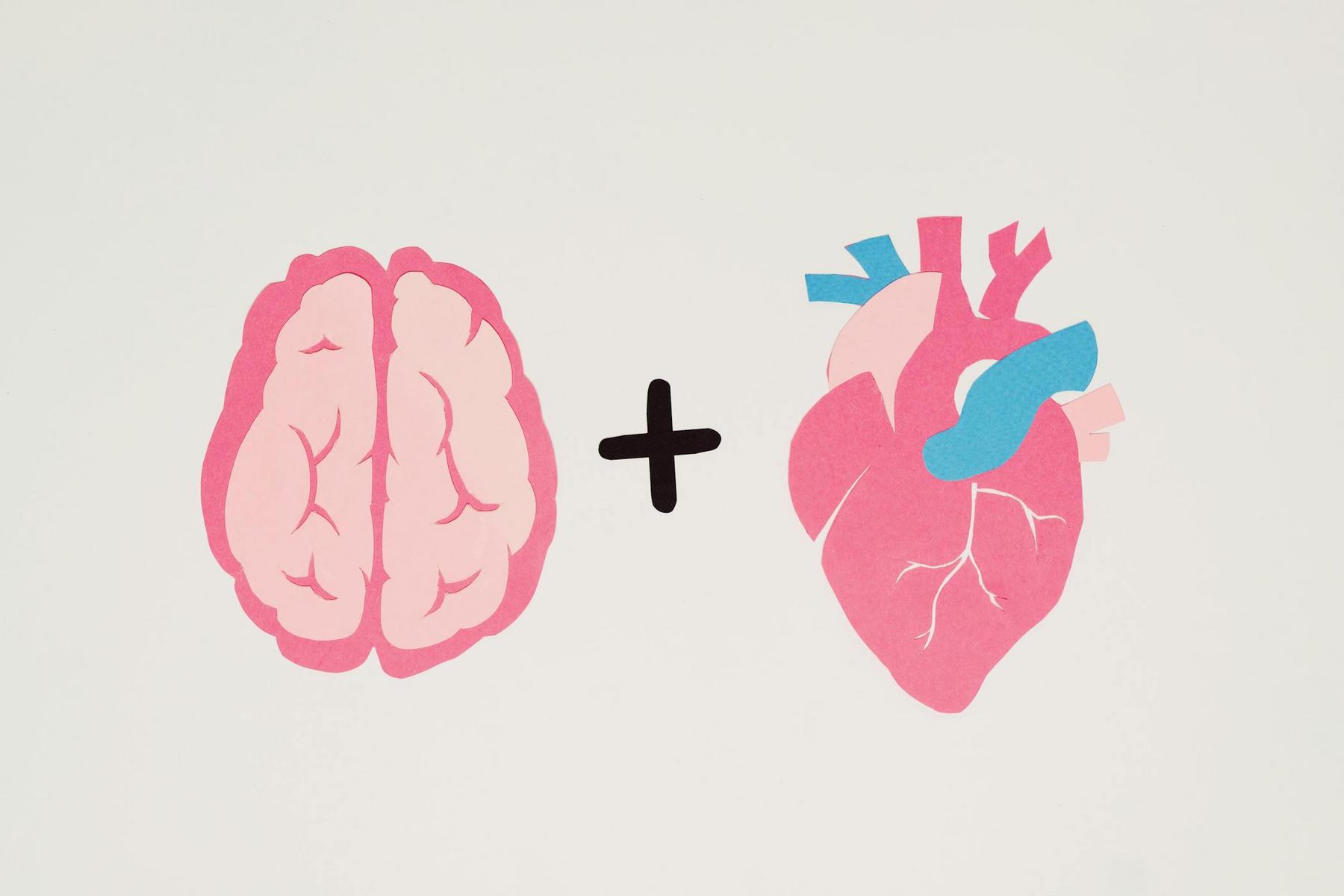
The human heart bears more than the physical burden of circulating blood—it carries the invisible weight of our psychological experiences. Across boardrooms in Sydney, factory floors in Melbourne, and care facilities throughout regional Australia, millions face a silent threat that compounds with every deadline, argument, and financial worry. This threat doesn’t arrive with chest pain or breathlessness. Instead, it accumulates quietly, rewiring our biology one stressful moment at a time, until the cardiovascular system can no longer compensate.
What Evidence Establishes Stress as a Cardiovascular Risk Factor?
The epidemiological evidence linking stress to cardiovascular disease has reached critical mass. The landmark INTERHEART study, encompassing approximately 25,000 individuals from 52 countries, demonstrated that chronic daily stress increases myocardial infarction risk by more than 2.1-fold. This multinational investigation established stress as a universal cardiovascular threat transcending geographical and cultural boundaries.
Meta-analytic data spanning 118,696 participants reveals that high perceived stress associates with a 27% increased risk of incident coronary heart disease. The magnitude of this association positions psychological stress within the same risk stratification tier as several established biological risk factors. Work-related stress alone affects 10-40% of workers, conferring a 10-40% excess cardiovascular disease risk compared to unstressed counterparts.
The cardiovascular implications extend across stress domains. Social isolation carries a 50% increased prevalence of cardiovascular disease among socially withdrawn populations (pooled relative risk of 1.5). Marital stress increases cardiovascular event risk 2.9-fold in women with existing coronary heart disease. Childhood abuse confers an odds ratio of 2.78 for cardiovascular events, whilst trauma and post-traumatic stress disorder associate with a 2.67 odds ratio. The cumulative burden becomes evident: populations working in high-pressure environments face a 40% likelihood of developing cardiovascular disease, with a pooled relative risk of 1.4.
| Stressor Type | Odds Ratio/Relative Risk | Population Impact |
|---|---|---|
| Chronic daily stress | 2.1 (RR) | >25,000 participants across 52 countries |
| Work stress | 3.2 (OR) | 10-40% of workers affected |
| Social isolation | 2.47 (OR) | 50% increased CVD prevalence |
| Childhood abuse | 2.78 (OR) | Long-term developmental impact |
| Trauma/PTSD | 2.67 (OR) | Sustained biological dysregulation |
| Marital stress | 2.28 (OR) | 2.9× risk in women with existing CHD |
How Does Acute Versus Chronic Stress Differentially Affect Cardiovascular Health?
The cardiovascular system responds distinctly to acute and chronic stress exposures, with each pattern generating unique pathophysiological consequences.
Acute stress triggers immediate, dramatic cardiovascular responses. Systematic reviews of case-crossover studies demonstrate that anger outbursts carry a pooled risk estimate of 4.7 for acute cardiovascular events. The risk of acute coronary syndromes increases approximately five-fold within two hours following an anger outburst. Natural disasters exemplify extreme acute stressors; earthquakes associate with a two to five-fold increase in cardiovascular deaths during and immediately following the event.
Mental stress-induced myocardial ischaemia occurs in 15-20% of patients with established coronary artery disease, appearing more commonly in women. Younger women face twice the risk of men for developing this stress-induced ischaemia. The phenomenon often manifests as silent ischaemia, occurring at lower heart rate-blood pressure products than exercise-induced ischaemia, and associates with a 2.5-fold increased risk of cardiovascular death or nonfatal myocardial infarction.
Takotsubo cardiomyopathy—colloquially termed “broken heart syndrome”—represents the most dramatic acute stress-cardiovascular syndrome. This condition features transient left ventricular apical ballooning triggered by intense emotional stress, with massively elevated plasma catecholamines causing temporary but severe cardiac dysfunction. The ejection fraction may plummet to 20% upon admission, recovering to 45% within four days as catecholamine levels normalise.
Chronic stress operates through sustained biological dysregulation. The CARDIA study, following 3,401 adults over 20 years, established that chronic stress across five life domains—work, financial, relationships, personal health, and health of close others—significantly reduces survival and increases cardiovascular events. Chronic workplace stress, particularly job strain characterised by high demands and low control, increases coronary heart disease risk by 1.34 times. Long working hours (≥55 hours weekly) associate with a relative risk of 1.13 for cardiovascular disease, whilst job insecurity confers a 1.19 relative risk for coronary heart disease.
The chronicity distinction proves crucial: acute stress may trigger events in vulnerable individuals, whilst chronic stress fundamentally restructures cardiovascular biology, creating sustained vulnerability.
What Biological Mechanisms Link Psychological Stress to Cardiovascular Disease?
The translation of psychological experience into cardiovascular pathology occurs through multiple, interconnected biological systems.
Autonomic nervous system dysregulation forms the immediate response pathway. Stress activates the sympathetic nervous system, triggering catecholamine release (adrenaline and noradrenaline). These neurohormones increase heart rate, blood pressure, and cardiac workload whilst causing peripheral vasoconstriction, elevating systemic vascular resistance. Simultaneously, parasympathetic nervous system activity withdraws, removing the heart’s protective vagal tone. Stress-induced decreases in low-frequency heart rate variability associate with a 3.48 hazard ratio for cardiovascular mortality. When combined with chronically low resting heart rate variability, this hazard ratio escalates to 5.73.
Hypothalamic-pituitary-adrenal axis activation represents the hormonal stress response. Chronic stress stimulates the hypothalamus to release corticotropin-releasing hormone and vasopressin, triggering adrenocorticotropic hormone release from the pituitary, which subsequently stimulates cortisol secretion from the adrenal cortex. Data from the MESA Stress study involving 412 adults revealed that each doubling of cortisol levels associates with a 90% increased risk of cardiovascular events over an 11-year follow-up. Each doubling of stress hormones correlates with a 21-31% increase in hypertension development risk.
Vascular inflammation constitutes a critical mechanistic link. Acute mental stress rapidly recruits inflammatory leucocytes from blood to atherosclerotic plaques. Stress increases systemic inflammation through sympathetic activation, which triggers noradrenaline release. Noradrenaline activates macrophages and endothelial cells, increasing expression of adhesion molecules (ICAM-1, VCAM-1) and chemokine release (CXCL1, CCL7), promoting leucocyte recruitment. Pro-inflammatory cytokines elevate—particularly tumour necrosis factor-alpha, interleukin-1 beta, and interleukin-6. Interleukin-6 serves as a key inflammatory marker consistently elevated in chronic stress, driving C-reactive protein production.
Chronic stress causes bone marrow activation with accelerated release of inflammatory monocytes and neutrophils. These inflammatory cells infiltrate atherosclerotic plaques, weakening fibrous caps and promoting rupture vulnerability. Neuroimaging studies reveal that elevated amygdala metabolic activity—the brain’s fear and stress processing centre—independently predicts future cardiovascular events. A serial pathway has been identified: elevated amygdalar activity leads to increased bone marrow activity, which drives arterial inflammation, culminating in cardiovascular events.
Endothelial dysfunction emerges from multiple stress-induced insults. Stress stimulates alpha-adrenergic receptors whilst corticotropin-releasing hormone stimulates vasoconstrictor endothelin-1 release. Cortisol inhibits nitric oxide synthesis—a crucial vasodilator—whilst increasing endothelin-1. Pro-inflammatory cytokines directly impair endothelial function, reducing endothelial-derived vasodilation and increasing vascular permeability, allowing low-density lipoprotein infiltration into arterial walls. Stress-induced reactive oxygen species production promotes oxidative stress, further compromising endothelial integrity.
Metabolic dysregulation completes the mechanistic picture. Chronic stress increases serum cholesterol, triglycerides, and low-density lipoprotein cholesterol whilst decreasing or maintaining high-density lipoprotein cholesterol unchanged. Stress promotes visceral adipose tissue accumulation—the metabolically active fat depot particularly linked to atherosclerosis—and contributes to insulin resistance and metabolic syndrome development. These lipid and metabolic alterations accelerate atherosclerosis progression.
Haemostatic changes create a prothrombotic state. Stress increases platelet activation and aggregation, blood viscosity through elevated haematocrit, and markers of procoagulant activity including fibrinogen, von Willebrand factor, and D-dimer. This combination promotes arterial thrombosis, particularly dangerous when vulnerable atherosclerotic plaques rupture.
Why Do Women Experience Different Cardiovascular Responses to Stress Compared to Men?
Sex and gender differences in stress-cardiovascular relationships represent an increasingly recognised research frontier. Women demonstrate greater inflammatory responses to acute mental stress than similarly aged men, manifesting decreased glucocorticoid sensitivity after acute stress compared to men, resulting in more protracted inflammation. Women show heightened platelet aggregation both at rest and with mental stress exposure.
Myocardial ischaemia induced by mental stress occurs twice as commonly in women than men. Younger women under 50 years face double the risk of similarly aged men for developing mental stress-induced myocardial ischaemia. Spontaneous coronary artery dissection and stress cardiomyopathy occur overwhelmingly more frequently in women.
Depression serves as a more powerful predictor of major adverse cardiovascular outcomes in women than men, especially at younger ages. Marital stress increases cardiovascular disease recurrence 2.9-fold in women with existing coronary heart disease, whilst showing less pronounced effects in men. Among women with high genetic stress sensitivity, cardiovascular risk factor development accelerates by an average of 1.5 years earlier than less sensitive counterparts.
The distinctive burden of psychosocial adversities experienced by women, particularly during reproductive years and midlife transitions, contributes to these disparities. Menarche, pregnancy, and menopause can exacerbate stress effects on cardiovascular health. Early menopause before age 40 associates with increased cardiovascular disease risk, partly mediated by stress-related vasomotor dysfunction.
What Interventions Demonstrate Evidence for Reducing Stress-Related Cardiovascular Risk?
Research into stress reduction interventions reveals several evidence-based approaches with measurable cardiovascular benefits.
Mindfulness-based stress reduction demonstrates consistent benefits across multiple cardiovascular parameters. Studies show reductions in anxiety and depression symptoms in cardiac patients, with associated decreases in blood pressure (systolic blood pressure reductions of 4-5 mmHg), perceived stress levels, and body mass index. These therapeutic gains maintain at three-month follow-up with continued practice. Mindfulness interventions improve heart rate variability measures and reduce amygdalar grey matter density, suggesting structural brain adaptations.
Cardiac rehabilitation with integrated stress management shows remarkable efficacy. The ENHANCED trial compared stress management added to standard cardiac rehabilitation versus standard rehabilitation alone. The stress management group experienced 18% adverse events compared to 33% in the standard rehabilitation group—nearly a 50% reduction in recurrent cardiac events. This represents the first American trial in over 30 years to successfully reduce psychological stress, cardiac biomarkers, and recurrent events simultaneously.
Transcendental meditation associates with reduced cardiovascular mortality, showing an adjusted hazard ratio of 0.52 for the primary endpoint. Practitioners demonstrate a 4.9 mmHg reduction in systolic blood pressure and reduced anger expression. Effects correlate with adherence; the high-adherence subgroup achieved a hazard ratio of 0.34, with benefits maintained over a 5.4-year average follow-up.
Physical activity and exercise provide stress-buffering effects through multiple mechanisms. Aerobic training attenuates heart rate and blood pressure reactivity to stress, with trained individuals showing enhanced cardiovascular efficiency and lower sympathetic nervous system reactivity. Regular exercise reduces cortisol reactivity to acute mental stress and decreases pro-inflammatory markers including tumour necrosis factor-alpha and interleukin-6. The cross-stressor adaptation hypothesis suggests that regular exercise dampens stress reactivity broadly across stressor types.
Social support optimisation demonstrates protective effects. Strong support networks reduce both stress levels and cardiovascular disease risk. Being married or partnered associates with lower cardiovascular disease risk compared to divorced or separated status. Having at least one trusted confidant reduces cardiovascular burden. The quality of relationships proves more important than quantity, with informational support buffering ambulatory blood pressure reactivity. Work-based social support can modify cardiovascular disease risk from job stress.
Understanding Stress Biology as Foundation for Cardiovascular Wellness
The mechanistic understanding of stress-cardiovascular relationships has evolved from epidemiological association to detailed molecular pathways. Stress no longer represents a vague psychosocial concept but a quantifiable biological insult with measurable inflammatory, metabolic, autonomic, and vascular consequences. The evidence demonstrates that psychological stress operates as a legitimate cardiovascular risk factor deserving equivalent clinical attention to traditional risk factors.
The Australian workforce faces particular challenges, with work-related stress affecting substantial proportions of employees and contributing significantly to the national cardiovascular disease burden. Approximately 25-30% of employer annual health expenditure targets employees with major cardiovascular disease risk factors, many stress-related. The integration of stress assessment and management into preventive cardiology represents both a clinical imperative and a public health opportunity.
Research gaps persist, particularly regarding optimal intervention timing, sex-specific mechanisms, and gene-environment interactions determining individual stress susceptibility. Future investigations will likely leverage wearable technology for real-world stress monitoring and examine how early-life stress exposures interact with adult stressors to shape cardiovascular trajectories. The mechanistic understanding continues deepening, with amygdala-driven inflammatory pathways and bone marrow activation representing recently identified therapeutic targets.
Healthcare delivery must adapt to this evidence base. Psychological assessment should integrate into routine cardiovascular risk stratification. Cardiac rehabilitation programmes warrant mandatory stress management components. Workplace wellness initiatives deserve support as cardiovascular disease prevention strategies. Most fundamentally, the cardiovascular consequences of stress merit recognition in both clinical practice and health policy, moving from peripheral concern to central consideration in cardiovascular health optimisation.
Can work-related stress alone cause heart disease in otherwise healthy individuals?
Research demonstrates that work-related stress independently increases cardiovascular disease risk by 10-40% even after accounting for traditional risk factors. Chronic workplace stress, including job strain and long working hours, fundamentally alters cardiovascular biology through sustained inflammatory activation, autonomic dysregulation, and metabolic disruption.
How quickly can acute stress trigger a cardiovascular event?
Acute stress can trigger cardiovascular events within a short timeframe; for example, the risk of acute coronary syndromes increases approximately five-fold within two hours following an anger outburst, and natural disasters can exacerbate cardiovascular deaths almost immediately due to rapid catecholamine surges and inflammatory responses.
What biological markers can indicate stress-related cardiovascular damage?
Key biomarkers include inflammatory markers (high-sensitivity C-reactive protein, interleukin-6, tumour necrosis factor-alpha), stress hormones (cortisol and catecholamines), heart rate variability measures, and endothelial function markers such as flow-mediated dilation and endothelin-1. Coagulation markers like fibrinogen and D-dimer also reflect a stress-induced prothrombotic state.
Are stress reduction interventions as effective as traditional cardiovascular treatments?
Evidence shows that stress reduction interventions—such as mindfulness-based stress reduction, integrated stress management in cardiac rehabilitation, and transcendental meditation—yield significant cardiovascular benefits, including reductions in blood pressure and adverse cardiac events, often comparable to traditional pharmacological treatments.
Does childhood stress affect cardiovascular health in adulthood?
Yes, childhood stress has long-lasting effects on cardiovascular health. Adverse childhood experiences predict higher risks of adult cardiovascular disease by promoting chronic hypothalamic-pituitary-adrenal axis dysregulation, sustained inflammation, and autonomic imbalances that accelerate atherosclerosis.