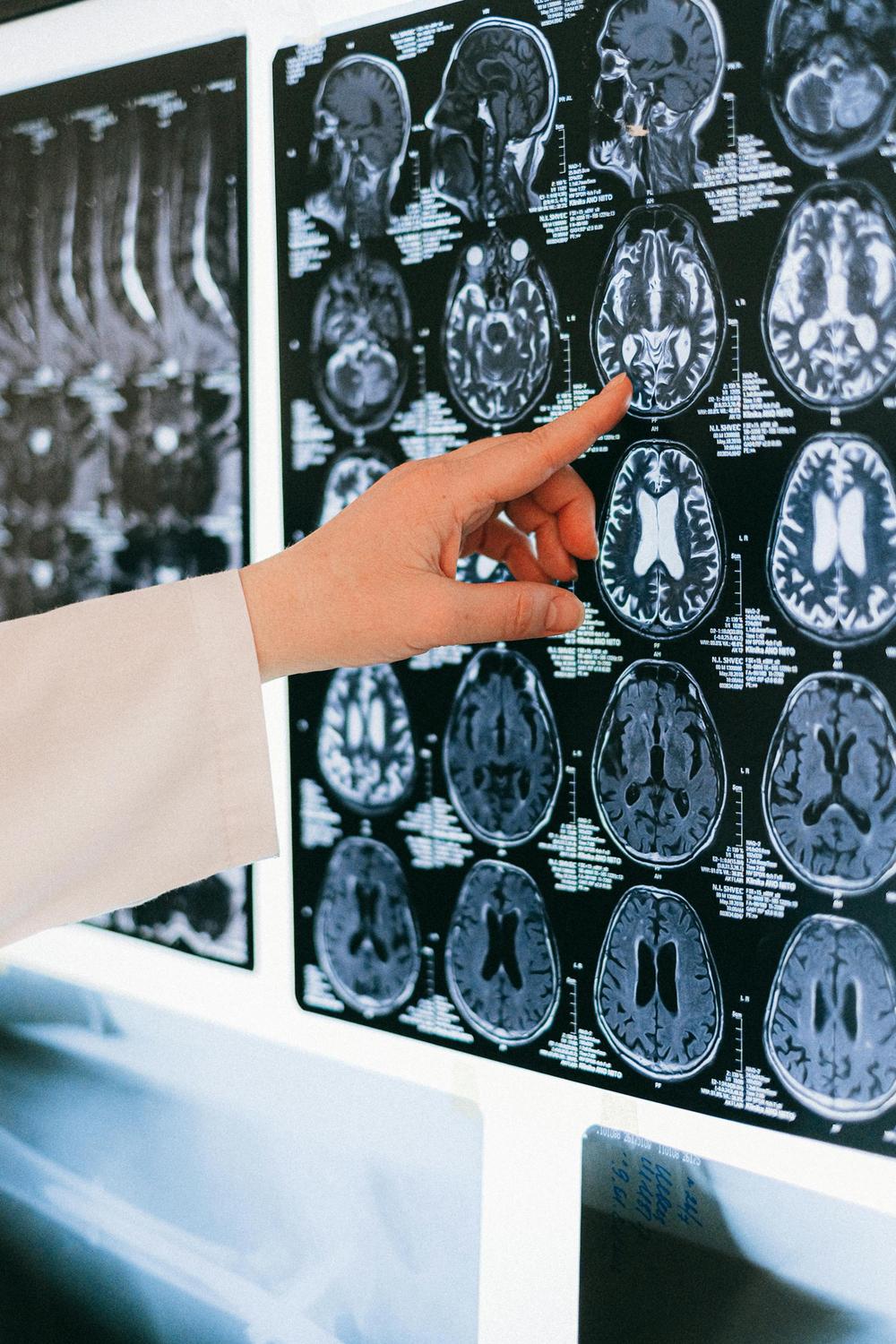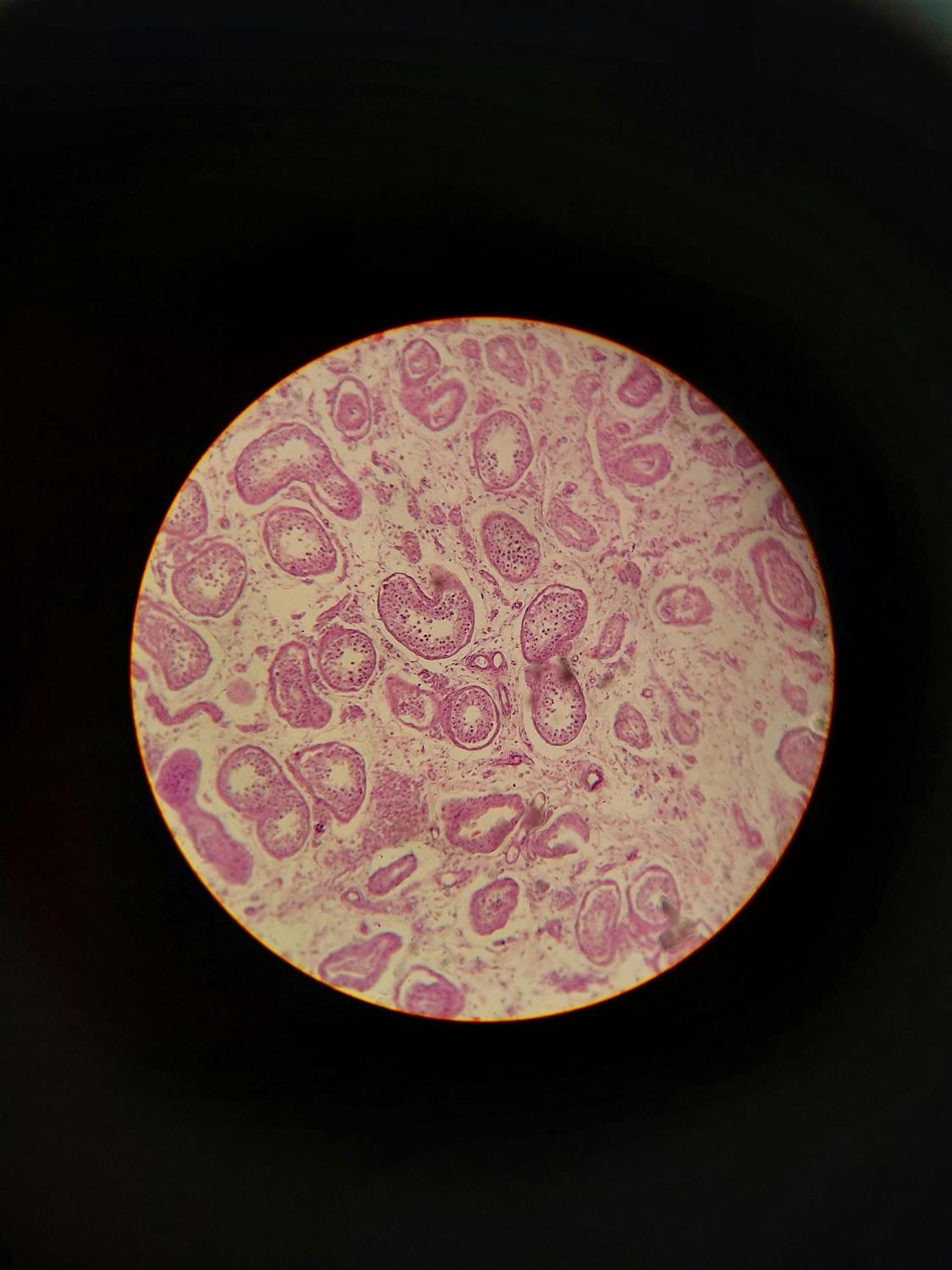
Every moment of every day, your cells face a fundamental challenge: maintaining order amidst the constant accumulation of cellular waste, damaged proteins, and dysfunctional organelles. When functioning optimally, your body employs a sophisticated self-cleaning mechanism called autophagy—a process so crucial to human health that its discovery earned the 2016 Nobel Prize in Physiology or Medicine. Yet emerging research reveals a troubling paradox: whilst acute stress can activate this vital cellular housekeeping system, the chronic stress plaguing modern Australian society may be silently disrupting these protective mechanisms. With over 4.3 million Australians experiencing mental health challenges in the past year—and nearly half of young Australians reporting severe psychological distress—understanding the intricate relationship between stress and autophagy has never been more critical. This cellular dialogue between environmental pressures and internal cleaning processes may hold profound implications for emotional wellbeing, cognitive function, and long-term health outcomes.
What Is Autophagy and Why Does It Matter?
Autophagy, derived from Greek words meaning “self-eating,” represents your body’s natural cellular recycling and quality control system. This conserved, lysosomal-dependent degradation pathway continuously removes unnecessary or dysfunctional cellular components, preventing the accumulation of molecular debris that would otherwise compromise cellular function.
The process operates through three distinct mechanisms: macroautophagy, the most extensively studied pathway, forms double-membrane structures called autophagosomes that engulf and degrade cellular components; microautophagy directly captures cytoplasmic material through lysosomal membrane invagination; and chaperone-mediated autophagy selectively targets specific proteins bearing molecular recognition signals, accounting for approximately 30% of cytosolic protein degradation.
The molecular choreography underlying autophagy involves a sophisticated sequence of events. During initiation, autophagy-related genes (ATGs)—particularly ATG5, ATG7, ATG12, and ATG16L—orchestrate the formation of an isolation membrane called a phagophore. This structure elongates into cup-shaped precursors known as omegasomes before completely engulfing cellular cargo within a double-membraned autophagosome. The autophagosome subsequently fuses with a lysosome to form an autolysosome, where lysosomal hydrolases systematically dismantle the contents. The resulting building blocks—amino acids, fatty acids, and glucose—are released back into the cytoplasm for cellular reuse.
Two master regulatory proteins govern this process with exquisite sensitivity: mTOR (mammalian target of rapamycin) inhibits autophagy during nutrient-rich conditions, whilst AMPK (AMP-activated protein kinase) serves as the cellular energy sensor that directly stimulates autophagy initiation through ULK1 phosphorylation when energy demands exceed supply.
The functional significance of autophagy extends far beyond simple waste disposal. This process maintains cellular homeostasis by eliminating long-lived, aggregated, and misfolded proteins; clears damaged organelles including dysfunctional mitochondria through selective mitophagy; provides essential nutrients during metabolic stress; supports immune system function through pathogen clearance; and maintains genomic stability by removing genotoxic stressors. Critically, efficient autophagy associates with healthy ageing, whilst its natural decline contributes to cellular dysfunction and accelerated ageing processes.
How Does Stress Trigger and Regulate Autophagy?
The relationship between stress and autophagy reveals a sophisticated adaptive response system. When cells encounter acute stress—whether from nutrient deprivation, oxidative challenge, or environmental pressures—autophagy activation occurs within minutes through the AMPK phosphorylation pathway. This rapid response enables cellular adaptation and repair, promoting stress resilience through immediate quality control mechanisms.
Multiple cellular stressors activate autophagy through distinct but interconnected pathways. Nutrient deprivation, particularly amino acid or glucose restriction, represents the most potent physiological inducer. Growth factor withdrawal, oxidative stress from reactive oxygen species, endoplasmic reticulum stress, hypoxia, infection, metabolic energy depletion, calcium dysregulation, and exposure to chemical toxins each trigger autophagy through specialised signalling cascades.
The cellular stress response integrates multiple regulatory systems. The hypothalamic-pituitary-adrenal (HPA) axis, activated during psychological and physiological stress, influences autophagy through glucocorticoid feedback mechanisms. Endoplasmic reticulum stress pathways—including PERK, ATF6, and IRE1—activate the unfolded protein response, which directly stimulates autophagy gene expression. Elevated intracellular calcium can trigger autophagy through calmodulin-dependent kinase activation, whilst reactive oxygen species drive autophagy through oxidative stress-sensing pathways.
Recent breakthrough research published in Nature (2025) has unveiled the precise temporal dynamics of stress-induced autophagy in stress-responsive brain regions, particularly the lateral habenula. This research demonstrates that autophagy activation occurs in an “on-demand” fashion, specifically targeting highly active neurons requiring enhanced protein turnover whilst sparing less metabolically active neurons.
The critical distinction emerges between acute and chronic stress responses. Acute stress rapidly activates the AMPK pathway, increasing autophagosome formation, elevating LC3-II conversion (a molecular marker of active autophagy), and decreasing p62 accumulation within minutes to hours. This response enables cells to maintain homeostasis under immediate challenge, providing protective mechanisms through enhanced cellular cleaning capacity.
What Happens When Stress Becomes Chronic?
Whilst acute stress activates cellular cleaning mechanisms, chronic stress produces profoundly different cellular consequences. Sustained stress exposure progressively suppresses autophagy through a fundamental metabolic shift: continuous activation transitions from AMPK-mediated autophagy enhancement to mTOR pathway over-activation, which actively inhibits autophagy machinery.
This suppression manifests through multiple molecular changes: decreased mRNA expression of essential autophagy genes including Beclin-1 and multiple ATG proteins; reduced autophagosome formation; accumulation of p62 (indicating impaired autophagy flux); and increased phosphorylation of mTOR and its downstream target S6K. The temporal progression—developing over days to weeks—culminates in autophagy exhaustion and chronic stress pathology.
The cellular consequences extend systemically. Accumulated oxidative stress generates excessive reactive oxygen species, impairing mitochondrial function and damaging cellular proteins and DNA. Neuroinflammation intensifies through activated microglia and astrocytes, increasing pro-inflammatory cytokines. Immune function becomes suppressed, metabolic regulation deteriorates, and synaptic dysfunction emerges through reduced plasticity and altered dendritic spine density. Mitochondrial damage accelerates, ATP production diminishes, and misfolded proteins accumulate—precisely the substrates that functional autophagy would normally clear.
The Australian context reveals the urgency of understanding these mechanisms. Current national data demonstrates that 21.5% of Australians aged 16-85 years—representing 4.3 million people—experienced a mental disorder within the previous twelve months. Young Australians face particular vulnerability, with 38.8% of those aged 16-24 experiencing mental health challenges, a substantial increase from 25.8% in 2007. Anxiety disorders affect 17.2% of the population, whilst psychological distress has escalated dramatically, with record crisis interventions exceeding 1,804 for suicide risk through Kids Helpline—more than double the 825 interventions recorded in 2019.
Financial barriers compound this crisis: 20.4% of Australians delayed mental health care due to cost in 2023-24, up from 12% in 2020-21. Nearly half of those seeking support report reaching out only when experiencing severe or extreme distress, with many waiting years before accessing professional assistance. This treatment gap leaves an estimated 494,000 Australians with moderate-to-severe mental health conditions without needed support.
The scientific implications become clear: chronic stress-induced autophagy suppression may represent a cellular mechanism underlying mental health deterioration, particularly as recent research identifies specific impairment in stress-responsive brain regions associated with depression-like behaviours.
| Stress Type | Duration | AMPK Activity | mTOR Activity | Autophagy Status | Cellular Outcome |
|---|---|---|---|---|---|
| Acute Stress | Minutes to hours | Increased (phosphorylated) | Unchanged | Activated (↑LC3-II, ↓p62, ↑autophagosomes) | Cellular adaptation, enhanced repair, stress resilience |
| Chronic Stress | Days to weeks | Unchanged to decreased | Increased (over-activated) | Suppressed (↓LC3-II, ↑p62, ↓autophagosome formation) | Cellular dysfunction, protein accumulation, neuronal hyperactivity, depression risk |
How Can Lifestyle Factors Support Cellular Cleaning Processes?
Understanding the mechanistic relationship between stress and autophagy illuminates multiple evidence-based approaches for supporting cellular health through lifestyle modification.
Exercise and Physical Activity
Physical activity represents one of the most potent autophagy activators through multiple complementary mechanisms. Exercise increases the AMP-to-ATP ratio, directly activating AMPK whilst simultaneously suppressing mTOR signalling through AMPK-mediated phosphorylation of Raptor. Muscle contraction generates mechanotransduction signals, calcium influx, and controlled reactive oxygen species production—each contributing to autophagy initiation.
Different exercise modalities activate autophagy through distinct pathways. Aerobic exercise (running, swimming, cycling) robustly activates AMPK in skeletal muscle, with autophagy benefits emerging after a minimum of 30 minutes of moderate intensity. A ten-week swimming programme demonstrated enhanced lysosomal breakdown, autophagy activation, and improved mitochondrial maintenance in hippocampal tissue. Resistance training activates PI3K/Akt-FOXO pathways, driving muscle autophagy and repair whilst supporting neurogenesis and dopaminergic neuron preservation. High-intensity interval training provides particularly potent autophagy stimulation, with intensity potentially proving more impactful than duration for cellular cleaning processes.
The temporal dynamics reveal important considerations: acute exercise provides immediate autophagy activation, whilst chronic exercise training enhances baseline autophagy capacity through sustained increases in autophagy machinery expression. Age influences responses, with younger individuals demonstrating robust exercise-induced autophagy whilst aged individuals show attenuated but still significant responses, suggesting exercise effectively reactivates autophagy pathways across the lifespan.
Sleep and Circadian Rhythms
Sleep represents a critical period for cellular repair and autophagy activation. The brain’s glymphatic system—a waste clearance network—becomes maximally active during sleep, with interstitial space expanding to facilitate fluid exchange with cerebrospinal fluid. This nocturnal clearance proves essential for removing daily accumulated proteins, including potentially neurotoxic aggregates.
Sleep deprivation substantially impairs autophagy capacity, associating with cognitive decline and increased neurodegeneration risk. Optimal sleep duration—seven to nine hours nightly for adults—supports cellular repair processes and autophagy activation. Rapid eye movement (REM) sleep proves particularly critical for memory processing and synaptic plasticity, with impaired REM sleep compromising autophagy-dependent neurological processes.
Nutritional Patterns and Dietary Considerations
Nutritional approaches that support autophagy operate through metabolic signalling rather than specific nutrient provision. Caloric restriction potently induces autophagy by decreasing mTOR signalling whilst increasing AMPK activation, simultaneously reducing insulin and insulin-like growth factor-1 levels that signal energy abundance.
Intermittent fasting—complete food deprivation with intervening eating periods—typically initiates autophagy after 12-16 hours of fasting, with progressive intensification through 24-48 hours. This metabolic shift from glucose utilisation to ketone body production promotes autophagy through reduced insulin signalling and increased AMP-to-ATP ratios. Various intermittent fasting protocols—including alternate-day fasting, time-restricted eating, and 5:2 approaches—demonstrate benefits including improved metabolic flexibility, enhanced cellular cleaning, and reduced systemic inflammation.
Important contraindications warrant attention: fasting proves unsuitable for pregnant or breastfeeding women, individuals with diabetes, those with eating disorders, or persons with specific medical conditions requiring consistent nutrition. Medical guidance remains essential before implementing significant dietary modifications.
The Mediterranean dietary pattern naturally supports autophagy through its plant-rich composition and anti-inflammatory properties derived from whole foods. Emphasising whole foods—fruits, vegetables, fish, whole grains, legumes, nuts, seeds, herbs, and spices—whilst minimising ultra-processed foods, refined sugars, and unhealthy fats creates nutritional conditions conducive to autophagy activation.
Stress Management and Psychological Wellbeing
Given chronic stress suppresses autophagy through sustained glucocorticoid elevation and mTOR activation, stress reduction interventions may restore optimal cellular cleaning capacity. Mindfulness practices, meditation, controlled breathing exercises, and cognitive behavioural approaches can modulate stress hormone profiles, potentially restoring AMPK signalling and reducing maladaptive mTOR over-activation. Social support, positive social interactions, and behavioural interventions including exercise and sleep hygiene enhance cellular autophagy capacity through reduced chronic stress exposure.
Why Does the Stress-Autophagy Connection Matter for Long-Term Health?
The profound implications of autophagy dysfunction extend across multiple disease states, establishing cellular cleaning mechanisms as fundamental to health maintenance.
Neurodegenerative conditions demonstrate clear autophagy involvement. Alzheimer’s disease progression associates with impaired autophagy leading to amyloid-beta accumulation and tau pathology. Parkinson’s disease involves defective mitophagy allowing damaged mitochondria and α-synuclein aggregates to accumulate. Huntington’s disease and amyotrophic lateral sclerosis similarly demonstrate insufficient autophagy contributing to characteristic protein aggregation pathology.
Recent breakthrough research published in Nature (2025) established that impaired autophagy in the lateral habenula—a stress-responsive brain region—directly mediates depression-like behaviours through a specific mechanism: chronic stress increases expression of synaptic proteins, particularly glutamate receptors, whilst simultaneously suppressing the autophagy machinery normally responsible for degrading these proteins. This creates neuronal hyperactivity through excessive excitatory transmission, manifesting as depression-related behaviours completely reversible through autophagy enhancement.
The research demonstrated that activating autophagy through Beclin-1 stimulation rapidly reduces depression-like behaviours within 30 minutes, with sustained effects persisting seven days and prophylactic protection extending beyond 26 days. This occurs through immediate neuronal silencing via glutamate receptor degradation, reduced burst firing, and normalised excitatory synaptic transmission. The on-demand mechanism proves particularly elegant: more metabolically active neurons demonstrate greater responsiveness to autophagy enhancement, whilst less active neurons remain unaffected.
Metabolic and cardiovascular diseases similarly involve autophagy dysfunction. Type 2 diabetes associates with impaired autophagy in pancreatic beta cells affecting insulin secretion. Atherosclerosis involves defective autophagy in macrophages promoting cholesterol accumulation and inflammasome activation. Cardiac dysfunction emerges through impaired cardiomyocyte autophagy allowing damaged protein and organelle accumulation.
Genome-wide association studies have identified polymorphisms in autophagy genes (ATG16L1, ATG5, IRGM) associating with autoimmune conditions including Crohn’s disease, systemic lupus erythematosus, rheumatoid arthritis, type 1 diabetes, and multiple sclerosis. The mechanistic connection involves impaired autophagy leading to damaged component accumulation and excessive inflammatory responses.
Cancer demonstrates autophagy’s complex dual role: early-stage autophagy prevents DNA damage accumulation and removes oncogenic materials, functioning as a tumour suppressor, whilst established cancers exploit autophagy for survival under metabolic stress conditions. This context-dependent function makes autophagy modulation a nuanced therapeutic target requiring careful consideration.
What Does This Mean for Cellular Health in 2026?
The converging evidence from molecular biology, neuroscience, and population health reveals autophagy as a critical mediator between environmental stress and cellular health outcomes. The bidirectional relationship between acute and chronic stress and cellular cleaning mechanisms demonstrates why integrated approaches addressing both psychological stress management and lifestyle factors supporting autophagy prove most effective.
The Australian mental health crisis—with 52% of women experiencing mental health issues, youth psychological distress at unprecedented levels, and systemic barriers preventing timely access to support—underscores the urgency of understanding cellular mechanisms underlying emotional wellbeing. The recent discovery that autophagy impairment in stress-responsive brain regions directly drives depression-like behaviours provides mechanistic validation for multi-modal wellness approaches combining stress reduction, physical activity, optimised sleep, and supportive nutritional patterns.
For individuals navigating stress-related health challenges, the cellular perspective offers both explanation and empowerment. Understanding that chronic stress progressively impairs the body’s natural cleaning mechanisms illuminates why sustained psychological pressure manifests as physical symptoms, cognitive difficulties, and emotional dysregulation. Conversely, recognising that lifestyle modifications can restore autophagy capacity—through exercise, sleep optimisation, periodic metabolic stress from intermittent fasting, and comprehensive stress management—provides actionable pathways for supporting cellular resilience.
The scientific revolution in understanding cellular stress responses continues advancing rapidly. The 2025 breakthrough identifying reversible autophagy impairment as a cellular substrate of depression represents just one example of how molecular insights translate into potential therapeutic strategies. As research progresses, the integration of cellular biology with clinical practice promises increasingly sophisticated, personalised approaches to supporting mental and physical health through optimised cellular function.
The fundamental insight remains: cellular health underpins every aspect of human wellbeing. Supporting your body’s natural cleaning mechanisms through evidence-based lifestyle approaches—regular physical activity, restorative sleep, strategic nutritional patterns, and effective stress management—provides foundational support for long-term health, cognitive function, and emotional resilience in an increasingly demanding world.
What is autophagy and why is it important for health?
Autophagy is the body’s cellular recycling system that continuously removes damaged proteins, dysfunctional organelles, and cellular debris. It is essential for maintaining cellular homeostasis by preventing the accumulation of toxic materials, providing nutrients during metabolic stress, supporting immune function, and enabling adaptation to environmental challenges. Impaired autophagy is linked to neurodegenerative diseases, metabolic disorders, and accelerated ageing.
How does chronic stress affect cellular cleaning mechanisms?
Chronic stress shifts cellular metabolism from activating autophagy to suppressing it. Sustained stress over-activates the mTOR pathway—which inhibits autophagy—and reduces AMPK activity, which normally stimulates autophagy. This results in decreased expression of key autophagy genes, reduced autophagosome formation, and accumulation of damaged proteins, contributing to cellular dysfunction and increased risk of depression-like behaviours.
Can lifestyle changes restore impaired autophagy function?
Yes, multiple lifestyle interventions can help restore and enhance autophagy. Regular physical activity, adequate sleep (7-9 hours per night), nutritional strategies such as intermittent fasting and a Mediterranean diet, and effective stress management through mindfulness and behavioral therapies can all reactivate and support cellular cleaning mechanisms.
What are the early signs that cellular cleaning processes might be impaired?
While autophagy operates at a cellular level, potential indicators of its impairment include persistent fatigue despite rest, slow recovery from physical or mental exertion, brain fog, increased susceptibility to infections, mood changes, and signs of accelerated ageing. These symptoms can signal broader cellular dysfunction and warrant professional medical evaluation.
How long does it take for autophagy-supporting lifestyle changes to show benefits?
The timeline can vary. Acute exercise can activate autophagy within hours, while sustained improvements from regular physical activity, intermittent fasting, and sleep optimisation might take several weeks to months. Recent research also suggests that targeted autophagy enhancement can reduce depression-like behaviours within 30 minutes, although comprehensive benefits typically emerge over an 8-12 week period.