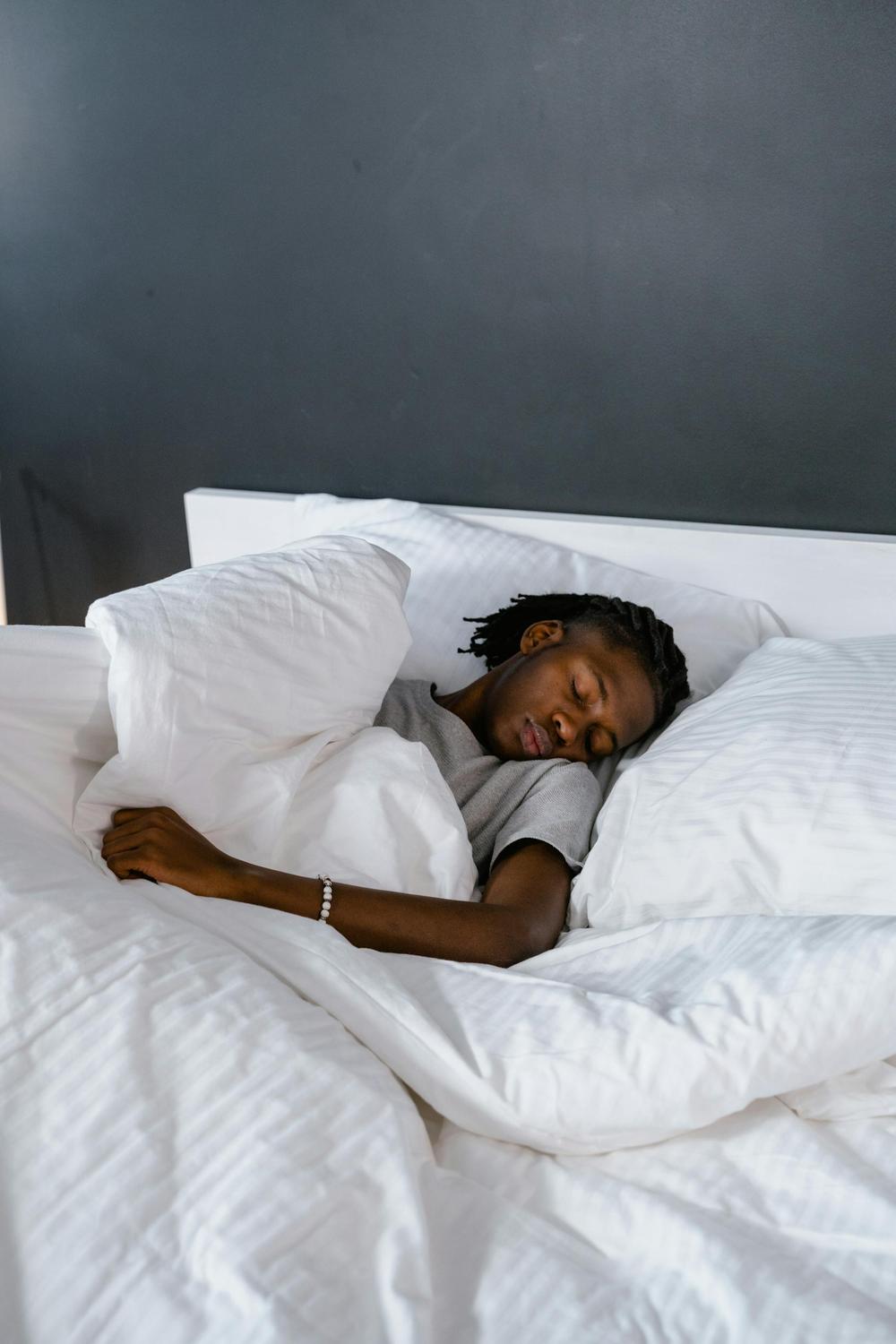
The stillness of night offers respite for most, yet for millions of Australians, darkness brings forth an involuntary performance. Words emerge unbidden—sometimes whispers, sometimes shouts—whilst the speaker remains locked in unconsciousness. Partners stir, children giggle nervously, and the individual remains entirely unaware until morning brings tales of nocturnal confessions. This phenomenon, known medically as somniloquy, represents one of the most common yet least understood sleep behaviours affecting Australian households. Whilst approximately 60% of Australians already experience sleep symptoms affecting daily functioning, sleep talking adds another layer of complexity to our nation’s sleep health crisis—one that costs an estimated $75.5 billion annually in health and productivity impacts.
What Is Somniloquy and How Common Is Sleep Talking?
Somniloquy, the formal medical term for sleep talking, is classified as a parasomnia—an abnormal behaviour occurring during sleep without conscious awareness or subsequent recall. This phenomenon involves speaking aloud during sleep, with vocalisations ranging from simple mumbling to loud, complex sentences and full conversations. The content typically proves incoherent or nonsensical, though occasionally resembles normal conversational patterns. Each episode typically lasts less than 30 seconds, yet multiple episodes can occur throughout a single night.
The prevalence of sleep talking presents a fascinating epidemiological picture. Between 60-70% of the general population experiences sleep talking at least once during their lifetime, with some studies estimating lifetime prevalence up to 66%. However, only 17% of people report sleep talking within the last three months, indicating that whilst most individuals encounter this phenomenon, regular occurrence remains relatively uncommon. Currently, approximately 5% of adults report regular sleep talking episodes, whilst the frequency demonstrates a marked age-related pattern.
| Age Group | Prevalence | Frequency Pattern |
|---|---|---|
| Children (3-13 years) | 50% lifetime prevalence | 20-25% experience weekly episodes |
| Adolescents | Moderate prevalence | Declining frequency |
| Adults (under 25) | Higher prevalence | Progressive reduction |
| Adults (25+) | 5% regular episodes | Significant decline post-25 |
| General Population | 60-70% lifetime | 17% in past three months |
Children and adolescents demonstrate substantially higher rates than adults, with 50% of children aged 3-13 years experiencing sleep talking at some point. Approximately 20-25% of children experience episodes at least once weekly, whilst less than 10% encounter nightly occurrences. Frequency reduces progressively after age 25, affecting both males and females equally across all age groups and socioeconomic backgrounds.
What Causes Sleep Talking and Who Is Most Affected?
Understanding somniloquy requires examining the multifaceted nature of its aetiology, which encompasses genetic predisposition, psychological factors, sleep-related triggers, and various lifestyle influences.
Genetic and Familial Patterns
Sleep talking demonstrates a strong hereditary component across multiple research studies. Children whose parents experience sleep talking are significantly more likely to develop the condition themselves, though it can occur without parental history. The genetic predisposition appears to run in families, with monozygotic (identical) twins showing higher concordance than dizygotic (fraternal) twins. This genetic architecture suggests that somniloquy represents an inherited trait, though environmental factors modulate its expression.
Psychological and Stress-Related Triggers
Stress emerges as a significant trigger for sleep talking episodes. Anxiety and psychological conditions substantially increase incidence rates, creating a complex relationship between mental health and nocturnal vocalisations. Post-Traumatic Stress Disorder (PTSD) demonstrates particularly strong associations, with approximately 30% of people with PTSD experiencing sleep talking. Research conducted in 1990 examining Vietnam War veterans confirmed that those with PTSD reported significantly more sleep talking than non-PTSD controls, suggesting that psychological trauma may manifest through nocturnal vocalisations reflecting conflict-driven dialogue occurring in the brain during sleep.
Depression similarly correlates with increased episodes, indicating that somniloquy may serve as a barometer for underlying psychological distress. This relationship underscores the bidirectional nature of mental health conditions and sleep disorders—each influencing and potentially exacerbating the other.
Sleep-Related and Physiological Factors
Sleep deprivation represents a major trigger for somniloquy episodes. Sleep fragmentation from various causes disrupts normal sleep architecture, creating conditions conducive to parasomnias. Disorders of arousal—including confusional arousals, sleepwalking, and night terrors—frequently co-occur with sleep talking. Fever and acute illness can trigger episodes, whilst certain medical conditions such as obstructive sleep apnea (OSA), sleep-related eating disorder, REM sleep behaviour disorder, and periodic limb movement disorder demonstrate associations with increased sleep talking.
Lifestyle and Behavioural Contributors
Modern lifestyle factors substantially influence somniloquy frequency. Inadequate sleep and chronic sleep deprivation create vulnerability to episodes. Caffeine consumption before bedtime, poor sleep hygiene practices, and excessive daytime sleepiness all contribute to occurrence rates. Electronic device use before sleep disrupts natural sleep onset mechanisms, whilst inconsistent sleep schedules destabilise the circadian rhythm. Alcohol use and withdrawal can trigger episodes, reflecting the substance’s complex effects on sleep architecture.
Adult-Onset Considerations
Sleep talking beginning in adulthood, particularly after age 25, warrants particular attention. New-onset somniloquy may indicate underlying medical conditions, psychiatric disorders, or, in older adults, potential neurodegenerative diseases. Nocturnal seizures represent a rare but serious cause requiring investigation. Adult-onset sleep talking necessitates medical evaluation to exclude underlying pathology.
How Does Sleep Talking Occur Across Different Sleep Stages?
Somniloquy demonstrates remarkable versatility in its temporal presentation, occurring during any stage of sleep—both REM (Rapid Eye Movement) and NREM (Non-Rapid Eye Movement) phases. This distinguishes sleep talking from many other parasomnias that show stage-specific patterns.
The phenomenon most commonly manifests during delta-wave NREM sleep, particularly stages 1-2 and 3-4, representing the deeper phases of sleep. Episodes frequently occur during temporary arousals from these deeper sleep stages and during transitions between sleep phases. When sleep talking occurs during REM sleep, it represents a “motor breakthrough” where dream speech is spoken aloud, bypassing the muscle paralysis (atonia) that normally prevents physical dream enactment.
Understanding normal sleep architecture illuminates why somniloquy can occur so variably. NREM sleep comprises 75-80% of total sleep, divided into Stage N1 (transition, 5%), Stage N2 (light sleep, 45-55%), and Stage N3 (deep/slow-wave sleep, 15-20%). NREM sleep facilitates physical restoration, tissue repair, and immune function. REM sleep constitutes 20-25% of sleep, associated with dreaming, rapid eye movements, muscle paralysis, emotional processing, and memory consolidation. REM periods increase throughout the night, explaining why some individuals experience more sleep talking in early morning hours.
The characteristics of vocalisations vary by sleep stage. Speech during deeper NREM sleep tends toward simple utterances and mumbling, whilst REM-associated sleep talking may involve more complex, narrative speech reflecting dream content. This stage-dependent variation reflects the differential cognitive processing occurring during distinct sleep phases.
When Should Sleep Talking Be Evaluated by a Professional?
Whilst sleep talking alone typically represents a benign phenomenon requiring no intervention, certain presentations warrant professional evaluation. The distinction between harmless somniloquy and potentially significant underlying conditions requires clinical discernment.
Diagnostic Approach
Diagnosis relies primarily on detailed clinical history obtained from the patient and, crucially, from bed partners or roommates who observe the episodes. Information from observers often proves more reliable than self-report, given the speaker’s complete or near-complete amnesia for events. Detailed sleep history—documenting when episodes occur, their frequency, duration, and content—provides essential diagnostic information. Sleep diaries help identify patterns correlating episodes with potential triggers.
For uncomplicated cases, no specific diagnostic tests are required. However, polysomnography (overnight sleep study with video monitoring) may be indicated when:
- Episodes appear linked to other sleep disorders
- Sleep talking accompanies unusual movements or violent behaviour
- Adult-onset sleep talking (after age 25) appears suddenly
- Significant excessive daytime sleepiness coexists
- Differentiation from other parasomnias proves necessary
- Frequency or characteristics suggest underlying neurological conditions
- Sleep apnoea is suspected
Red Flags Requiring Medical Attention
Several presentations necessitate prompt medical evaluation. Sleep talking accompanied by violent movements or aggressive behaviour may indicate REM sleep behaviour disorder rather than isolated somniloquy. Sudden onset in adulthood, particularly after age 25, requires investigation for underlying medical or psychiatric conditions. Episodes involving intense fear or screaming suggest night terrors or REM behaviour disorder. Associated significant daytime sleepiness, unusual physical movements, or high episode frequency (nightly or multiple times nightly) warrant assessment.
Differential Diagnosis Considerations
Clinicians must distinguish somniloquy from other parasomnias. REM sleep behaviour disorder involves acting out dreams, often with violence, occurring during REM sleep with absent muscle atonia. Night terrors manifest with screaming and intense fear, autonomic hyperactivity, and typically occur during NREM deep sleep. Confusional arousals involve confusion and disorientation with minimal speech during incomplete arousal from NREM sleep. Nightmares produce vivid dreams with complete recall upon waking, occurring during REM sleep with full awakening. Nocturnal seizures demonstrate more stereotyped presentations, brief duration, multiple nightly occurrences, and epileptiform activity on EEG.
How Can Sleep Talking Be Managed Effectively?
Managing somniloquy requires a graduated approach, with most cases requiring no specific intervention beyond optimising sleep hygiene and addressing underlying contributors.
Sleep Hygiene Optimisation
The cornerstone of management involves comprehensive sleep hygiene practices. Maintaining consistent sleep schedules—identical bedtimes and wake times daily, including weekends—stabilises circadian rhythms. Avoiding caffeine and stimulants, particularly during afternoon and evening hours (at least six hours before bed), prevents sleep disruption. Eliminating alcohol and heavy meals close to bedtime improves sleep quality. Removing electronics and screens 30 minutes to one hour before sleep reduces blue light exposure that suppresses melatonin production.
Regular exercise, ideally 30-60 minutes daily though not close to bedtime, promotes sleep consolidation. Environmental optimisation includes keeping bedrooms cool, dark, and quiet. Creating relaxing pre-sleep routines incorporating dim lighting and relaxation techniques facilitates sleep onset. Ensuring adequate total sleep—7-9 hours for adults—addresses sleep deprivation, a major trigger for episodes.
Stress Management and Psychological Approaches
Given stress’s significant role in triggering somniloquy, stress management techniques prove essential. Meditation, mindfulness practices, deep breathing exercises, progressive muscle relaxation, and yoga all demonstrate efficacy in reducing stress-related sleep disturbances. Cognitive Behavioural Therapy (CBT) particularly benefits stress-related episodes, addressing underlying thought patterns and behaviours contributing to psychological distress.
Identifying and managing personal triggers allows individuals to modify behaviours or circumstances precipitating episodes. Addressing underlying psychiatric conditions, when present, often reduces sleep talking frequency as mental health improves.
Behavioural Interventions
Scheduled awakenings—waking the patient 15-30 minutes before typical sleep talking time—show limited evidence but may help in some cases. Hypnotherapy demonstrates benefit in certain individuals. Treating comorbid sleep disorders such as sleep apnoea, restless leg syndrome, or periodic limb movements often reduces parasomnia frequency.
Support for Bed Partners
Sleep talking often proves more disruptive for bed partners than the individual experiencing it. White noise machines or fans can mask speech, whilst earplugs or noise-cancelling headphones provide immediate relief. When necessary, separate bedrooms allow both individuals to obtain restorative sleep. Encouraging bed partners to maintain their own sleep hygiene and providing reassurance about somniloquy’s generally benign nature helps manage relationship stress surrounding the phenomenon.
Integrating Sleep Health into Comprehensive Wellness
Sleep quality represents a fundamental pillar of health, equally important as nutrition and physical activity. The recognition that sleep disturbances affect multiple body systems underscores why addressing somniloquy, when problematic, requires comprehensive approaches encompassing physical, psychological, and environmental factors.
Australia’s sleep health crisis, with approximately 60% of Australians experiencing sleep symptoms affecting daily functioning and 14.8% showing symptoms potentially resulting in clinical insomnia diagnosis, necessitates greater emphasis on sleep wellness. The Australasian Sleep Association serves as Australia’s peak body for sleep medicine professionals, whilst the 2019 Parliamentary Inquiry “Bedtime Reading” Report resulted in 11 recommendations, many endorsed by the Australian Government in 2023. This recognition of sleep as essential alongside nutrition and physical activity reflects growing awareness of sleep’s central role in health outcomes.
For individuals experiencing sleep talking, particularly when accompanied by other sleep disturbances or quality-of-life impacts, integrated treatment approaches combining behavioural, psychological, and lifestyle modifications offer the greatest likelihood of improvement. The involvement of AHPRA-registered professionals ensures evidence-based care whilst patient education and awareness empower individuals to take active roles in their sleep health management.
Understanding that sleep talking typically represents a benign phenomenon provides reassurance, yet recognising when professional evaluation proves necessary ensures that underlying conditions receive appropriate attention. The intersection of sleep health with overall wellness creates opportunities for comprehensive approaches that address not merely isolated symptoms but the totality of factors influencing health and vitality.
Is sleep talking dangerous or harmful to my health?
Sleep talking alone is typically benign and harmless, causing no significant impact on the speaker’s own sleep quality or physical health. The person experiencing somniloquy rarely suffers physical injury and usually has no memory of episodes upon waking. However, sleep talking may occasionally signal underlying sleep disorders or medical conditions, particularly when it begins suddenly in adulthood, occurs with violent movements, or is accompanied by excessive daytime sleepiness. In such cases, professional evaluation is recommended.
Can stress cause sleep talking, and will managing stress help reduce episodes?
Yes, stress is one of the most significant triggers for sleep talking episodes. Research shows a clear association between psychological stress, anxiety, and increased frequency of somniloquy. Effective stress management techniques such as meditation, mindfulness practices, deep breathing exercises, and cognitive behavioural therapy can help reduce the frequency and intensity of episodes.
Why do children sleep talk more frequently than adults?
Children demonstrate higher sleep talking prevalence due to developmental factors affecting sleep architecture and brain maturation. Approximately 50% of children aged 3-13 years experience sleep talking at some point, with around 20-25% encountering weekly episodes. As the sleep regulation mechanisms mature with age, frequency typically declines, becoming significantly lower after age 25.
Should I wake someone who is sleep talking?
Generally, it is not advisable to wake someone who is sleep talking because the episodes usually last less than 30 seconds and resolve spontaneously. Waking the individual may cause confusion, disorientation, and further disrupt their sleep. However, if the sleep talking is accompanied by violent movements or seems to indicate a more serious sleep disorder, gentle intervention might be necessary.
When does sleep talking indicate I should see a sleep specialist?
You should consider consulting a sleep specialist if sleep talking begins suddenly in adulthood, is accompanied by violent or aggressive behaviour, or occurs with significant daytime sleepiness and sleep disruption. Additionally, if episodes are frequent, cause distress, or seem to be linked with other symptoms such as sleep apnoea or neurological issues, professional evaluation is warranted.