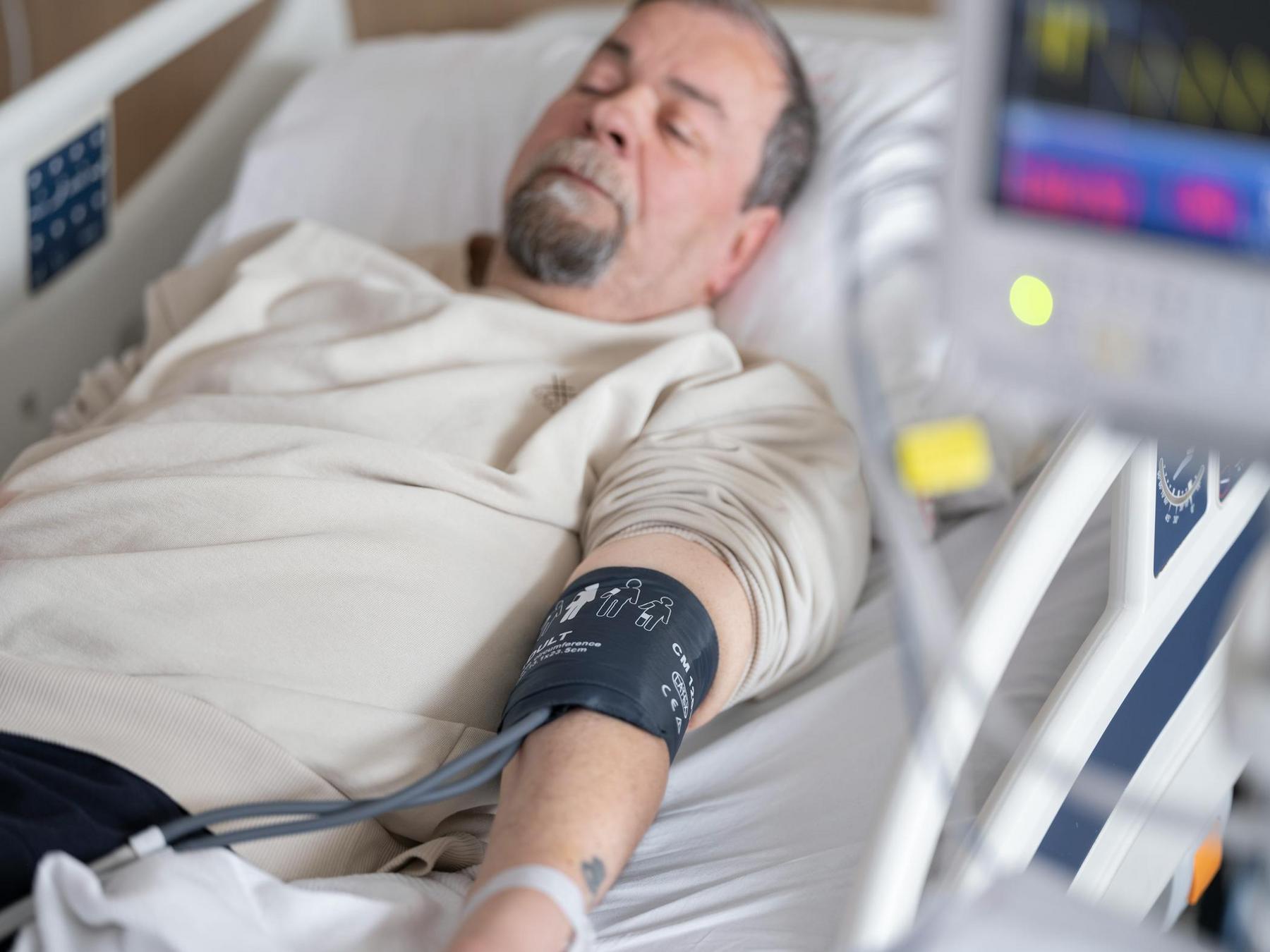
Every night, millions of Australians lie awake, struggling with unrefreshing sleep, unexplained fatigue, or the unsettling reports from partners about gasping, snoring, or breathing pauses during the night. Behind bedroom doors across the nation, a silent epidemic of sleep disorders affects more than half the adult population, costing the Australian economy over $75 billion annually in healthcare expenses, lost productivity, and reduced quality of life. Yet despite these staggering figures, the path to diagnosis and treatment remains obscured for many who suffer in silence, unaware that a comprehensive diagnostic tool—polysomnography—holds the key to understanding their sleep disturbances and reclaiming their health.
Polysomnography represents the gold standard in sleep medicine, a sophisticated diagnostic technology that transforms the mystery of what happens during sleep into quantifiable, actionable medical data. This comprehensive sleep study provides clinicians with unprecedented insight into the complex physiological processes that occur when consciousness fades, revealing the hidden patterns of breathing disorders, movement abnormalities, and neurological disturbances that disrupt restorative sleep.
What Is Polysomnography and How Does It Work?
Polysomnography, derived from the Greek words πολύς (many, much), Latin somnus (sleep), and Greek γράφειν (to write), is a multi-parameter diagnostic test that simultaneously records and analyses numerous physiological functions throughout the night. As the definitive diagnostic tool in sleep medicine, polysomnography captures a comprehensive portrait of sleep architecture by monitoring brain waves, oxygen levels, heart rate, breathing patterns, eye movements, and limb movements.
The technology represents a remarkable convergence of neuroscience, respiratory medicine, and cardiology, typically recording a minimum of 12 channels of data through approximately 22 wire attachments strategically placed across the body. Each sensor serves a specific diagnostic purpose, working in concert to create what sleep specialists call a polysomnogram—a detailed record that reveals not merely whether someone sleeps, but how they sleep and what physiological disruptions occur during unconsciousness.
The fundamental principle underlying polysomnography is straightforward yet profound: sleep disorders cannot be adequately diagnosed through patient history and physical examination alone. The critical events that define conditions such as obstructive sleep apnoea, periodic limb movement disorder, or REM sleep behaviour disorder occur when patients cannot observe or report them. Polysomnography provides objective, quantifiable evidence of these nocturnal events, transforming subjective complaints into measurable medical data that guides diagnosis and treatment.
The technology employs electroencephalography (EEG) to capture brain wave patterns, enabling clinicians to identify distinct sleep stages—from light sleep through deep slow-wave sleep to rapid eye movement (REM) sleep. Simultaneously, electrooculography (EOG) tracks eye movements that characterise REM sleep and sleep onset, whilst electromyography (EMG) monitors muscle tension that typically reaches its lowest point during REM sleep. These neurological measurements combine with respiratory sensors measuring nasal and oral airflow, chest and abdominal wall movement, and blood oxygen saturation to create a comprehensive physiological profile.
When Should You Consider a Sleep Study?
Clinical indications for polysomnography extend far beyond simple snoring or occasional restless nights. The American Academy of Sleep Medicine’s 2017 Clinical Practice Guideline provides evidence-based recommendations for when sleep studies become medically necessary, emphasising that diagnostic testing should occur within the context of comprehensive sleep evaluation and adequate follow-up care.
Strong clinical indications for polysomnography include:
- Suspected obstructive sleep apnoea: daytime somnolence, loud snoring, witnessed breathing pauses, gasping or choking episodes, or morning headaches.
- Narcolepsy evaluation: documented abnormalities in REM sleep patterns and sleep onset timing.
- REM sleep behaviour disorder: video and EMG recordings documenting increased muscle tone during REM sleep.
- Periodic limb movement disorder: significant daytime fatigue or repetitive leg movements reported by a bed partner.
Polysomnography is generally not recommended for:
- Routine screening in asymptomatic individuals or in cases of chronic insomnia without other sleep disorder suspicions.
- Simple parasomnias such as sleepwalking or sleep talking without additional concerns.
- Patients already using continuous positive airway pressure (CPAP) therapy with adequate treatment response.
In Australia, the 2018 Medicare Benefits Schedule update enabled general practitioners to directly refer patients for diagnostic sleep studies, improving access to this essential diagnostic tool. However, only Level 1 and Level 2 sleep studies currently attract Medicare rebates, whilst Level 3 and Level 4 portable studies remain largely patient-funded.
What Parameters Does Polysomnography Measure?
The comprehensive nature of polysomnography derives from its simultaneous measurement of multiple physiological systems, each providing distinct diagnostic information that contributes to the complete clinical picture.
Brain Activity and Sleep Architecture
Electroencephalography forms the foundation of sleep stage identification, with at least three channels recording brain wave patterns from electrodes placed on the scalp according to the International 10-20 system. Sleep specialists score recordings in 30-second intervals called epochs, classifying each as Wake (W), Stage N1, N2, N3 (non-rapid eye movement sleep), or Stage R (REM sleep). This classification reveals sleep architecture—the distribution and cycling of sleep stages throughout the night.
Respiratory Function Assessment
Respiratory monitoring employs multiple technologies to capture complete breathing patterns. Nasal pressure transducers and thermistors measure airflow through nasal and oral passages, detecting complete cessation (apnoea) or partial obstruction (hypopnoea) lasting 10 seconds or longer. Thoracoabdominal inductance plethysmography belts measure respiratory effort, distinguishing obstructive from central sleep apnoea. Pulse oximetry provides continuous oxygen saturation monitoring, identifying oxygen desaturations that may stress cardiovascular function.
Cardiac and Movement Monitoring
Electrocardiography electrodes capture heart rate and rhythm, while electromyography of the anterior tibialis muscles documents periodic limb movements. Submentalis EMG monitors muscle tension during REM sleep, crucial for identifying abnormal REM sleep behaviours.
Audiovisual Documentation
Low-light video recording with audio monitoring allows sleep technologists to correlate physiological data with observed patient behaviour, which is particularly valuable for evaluating parasomnias and unusual sleep patterns.
What Types of Sleep Studies Are Available?
Sleep medicine recognises four distinct types of polysomnography, classified by the comprehensiveness of monitoring and the setting in which they occur:
| Study Type | Setting | Channels | Sleep Staging | Technologist | Best Used For |
|---|---|---|---|---|---|
| Type I | In-laboratory | 12+ channels | Yes | Attended | Complex cases, definitive diagnosis, CPAP titration |
| Type II | Home | 7+ channels | Yes | Unattended | Patients unable to attend laboratory settings |
| Type III | Home | 4+ channels | No | Unattended | High suspicion of uncomplicated moderate-severe OSA |
| Type IV | Home | 1-2 channels | No | Unattended | Limited screening; not recommended for full OSA diagnosis |
Type I: Attended In-Laboratory Polysomnography
This gold standard approach occurs in sleep laboratories designed to replicate a comfortable bedroom environment while providing comprehensive monitoring. Patients arrive early for sensor application and calibration, with a technologist monitoring data throughout the night to ensure quality and safety.
Home Sleep Apnoea Testing
Portable monitoring devices offer greater convenience and reduced costs. However, home tests (Type III and IV) lack comprehensive sleep staging, potentially affecting the accuracy of indices such as the apnoea-hypopnoea index (AHI).
How Are Polysomnography Results Interpreted?
Interpreting polysomnography data requires specialised expertise. Sleep technologists score the data in 30-second epochs, classifying sleep stages based on EEG, EOG, and EMG patterns. Key metrics include:
- Total Sleep Time (TST): The actual amount of sleep obtained.
- Sleep Onset Latency (SOL): Time from lights out to sleep onset.
- Sleep Efficiency (SE): Percentage of time in bed spent asleep.
- REM Latency: Time from sleep onset to the first REM period.
- Wake After Sleep Onset (WASO): Total time awake after initial sleep onset.
The Apnoea-Hypopnoea Index (AHI) quantifies respiratory events per hour of sleep and is essential for diagnosing and grading sleep apnoea. Detailed reports include breakdowns of event types, oxygen desaturations, and correlations with cardiac or sleep architecture abnormalities.
What Can You Expect During a Sleep Study?
A polysomnography study is designed to be as comfortable as possible despite the extensive monitoring:
- Pre-Study Preparation: Patients are advised to maintain normal sleep routines and avoid napping on the day of the study. Specific instructions regarding personal care and sensor preparation are provided.
- Sleep Laboratory Environment: Rooms mimic a comfortable bedroom setting with private accommodations, climate control, and minimal distractions.
- Sensor Application and Calibration: Sleep technologists attach multiple sensors to monitor brain waves, eye movements, muscle activity, heart rate, breathing, and oxygen levels. Pre-sleep calibrations ensure data accuracy.
- Overnight Monitoring: Continuous monitoring by a technologist ensures data quality, with accommodations made for brief sensor disconnections if necessary (e.g., for bathroom breaks).
- Post-Study Procedures: After the study, sensors are removed, and the patient is briefed on what to expect regarding result processing and follow-up consultations.
First-Night Effect: Patients may experience altered sleep patterns due to the unfamiliar environment, which is taken into consideration during result interpretation.
The Diagnostic Value and Limitations of Polysomnography
Polysomnography provides objective and comprehensive diagnostic data, making it the gold standard for conditions like obstructive sleep apnoea, periodic limb movement disorder, REM sleep behaviour disorder, and narcolepsy. However, limitations exist, such as the first-night effect, resource constraints, and the variable interpretation of data.
Clinical Advantages:
- Objective measurement of sleep architecture and respiratory events
- Comprehensive assessment of multiple physiological systems
- Immediate intervention capabilities during attended studies (e.g., CPAP titration)
Technical and Practical Limitations:
- First-night effect potentially impacting sleep quality
- Access limitations due to resource and geographic constraints
- Variability in data interpretation despite standardised scoring criteria
Sleep Health in the Australian Context
The burden of sleep disorders in Australia is significant, with a large proportion of adults experiencing symptoms from sleep inadequacy. Studies indicate that over half of the adult population report insufficient sleep quality or duration, contributing to substantial economic and health impacts.
Recent initiatives, including updates to the Medicare Benefits Schedule and targeted public health campaigns, aim to improve access to diagnostic sleep studies and subsequent treatment. Collaborative efforts between sleep associations and healthcare providers are also focusing on better education, early detection, and management of sleep disorders.
Moving Forward: The Future of Sleep Diagnostics
Polysomnography continues to evolve with technological advancements such as artificial intelligence for automated scoring and more comfortable, miniaturised sensors. Balancing diagnostic accuracy with accessibility remains a central challenge in ensuring that patients across Australia can benefit from these advances.
Looking to discuss your health options? Speak to us and see if you’re eligible today.
How long does it take to get polysomnography results?
Results processing typically takes several days to two weeks after an in-laboratory sleep study. The technologist scores the entire recording and a sleep physician reviews the data before a comprehensive report is generated.
Can I sleep on my side during polysomnography?
Yes, you can sleep in your preferred position. The sensor wires are designed to allow for normal movement, and body position data is recorded to evaluate positional sleep apnoea.
Will polysomnography diagnose all sleep disorders?
Polysomnography is excellent for diagnosing sleep-related breathing disorders, periodic limb movement disorder, and REM sleep behavior disorder, but it may not diagnose circadian rhythm disorders or chronic insomnia without additional evaluations.
Is polysomnography covered by Medicare in Australia?
Medicare in Australia provides rebates for Type I (in-laboratory) and Type II (comprehensive portable) sleep studies under specific clinical conditions. However, Type III and IV studies are usually not covered and may require out-of-pocket payment.
How accurate is home sleep apnoea testing compared to laboratory polysomnography?
Home sleep apnoea tests (typically Type III) are accurate for diagnosing moderate-to-severe obstructive sleep apnoea in selected patients, but they lack the comprehensive data (such as sleep staging) provided by full in-laboratory studies.