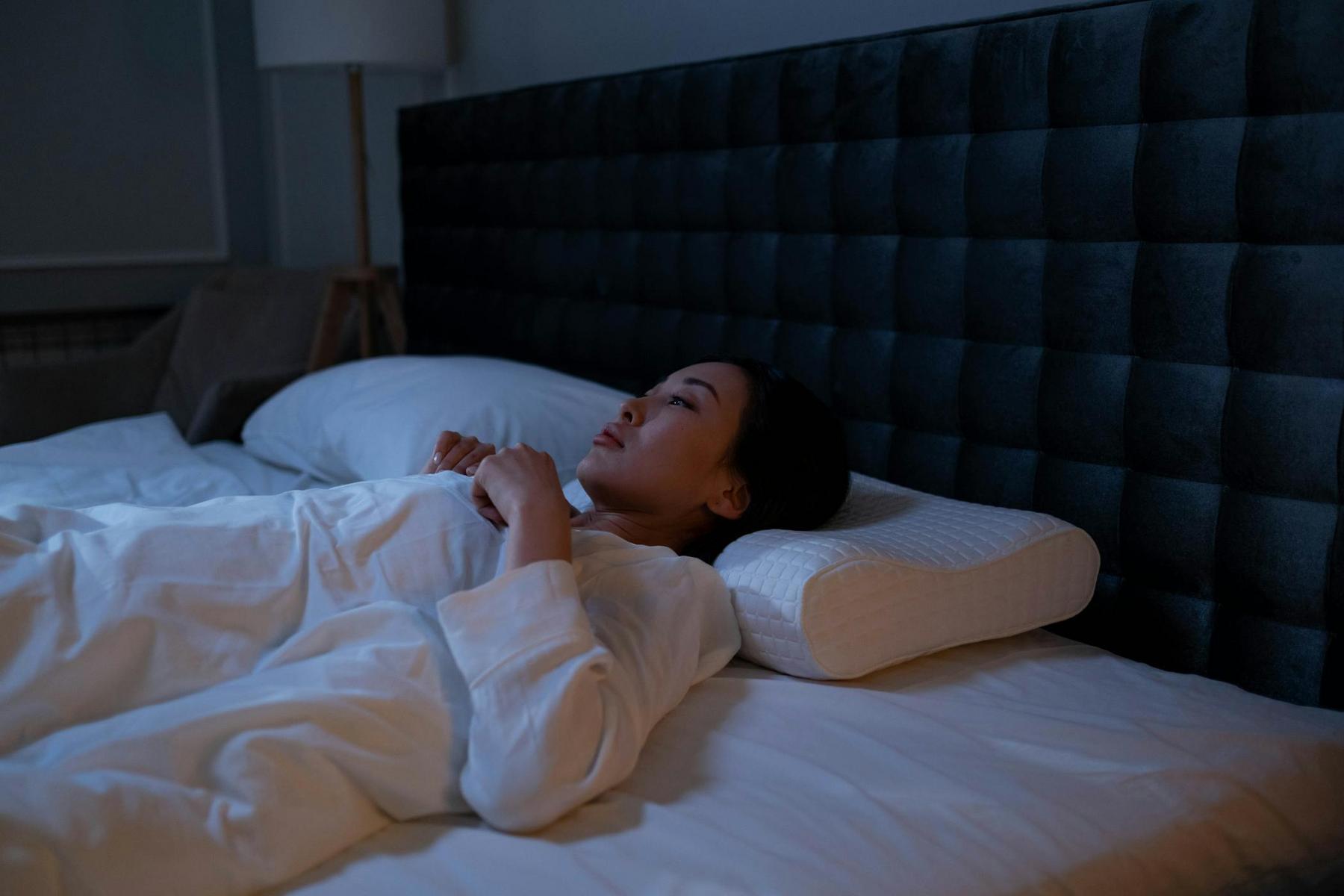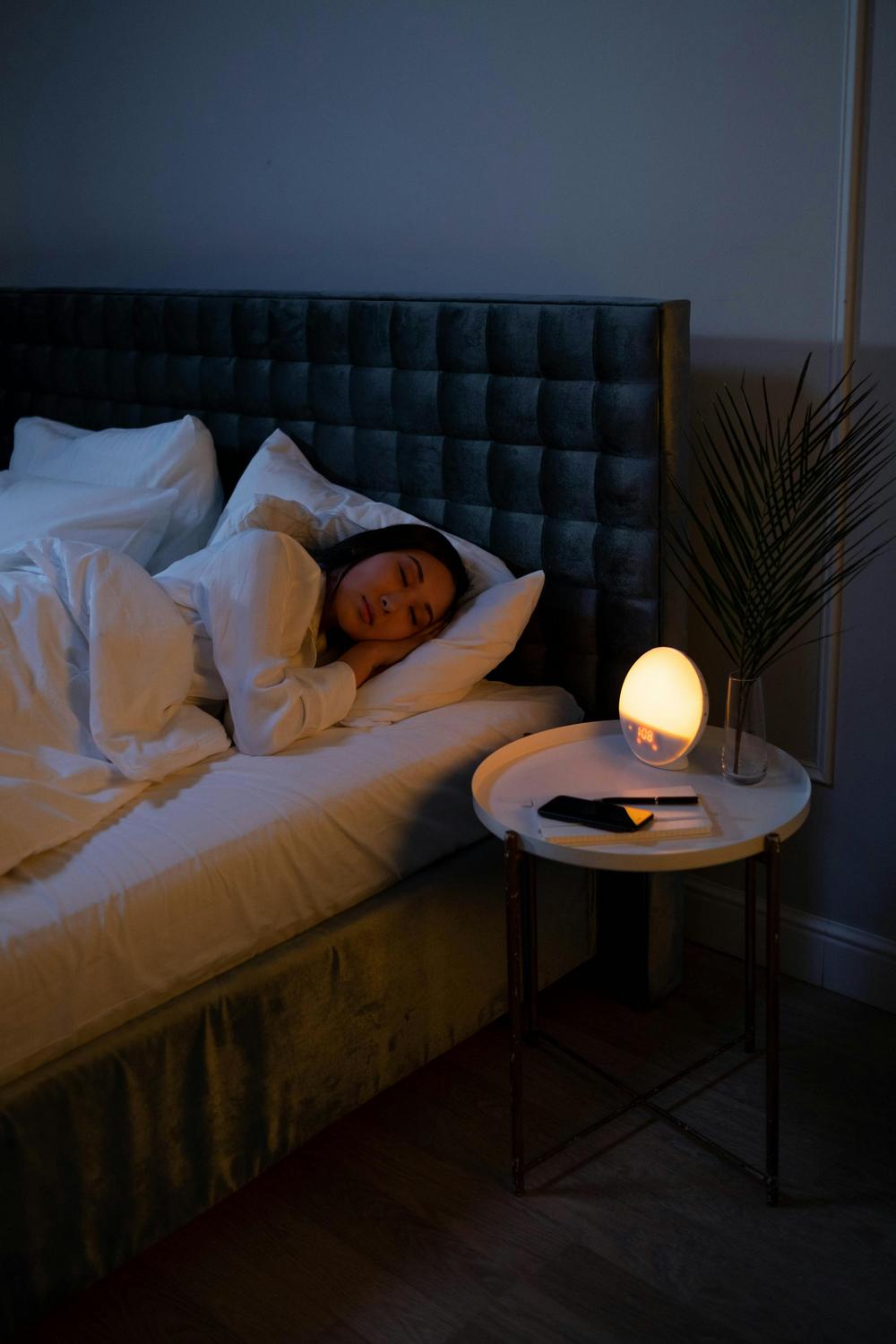
Most people assume falling asleep is a simple, automatic process – you close your eyes, the world fades away, and hours later you wake. Yet for nearly 60% of Australian adults, that transition is anything but seamless. Sleep onset association – the behavioural patterns, environmental cues, and neurological conditions that govern how we move from wakefulness into sleep – is one of the most clinically significant and underappreciated dimensions of sleep health.
What Is Sleep Onset Association, and Why Is It Clinically Significant?
Sleep onset association refers to the behavioural patterns and environmental cues that individuals develop – often unconsciously – to facilitate the transition from wakefulness to sleep. These associations can be adaptive (a dark, cool room and a consistent pre-sleep routine) or maladaptive (requiring a screen, a particular sleeping arrangement, or the presence of another person to initiate sleep).
The sleep onset process (SOP) is not an instantaneous event. It is a dynamic, continuous transition characterised by progressive changes in brain activity, physiological responsiveness, and subjective awareness. The American Academy of Sleep Medicine (AASM) defines clinical sleep onset as the first 30-second epoch containing at least 15 seconds of sleep – but reaching that threshold is shaped by an intricate interplay of biological, behavioural, and environmental factors.
The following table, derived from established sleep research, outlines how sleep latency is clinically classified:
| Time to Fall Asleep | Classification | Clinical Significance |
|---|---|---|
| 0–5 minutes | Severe sleepiness | Significant sleep deprivation |
| 5–10 minutes | Troublesome sleepiness | Accumulated sleep debt |
| 10–15 minutes | Manageable | Minor sleep debt present |
| 15–20 minutes | Normal/optimal | Little to no sleep debt |
| Greater than 30 minutes | Prolonged latency | May indicate insomnia |
In Australia, the Sleep Health Foundation has established that 59.4% of Australian adults report experiencing at least one sleep symptom three or more times per week, with 14.8% meeting clinical criteria for insomnia disorder. The economic burden on the Australian community exceeds $51 billion annually, underscoring how profoundly disrupted sleep onset patterns affect societal wellbeing beyond the individual.
What Happens in the Brain and Body During Sleep Onset?
The physiology of falling asleep is governed by a sophisticated two-process model of sleep regulation:
Process C – the circadian component is driven by the suprachiasmatic nucleus (SCN) in the hypothalamus, which orchestrates the 24-hour sleep-wake rhythm. It works in conjunction with the body’s endogenous sleep-promoting signals, which rise approximately two hours before a person’s habitual bedtime in response to darkness and signal rising sleep propensity.
Process S – the homeostatic component reflects accumulated wakefulness. The longer an individual remains awake, the greater the build-up of sleep pressure, which interacts with the circadian system to determine when and how readily sleep onset occurs.
Electroencephalographic (EEG) research documents the neural signature of this transition with precision. During sleep onset, there is a progressive decrease in alpha wave activity (8–12 Hz) and a corresponding increase in slower theta and delta frequencies. The thalamus – a key relay station in the brain – begins modulating its activity before cortical changes are evident, reflecting the subcortical nature of sleep initiation. Importantly, sleep onset is only partially under voluntary cortical control, meaning the decision to fall asleep cannot simply be willed into existence.
Autonomic changes accompany these neural shifts. The parasympathetic nervous system becomes dominant, heart rate slows, respiration decreases, and core body temperature begins to fall – a process that is actively facilitated by an optimal bedroom temperature of 16–19°C. The distal-proximal skin temperature gradient (warmth in the hands and feet relative to the torso) is recognised as one of the most reliable physiological predictors of rapid sleep onset.
What Is Hypnagogia, and What Does the Subjective Experience of Falling Asleep Reveal?
The subjective experience of falling asleep – known as hypnagogia – is neither wakefulness nor sleep, but an intermediate state of consciousness that generally lasts approximately five minutes in healthy sleepers. During this period, individuals may experience wandering thoughts, fragmentary visual images, auditory sensations, and a progressive loosening of logical thought.
Research by Yang and colleagues identified that loss of control over thought processes and reduced logic of thought are the two primary subjective markers associated with the perception of having fallen asleep – together predicting this perception with 91.7% accuracy. This finding has profound implications for understanding why individuals with insomnia often feel they have not slept, even when objective measures suggest otherwise. This phenomenon is known as sleep-state misperception.
Researchers have described three distinct categories of sleep-related mental activity:
Insomnolent Mentation
Coherent, sense-making thought patterns that maintain wakefulness. Rumination, problem-solving, and logical analysis are prototypical examples.
Pro-Somnolent Mentation
Disorganised, dreamlike, and fragmented thought patterns that facilitate sleep onset – brief imagery, remote memories, and loosely associated ideas.
Super-Somnolent Mentation
A deliberate cognitive strategy that is simultaneously counter-insomnolent (disrupting wakefulness-maintaining thought) and pro-somnolent (cultivating sleep-promoting mental states).
Understanding these mentation categories is clinically relevant: interventions that shift an individual from insomnolent to pro-somnolent thought patterns address one of the most fundamental mechanisms maintaining sleep onset difficulties.
How Do Falling Asleep Patterns Differ Across Age, Gender, and Chronotype in Australians?
Sleep onset association is not uniform across the population. Several key variables shape an individual’s characteristic falling asleep pattern:
Age: Sleep latency increases by approximately 1.1 minutes per decade. Interestingly, 32% of 18–24-year-old Australians report difficulty falling asleep, compared to 25% of those aged 65 and over – yet objective measures consistently show longer sleep latency in older adults, reflecting the sleep-state misperception phenomenon discussed above. Older adults also experience reduced endogenous sleep-promoting signaling and changes in sleep architecture that collectively alter sleep onset dynamics.
Gender: Significantly more women report worrying about obtaining a good night’s sleep (31% of women versus 21% of men), and 35% of women report being overwhelmed by thoughts when attempting to sleep, compared to 25% of men. This heightened cognitive arousal is directly associated with extended sleep latency and supports the need for gender-sensitive approaches to sleep health.
Chronotype and Social Jetlag: An individual’s chronotype – their biologically determined preference for earlier or later sleep timing – significantly influences sleep onset association. Individuals with a delayed chronotype who are required to sleep at socially conventional times experience social jetlag, a form of circadian misalignment that disrupts normal sleep onset patterns. Research demonstrates that individuals with phase angles exceeding three hours between their endogenous circadian phase and sleep attempt experience sleep latencies 43 minutes longer than those with properly aligned timing. Crucially, chronotype can only be shifted by approximately one hour in either direction through behavioural means.
What Environmental and Lifestyle Factors Most Significantly Affect Sleep Onset Patterns?
The bedroom environment and pre-sleep behaviours exert measurable influence on sleep onset association:
Light exposure is perhaps the most potent environmental disruptor of sleep onset. Blue-spectrum light – predominant in screens and LED lighting – suppresses the body’s endogenous sleep-promoting signals for twice as long as green light and shifts circadian phase by up to three hours following a single evening exposure. Even dim light at 8 lux – well below the intensity of a standard table lamp – is sufficient to interfere with these endogenous sleep-promoting signals. Avoiding bright or blue-spectrum light for 30–60 minutes before bed is a well-evidenced strategy for protecting natural sleep onset.
Dietary patterns also interact with sleep onset. Research indicates that for every one gram increase in carbohydrate intake, the odds of sleeping more than seven hours and achieving good sleep quality increase by 0.5%. High carbohydrate intake is associated with reduced sleep onset latency, increased slow-wave sleep, and improved REM sleep architecture.
Cognitive arousal stands as one of the most significant impediments to sleep initiation. Australian data reveal that 53% of Australians cite stress and anxiety as the primary causes of their sleep difficulties, with financial worries affecting 42% and family concerns 36%. Sustained sympathetic nervous system activation – triggered by psychological stress – elevates heart rate, cortisol, and core body temperature, directly counteracting the physiological conditions necessary for sleep onset.
What Does the Evidence Say About Improving Sleep Onset Association?
The most robustly validated intervention for disordered sleep onset is Cognitive Behavioural Therapy for Insomnia (CBT-I), endorsed as the first-line treatment by both the Royal Australian College of General Practitioners (RACGP) and the American College of Physicians. CBT-I achieves clinically meaningful improvements in 70–80% of patients with primary insomnia, with treatment effect sizes of 1.0–1.2, corresponding to approximately a 50% post-treatment reduction in insomnia symptoms. Notably, clinical gains are maintained for up to 24 months following treatment completion.
CBT-I comprises five core components, each targeting a distinct perpetuating mechanism of disordered sleep onset association:
Sleep Education (Psychoeducation)
Understanding the physiological architecture of sleep, the three-process model of insomnia perpetuation (predisposing, precipitating, and perpetuating factors), and realistic expectations about sleep duration and quality.
Sleep Restriction Therapy
Temporarily limiting time in bed to closely match actual sleep duration, thereby increasing homeostatic sleep pressure and improving sleep efficiency to a target of 85% or above.
Stimulus Control Therapy
Systematically rebuilding the association between the bed and sleepiness – rather than wakefulness, anxiety, or frustration – through consistent behavioural protocols applied across multiple nights.
Relaxation Techniques
Evidence-based approaches including progressive muscle relaxation, diaphragmatic breathing, guided imagery, mindfulness meditation, and autogenic training – all of which reduce the pre-sleep cognitive and physiological arousal that delays sleep onset.
Cognitive Restructuring
Identifying and modifying dysfunctional beliefs about sleep – catastrophic thinking about the consequences of poor sleep, unrealistic expectations about sleep duration, and inaccurate assumptions about sleep necessity – through systematic disputation and reframing.
Despite CBT-I’s demonstrated effectiveness, fewer than 1% of Australians who meet criteria for chronic insomnia currently receive this evidence-based intervention. Australia’s digital CBT-I landscape is expanding, with programmes such as Bedtime Window, A Mindful Way, This Way Up: Managing Insomnia, and the MindSpot Sleep Course providing increasingly accessible pathways to structured, clinician-informed care.
The Science of Sleep Onset Is a Foundation, Not a Footnote
Sleep onset association sits at the intersection of neuroscience, behavioural psychology, and circadian biology. It is not a peripheral concern of sleep medicine – it is its architecture. The patterns by which we fall asleep are shaped across a lifetime of environmental exposures, behavioural habits, cognitive tendencies, and biological predispositions. They can entrench dysfunction or, with the right evidence-based framework, be systematically reshaped.
For Australians navigating the complexity of disrupted sleep, the most important insight the research offers is this: the problem of not falling asleep is rarely about sleep itself. It is about the associations – cognitive, behavioural, and physiological – that have accumulated around the experience of trying. Addressing those associations, through validated frameworks and qualified professional support, is where meaningful, lasting change begins.
What is sleep onset association in adults?
Sleep onset association in adults refers to the behavioural and environmental conditions an individual has come to associate with initiating sleep. These may include specific lighting conditions, pre-sleep routines, or habitual cognitive patterns. When maladaptive associations are established – such as associating the bed with wakefulness or anxiety – sleep onset latency is significantly prolonged. Therapeutic approaches such as CBT-I are specifically designed to modify these associations.
What is a normal time to fall asleep in Australia?
Research establishes that normal sleep latency in healthy adults ranges between 10 and 20 minutes, with a meta-analytic average of approximately 11.7–11.8 minutes. Sleep latency consistently exceeding 30 minutes is considered clinically significant and may warrant professional assessment for insomnia disorder.
Why do I associate my bed with not sleeping?
When individuals spend extended periods lying awake in bed – due to stress, worry, or habitual wakefulness – the bed environment becomes conditioned to arousal rather than sleep. This phenomenon, known as stimulus control insomnia or conditioned arousal, is addressed with stimulus control therapy, a core component of CBT-I, which helps to rebuild a healthier association between the bed and sleep.
What factors most commonly disrupt sleep onset patterns in Australians?
Psychological stress and anxiety (reported by 53% of Australians), cognitive arousal at bedtime, blue-light exposure from screens, irregular sleep scheduling, and circadian misalignment are among the most prevalent contributors to disrupted sleep onset. Environmental factors such as suboptimal bedroom temperature can also impair sleep initiation.
Is it possible to change long-standing falling asleep patterns?
Yes. Decades of clinical research confirm that sleep onset patterns, even those entrenched over many years, are modifiable through structured, evidence-based interventions like CBT-I. This therapy has demonstrated sustained improvements in sleep onset latency and overall sleep quality, with benefits maintained for up to 24 months post-treatment.