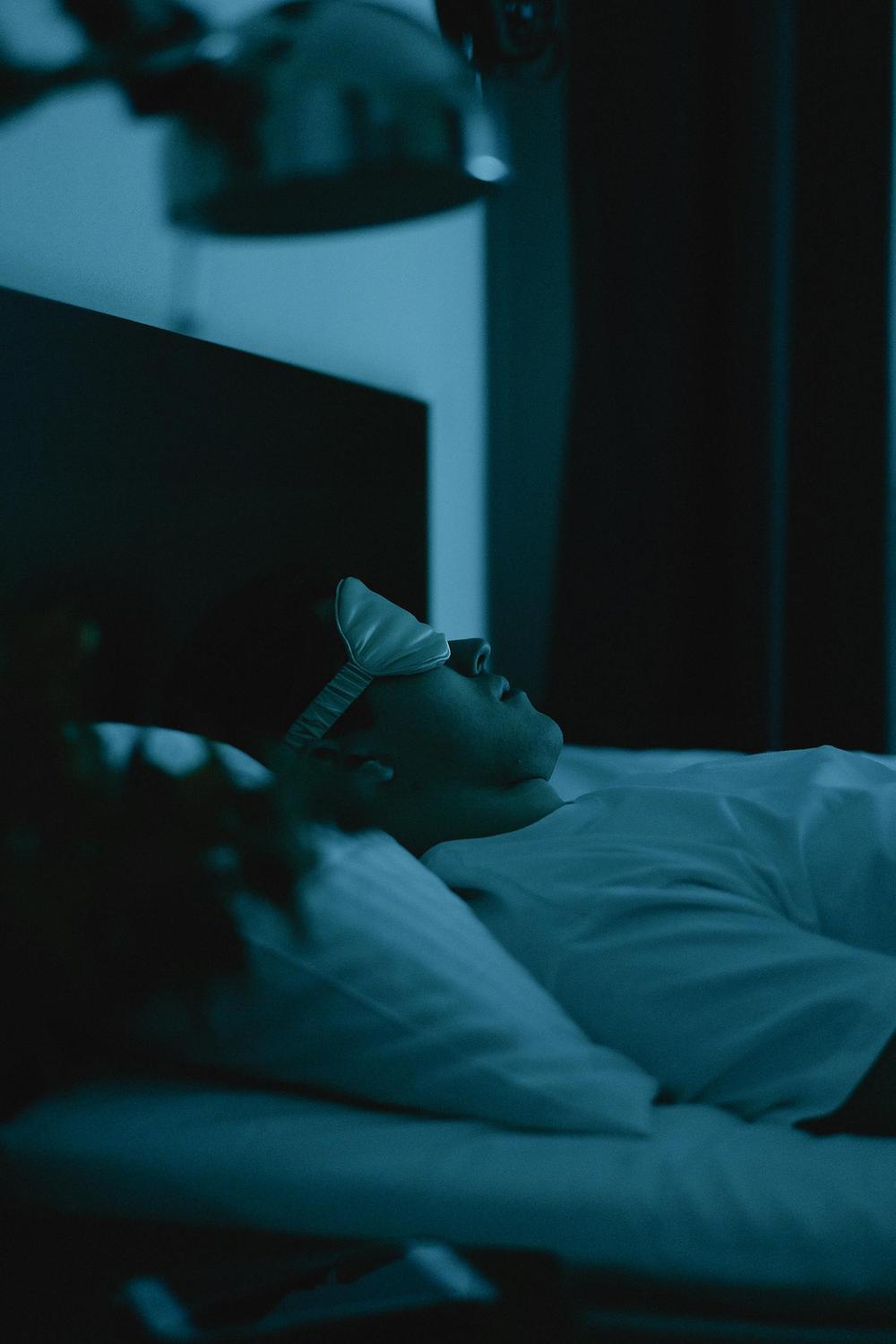
Every night, approximately 40% of Australians lie awake, battling an invisible force that seems determined to keep them from rest. Yet ironically, this same biological mechanism—sleep drive—is precisely what should be guiding them towards restorative slumber. The disconnect between what our bodies need and what we experience represents one of the most significant public health challenges facing modern Australia, with an estimated annual economic burden of $75.5 billion. Understanding homeostatic sleep pressure isn’t merely an academic exercise; it’s fundamental to comprehending why sleep eludes so many, and more importantly, how the natural architecture of sleep regulation can be restored.
The concept of sleep drive operates through elegant biochemical precision, accumulating relentlessly throughout our waking hours like an hourglass measuring the currency of consciousness itself. When functioning optimally, this system orchestrates the transition from wakefulness to sleep with remarkable consistency. However, contemporary lifestyles systematically undermine these ancient regulatory mechanisms, creating a population chronically misaligned with their biological imperatives. For the 71% of Australians who struggle to achieve quality sleep, understanding the science of homeostatic sleep pressure offers a pathway towards reclaiming one of life’s most essential physiological processes.
What Is Sleep Drive and Why Does It Matter for Australian Sleep Health?
Sleep drive, formally termed homeostatic sleep pressure, represents the body’s accumulated biological need for sleep that intensifies progressively throughout wakefulness. This fundamental regulatory process operates as one half of the two-process model of sleep regulation, first conceptualised by Swiss researcher Alexander Borbély in 1982—a framework that remains the dominant paradigm in sleep science after more than four decades of validation.
The homeostatic component, designated as Process S, functions as a biological ledger that meticulously tracks sleep debt. Each moment of wakefulness deposits incremental pressure into this system, whilst sleep withdraws from the accumulated balance. This pressure increases exponentially during waking hours and decreases exponentially during sleep, creating a self-regulating cycle that, under normal circumstances, ensures adequate rest.
The significance of understanding sleep drive extends far beyond theoretical interest. For Australia’s sleep-deprived population—where 59.4% experience at least one sleep symptom three or more times weekly, and 14.8% meet clinical diagnostic criteria for insomnia—comprehending homeostatic sleep pressure illuminates both the problem and potential solutions. The system’s elegance lies in its measurability: sleep pressure manifests through quantifiable markers including electroencephalographic (EEG) slow-wave activity, sleep latency, and neurophysiological brain activation patterns.
Research demonstrates that homeostatic sleep pressure directly influences sleep architecture, determining not merely whether we sleep, but the quality and restorative capacity of that sleep. The first cycles of sleep following prolonged wakefulness exhibit significantly elevated slow-wave activity, reflecting the brain’s prioritisation of deep, restorative sleep stages when pressure peaks. This biological wisdom ensures that even when sleep duration is compromised, the body maximises the recuperative value of whatever sleep is obtained—sacrificing lighter sleep stages to preserve the neurologically essential deep sleep.
How Does Homeostatic Sleep Pressure Build Throughout the Day?
The accumulation of sleep drive follows a remarkably precise temporal pattern, governed by cellular metabolic processes occurring continuously throughout waking hours. Brain cells consume approximately 20% of the body’s total energy during wakefulness, predominantly in the form of adenosine triphosphate (ATP). As neurons utilise ATP to power cognitive processes, the breakdown of this energy currency generates adenosine as a metabolic byproduct.
This adenosine accumulation serves as the primary biochemical signal mediating homeostatic sleep pressure. Levels rise progressively during sustained wakefulness, with concentrations directly proportional to both the duration and intensity of cognitive activity. Mentally demanding tasks—complex problem-solving, intensive learning, sustained attention—accelerate adenosine accumulation beyond baseline rates, explaining why cognitively taxing days generate disproportionately strong sleep drive.
Physical activity similarly amplifies sleep pressure through multiple mechanisms. Exercise increases metabolic rate throughout the body, elevating ATP consumption and consequent adenosine production. Additionally, immune system activation—whether from infection, inflammation, or physical exertion—releases immune mediators that independently enhance sleep pressure, facilitating the deeper, longer sleep observed during illness recovery.
The temporal dynamics of homeostatic sleep pressure, however, do not manifest as simple linear accumulation. Australians commonly experience a bimodal pattern of sleep propensity throughout the day: a mid-afternoon peak (the post-lunch dip) and a paradoxical early evening reduction in sleepiness despite progressively accumulating sleep debt. This counterintuitive pattern emerges from the complex interaction between rising homeostatic pressure and the opposing circadian wake-promotion signal, which peaks shortly before habitual bedtime in what researchers term the “wake maintenance zone.”
| Time of Day | Sleep Pressure Level | Circadian Alertness | Net Sleep Propensity |
|---|---|---|---|
| Early Morning (6-8am) | Low | Increasing | Low |
| Late Morning (10am-12pm) | Moderate | High | Low-Moderate |
| Mid-Afternoon (2-4pm) | Moderate-High | Decreasing | High |
| Early Evening (6-8pm) | High | Peak (Wake Zone) | Moderate |
| Late Evening (10pm-12am) | Very High | Decreasing | Very High |
| Night (2-4am) | Low (if asleep) | Lowest | Variable |
What Role Does Adenosine Play in Regulating Sleep Drive?
Adenosine functions as the molecular currency of homeostatic sleep pressure, translating cellular energy expenditure into neural signals that ultimately culminate in sleep. This neuromodulator accumulates in the extracellular space of the brain, binding to specialised adenosine receptors that orchestrate the transition from wakefulness to sleep through sophisticated neural mechanisms.
Two primary receptor subtypes mediate adenosine’s sleep-promoting effects: A1 and A2A receptors. A1 receptors, concentrated in the basal forebrain, facilitate sleep by inhibiting wake-promoting neurotransmitters including norepinephrine and histamine. These receptors act upon both cholinergic and non-cholinergic neurons, progressively dampening arousal systems as adenosine concentrations rise. Following 24 hours of sleep deprivation, A1 receptors undergo upregulation across all examined brain regions, with the orbitofrontal cortex demonstrating a 15.3% increase in receptor density—a compensatory mechanism reflecting the brain’s attempt to process accumulated sleep pressure.
A2A receptors complement this process by modulating arousal thresholds and supporting sleep consolidation. These receptors provide what researchers describe as “gating” functions, determining the ease with which the brain transitions into sleep states. Both receptor populations increase substantially following sleep deprivation, creating heightened sensitivity to adenosine’s sleep-promoting signals.
The sophistication of adenosine signalling extends beyond simple sleep induction. Recent research reveals that adenosine encodes sleep-wake history to the circadian clock itself, modulating circadian entrainment through the calcium-ERK-AP-1 pathway that regulates clock genes Per1 and Per2. This molecular cross-talk explains why sleep deprivation attenuates the circadian system’s responsiveness to light cues—elevated adenosine dampens the phase-shifting effects of bright light exposure, demonstrating the intimate integration between homeostatic and circadian regulatory processes.
How Do Sleep Drive and Circadian Rhythm Work Together to Regulate Sleep?
The two-process model of sleep regulation posits that sleep propensity emerges not from simple addition of homeostatic pressure and circadian timing, but from their dynamic, nonlinear interaction. Process S (homeostatic sleep drive) and Process C (circadian rhythm) continuously influence one another, creating a sophisticated regulatory system that maintains consolidated sleep during appropriate circadian phases whilst preventing sleep during designated waking periods.
The circadian component, governed by the suprachiasmatic nucleus in the hypothalamus, operates as an approximately 24-hour biological oscillator largely independent of prior sleep-wake history. This internal clock responds primarily to environmental zeitgebers—particularly light-dark cycles—synchronising physiological processes to Earth’s rotation. The circadian system generates a wake-promoting signal that peaks during the late afternoon and early evening, creating the wake maintenance zone that prevents premature sleep onset despite accumulated homeostatic pressure.
This circadian opposition to rising sleep drive serves critical adaptive functions. Without circadian wake promotion counteracting afternoon sleep pressure, humans would likely succumb to sleep during mid-afternoon hours, fragmenting the consolidated nocturnal sleep period that characterises our species. The evening surge in circadian alertness ensures that sleep onset occurs at an appropriate clock time, facilitating prolonged, uninterrupted sleep aligned with environmental darkness.
The amplitude of circadian oscillations demonstrates remarkable plasticity based on homeostatic state. Elevated sleep pressure dampens circadian amplitude, whilst low sleep pressure enhances circadian rhythm variability. This bidirectional relationship ensures system flexibility—when sleep debt accumulates to dangerous levels, the circadian system’s opposition weakens, permitting sleep onset even during typically alert circadian phases.
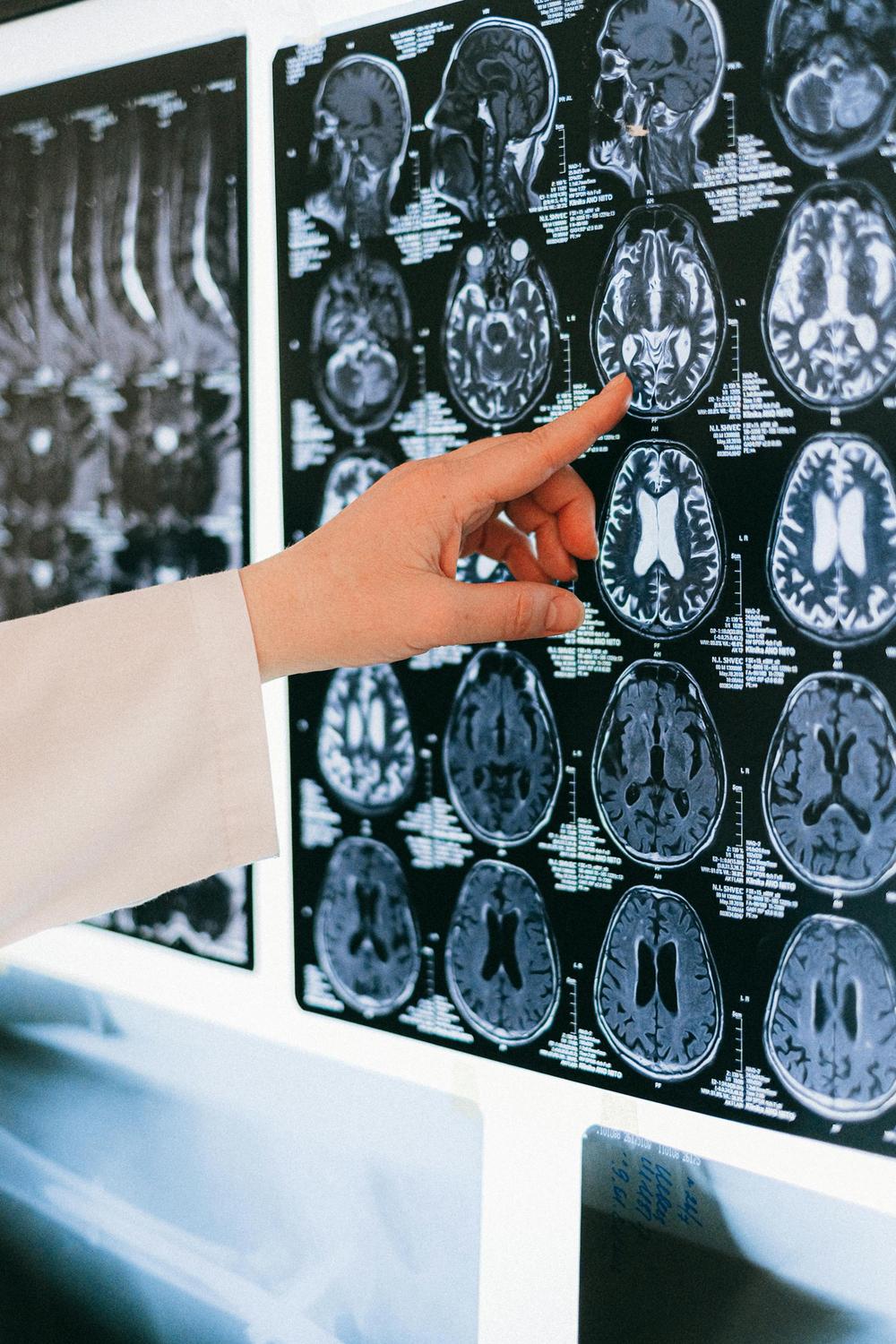
Slow-wave activity during sleep serves as the most reliable biomarker of this integrated system’s output. EEG power in the delta frequency range (0.75-4.5 Hz) during non-rapid eye movement sleep correlates directly with prior waking duration and decays exponentially throughout the sleep period. Neuroimaging studies demonstrate that blood-oxygen-level-dependent (BOLD) signal changes in the suprachiasmatic nucleus correlate with slow-wave activity levels, providing direct evidence of circadian-homeostatic integration at the neural level.
What Happens When Sleep Pressure Is Disrupted in Australia?
The consequences of dysregulated homeostatic sleep pressure extend far beyond subjective tiredness, manifesting across virtually every physiological system. For the approximately one-third of Australians considered sleep deprived, chronic disruption of sleep drive creates cascading health effects that accumulate progressively over time.
Cognitive function deteriorates systematically under conditions of elevated, undissipated sleep pressure. Vigilant attention—the capacity to maintain focused concentration—represents the most sensitive cognitive domain to sleep pressure disruption. Performance on psychomotor vigilance tests declines proportionally with accumulated sleep debt, reflecting reduced cortical activation during cognitive tasks. Brain imaging reveals decreased activation in frontoparietal and salience networks, whilst paradoxically increased thalamic activation suggests compensatory mechanisms attempting to maintain function despite mounting sleep pressure.
Working memory, processing speed, and complex decision-making similarly deteriorate under sustained high sleep pressure. Australian workers experiencing sleep disorders demonstrate 40% greater workplace productivity losses, translating to approximately 134 hours annually per affected worker. Beyond individual performance metrics, 26% of workplace injuries in Australia are attributed to poor sleep quality, whilst 23% of motor vehicle accidents—the largest identifiable and preventable cause of transport accidents—result from sleepiness.
The cardiometabolic consequences of chronic sleep pressure disruption prove particularly insidious. Inadequate sleep systematically dysregulates appetite hormones, increasing consumption of energy-dense foods whilst impairing glucose metabolism. Epidemiological evidence links chronic insufficient sleep to elevated risks of obesity, type 2 diabetes, hypertension, elevated cholesterol, and cardiovascular disease. Notably, even when individuals engage in “catch-up sleep” following periods of sleep restriction, metabolic dysfunction may persist, suggesting that sleep debt carries consequences beyond immediate pressure accumulation.
Mental health demonstrates bidirectional relationships with sleep drive regulation. Disrupted homeostatic pressure contributes to mood disorders, anxiety, and cognitive decline, whilst these conditions further impair sleep regulation through hyperarousal mechanisms. Depression reduces the effectiveness of standard treatments when accompanied by sleep disruption, and increased suicide risk correlates with chronic sleep disturbance. For postpartum women, inadequate sleep elevates depression risk substantially, affecting 10-15% of new mothers.
The immune system’s intimate connection with sleep pressure means that chronic disruption impairs infection resistance, vaccine response, and inflammatory regulation. Persistent low-grade inflammation resulting from inadequate sleep dissipation creates vulnerability to autoimmune conditions and contributes to accelerated biological ageing. Shift workers, whose occupational schedules systematically misalign homeostatic and circadian processes, face elevated risks of mood disorders, cardiovascular disease, diabetes, and certain cancers.
For older Australians, age-related changes in sleep architecture compound sleep pressure regulation challenges. The internal sleep clock loses consistency with advancing age, whilst time spent in deep, slow-wave sleep decreases substantially. Conditions including dementia and Alzheimer’s disease create severe sleep drive disruption, establishing vicious cycles wherein inadequate sleep potentially accelerates neurodegenerative progression.
How Can Australians Optimise Their Homeostatic Sleep Drive Naturally?
Optimising sleep drive requires systematic alignment of behavioural patterns with the underlying neurobiological processes governing homeostatic pressure accumulation and dissipation. Evidence-based approaches target the mechanisms through which adenosine builds during wakefulness and dissipates during sleep, whilst simultaneously supporting circadian-homeostatic integration.
Temporal consistency forms the foundation of effective sleep drive regulation. Maintaining consistent sleep-wake times—including weekends—anchors both homeostatic and circadian processes, allowing predictable pressure accumulation and dissipation cycles. Allocating adequate time for sleep (seven to nine hours for most Australian adults) ensures complete dissipation of accumulated pressure. The 48.8% of Australians whose daily routines fail to provide adequate sleep opportunity essentially guarantee chronic partial sleep deprivation regardless of sleep drive intensity.
Light exposure management powerfully influences the circadian component of sleep regulation, indirectly affecting sleep pressure responsiveness. Bright light exposure exceeding 10,000 lux for 30 minutes or more during morning hours anchors the circadian clock, whilst minimising light exposure one to two hours before bedtime supports appropriate sleep onset. Blue light from electronic screens proves particularly disruptive, delaying sleep onset despite adequate homeostatic pressure. Maintaining bedroom darkness through blackout shades and eliminating light-emitting devices supports consolidated sleep architecture.
Physical activity and cognitive engagement accelerate adenosine accumulation, strengthening sleep drive. Regular exercise, particularly when scheduled for late afternoon or evening (concluding at least one hour before bedtime), promotes deeper slow-wave sleep and more efficient pressure dissipation. However, exercise immediately before bed may prove counterproductive through arousing effects that temporarily override homeostatic signals.
Napping requires strategic management. Whilst brief naps (15-30 minutes) can alleviate acute sleepiness, afternoon napping reduces accumulated sleep pressure for subsequent nighttime sleep. Even 30-minute naps demonstrably decrease slow-wave activity during the following night. For individuals experiencing sleep maintenance difficulties, eliminating daytime napping often proves therapeutically beneficial by maximising homeostatic pressure at bedtime.
Environmental optimisation supports both homeostatic and circadian processes. Maintaining bedroom temperatures between 16-20°C (63-68°F) facilitates the core body temperature reduction associated with sleep onset and supports slow-wave sleep maintenance. Reserving the bed exclusively for sleep and intimacy conditions neural associations between the sleep environment and sleep states—a principle underlying stimulus control therapy, an evidence-based approach for insomnia wherein individuals leave the bed after 20 minutes of wakefulness to strengthen sleep-bed associations.
Behavioural techniques including consistent bedtime routines, relaxation practices, and cognitive behavioural therapy for insomnia (CBTi) address both homeostatic and arousal-related factors. CBTi systematically strengthens sleep drive through sleep restriction protocols whilst simultaneously addressing cognitive and behavioural perpetuating factors, representing the recommended first-line approach by sleep specialists for chronic insomnia.
Understanding Sleep Drive: A Foundation for Restorative Sleep
Homeostatic sleep pressure represents far more than an abstract neurobiological concept—it constitutes the fundamental mechanism through which our bodies track and respond to sleep need. For the millions of Australians struggling with sleep quality, understanding this system illuminates why contemporary lifestyles so systematically undermine natural sleep regulation, and simultaneously reveals pathways towards restoration.
The elegance of sleep drive lies in its measurability and modifiability. Unlike many biological processes operating beyond conscious influence, the factors governing homeostatic sleep pressure accumulation and dissipation remain substantially within volitional control. Strategic management of waking duration, activity patterns, light exposure, and environmental conditions can systematically strengthen sleep drive, improving both sleep onset and sleep architecture.
The Australian sleep crisis, with its $75.5 billion economic burden and profound health consequences, demands population-level recognition of sleep’s biological imperatives. Moving beyond viewing sleep as discretionary—a negotiable commodity to be sacrificed for productivity or entertainment—towards understanding sleep drive as a non-negotiable physiological process represents the essential paradigm shift. The homeostatic system accumulating sleep pressure throughout wakefulness will ultimately claim its due, whether through planned, restorative sleep or through the involuntary microsleeps, cognitive failures, and health deterioration that characterise chronic sleep debt.
Future research continues elucidating the molecular mechanisms linking adenosine signalling to synaptic plasticity, exploring genetic variations influencing individual differences in sleep pressure accumulation, and investigating how sleep-wake cycles influence metabolic gene expression across peripheral tissues. These advancing insights promise increasingly sophisticated, personalised approaches to sleep optimisation.
For individuals experiencing persistent sleep difficulties despite implementing evidence-based strategies, consult a qualified sleep health professional if problems persist. Professional guidance integrated with comprehensive understanding of homeostatic sleep pressure creates the optimal foundation for reclaiming sleep quality.
How long does it take for sleep pressure to build to the point where you feel sleepy?
Sleep pressure accumulates exponentially throughout wakefulness, with most individuals experiencing significant sleepiness after approximately 16-17 hours of continuous wakefulness. However, this timeline varies based on individual factors including prior sleep debt, circadian phase, activity levels, and genetic variations in adenosine receptor sensitivity. The circadian wake maintenance zone, occurring during early evening hours, can temporarily mask accumulated sleep pressure despite lengthy wakefulness periods. Following complete sleep deprivation (24+ hours), homeostatic pressure reaches levels that override most circadian alerting signals, though individual tolerance varies considerably.
Can you measure your own sleep drive or homeostatic sleep pressure?
Whilst the most precise measurements of sleep pressure require specialised equipment (such as polysomnography to assess slow-wave activity or Multiple Sleep Latency Tests), several practical indicators exist. Sleep latency—the time required to fall asleep after lying down—offers useful information: falling asleep within five minutes suggests clinically significant accumulated pressure, while consistently taking more than 30 minutes may indicate insufficient pressure or circadian misalignment. Subjective sleepiness scales, like the Karolinska Sleepiness Scale, also correlate reasonably with objective measures under most circumstances. Additionally, declines in cognitive performance on sustained attention tasks provide indirect evidence of increased sleep pressure.
Does sleep pressure reset completely after one good night’s sleep?
A single night of adequate sleep substantially reduces the acute sleep pressure accumulated during the preceding waking period, with slow-wave activity (the neurophysiological marker of pressure dissipation) decaying exponentially across sleep cycles. However, chronic sleep debt built over multiple days or weeks cannot be fully reversed in just one recovery night. Research indicates that metabolic, cognitive, and immunological consequences of sustained sleep restriction may persist despite a subjective recovery of alertness. Full homeostatic restoration following chronic sleep deprivation typically requires several consecutive nights of sufficient sleep.
Why do older adults experience changes in sleep drive and sleep pressure?
Advancing age systematically alters both homeostatic sleep pressure generation and circadian rhythm amplitude. Older adults often experience reduced slow-wave (deep) sleep even when wakefulness duration is similar to that of younger individuals, suggesting either decreased pressure accumulation or impaired dissipation. Changes in adenosine receptor density and signalling efficiency, along with diminished circadian amplitude and consistency, contribute to earlier wake times, frequent nocturnal awakenings, and overall shorter sleep duration.
How does shift work affect homeostatic sleep pressure and circadian rhythm alignment?
Shift work creates a systematic misalignment between homeostatic sleep pressure and circadian timing. Shift workers may attempt sleep during circadian phases that are biologically programmed for wakefulness, or need to remain alert during periods of high sleep pressure combined with low circadian alertness. This misalignment leads to shorter, fragmented sleep with reduced slow-wave activity, and can significantly impair overall sleep quality. Rotating shift patterns are particularly disruptive, although strategic interventions like scheduled napping and sleep scheduling optimisation can help mitigate some of these effects.