In an era where wellness interventions are increasingly scrutinised for scientific validity, ancient practices face the contemporary challenge of demonstrating measurable efficacy beyond anecdotal tradition. Singing bowl meditation—a cornerstone of Himalayan spiritual practice for over two millennia—has emerged from temple corridors into mainstream wellness centres, hospitals, and corporate programmes across Australia. Yet this transition raises fundamental questions: Can centuries-old sound traditions withstand rigorous clinical examination? What physiological mechanisms underpin the documented benefits? And how can practitioners in Australia discern authentic practice from commercialised approximation?
What Are the Ancient Origins of Singing Bowl Meditation?
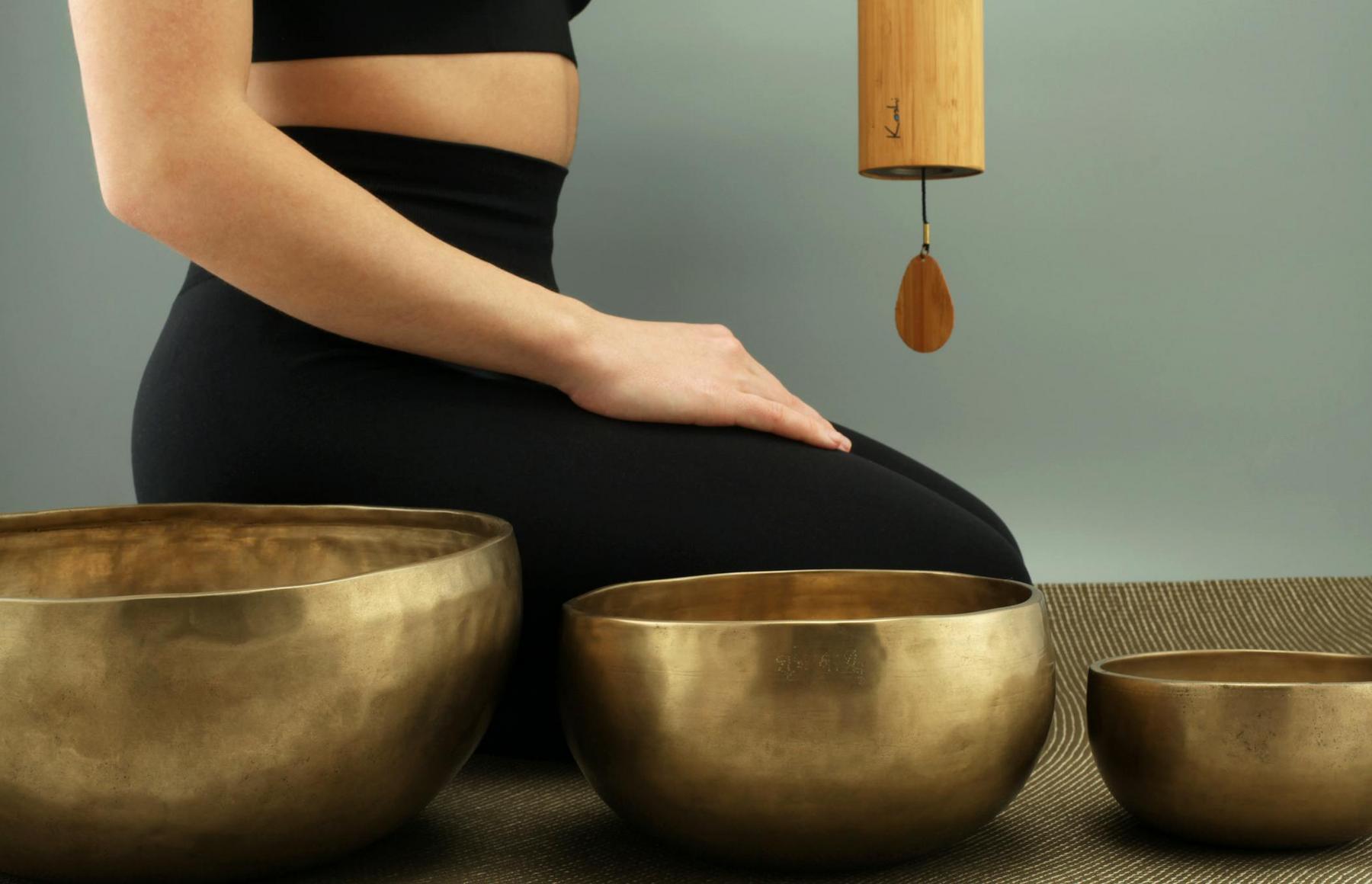
The historical trajectory of singing bowl meditation reveals a complex interweaving of Buddhist, Hindu, and indigenous Himalayan spiritual practices dating back over 2,000 years, with some metalworking traditions extending to 5,000 years. These instruments—variably termed Himalayan bowls, standing bells, or dabaka in Nepalese nomenclature—originated primarily in the mountainous regions of Nepal, Tibet, Bhutan, and Northern India. Buddhist monasteries utilised these vessels during meditation sessions, prayer ceremonies, and healing rituals, whilst shamanic traditions incorporated them into energy work and spiritual observances.
The etymology itself warrants clarification. The widely-used Western designation “Tibetan singing bowls” constitutes something of a historical misnomer. Perceval Landon’s 1903-1904 Tibetan expedition notes conspicuously lack mention of bowls being “sung” in traditional practice, suggesting this application may represent a more contemporary phenomenon. Traditional Buddhist usage primarily involved striking the bowls to mark the beginning and ending of meditation sessions—a practice paralleling the Japanese rin used in Zen Buddhism.
The composition of authentic Himalayan bowls further illuminates their sacred significance. Traditional belief held that bowls comprised seven metals corresponding to celestial bodies: gold (Sun), silver (Moon), copper (Venus), iron (Mars), tin (Jupiter), lead (Saturn), and mercury (Mercury). However, scientific analysis conducted by Concordia University in 1996 revealed the actual composition consists primarily of bell metal bronze—a high-tin copper alloy with trace amounts of lead, zinc, iron, and silver. Notably absent were gold and mercury, contradicting the seven-metal mythology.
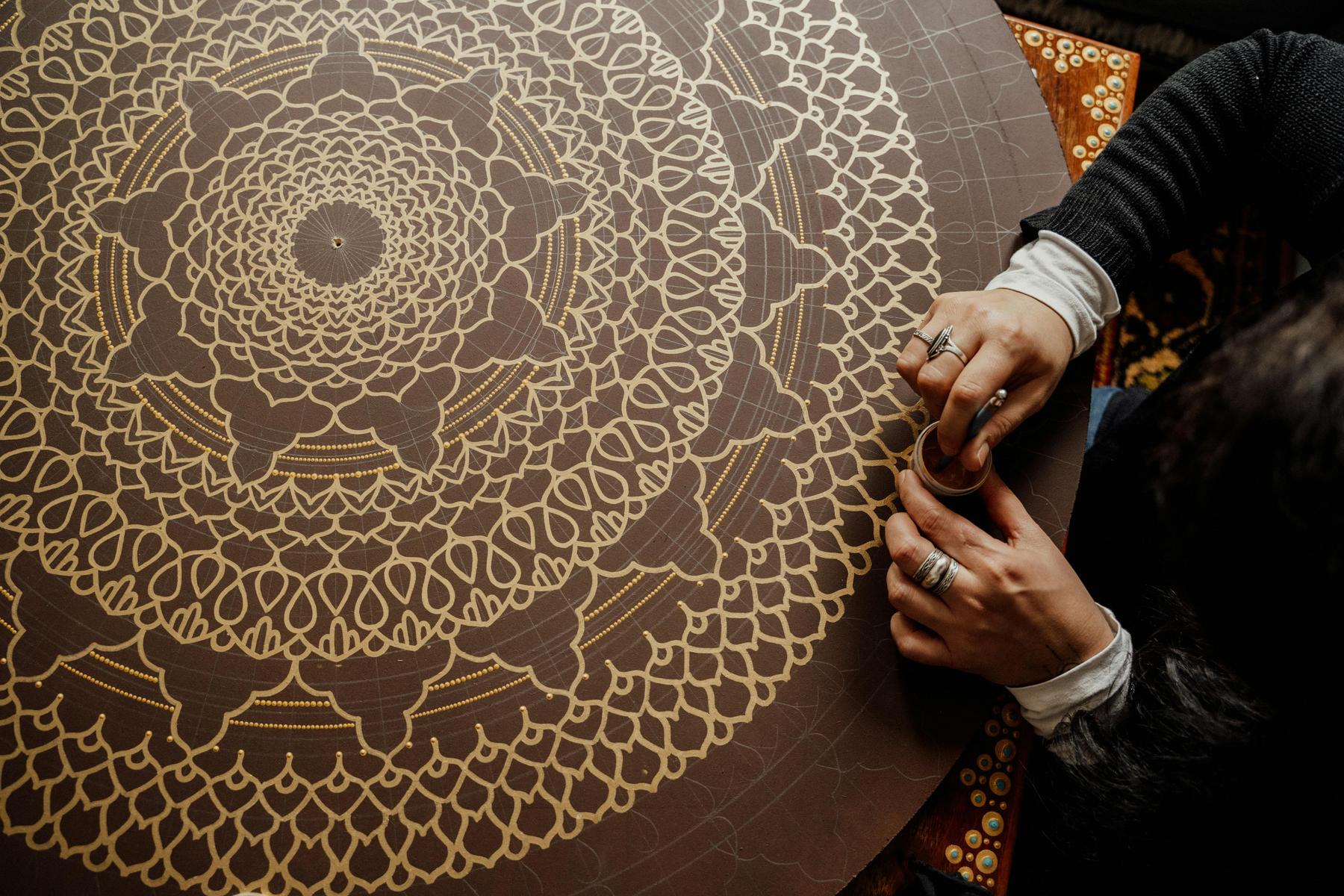
The handcrafted production process represents an art form in itself. Nepalese and Indian artisans employ annealing techniques—cyclical heating, hammering, and cooling—developed in the Near East circa 3000 BC. Master craftspeople often chanted mantras during creation, a ceremonial aspect believed to imbue each bowl with unique vibrational properties. This manual craftsmanship ensures no two bowls produce identical frequencies, with tonal ranges spanning 110 Hz to over 900 Hz depending upon size, wall thickness, and compositional variations.
How Does Singing Bowl Meditation Work on a Physiological Level?
The mechanisms underlying singing bowl meditation’s documented effects operate through multiple interconnected physiological pathways, each supported by varying degrees of empirical evidence. Understanding these mechanisms requires examining both well-established neurophysiological principles and emerging theories within integrative healthcare.
Parasympathetic Nervous System Activation constitutes the primary documented mechanism. Low-frequency vibrations generated by singing bowls stimulate the parasympathetic nervous system—colloquially termed the “rest and digest” response. This activation initiates a cascade of physiological changes: decreased cortisol production, reduced heart rate and blood pressure, deepened respiratory patterns, enhanced digestive function, and improved immune system markers. Research has consistently demonstrated these effects across multiple studies, establishing parasympathetic activation as the foundational mechanism for singing bowl meditation’s stress-reduction properties.
Brainwave Entrainment, or frequency following response, represents a well-documented neurological phenomenon wherein external sound frequencies induce synchronisation of brain electrical activity. Singing bowl meditation specifically targets theta waves (4-8 Hz) associated with deep meditative states, whilst simultaneously promoting alpha wave activity (8-13 Hz) characteristic of relaxed awareness. A 2022 neurophysiological study employing 64-channel EEG monitoring revealed overall power decreases during sound conditions (d = -0.30, p = 0.002), most pronounced in beta 2 and gamma frequency bands, indicating a measurable shift toward mindful, meditative consciousness.
Vibrational effects at the cellular level constitute a more theoretical but increasingly researched mechanism. Proponents suggest sound waves create alternating compression and relaxation of cellular structures, facilitating fluid exchange, toxin expulsion, and nutrient absorption. This “cellular massage” theory proposes that cells oscillating at frequencies approaching their inherent resonance experience enhanced metabolic function and improved blood flow extending hours beyond the session. Whilst mechanistic studies remain limited, observed physiological outcomes—particularly improved peripheral capillary oxygen saturation and tissue perfusion—lend indirect support to these cellular hypotheses.
The biofield interaction theory, whilst less established within conventional medical frameworks, warrants acknowledgement given its prevalence in traditional Himalayan practice. This model suggests sound vibrations interact with the body’s electromagnetic field, promoting energetic alignment and facilitating healing processes. Research in this domain remains preliminary, requiring more rigorous investigation before definitive conclusions can be drawn.
What Does the Clinical Evidence Reveal About Singing Bowl Benefits?
The evidence base supporting singing bowl meditation has expanded considerably since 2016, transitioning from primarily anecdotal reports to systematic clinical investigation. A comprehensive examination of this literature reveals both substantial promise and important limitations requiring acknowledgement.
The landmark 2016 observational study by Goldsby and colleagues examined 62 participants (mean age 49.7 years, 85% female) undergoing 60-minute sound meditation sessions incorporating 25-80 Tibetan bowls alongside crystal bowls and gongs. Results demonstrated statistically significant improvements across multiple domains: tension decreased (p<.001) with largest effects in the 40-59 age demographic; anger, fatigue, and depressed mood showed significant reductions (p<.001); physical pain decreased substantially, particularly amongst middle-aged participants (mean scores 2.00 to 0.79); and spiritual well-being increased significantly (p<.001). Notably, bowl-naïve participants exhibited greater tension reduction than experienced practitioners (p<.001), suggesting possible habituation effects with repeated exposure.
A comparative summary of key studies further underscores the benefits observed:
| Study Parameter | Goldsby et al. (2016) | Walter & Hinterberger (2022) | 2023 RCT |
|---|---|---|---|
| Sample Size | 62 participants | 34 participants | 50 participants |
| Mean Age | 49.7 years | 36.03 years | Not specified |
| Study Design | Observational pre-post | Neurophysiological with EEG | Randomised controlled trial |
| Primary Measures | Mood, tension, pain | Brain activity, subjective reports | Anxiety, HRV, alpha power |
| Key Finding | Significant mood improvements (p<.001) | 91.2% felt more integrated | Superior relaxation vs. progressive muscle relaxation |
The 2025 systematic review by Cai and colleagues analysed 19 clinical studies spanning eight countries between 2008-2024, including nine randomised controlled trials. Major findings documented significant anxiety reduction across multiple populations, depression symptom improvement in elderly and Parkinson’s disease patients, enhanced sleep quality particularly when integrated with yoga or meditation, and improved cognitive function in both Parkinson’s and cancer populations. Critically, no adverse events were reported across any reviewed studies, establishing an impressive safety profile. EEG analyses revealed increased delta and theta wave activity, physiological markers of deep relaxation states.
A 2023 randomised controlled trial directly comparing Tibetan singing bowls with progressive muscle relaxation amongst 50 individuals with high state anxiety demonstrated TSB’s superiority in producing psychological and physiological relaxation. The singing bowl group exhibited significant alpha power reduction, increased heart rate variability—a validated marker of parasympathetic activation—and more evident anxiety reduction compared with both progressive muscle relaxation and control conditions. Peak relaxation occurred at the 30-minute mark, informing optimal session duration recommendations.
However, the 2020 systematic review by Stanhope and Weinstein appropriately contextualises these findings, noting that whilst positive health effects appear consistent, methodological rigour across studies remains limited. Sample sizes typically fall below 100 participants, many studies lack appropriate control groups, and long-term follow-up data remains sparse. Publication bias toward positive results likely inflates perceived efficacy. These limitations necessitate measured interpretation: singing bowl meditation demonstrates considerable promise as a low-cost, low-technology intervention for anxiety, stress, and mood disturbance, yet requires more robust investigation before definitive clinical recommendations can be established.
How Is Singing Bowl Meditation Practised in Contemporary Australia?
Australia’s wellness landscape has embraced singing bowl meditation with notable enthusiasm, reflected in both market growth and practice diversification. The country ranks 10th globally for wellness market size, with the sector expanding at 10.9% annually—a trajectory suggesting continued integration of evidence-informed complementary practices into mainstream healthcare.
November 2025 marked a milestone with Frequency Lab’s opening in Newtown, Sydney—Australia’s first dedicated immersive sound medicine studio. This facility exemplifies the professionalisation of sound healing services, moving beyond informal yoga studio offerings toward purpose-designed therapeutic environments. Metropolitan centres including Brisbane, Gold Coast, Byron Bay, Melbourne, and Perth now host multiple certified practitioners, whilst online platforms extend accessibility to regional communities previously underserved by wellness infrastructure.
Typical session structure follows research-validated protocols: participants recline on yoga mats arranged in circular or oblong configurations, with 25-80 Tibetan bowls, 2-6 crystal bowls, and 2-6 gongs positioned strategically throughout the space. Sessions generally span 60 minutes—the duration most consistently studied in clinical research. Facilitators employ primarily striking techniques (approximately 95% of session time) with periodic rim-circling to generate sustained tones. Sound sequences typically progress through tingshas, Tibetan bowls of varying sizes, bells, crystal bowls, gongs, and returning to Tibetan bowls before gradual diminishment into silence.
Home practice has gained traction amongst wellness-oriented Australians seeking daily stress management tools. Small bowls (4.5-5 inches, approximately 0.25 kg) produce higher frequencies suitable for portable individual practice, whilst medium bowls (8-10 inches) offer versatile applications for both personal and small-group use. Large bowls (12-14 inches, 3-4 kg) generate deep resonant tones preferred for group sessions and professional settings. Quality authentic Himalayan bowls range from AUD $50 for entry-level instruments to AUD $500+ for master-crafted specimens, representing a one-time investment for ongoing wellness benefit.
Corporate wellness integration represents an expanding application domain. Several Australian businesses have incorporated sound meditation into employee stress management programmes, recognising the intervention’s cost-effectiveness and accessibility compared with more resource-intensive wellness initiatives. Group sessions accommodate 10-30 participants simultaneously, maximising economic efficiency whilst maintaining therapeutic efficacy.
Regulatory considerations warrant acknowledgement. Sound bath facilitators in Australia are not directly AHPRA-registered, though some practitioners hold registration as yoga therapists or within complementary medicine categories. Training standards vary considerably, ranging from weekend certification courses to comprehensive multi-year programmes. Consumers seeking practitioners should verify credentials, experience, and adherence to professional standards.
What Considerations Should Guide Your Singing Bowl Practice?
Whilst clinical research establishes singing bowl meditation’s safety profile as exceptional—with no serious adverse events reported across reviewed studies—certain populations require careful consideration before participation.
Contraindications include pregnancy, particularly during the first trimester when foetal development remains most vulnerable to environmental influences. Individuals with epilepsy should exercise caution, as rhythmic stimulation may theoretically trigger seizures in susceptible persons. Those with pacemakers, coronary shunts, artificial heart valves, or other metallic implants should consult healthcare providers before participation, as vibrations may potentially interfere with device function. Recent surgical patients should wait until complete healing occurs. Persons with severe mental health conditions including PTSD or acute anxiety disorders may experience intense emotional responses requiring professional support.
Quality assessment becomes critical given market saturation with machine-manufactured alternatives marketed as “authentic.” Genuine handcrafted Himalayan bowls exhibit rich, complex overtones with sustained resonance extending 30-60 seconds following striking. Each bowl produces unique tonal characteristics given individual craftsmanship. Authentic specimens typically display appropriate weight for acoustic properties, occasional surface irregularities reflecting hand-hammering, and may feature Sanskrit or Devanagari inscriptions. Suspiciously inexpensive bowls generally indicate machine manufacture, whilst appropriately-priced instruments from reputable suppliers suggest authenticity.
Integration with complementary practices enhances therapeutic outcomes. Singing bowl meditation pairs synergistically with yoga (particularly during savasana), breathwork, meditation, aromatherapy, and mindfulness practices. This multimodal approach aligns with contemporary integrative healthcare models emphasising personalised, comprehensive wellness strategies rather than isolated interventions.
For individuals exploring singing bowl meditation as part of a broader wellness strategy, professional guidance provides valuable support. Experienced facilitators can tailor sessions to individual needs, provide technical instruction for home practice, and monitor responses particularly during initial sessions. This guidance proves especially beneficial for those with trauma histories or complex health presentations requiring nuanced approaches.
Integrating Ancient Wisdom Within Evidence-Based Wellness Frameworks
The convergence of millennia-old Himalayan sound traditions with contemporary neuroscience represents a compelling model for integrative healthcare’s future. Singing bowl meditation demonstrates how ancient practices, when subjected to rigorous clinical investigation, can illuminate therapeutic mechanisms whilst maintaining cultural authenticity. The documented neurophysiological effects—parasympathetic activation, brainwave entrainment, measurable anxiety reduction, and improved stress biomarkers—provide biological plausibility for benefits practitioners and participants consistently report.
Australia’s wellness sector stands positioned to lead this integration, combining the nation’s established commitment to evidence-based practice with growing recognition of complementary modalities’ value. As research continues expanding—with larger randomised controlled trials, long-term follow-up studies, and mechanistic investigations currently underway—practitioners and consumers alike can approach singing bowl meditation with increasing confidence in its safety profile and therapeutic potential.
The practice invites neither blind acceptance of tradition nor dismissal based on novelty, but rather measured evaluation grounded in emerging evidence. For those seeking non-pharmacological approaches to stress management, anxiety reduction, and enhanced well-being, singing bowl meditation offers an accessible, cost-effective intervention supported by preliminary yet promising research. The ancient Himalayan artisans who hammered these vessels whilst chanting mantras perhaps intuited what contemporary neuroscience now begins to quantify: that sound, intentionally applied, possesses a profound capacity to influence human physiology and consciousness.
Looking to discuss your health options? Speak to us and see if you’re eligible today.
How often should singing bowl meditation sessions occur for optimal benefit?
Current research primarily examines single-session effects, with limited data on optimal frequency. Clinical studies typically employ 60-minute sessions, with documented benefits persisting hours post-session. Individual practitioners often recommend weekly sessions for sustained effects, whilst daily home practice with smaller bowls (5-10 minutes) may support cumulative benefits. The 2016 Goldsby study noted that bowl-naïve participants demonstrated larger effect sizes, suggesting initial sessions provide particularly pronounced impact. Future research examining dose-response relationships will better inform frequency recommendations.
Can singing bowl meditation replace conventional approaches to anxiety management?
Singing bowl meditation should be viewed as a complementary rather than replacement intervention. While the 2023 randomised controlled trial demonstrated superior anxiety reduction compared with progressive muscle relaxation, and the 2025 systematic review documented significant anxiety improvements across populations, these findings support adjunctive use within comprehensive wellness strategies. Individuals experiencing clinical anxiety disorders should consult AHPRA-registered healthcare professionals to develop appropriate, personalised plans. Singing bowl meditation may enhance but not substitute for established approaches when clinically indicated.
What distinguishes authentic Himalayan bowls from commercial alternatives?
Authentic handcrafted Himalayan bowls exhibit several identifying characteristics: sustained resonance lasting 30-60 seconds, rich harmonic overtones creating layered sound profiles, appropriate weight reflecting proper metal composition (generally 0.25-4 kg depending on size), surface irregularities evidencing hand-hammering rather than machine production, and unique tonal qualities given individual craftsmanship. Genuine specimens typically originate from Nepalese or Indian artisans and feature appropriate pricing (AUD $50-$500+). Machine-manufactured alternatives, while less expensive, produce simpler tonal profiles with shorter resonance periods and lack the complex overtone structures characteristic of traditional craftsmanship.
Are there documented risks for individuals with specific health conditions?
Clinical research across 19 studies reviewed in the 2025 systematic review reported zero serious adverse events, establishing an excellent safety profile. However, theoretical considerations warrant caution for specific populations: individuals with epilepsy (due to the possibility of rhythmic stimulation triggering seizures), those with metallic implants including pacemakers (due to potential interference from vibrations), pregnant individuals (especially during the first trimester), recent surgical patients, and persons with severe mental health conditions who may experience intense emotional responses. Consultation with healthcare providers before participation is advised for those with complex health presentations.
How does singing bowl frequency relate to the documented physiological effects?
Singing bowls produce frequencies ranging from 110 Hz to over 900 Hz, with specific ranges theoretically corresponding to physiological states. Research demonstrates that frequencies in the theta range (4-8 Hz)—achieved through binaural beats when different frequencies reach each ear—promote deep meditative states, while alpha frequencies (8-13 Hz) enhance relaxed awareness. A 2022 EEG study revealed overall power decreases, particularly in beta 2 and gamma frequency bands, during sessions, indicating brainwave entrainment. However, the complex harmonic overtones produced by singing bowls mean that isolated frequency-effect relationships are difficult to establish definitively.