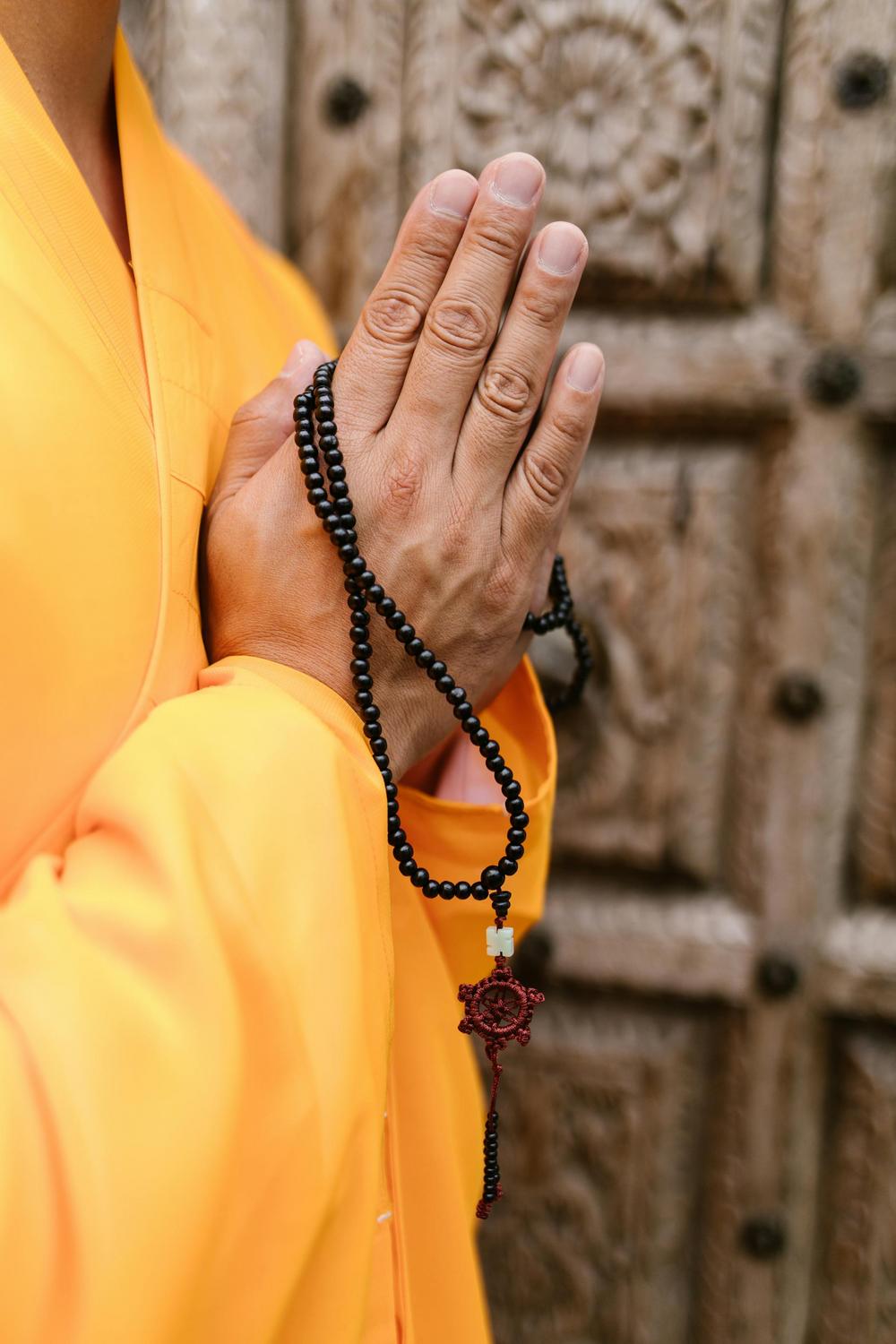
In an era characterised by unprecedented stress, digital distraction, and a pervasive sense of disconnection, millions of Australians find themselves searching for accessible tools to cultivate inner peace. The rising rates of anxiety and sleep disturbances reflect a society struggling to find equilibrium amidst constant demands. Yet, across millennia and continents, diverse faith traditions have preserved a remarkably simple yet profound practice: the use of prayer beads as meditation tools. These tactile instruments, whether known as rosaries, malas, or tasbih, represent humanity’s shared recognition that focused, repetitive practice can transform the mind and soothe the spirit.
The convergence of ancient spiritual wisdom with contemporary neuroscience has revealed something remarkable: what practitioners have known intuitively for centuries now carries empirical validation. Prayer beads offer not merely religious significance but measurable benefits for mental, emotional, and physical well-being—accessible to individuals regardless of their faith background or spiritual orientation.
What Are Prayer Beads and How Did They Become Universal Meditation Tools?
Prayer beads constitute strings of counting objects—typically beads made from seeds, stones, wood, or other materials—used across religious and spiritual traditions to track repetitions of prayers, mantras, or breathing cycles. Archaeological evidence traces ornamental beads to approximately 10,000 BC in Africa, whilst the oldest visual representation of individuals using beads for worship appears in a 17th-century BC fresco at Akrotiri, Santorini, Greece. The English word “bead” itself derives from the Old English “bede,” meaning prayer, revealing the intrinsic connection between these objects and contemplative practice.
The historical trajectory of prayer beads demonstrates a fascinating pattern of cultural transmission and adaptation. Scholars trace the practice’s origins to ancient India around 500 BC within Hindu traditions, where the japa mala emerged as a meditation tool for mantra repetition. Buddhism subsequently adopted and disseminated the practice across Asia, whilst Islam integrated prayer beads around the 8th-9th century AD. Christianity’s formal adoption occurred during the medieval period, with broader usage established by the 8th century. The discovery in 2022 of prayer beads crafted from salmon vertebrae on Lindisfarne, dated to the 8th or 9th century, provides tangible evidence of this practice’s ancient presence in Britain.
This remarkable cross-cultural adoption suggests prayer beads address fundamental human needs: the desire for structured spiritual practice, the soothing effect of repetitive motion, and the tangible connection between the physical and contemplative realms.
How Do Different Faiths Use Prayer Beads for Meditation and Spiritual Practice?
Understanding the diverse applications of prayer beads across major world religions reveals both distinctive theological frameworks and surprising commonalities in meditative technique.
The Christian Rosary and Orthodox Prayer Rope
The Roman Catholic rosary comprises 59 beads arranged in five “decades” of ten beads each, with larger beads separating the groups. Officially established by Pope Pius V in 1569, though attributed to earlier origins with Saint Dominic in the 13th century, the rosary facilitates meditation on 20 mysteries reflecting events in the lives of Jesus and Mary. Each small bead represents a Hail Mary prayer, whilst larger beads denote the Lord’s Prayer. Pope John Paul II expanded the traditional structure in 2002 by adding the Luminous Mysteries, demonstrating the rosary’s continued evolution.
Eastern Orthodox Christians employ the prayer rope, or komboskini, featuring 33, 50, or 100 knots on a knotted cord. Desert Fathers from the 3rd-5th centuries originally used pebbles or knotted ropes to count repetitions of the Jesus Prayer: “Lord Jesus Christ, Son of God, have mercy on me, a sinner.” This continuous, breath-synchronised recitation exemplifies the meditative quality inherent in Orthodox spirituality.
Islamic Tasbih: Remembrance Through Repetition
The Islamic tasbih, also known as misbaha, typically contains 99 beads corresponding to the 99 Names of Allah, though many practitioners use a 33-bead version recited three times. This tool facilitates dhikr, the remembrance of God, through phrases such as “Subhanallah” (Glory be to God), “Alhamdulillah” (Praise be to God), and “Allahu Akbar” (God is Great). Historical accounts suggest that Fatimah, the Prophet Muhammad’s daughter, created a misbaha from soil at her uncle Hamza’s grave following the Battle of Uhud, establishing a personal connection between grief, remembrance, and devotional practice.
Hindu Japa Mala: The Sacred Number 108
The Hindu japa mala consists of 108 beads plus one larger guru bead, never crossed during counting. The number 108 carries profound mathematical and spiritual significance: it represents 108 sacred Upanishads, 108 Hindu deities, 108 sacred sites across India, and the 54 letters of the Sanskrit alphabet multiplied by their dual nature (Shakti and Shiva qualities). Materials possess specific spiritual significance—rudraksha seeds carry spiritual importance in Hindu traditions, whilst Vaishnavites traditionally prefer tulsi wood for its spiritual associations. Practitioners hold malas between the thumb and middle or ring finger, deliberately avoiding the index finger, which is considered inauspicious.
Buddhist Mala: Overcoming Earthly Desires
Buddhist malas most commonly feature 108 beads, symbolising the 108 earthly desires or defilements practitioners seek to overcome. Tibetan Buddhist traditions sometimes use 111-bead malas, with the additional beads compensating for counting errors during long meditation sessions. Materials range from bodhi seeds—intimately associated with the Buddha’s enlightenment—to sandalwood, rudraksha, and semi-precious stones. Shorter wrist malas of 21-27 beads allow for constant wear and discreet practice throughout daily activities.
| Religion | Type | Standard Number | Primary Significance |
|---|---|---|---|
| Christianity (Catholic) | Rosary | 59 | Five decades for meditation on sacred mysteries |
| Islam | Tasbih/Misbaha | 99 or 33 | 99 Names of Allah; remembrance of God |
| Hinduism | Japa Mala | 108 | Sacred mathematical completeness |
| Buddhism | Mala | 108 | 108 defilements to overcome |
| Sikhism | Mala | 108 | Spiritual completeness through Guru’s teachings |
| Bahá’í | Prayer Beads | 95 or 19 | Daily recitation requirement |
| Eastern Orthodox | Komboskini | 33, 50, or 100 | Flexibility in Jesus Prayer practice |
| Anglican | Prayer Beads | 33 | Years of Christ’s earthly life |
What Health Benefits Do Prayer Beads Offer According to Scientific Research?
Contemporary neuroscience and medical research have illuminated the mechanisms through which prayer beads confer measurable health benefits, validating centuries of anecdotal evidence from practitioners worldwide.
Cardiovascular and Autonomic Nervous System Effects
A landmark study by Bernardi and colleagues, published in the British Medical Journal in 2001, demonstrated that both rosary prayer and yoga mantra recitation synchronise heart rate and breathing at an optimal pace of approximately six breaths per minute. This synchronisation improves autonomic balance and cardiovascular rhythms, suggesting that prayer beads meditation activates the parasympathetic nervous system—the body’s natural relaxation response. A 2020 review examining 14 studies with over 1,100 participants found that mindfulness-based stress reduction, often facilitated by tools like prayer beads, produced significant blood pressure reductions in individuals with hypertension, diabetes, or cancer.
Mental Health and Emotional Regulation
Research from the National Center for Complementary and Integrative Health (NCCIH) in 2018 analysed 142 groups experiencing anxiety or depression, finding that mindfulness-based approaches— which may incorporate prayer beads—performed comparably to evidence-based therapies such as cognitive behavioural therapy. Neuroscientist Andrew Newberg’s research revealed that “activities involving meditation and intensive prayer permanently strengthen neural functioning in specific parts of the brain that are involved with lowering anxiety and depression.” Studies consistently show that 61% of spiritually engaged individuals exhibit significantly lower depressive symptoms, with longitudinal research suggesting higher spirituality predicts faster remission from depression in at-risk populations.
Neurological Changes and Cognitive Function
Brain imaging studies demonstrate that prayer bead meditation enhances prefrontal cortex activity whilst reducing amygdala reactivity to emotional stimuli. Regular practitioners exhibit measurable structural brain changes, including enhanced decision-making capacity and emotional control. Research conducted over 12-week periods documented improvements in concentration, memory, and attention span amongst meditation practitioners. The repetitive finger movements involved in bead counting appear to improve both central and peripheral nervous systems, potentially offsetting age-related loss of hand control.
Sleep Quality and Trauma Recovery
A 2019 analysis of 18 studies involving 1,654 participants found that mindfulness meditation—often practised with prayer beads—improved sleep quality more effectively than education-based treatments, with effects comparable to cognitive behavioural therapy and exercise. For individuals with post-traumatic stress disorder (PTSD), a 2018 NCCIH review found that six of eight studies reported symptom reduction with mindfulness-based treatment. A Department of Defence study involving 203 veterans demonstrated that meditation proved as effective as prolonged exposure therapy for reducing PTSD symptoms, with additional benefits for mood and quality of life.
The scientific consensus suggests that regular prayer bead meditation of at least 12 minutes daily produces noticeable results, with optimal benefits emerging from 20-30 minute sessions practised consistently.
How Can You Integrate Prayer Beads Into Your Personal Wellness Practice?
Prayer beads offer extraordinary versatility as meditation tools, adaptable to both traditional religious frameworks and secular mindfulness practices. Their portability and simplicity make them accessible wellness instruments for contemporary Australian life.
Establishing a Foundational Practice
Begin by selecting prayer beads that resonate with your intention—whether through material symbolism, aesthetic appeal, or traditional significance. Create a designated quiet space where interruptions are minimal. Set a clear intention for your practice, which might involve stress reduction, spiritual connection, emotional healing, or simply cultivating present-moment awareness.
Hold the beads in your dominant hand, using your thumb and middle finger to advance one bead per breath cycle, mantra repetition, or prayer. Hindu tradition advises avoiding the index finger, though this convention is not universal across faiths. Maintain a steady, relaxed rhythm, allowing the tactile sensation of each bead to anchor your attention in the present moment. When reaching the guru bead or marker, either reverse direction or conclude your session with quiet reflection.
Practical Applications for Modern Life
Breath-Counting Meditation: Move one bead per complete breath cycle (inhalation and exhalation). This simple technique requires no mantra or prayer, making it ideal for those seeking secular mindfulness practice. The 108 beads of traditional malas provide approximately 10-15 minutes of focused breathing, depending on your natural rhythm.
Mantra or Affirmation Practice: Select a phrase aligned with your wellness goals—whether a traditional mantra like “Om Mani Padme Hum,” a spiritual prayer, or a personal affirmation such as “I am calm and centred.” Synchronise the recitation with your breath, moving one bead per repetition.
Anxiety Management Tool: Keep a smaller wrist mala (21-27 beads) accessible during high-stress situations. The repetitive motion provides immediate grounding, whilst the counting function interrupts anxious rumination patterns. Mental health professionals increasingly recommend this technique for managing panic attacks and acute anxiety episodes.
Sleep Preparation Ritual: Incorporate prayer beads into your evening routine. The predictable structure and soothing repetition signal to your nervous system that it is time to transition toward rest. Research indicates this practice reduces cortisol levels and activates the parasympathetic nervous system, promoting better sleep quality.
Respecting Cultural and Spiritual Origins
Whilst prayer beads have become popularised as secular wellness tools, maintaining awareness of their sacred origins demonstrates cultural sensitivity and respect. If adopting beads from a specific tradition, consider learning about their proper handling, symbolic meanings, and appropriate contexts for use. Many traditions recommend storing beads in a sacred space, pouch, or designated location, and avoiding allowing them to touch the floor.
Why Are Prayer Beads Gaining Recognition in Contemporary Wellness and Healthcare?
The resurgence of interest in prayer beads reflects broader cultural shifts toward holistic health approaches, evidence-based complementary therapies, and the integration of ancient wisdom with modern science.
The Mindfulness Movement and Scientific Validation
Between 2002 and 2022, adult meditation use in the United States doubled from 7.5% to 17.3%, according to the National Health Interview Survey, making it the most popular complementary health approach. Australian trends mirror this trajectory, with increasing numbers seeking accessible, non-pharmaceutical approaches to stress, anxiety, and chronic conditions. Prayer beads appeal to this demographic because they provide structure and tangible focus for meditation practice—addressing a common challenge for beginners who struggle with unguided sitting meditation.
The scientific validation of meditation’s health benefits has legitimised practices once dismissed as purely religious or mystical. AHPRA-registered healthcare professionals now commonly recommend mindfulness tools, including prayer beads, as adjuncts to standard care. Research demonstrating measurable effects on brain structure, immune function, cardiovascular health, and mental well-being provides the empirical foundation necessary for integration into evidence-based healthcare.
Accessibility and Cultural Inclusivity
Prayer beads require no special equipment, expensive technology, or extensive training. This accessibility contrasts sharply with many contemporary wellness interventions. A simple strand of beads costing between $10 and $100 can provide decades of use, making it an economically sustainable wellness investment. The practice transcends language barriers, physical limitations, and educational background—anyone capable of holding beads can engage in this form of meditation.
Australia’s multicultural society, home to diverse Hindu, Buddhist, Christian, Islamic, Sikh, and Bahá’í communities, possesses rich traditions of prayer bead use. Recognition and appreciation of these practices foster interfaith dialogue, cultural understanding, and social cohesion. Simultaneously, the secular adaptation of prayer beads welcomes individuals without religious affiliation, creating an inclusive wellness tool that respects diverse worldviews.
Integration With Holistic Healthcare Philosophy
The growing emphasis on holistic healthcare—addressing mental, emotional, physical, and spiritual dimensions of wellness—aligns perfectly with prayer beads’ multifaceted benefits. Rather than isolating symptoms for conventional medical intervention, holistic approaches recognise the interconnection of bodily systems and the influence of mental states on physical health. Prayer beads exemplify this integration, simultaneously engaging the tactile senses, calming the nervous system, focusing the mind, and potentially connecting practitioners with something greater than themselves.
Healthcare consultancies specialising in holistic, personalised approaches increasingly recognise meditation tools like prayer beads as valuable complements to comprehensive wellness strategies, supporting individuals in cultivating the discipline and mindfulness essential for optimal health outcomes.
Understanding the Universal Thread: What Prayer Beads Reveal About Human Spirituality
The remarkable convergence of prayer bead practices across diverse religious traditions—emerging independently yet sharing fundamental characteristics—illuminates universal aspects of human spirituality and psychology. The circular configuration universally represents eternal flow and wholeness. The tactile engagement grounds abstract spiritual concepts in physical reality. The repetitive rhythm induces meditative states whilst the counting function satisfies our cognitive desire for structure and progress.
These shared elements transcend theological differences, revealing common spiritual needs: the yearning for connection with the divine or transcendent, the necessity of regular contemplative practice, the value of physical ritual in supporting mental discipline, and the healing power of focused attention. In an increasingly fragmented world, prayer beads offer a tangible reminder of humanity’s shared quest for peace, meaning, and transformation.
Contemporary research continues to unveil the sophisticated neurological and physiological mechanisms underlying practices that ancient wisdom traditions intuited centuries ago. The documented improvements in sleep quality comparable to conventional medical treatment, and the structural brain changes observable through neuroimaging—all validate what practitioners have long known: these simple tools facilitate profound change.
For Australians navigating the complexities of modern life whilst seeking sustainable wellness practices, prayer beads represent an accessible bridge between ancient wisdom and contemporary science. Whether approached through traditional religious frameworks or secular mindfulness applications, these meditation tools offer empirically supported benefits for stress reduction, emotional regulation, cardiovascular health, and overall quality of life. Their portability, affordability, and adaptability make them ideally suited for integration into diverse lifestyles and wellness philosophies.
The enduring presence of prayer beads across millennia and cultures testifies not to superstition or outdated practice, but to humanity’s perennial recognition of a fundamental truth: that focused, repetitive, mindful engagement with simple tools can cultivate the inner peace and resilience essential for navigating life’s challenges with grace and equanimity.
Looking to discuss your health options? Speak to us and see if you’re eligible today.
Can I use prayer beads if I’m not religious?
Absolutely. Whilst prayer beads originated within religious contexts, they function effectively as secular meditation tools. Many practitioners use beads for breath counting, mindfulness meditation, or personal affirmation practice without any spiritual or religious framework. The physiological and psychological benefits—stress reduction, improved focus, emotional regulation—occur regardless of religious belief. Select beads based on material preference and aesthetic appeal rather than religious symbolism if approaching from a secular perspective.
How long should I meditate with prayer beads to experience benefits?
Research suggests a minimum of 12 minutes daily produces noticeable results, with optimal benefits emerging from 20-30 minute sessions. Consistency matters more than duration—regular practice of even 10 minutes daily yields greater long-term benefits than occasional hour-long sessions. Begin with a comfortable duration and gradually extend your practice as it becomes habitual. Many traditions recommend completing a full cycle of beads (108 repetitions), which typically requires 15-25 minutes depending on pace.
What materials are best for prayer beads?
Material selection depends on your intention and tradition. Rudraksha seeds carry spiritual significance in Hindu and Buddhist practices and possess a pleasant texture. Sandalwood is traditionally valued for its natural properties. Semi-precious stones such as amethyst, rose quartz, and onyx are popular traditional choices. Wood beads (tulsi, olive, cedar) combine durability with natural beauty. Choose materials that feel comfortable to touch and align with your aesthetic preferences and any traditional associations meaningful to you.
Are there any scientific studies proving prayer beads help with anxiety?
Yes, substantial research supports prayer beads’ effectiveness for anxiety reduction. Studies such as the 2001 Bernardi study in the British Medical Journal demonstrated that rosary prayer synchronises cardiovascular rhythms and activates the parasympathetic nervous system. Subsequent research, including a 2018 review by NCCIH, found mindfulness-based approaches that incorporate prayer beads to perform comparably to cognitive behavioural therapy for anxiety. The repetitive motion and focused attention help reduce cortisol levels and interrupt anxious thought patterns.
Can children use prayer beads for meditation?
Children can benefit significantly from prayer beads as meditation tools, particularly for emotional regulation and focus development. Shorter wrist malas (21-27 beads) are often better suited to a child’s attention span than full 108-bead strands. Simple breath-counting or calming affirmation practices work well, and supervision is recommended to prevent any choking hazards from small beads.