In an era where digital distractions fragment our attention and stress pervades daily life, many Australians search for tangible, meaningful practices to cultivate mental resilience. Yet the most powerful wellness interventions often prove remarkably simple. The gratitude jar—a physical container filled with handwritten notes of appreciation—represents precisely this intersection of simplicity and efficacy. This ancient practice, now validated by contemporary neuroscience and positive psychology, offers a visual, tactile approach to reshaping how our brains process experience and emotion.
What Is the Gratitude Jar Practice and How Does It Work?
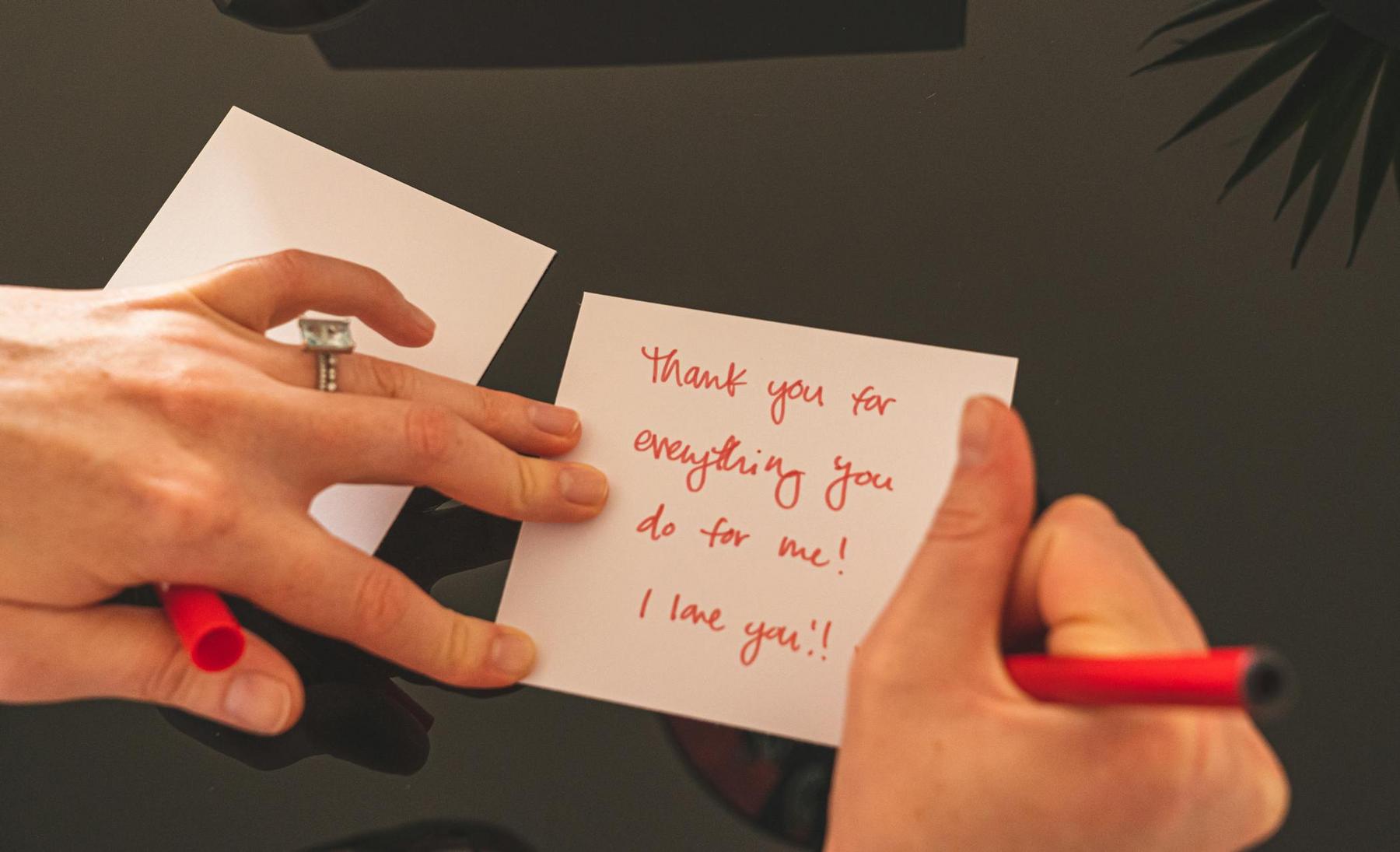
The gratitude jar functions as a physical manifestation of psychological transformation. At its core, the practice involves regularly writing notes of appreciation on paper, then placing them into a designated container. This deceptively simple act engages multiple cognitive processes simultaneously: reflective thinking, emotional awareness, fine motor activity, and visual memory formation.
The Latin root ‘gratia’—meaning grace, gracefulness, or gratefulness—captures the essence of this practice. When individuals commit pen to paper, they activate distinct neural pathways compared to digital journaling. The tactile experience of writing reinforces memory formation whilst slowing cognitive processing, allowing deeper emotional engagement with gratitude experiences.
Neurochemically, practising gratitude releases dopamine and serotonin—two neurotransmitters responsible for happiness and mood regulation. These biochemical changes aren’t temporary fluctuations; repeated gratitude practices strengthen neural pathways in the medial prefrontal cortex through neuroplasticity. The brain literally restructures itself, making positive thinking patterns more accessible and automatic over time.
The visual element distinguishes gratitude jars from standard journaling. A jar filling gradually with notes provides immediate feedback on accumulated appreciation. During difficult periods, this visible collection serves as tangible proof that positive experiences exist alongside challenges, counteracting the psychological tendency to magnify negative events whilst minimising positive ones.
What Does Scientific Research Reveal About Gratitude Interventions?
A comprehensive systematic review and meta-analysis published in 2023 examined 64 randomised clinical trials involving participants ranging from 23 to 1,337 individuals. This extensive analysis included children, teenagers, adults, and older adults across diverse populations, providing robust evidence for gratitude intervention efficacy.
Mental health outcomes demonstrated statistically significant improvements:
Participants undergoing gratitude interventions showed 5.8% higher mental health scores on the Mental Health Continuum-Short Form compared to control groups. Anxiety symptoms reduced by 7.76% on the Generalized Anxiety Disorder scale across 579 patients, whilst depression symptoms decreased by 6.89% on the Patient Health Questionnaire-9 scale in 525 patients. Life satisfaction increased by 6.86% on the Satisfaction With Life Scale, with gratitude levels themselves increasing by 3.67-5.7% using validated measurement scales.
These percentages, whilst appearing modest, represent clinically meaningful changes when sustained over time. The effect sizes—small to medium across studies—mirror those observed in many established therapeutic interventions, positioning gratitude practices as valuable complementary approaches within comprehensive wellness frameworks.
Physical health benefits extended beyond psychological measures:
Research documented lowered blood pressure and regulated heart rate variability, reduced inflammatory biomarkers, and improved sleep quality and duration. Studies with heart failure patients revealed measurable improvements in parasympathetic nervous system response—the body’s rest-and-digest mechanism that counteracts chronic stress activation.
The practice also shifted attention from the brain’s inherent negativity bias toward positive aspects of experience. This cognitive reframing represents a competing response to rumination, worry, and negative thought patterns that characterise anxiety and depressive states. Rather than suppressing difficult emotions, gratitude practice creates space for balanced emotional processing.
How Should You Implement a Gratitude Jar for Optimal Results?
Implementation simplicity masks the importance of strategic design choices that significantly influence outcome effectiveness. Research reveals that frequency, entry quantity, and reflection depth all impact long-term benefits.
Frequency considerations prove counterintuitive:
Weekly gratitude journaling appears more effective than daily practice for maintaining psychological benefits. This finding challenges assumptions that more frequent practice yields better results. Weekly entries prevent hedonic adaptation—the psychological phenomenon where repeated experiences lose impact over time. Once-weekly practice showed significant happiness increases, whilst three-times-weekly practice demonstrated diminishing returns compared to weekly intervals.
Daily journaling can produce plateau effects within one to two weeks for some individuals, as the practice becomes routine rather than reflective. However, individual variation exists; some people thrive with daily practice whilst others benefit from less frequent, more intentional engagement. The key lies in maintaining novelty and genuine reflection rather than mechanical repetition.
Entry quantity follows a sweet spot principle:
Optimal entries contain three to ten items. Beyond ten items, the practice becomes tedious, reducing compliance and genuine engagement. Fewer than three items may prove insufficient to capture gratitude depth. Quality of reflection matters more than quantity—entries answering “Why am I grateful for this?” show enhanced benefits compared to simple listings.
Practical implementation steps include:
- Select a transparent container that allows visual progress monitoring
- Position the jar prominently (kitchen, bedroom, or office) for daily visibility
- Keep paper slips and a dedicated pen nearby to reduce friction
- Set a specific recurring time (Sunday evenings prove popular)
- Write 5-15 minutes per session without rushing
- Personalise the jar’s appearance to increase emotional connection
- Review entries quarterly or annually, adding new appreciations upon reading
The tangible nature provides concrete evidence during challenging periods. Opening accumulated notes after several months creates powerful emotional experiences, reinforcing the brain’s capacity for positive pattern recognition.
What Benefits Extend Beyond Mental Health Improvements?
Gratitude practices generate cascading effects across multiple life domains, demonstrating the interconnected nature of physical, emotional, social, and cognitive wellbeing.
Social and relational benefits include:
Strengthened personal and professional relationships, increased empathy toward others, and reduced aggression and negative feelings. Remarkably, gratitude practice changes language patterns from ‘I’ to ‘we’, strengthening social bonds through linguistic shifts that reflect psychological transformation. Prosocial behaviours and kindness increase, building stronger community connections that further reinforce wellbeing.
Cognitive and performance benefits manifest as:
Improved memory and concentration, better focus with reduced distractibility, and greater progress toward personal goals. Enhanced self-esteem and confidence emerge alongside increased autonomy in decision-making as personal values become clearer through regular reflection.
The practice proves effective across diverse populations. Research with 221 early adolescents in grades six and seven showed gratitude practices enhanced self-reported gratitude, optimism, life satisfaction, and decreased negative affect. Benefits extended to school satisfaction and long-term educational engagement. Primary school studies revealed that children writing daily gratitude increased school belonging by measurable margins, with clearer benefits observed for boys.
Comparison of Gratitude Practice Formats
| Practice Format | Implementation Effort | Visibility Factor | Social Engagement | Neurological Activation | Accessibility |
|---|---|---|---|---|---|
| Gratitude Jar | Low | High (physical reminder) | Moderate (shareable) | Visual + tactile + reflective | Very high (minimal cost) |
| Digital Journaling | Low | Low (hidden in apps) | Low (private) | Reflective only | Moderate (requires device) |
| Gratitude Letters | High | Low (one-time) | High (interpersonal) | Reflective + emotional | Moderate (requires courage) |
| Meditation Practice | Moderate | None (internal) | Low (individual) | Reflective + mindfulness | High (free but skill-dependent) |
| Group Sharing | Moderate | High (verbal) | Very high (collective) | Reflective + social | Moderate (requires others) |
How Does the Gratitude Jar Integrate with Holistic Wellness Approaches?
Within comprehensive wellness frameworks addressing physical, mental, emotional, social, and spiritual dimensions, gratitude practices function as accessible entry points for individuals new to intentional wellbeing cultivation. The practice complements other evidence-based approaches including regular physical activity, nutritional awareness, sleep hygiene, meditation, and yoga.
Australian government health resources, including Healthdirect, recognise mindfulness and gratitude practices as evidence-based approaches to mental health and wellbeing. Medicare Mental Health offers programmes aligned with cognitive behaviour therapy principles that incorporate gratitude elements. Organisations including Beyond Blue and Lifeline recommend gratitude practices as adjunctive wellness tools within broader support frameworks.
The gratitude jar specifically fits preventative health approaches emphasising sustainable lifestyle changes over reactive interventions. As a non-pharmaceutical, natural approach to mental health support, it aligns with growing preferences for integrative wellness strategies that empower individuals through active participation rather than passive treatment reception.
This accessibility proves particularly valuable in rural and regional Australia, where mental health service access remains challenging. The practice requires no specialist guidance, financial investment, or infrastructure—only consistent commitment and genuine engagement.
Why Does Duration and Consistency Matter for Lasting Change?
Benefits emerge remarkably quickly, with positive effects observed after just one week of practice. However, the depth and sustainability of changes depend upon continued engagement over months and years. Effects maintain at one-month, three-month, and six-month follow-ups when practice continues consistently.
Initial four-to-six-week periods show strongest effect sizes, representing the critical window where neural pathway strengthening begins. Some research demonstrates lasting impact even after intervention cessation, suggesting that intensive initial practice can create enduring cognitive and emotional shifts. However, long-term effects require ongoing practice as gratitude becomes habitual rather than intentional.
The practice functions best when participants remain genuinely invested rather than approaching it as obligatory routine. Voluntary participation proves more effective than mandatory engagement, highlighting the importance of intrinsic motivation over external pressure. Individuals should begin during periods of relative stability rather than acute crisis, allowing the practice to build resilience before facing significant challenges.
Varying the practice maintains novelty and impact. Alternating between daily entries during intensive periods and weekly maintenance phases, experimenting with different reflection questions, or incorporating family members periodically all prevent hedonic adaptation whilst sustaining engagement.
Cultivating Lasting Appreciation Through Tangible Practice
The gratitude jar transcends simple positive thinking exercises to represent a neurologically validated intervention for reshaping emotional experience and building psychological resilience. Its power lies not in complexity but in the convergence of visual, tactile, and reflective elements that engage multiple brain systems simultaneously. Each note deposited becomes more than paper and ink—it becomes evidence of the brain’s remarkable capacity for change through deliberate practice.
In Australian communities facing increasing mental health challenges, stress-related conditions, and social disconnection, accessible wellness practices like the gratitude jar offer practical pathways toward improved wellbeing. The practice requires neither special expertise nor significant resources, only consistent commitment to recognising and recording life’s meaningful moments.
The evidence demonstrates that small, repeated acts of appreciation accumulate into measurable psychological, physical, and social benefits. A transparent jar filling gradually with folded notes serves as a daily reminder that positive experiences exist alongside challenges, that growth occurs through intentional awareness, and that resilience builds through practice rather than chance.
For individuals seeking to integrate evidence-based wellness practices into daily life, the gratitude jar represents an ideal starting point—accessible, adaptable, and supported by robust scientific validation. The practice invites us to slow down, reflect genuinely, and acknowledge the grace present in ordinary moments, transforming both brain structure and lived experience through the deceptively simple act of saying thank you.
Looking to discuss your health options? Speak to us and see if you’re eligible today.
How long should I maintain a gratitude jar practice before expecting noticeable benefits?
Research demonstrates that measurable improvements in mood and mental health scores emerge within one week of consistent practice. However, the most significant changes typically manifest after four to six weeks of regular engagement, with continued practice over months and years leading to sustained improvements in life satisfaction, reduced anxiety, and enhanced emotional regulation.
Can the gratitude jar practice work for children and what adaptations might be necessary?
Yes, studies have shown that gratitude practices benefit children by enhancing optimism, life satisfaction, school belonging, and prosocial behaviour. Adaptations may include using drawings instead of written entries, decorating the jar to spark interest, and implementing family-based sharing of entries to make the practice more engaging for younger users.
What differentiates the gratitude jar from standard journaling or digital gratitude apps?
The gratitude jar’s unique physical, visual, and tactile nature sets it apart. Unlike digital apps or private journals, the jar accumulates handwritten notes that provide a visible archive of positive experiences. This physical representation reinforces memory formation and emotional engagement through multisensory stimulation, making the practice more impactful.
How frequently should entries be added to maintain effectiveness without causing adaptation?
Research suggests that weekly entries are often more effective than daily ones, as they prevent hedonic adaptation where the impact of gratitude diminishes over time. While some individuals may benefit from daily intensive practice initially, transitioning to a weekly schedule helps maintain novelty and reflective depth.
Can gratitude practices replace professional mental health support for anxiety or depression?
Gratitude practices, including the gratitude jar, have been shown to reduce symptoms of anxiety and depression, but they are best used as complementary tools alongside professional treatment. For severe mental health challenges, it is important to seek guidance from qualified healthcare professionals rather than relying solely on gratitude practices.