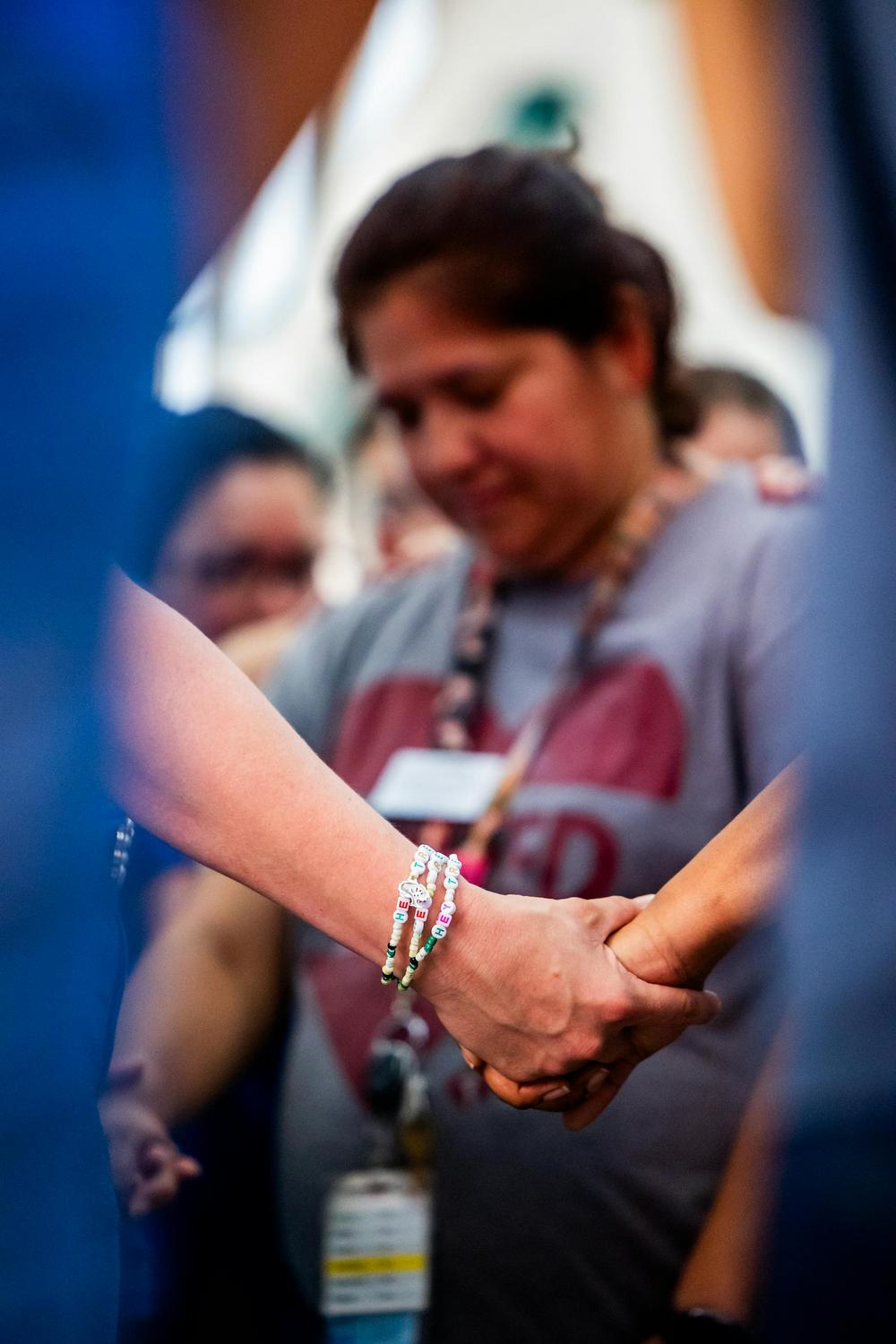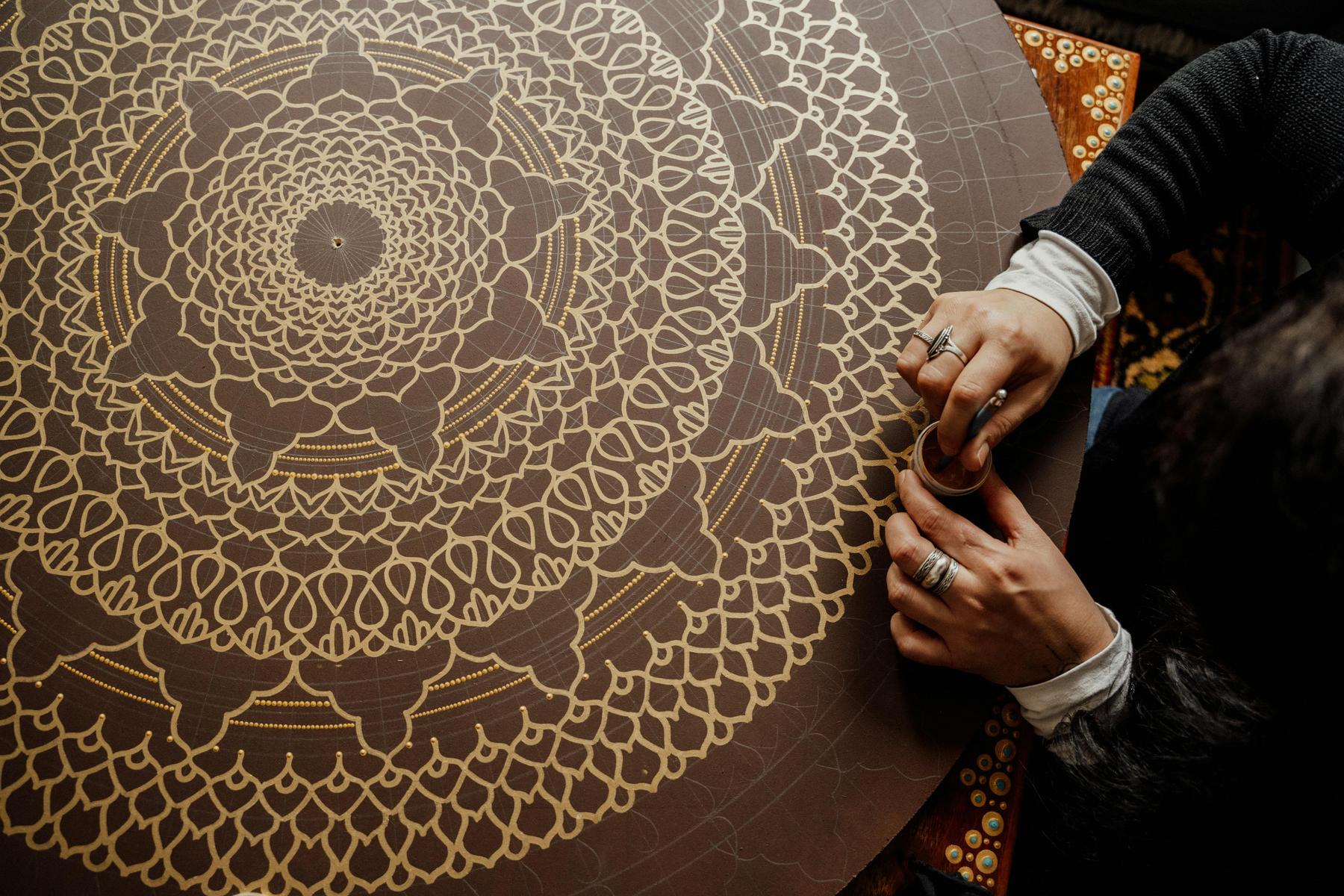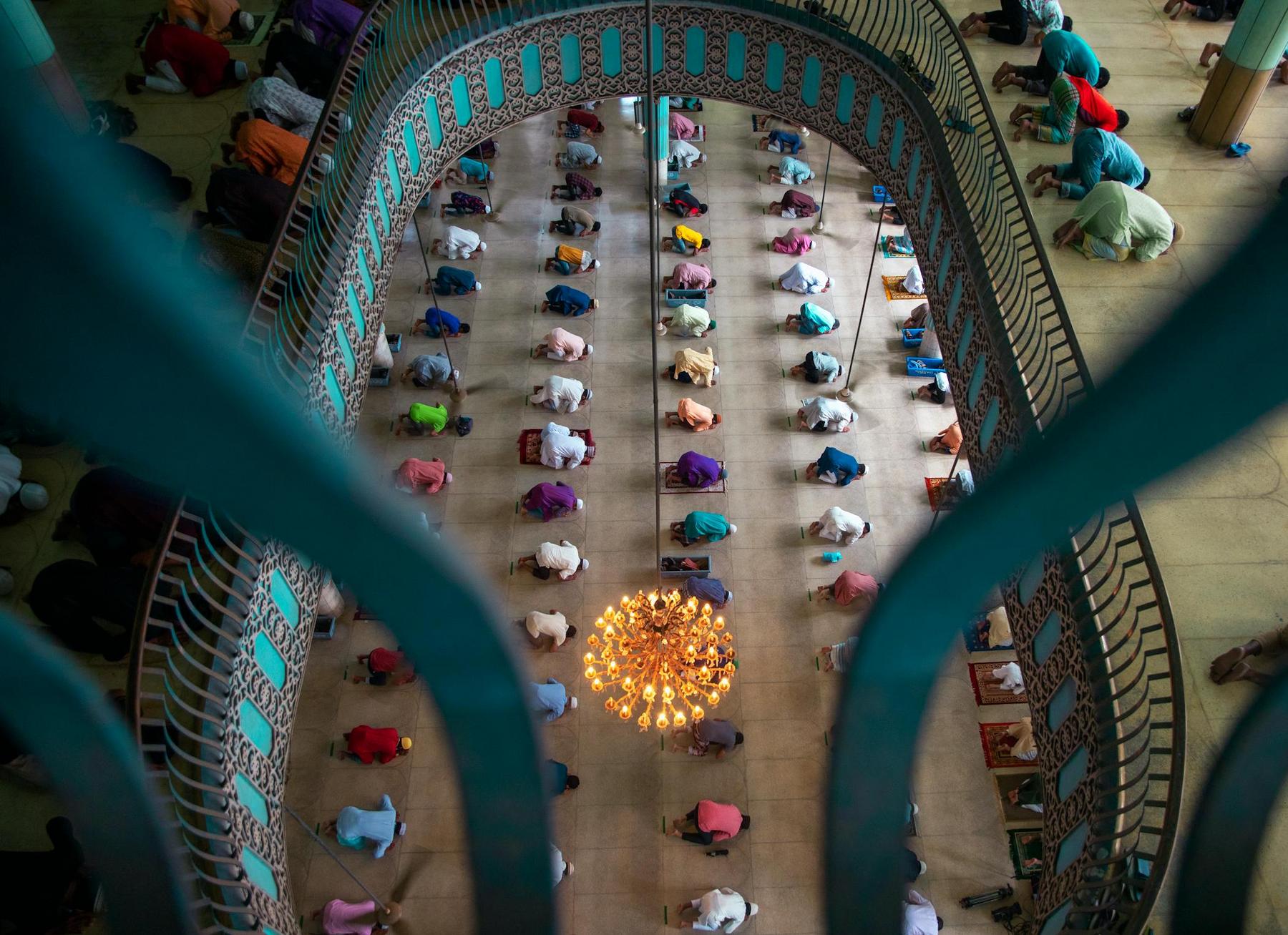
In an increasingly interconnected world, the expression of gratitude transcends linguistic barriers yet manifests in profoundly diverse ways. Whilst a simple “thank you” suffices in some societies, other cultures weave gratitude into elaborate ceremonies, silent gestures, or even find explicit verbal acknowledgement inappropriate. Understanding these nuances reveals not merely differences in etiquette, but fundamental variations in how humans conceptualise relationships, obligation, and interconnectedness. With 85% of the world’s population living in collectivist cultures, yet most gratitude research emerging from Western individualistic societies, a significant knowledge gap persists—one that demands attention from healthcare professionals, researchers, and wellness practitioners seeking to deliver culturally responsive care.
What Defines Gratitude Across Cultural Boundaries?
Gratitude represents far more than polite acknowledgement; it functions as “the appreciation of what is valuable and meaningful to oneself; a general state of thankfulness and/or appreciation.” This definition, whilst seemingly straightforward, encompasses both state gratitude (momentary emotion) and trait gratitude (dispositional characteristic). Emmons and McCullough’s influential framework identifies gratitude as a two-fold process: recognising a positive personal outcome and identifying an external source for that outcome.
Virtually all known human societies have developed formal mechanisms for expressing appreciation, though their manifestations vary dramatically. Ancient Egyptian, Greek, and Roman civilisations established elaborate rituals dedicating expressions of thanks to deities. Stoic philosophers including Seneca and Epictetus advocated for gratitude as a pathway to eudaimonia—human flourishing that remains relevant in contemporary wellness frameworks.
Professor Jonathan Tudge of the University of North Carolina at Greensboro, recognised as the foremost expert on cultural differences in gratitude, identifies three primary expression types. Verbal gratitude involves direct acknowledgement through spoken thanks. Concrete gratitude reciprocates with tangible items the recipient enjoys—sweets, gifts, or material offerings. Connective gratitude, considered the most authentic form, reciprocates with something meaningful to the giver: friendship, ongoing support, or help. Research across seven countries demonstrates that older children express more connective gratitude in the United States, China, and Brazil, whilst concrete gratitude patterns vary significantly by culture.
How Do Eastern and Western Cultures Approach Gratitude Differently?
The individualism-collectivism framework provides essential context for understanding gratitude variations, though recent research suggests this binary oversimplifies complex cultural realities. Individualistic cultures—predominant in the United States and much of Western Europe—value personal achievement and independence. Americans are known as “inveterate thankers,” expressing gratitude frequently in everyday situations. Italians similarly express gratitude at higher rates than other European populations, with naturalistic interaction studies showing 14.5% expression frequency.
Collectivist cultures, including China, South Korea, Japan, and India, emphasise harmony and honouring others whilst placing greater emphasis on group needs and social cohesion. Gratitude expression often intertwines with relationship quality, respect, and mixed emotions including indebtedness and guilt. The Japanese term arigatou gozaimasu extends far beyond simple politeness, recognising others’ efforts and contributions within a broader social fabric. The Naikan philosophy structures introspection around three questions: What have I received from others? What have I given in return? What challenges have I caused others?
Chinese culture embodies this complexity through the expression xiè tiān (thank sky), used when too many individuals deserve acknowledgement to thank each personally. The ancient proverb “A drop of water in need, shall be returned with a spring in deed” illustrates the expectation of disproportionate reciprocity that characterises Chinese gratitude dynamics.
Linguistic anthropology reveals striking patterns: gratitude expression occurs at merely 5.5% average frequency across eight languages in everyday informal interaction. This suggests social reciprocity relies primarily on tacit understandings rather than explicit verbal expression—a finding that challenges Western assumptions about gratitude’s necessity in maintaining relationships.
Which Cultural Practices Embody Gratitude Most Profoundly?
Traditional festivals and ceremonies worldwide demonstrate gratitude’s integration into cultural identity, often blending spiritual, agricultural, and social dimensions.
Asia’s Harvest Celebrations: China’s Mid-Autumn Festival, rooted in the Tang dynasty, brings families together to admire the full moon whilst sharing mooncakes—round pastries symbolising reunion. Thailand’s Loi Krathong festival sees participants craft small banana leaf baskets adorned with flowers, candles, and incense, then float these krathongs on waterways to express thanks to the water goddess whilst releasing past negativity. South Korea’s Chuseok, a three-day harvest festival, combines family reunions, traditional foods like songpyeon rice cakes, and ancestral respect ceremonies called charye.
Indigenous Wisdom: The Haudenosaunee (Iroquois Confederacy) maintain Ohen:ton Karihwatehkwen, a living tradition of everyday gratitude acknowledging planets, the five natural elements, animals, and the Creator. This comprehensive approach recognises the complex web of relationships sustaining life—a perspective increasingly valued in contemporary holistic wellness frameworks. Australian Aboriginal peoples practise The Dreaming, with stories representing ancestral time and spiritual creation that serve historical preservation, moral instruction, and gratitude cultivation. Ceremonies like the Bunya feast structure community gatherings addressing environmental concerns and spiritual obligations.
African Traditions: Ghana’s Homowo festival, meaning “to hoot at hunger,” celebrates resilience through traditional drumming, dancing, and sharing kpokpoi, a maize-based dish. This harvest festival honours ancestors who endured famine, transforming historical hardship into contemporary gratitude. The Ubuntu philosophy—”humanness” or “humanity to others”—centres on community and interconnectedness, promoting communality over individualism as a way of life rather than isolated ritual practice.
Americas and Caribbean: Mexico’s Día de los Muertos extends gratitude beyond the living to ancestors through altars featuring photographs, favourite foods, and flowers. This practice demonstrates appreciation for ancestral connections and their ongoing impact on present lives.
What Does Science Reveal About Gratitude’s Benefits Across Cultures?
A comprehensive meta-analysis of 64 randomised clinical trials demonstrates gratitude interventions’ efficacy across diverse populations. Participants experienced 3.67-5.7% higher gratitude scores, 5.8% improved mental health scores on the Mental Health Continuum-Short Form, 7.76% lower anxiety symptoms on the Generalized Anxiety Disorder Scale, and 6.89% fewer depression symptoms on the Patient Health Questionnaire. Life satisfaction increased by 6.86% on the Satisfaction with Life Scale.
However, intervention effectiveness varies substantially by culture—a critical consideration for healthcare practitioners. A pivotal 2011 study revealed Anglo-Americans experienced significant wellbeing boosts from six-week gratitude letter-writing interventions, whilst Asian Americans showed minimal life satisfaction changes. Indian participants experienced more gratitude but also guilt, sadness, and feelings of indebtedness. Taiwanese and South Korean participants demonstrated smaller wellbeing increases than Americans.
The Global Flourishing Study, encompassing 202,898 nationally representative individuals across 22 geographically and culturally diverse countries, reveals profound variations. Indonesia reported the highest mean gratitude score (M = 8.93, SD = 1.76), whilst Japan recorded the lowest (M = 5.81, SD = 2.25). This disparity persists despite Japan’s elaborate gratitude rituals, suggesting measurement instruments may not capture culturally-specific expressions adequately.
| Cultural Region | Primary Expression Style | Key Research Finding | Mean Gratitude Score (if available) |
|---|---|---|---|
| United States | Verbal, frequent | Highest intervention effectiveness; “inveterate thankers” | 7.2-7.8 range |
| East Asia (China, Japan, Korea) | Connective, context-dependent | Mixed emotions; smaller intervention effects | Japan: 5.81; China: 7.4-7.8 |
| South Asia (India) | Duty-bound, complex | Letter-writing induces guilt alongside gratitude | 6.8-7.2 range |
| Indonesia | High verbal expression | Highest global gratitude scores | 8.93 |
| Latin America (Mexico) | Community-focused, spiritual | Among highest gratitude scores globally | 8.2-8.6 range |
| Europe (varied) | Moderate verbal expression | UK associates gratitude with negative emotions | 6.5-7.5 range |
Why Do Some Cultures Find Explicit Gratitude Uncomfortable?
Cultural frameworks extending beyond the individualism-collectivism dichotomy illuminate why gratitude interventions developed in Western contexts may falter elsewhere. Autonomous-related societies theoretically support “authentic gratitude”—freely given rather than obligatory—yet this ideal manifests differently across cultural contexts.
The Semai Senoi people of Central Malaysia consider saying “thank you” profoundly rude. Calculating a gift’s worth violates the cultural taboo of punan, and sharing freely represents cultural expectation. Not expressing thanks implies trust in the relationship’s strength—a perspective diametrically opposed to Western norms emphasising explicit acknowledgement.
Tamil culture in South India demonstrates similar complexity: receiving gifts is easier to acknowledge nonverbally than verbally, with no simple way to express thanks free from moral complications. The Hindu concept of dharma (duty) means gratitude implies appreciation, which involves acknowledgement, subsequently creating return obligations—a cycle some cultures navigate through silence rather than speech.
French linguistic origins reveal subtle emotional textures: merci derives from Old French mercit and Latin mercedem, denoting forgiveness and pity—tinged with guilt alongside gratitude. This differs markedly from Spanish gracias and Italian grazie, both deriving from Latin gratia with purely positive connotations.
How Can Healthcare Practitioners Apply Cultural Gratitude Understanding?
Contemporary healthcare increasingly recognises gratitude as a valuable adjunctive intervention complementing conventional treatments. However, culturally responsive implementation requires moving beyond individualist emphasis on self-improvement to acknowledge community, ancestral, and environmental dimensions.
Gratitude interventions prove most effective when combining multiple approaches rather than relying on single methods like letter-writing. Research design quality matters significantly: randomised controlled trials demonstrate stronger effects than observational studies. Positive affect measurements show greater responsiveness to gratitude interventions than other wellbeing outcomes.
Sociodemographic patterns from the Global Flourishing Study reveal that older age groups (60-69, 70-79, 80+), women, married individuals, retired or self-employed people, those with 16+ years of formal education (in most countries), immigrants, and individuals attending religious services more than once weekly report higher gratitude levels. However, Nigeria, Hong Kong, Turkey, and Argentina demonstrate inverse relationships with education—the highest education group reported the lowest mean gratitude, highlighting culture-specific moderators.
Healthcare consultancies adopting holistic wellness frameworks benefit from integrating culturally-appropriate gratitude practices. Japanese Naikan-inspired structured reflection sessions, recognition ceremonies modelled after harvest festivals, and community-building activities boost engagement whilst respecting diverse cultural values. The key lies not in imposing Western gratitude expressions but in facilitating each individual’s culturally congruent appreciation pathways.
Neuroscience research using fMRI scanners three months post-gratitude intervention demonstrates that letter-writing participants show greater medial prefrontal cortex activation—a brain area associated with learning and decision-making. This effect persists months after writing, suggesting gratitude practice trains neural pathways for heightened sensitivity to grateful experiences. Such findings validate combining cultural wisdom developed over millennia with contemporary scientific rigour.
Embracing Gratitude’s Cultural Tapestry in Wellness Contexts
Gratitude in different cultures reveals humanity’s shared capacity for appreciation whilst illuminating profound differences in expression, expectation, and emotional complexity. From Indonesian verbal effusiveness to Japanese silent bowing, from Semai Senoi’s deliberate non-expression to Italian frequent acknowledgement, these variations reflect fundamental worldview differences rather than mere linguistic quirks.
The research evidence consistently demonstrates gratitude’s association with improved mental health, reduced anxiety and depression symptoms, enhanced life satisfaction, and physiological benefits including improved cardiovascular function and sleep quality. However, the “well-being paradox”—where interventions effective in Western contexts produce mixed results or even negative emotions elsewhere—demands that wellness practitioners, researchers, and healthcare professionals approach gratitude through culturally-informed lenses.
As healthcare evolves towards personalised, holistic approaches, understanding gratitude’s cultural dimensions becomes essential rather than optional. The 202,898-participant Global Flourishing Study and meta-analyses spanning 28 countries provide unprecedented insight into how gratitude manifests globally, yet substantial research gaps remain. Central Asia, Pacific Islands, the Caribbean, and much of Africa remain underrepresented in gratitude research—a limitation future investigations must address.
Ultimately, gratitude represents both universal human capacity and culturally-specific practice. Healthcare professionals honouring this duality create space for authentic appreciation whilst respecting the complex social fabrics within which gratitude operates. Whether expressed through Thai krathong offerings, Aboriginal Dreaming ceremonies, or simple daily acknowledgements, gratitude’s power to enhance wellbeing transcends cultural boundaries—provided we approach its cultivation with cultural humility and awareness.
Looking to discuss your health options? Speak to us and see if you’re eligible today.
How does expressing gratitude differ between individualistic and collectivist cultures?
Individualistic cultures like the United States and much of Western Europe express gratitude directly and frequently, often through verbal acknowledgement in everyday situations. Collectivist cultures including China, Japan, and India integrate gratitude more subtly within relationship dynamics, emphasising harmony and social cohesion. These cultures may experience mixed emotions such as indebtedness or guilt when expressing gratitude, as appreciation can imply unexpected generosity or create social obligation. Research demonstrates that 85% of the world’s population lives in collectivist cultures, yet most gratitude studies emerge from individualistic Western contexts, creating significant knowledge gaps.
Why do gratitude interventions work differently across cultures?
Meta-analyses of 145 studies across 28 countries reveal significant between-country differences in gratitude intervention effectiveness. Collectivist cultures often view giving and receiving help as expected daily occurrences rather than uplifting surprises, reducing the emotional impact of gratitude reflection. Additionally, expressing appreciation may attract unwanted attention or imply that benefactors weren’t expected to be generous. Cultural frameworks emphasising duty (like Hindu dharma) or long-term communal reciprocity rather than short-term individual exchange complicate gratitude’s emotional valence. Interventions developed in Western contexts require cultural adaptation to align with diverse values and relationship structures.
Which cultures demonstrate the highest and lowest gratitude levels?
The Global Flourishing Study of 202,898 individuals across 22 countries found Indonesia reported the highest mean gratitude scores (M = 8.93), with Mexico and the Philippines also ranking highly. Japan recorded the lowest mean gratitude (M = 5.81), alongside Hong Kong, Turkey, and Argentina. However, these measurements may reflect culturally-specific expressions rather than actual gratitude experiences—Japanese culture maintains elaborate gratitude rituals despite lower survey scores, suggesting measurement instruments may not capture non-verbal or implicit gratitude forms adequately.
Can gratitude practices from other cultures be adopted effectively in Australian contexts?
Australian healthcare and wellness practitioners can successfully integrate culturally-diverse gratitude practices by focusing on principles rather than prescribed forms. Japanese Naikan-inspired structured reflection, Indigenous acknowledgement of interconnection with land and community, or harvest festival-inspired recognition ceremonies can be adapted to Australian contexts. The key lies in respecting cultural origins whilst allowing individuals to engage authentically within their own worldviews. Combining multiple gratitude intervention types proves more effective than single-method approaches, suggesting that eclectic integration of diverse cultural practices may optimise outcomes.
What are the documented health benefits of gratitude practices?
Meta-analysis of 64 randomised clinical trials demonstrates that gratitude interventions produce improvements such as a 5.8% increase in mental health scores, a 7.76% reduction in anxiety symptoms, a 6.89% decrease in depression symptoms, and a 6.86% increase in life satisfaction. Additional benefits include improved sleep quality, reduced heart rate and blood pressure, enhanced immune function, and decreased stress. Neuroscience research also shows that gratitude practice increases dopamine and oxytocin release while training brain regions associated with learning and decision-making, with effects persisting months after the intervention.