What Is Gong Meditation and Where Did It Originate?
Gong meditation, also known as a gong bath or gong sound therapy, represents one of humanity’s oldest therapeutic applications of sound, with archaeological and historical evidence tracing its origins to Bronze Age Southeast Asia approximately 5,000 years ago (around 3500 BC). This modality involves participants lying in a relaxed position whilst a trained practitioner uses specialised mallets to strike one or multiple gongs, creating layered soundscapes that envelop the listener in complex vibrational frequencies.
The term “gong bath” derives not from water immersion but from the experience of being bathed in sound waves—a sonic immersion where participants passively receive the acoustic and vibrational properties of the instrument without requiring active participation, meditation skills, or physical exertion.
Cultural Lineages Across Civilisations
The gong’s therapeutic applications span diverse cultural traditions, each developing unique philosophical frameworks for understanding sound’s healing potential:
Eastern Asian Traditions: In China, gong therapy integrated into the Five Elements philosophy, where practitioners believed specific frequencies corresponded to different organs and energy systems. East and Southeast Asian cultures incorporated gongs into spiritual and healing ceremonies, utilising them to clear emotional blockages and facilitate deep relaxation states.
South Asian Practices: Indian sound healing traditions embedded gong vibrations within Ayurvedic healing practices and Nada Yoga (the yoga of sound), where specific sound frequencies were understood to balance the three doshas. Tibetan Buddhist practices employed gongs alongside singing bowls in meditation ceremonies conducted by monks for centuries.
Indigenous Australian Modalities: Whilst the gong itself wasn’t traditional to Aboriginal culture, Indigenous Australians developed sophisticated sound healing practices over 40,000 years using the didgeridoo for addressing physical ailments, alongside vocal toning and songlines as healing modalities—demonstrating humanity’s universal recognition of sound’s therapeutic potential.
Mediterranean and Middle Eastern Applications: Ancient Greek physicians, including followers of Pythagoras, recognised harmonic intervals as mathematical expressions with healing properties, using flutes and lyres in patient care. Egyptian temples were designed with specific acoustic properties, and priests employed chanting to induce altered consciousness states.
The contemporary practice of gong meditation represents a synthesis of these ancestral traditions with modern scientific understanding, now recognised as a complementary healing modality in Western wellness practices and increasingly adopted in hospitals, wellness centres, and meditation studios across Australia and internationally.
How Does Gong Meditation Affect the Brain and Nervous System?
The mechanism through which gong meditation produces measurable physiological changes centres on a phenomenon called brainwave entrainment—a neurological process whereby external rhythmic stimuli synchronise the brain’s electrical activity to match specific frequencies.
Brainwave State Transitions
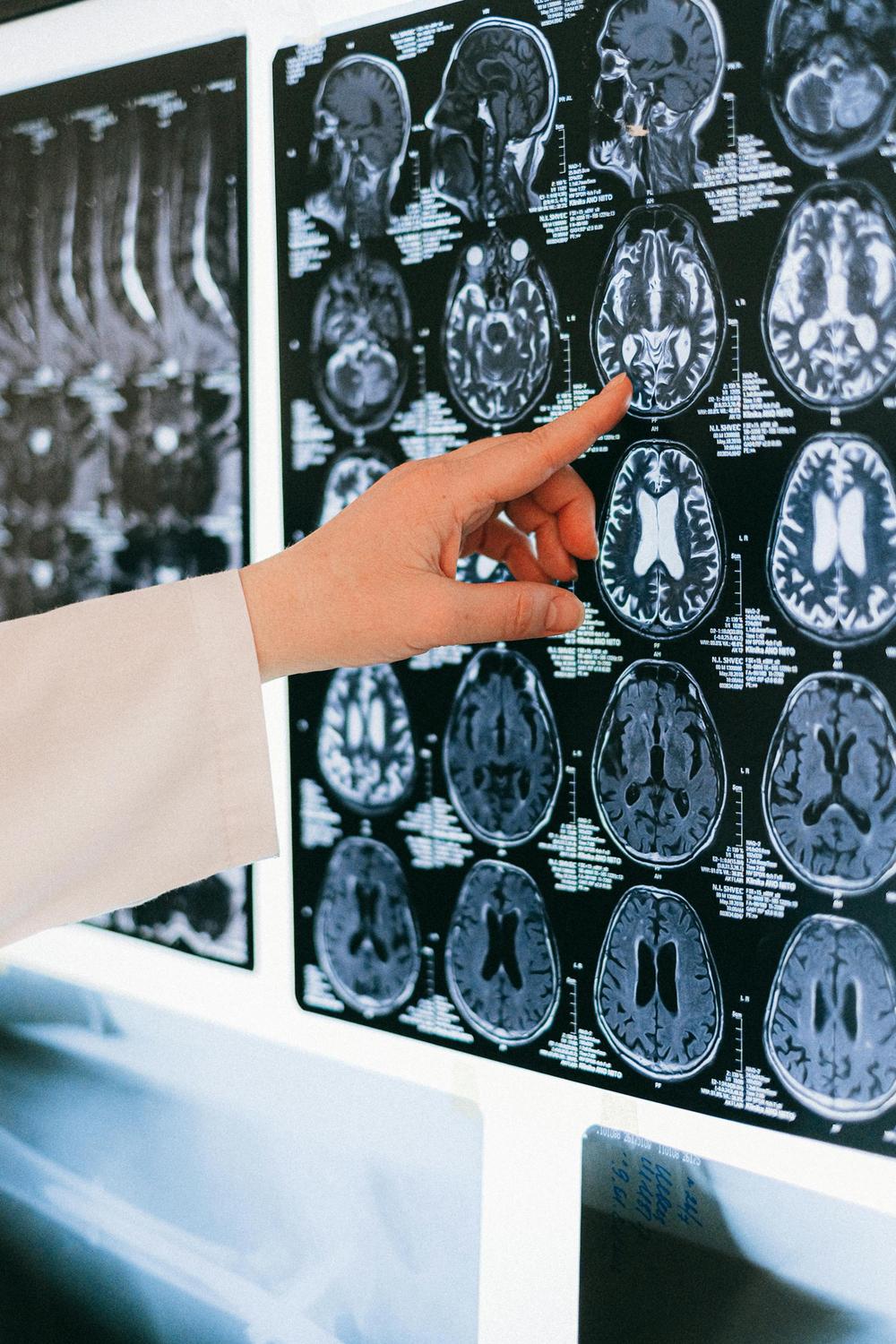
Electroencephalogram (EEG) studies document distinct changes in brain wave patterns during gong meditation sessions, revealing a progression through four primary states:
- Beta Waves (14-30 Hz): Normal waking consciousness and active thinking
- Alpha Waves (8-13 Hz): Calm alertness and relaxed focus
- Theta Waves (4-7 Hz): Deep relaxation, creativity, and emotional processing
- Delta Waves (0.5-3 Hz): Deepest meditation states and restorative healing
Research demonstrates that gong meditation facilitates rapid transitions from beta to theta and delta states—frequencies typically achieved only after years of dedicated meditation practice. Remarkably, these benefits occur immediately, even for first-time participants, making gong meditation an accessible entry point for individuals seeking the neurological benefits of meditative states without extensive training.
| Brainwave State | Frequency Range | Associated State | Role in Gong Meditation |
|---|---|---|---|
| Beta | 14-30 Hz | Active thinking, alertness | Starting baseline state |
| Alpha | 8-13 Hz | Relaxed awareness | Initial calming phase |
| Theta | 4-7 Hz | Deep relaxation, creativity | Primary therapeutic state |
| Delta | 0.5-3 Hz | Restorative healing | Deepest meditation effects |
Autonomic Nervous System Regulation
The profound relaxation experienced during gong meditation stems from activation of the parasympathetic nervous system—the body’s “rest and digest” mode—whilst simultaneously reducing sympathetic nervous system activity (the “fight-or-flight” response). This neurological shift triggers a cascade of physiological changes:
Cardiovascular Adjustments: Studies document decreases in blood pressure, improvements in heart rate variability (a marker of nervous system health), and slowing of both heart and respiratory rates. Research employing seven Tibetan singing bowls (instruments related to gongs) demonstrated strong relaxation effects on cardiovascular markers.
Neurochemical Modulation: The practice stimulates release of beneficial neurochemicals including supportive sleep-related neurochemical changes, endorphins (natural pain relief), dopamine (reward and motivation), and oxytocin (social bonding and stress reduction). These neurochemical changes flood the brain’s reward centres whilst reducing cortisol, the primary stress hormone.
Vagus Nerve Stimulation: Sound therapy may stimulate the vagus nerve—often called the “wandering nerve” due to its extensive connections throughout the body—which controls parasympathetic nervous system function. Enhanced vagal tone correlates with improved emotional resilience and nervous system regulation.
What Does the Research Evidence Show About Gong Sound Therapy?
The scientific literature on gong meditation and related sound therapy modalities has expanded substantially, with peer-reviewed studies documenting measurable outcomes across psychological, neurological, and physical parameters.
Landmark Clinical Studies
A pivotal 2016 study by Goldsby and colleagues, published in the Journal of Evidence-Based Complementary & Alternative Medicine, examined 62 participants (mean age 49.7 years) undergoing singing bowl and gong meditation. The research documented statistically significant reductions across multiple domains:
- Tension: Significant decrease (p < .001)
- Anger: Significant decrease (p < .001)
- Fatigue: Significant decrease (p < .001)
- Depressed Mood: Significant decrease (p < .001)
- Spiritual Well-being: Significant increase (p < .001)
Particularly noteworthy, participants naive to meditation experienced greater reductions in tension, suggesting accessibility for beginners. Physical pain reduction proved most significant for the 40-59 age group, with mean pain scores declining from 2.00 to 0.79 on a 1-5 scale.
A 2015 Slovenian study involving 129 participants found that 100% described the effect of sound vibrations as healing and/or relaxing, with participants reporting long-lasting inner peace, improved physical and mental well-being, and increased motivation for personal growth.
Recent Evidence Base (2023-2024)
Contemporary research continues expanding the evidence base. A 2023 study by Kim and colleagues documented synchronisation of meditational brainwaves in listeners during singing bowl use, providing peer-reviewed support for brainwave state changes.
Multiple 2024 studies demonstrated significant reductions across key wellness parameters:
Study One reported:
- Stress: 66% reduction
- Anxiety: 67% reduction
- Pain levels: 37% decrease
- Sadness: 65% decline
Study Two (New York restaurant industry, high-stress population):
- Overall stress: 82% improvement
- Anxiety: 67% reduction
- Pain levels: 62% decrease after single session
Study Three (25 participants):
- Stress: 80.2% reduction
- Pain: 89% reduction
- Anxiety: Complete resolution
Mechanisms of Vibrational Effect
The theoretical frameworks explaining gong meditation’s effects span multiple disciplines:
Binaural Beat Phenomenon: When the brain perceives frequency differences between sounds reaching each ear, it creates a third “phantom” frequency. The brain then entrains to this frequency, facilitating relaxation states. This principle, discovered by Heinrich Wilhelm Dove in 1839 and refined through subsequent research, underlies much of sound therapy’s neurological impact.
Sympathetic Resonance: Every cell in the human body possesses a resonant frequency. Gong vibrations at matching frequencies may restore optimal cellular vibrancy. Given that humans comprise approximately 60% water, sound waves travel efficiently through bodily tissues, creating what practitioners describe as a “cellular massage” at the molecular level.
Cymatics: The study of visible sound patterns (pioneered by Hans Jenny) reveals how sound vibrations create organised patterns in matter. Gong vibrations interact with the body’s cellular environment, with physical vibrations penetrating deep into tissues and potentially stimulating blood circulation and cellular processes.
How Do Traditional and Modern Perspectives on Sound Healing Differ?
The philosophical frameworks underpinning gong meditation reflect both ancient wisdom traditions and contemporary scientific models, creating a rich tapestry of understanding that bridges millennia of human knowledge.
Traditional Eastern Wellness Paradigms
Ayurvedic Healing Traditions: In Ayurveda, Nada Yoga employs sound to balance the three doshas (vata, pitta, kapha)—the fundamental energetic principles governing physiology. Practitioners prescribe specific healing mantras and ragas (melodic frameworks) for particular constitutional imbalances, viewing sound as a direct method of influencing subtle body energies.
Traditional Chinese Wellness Practices: Five-Tone Therapy correlates specific sounds with different organs and meridian systems. Practitioners understand gong vibrations as moving qi (life force) through energetic channels, removing blockages and restoring harmonious flow throughout the body’s subtle energy network.
Tibetan Buddhist Perspective: Sound serves as a path to consciousness transformation, with specific frequencies believed to balance chakras (energy centres). The practice integrates meditation with vibrational healing, viewing sound as a fundamental force capable of altering consciousness states and facilitating spiritual development.
Contemporary Scientific Models
Neuroplasticity and Neurochemistry: Modern neuroscience frames gong meditation’s benefits through brain plasticity—the nervous system’s ability to reorganise itself. Sound-induced neurochemical modulation and altered connectivity patterns provide mechanistic explanations for observed psychological and physiological changes.
Quantum Physics and Vibrational Medicine: From a physics perspective, all matter vibrates at characteristic frequencies. This framework suggests that restoring optimal vibrational states through sound exposure may promote healing by re-establishing coherent frequency patterns at cellular and systemic levels.
Psychoneuroimmunology: This integrative field examines interactions between psychological processes, nervous system function, and immune responses. Gong meditation’s stress reduction effects support immune system health by releasing the suppressive effects of chronic stress, allowing enhanced immune function.
The synthesis of traditional and modern perspectives reveals a complementary relationship: ancient practitioners developed empirical knowledge of sound’s healing properties through centuries of observation, whilst contemporary science provides mechanistic explanations and quantitative measurements validating these ancestral insights.
What Should You Know Before Experiencing a Gong Meditation Session?
Understanding the practical elements, safety considerations, and reasonable expectations for gong meditation enables informed participation in this ancient practice.
Typical Session Characteristics
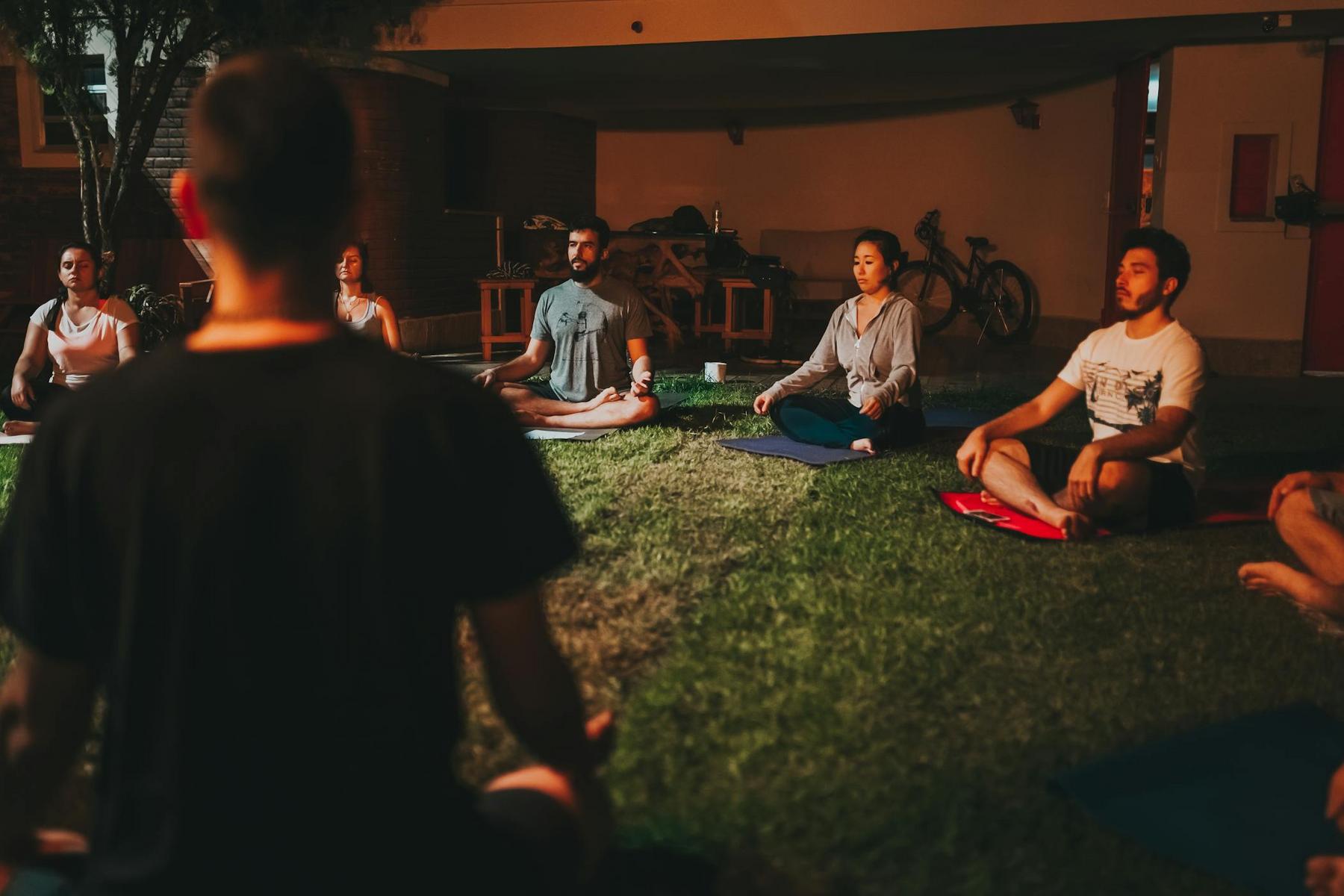
Standard gong meditation sessions last 45-90 minutes (most commonly 45-60 minutes). Participants lie fully clothed on yoga mats, using blankets and pillows for comfort. A trained practitioner facilitates the experience using specialised mallets to strike one or multiple gongs, often incorporating complementary instruments:
- 25-80 Tibetan bowls
- 2-6 crystal bowls
- 2-6 gongs of varying sizes and tones
- Bells, chimes, and tingshas (small cymbals)
The experience requires no active participation—no specific breathing techniques, visualisations, or meditation skills. Practitioners describe it as a “sonic massage” where participants simply receive the vibrational frequencies. Common experiences include:
- Deep relaxation and inner tranquillity
- Emotional releases (ranging from joy to tears)
- Visual imagery or colours
- Floating sensations
- Creative insights
- Emotional processing
- Some participants naturally fall asleep
Safety Considerations and Contraindications
Whilst gong meditation proves generally safe for most individuals, certain populations should exercise caution:
Pregnancy: Particularly during the first trimester, pregnant individuals should consult healthcare providers before participating. Gongs should never be placed directly on the body during pregnancy.
Epilepsy or Seizure Disorders: Sound-induced seizures remain possible. Individuals with seizure disorders require medical consultation before participation.
Pacemakers or Metal Implants: Maintain instruments at least 20 centimetres distance from medical devices or metal implants to avoid potential interference.
Severe Mental Health Conditions: Individuals with schizophrenia, bipolar disorder, or acute psychosis should consult mental health professionals before participating, as altered consciousness states may prove destabilising.
Hearing Impairments: Whilst not contraindicated, hearing limitations may reduce the full sensory experience.
Critical Understanding: Complementary, Not Replacement
Sound therapy complements conventional healthcare approaches; it never replaces proper diagnosis or evidence-based interventions. Gong meditation cannot be guaranteed to cure or prevent any condition. Individual responses vary significantly, and benefits exist along a spectrum. Always consult qualified healthcare providers before beginning any wellness practice, particularly when managing existing health concerns.
How Does Gong Meditation Integrate with Contemporary Wellness Practices?
The accessibility and non-invasive nature of gong meditation positions it as a versatile component within comprehensive wellness approaches, complementing various modalities without contraindications.
Synergistic Sound Healing Modalities
Singing Bowls: Tibetan/Himalayan and crystal singing bowls operate through similar vibrational principles, producing rich harmonic overtones that complement gong frequencies. Combined practices create layered soundscapes with expanded frequency ranges.
Tuning Forks: These instruments deliver specific frequencies targeted to particular body areas or energy centres, offering precise vibrational input that pairs well with gong meditation’s broader frequency spectrum.
Binaural Beats: Audio technologies creating perceived third frequencies through stereo headphone delivery share gong meditation’s brainwave entrainment mechanisms, providing accessible home practice options.
Vocal Toning and Mantras: The human voice serves as a healing instrument, with self-generated sound adding participatory elements to passive gong meditation reception.
Integrative Holistic Frameworks
Yoga and Movement Practices: Combining gong meditation with yoga, tai chi, or qigong creates comprehensive mind-body protocols. Movement practices prepare the physical body for deep relaxation, whilst gong meditation extends the nervous system benefits achieved through movement.
Breathwork: Conscious breathing techniques and gong meditation share nervous system regulation as a primary mechanism. Sequential practice—breathwork followed by gong meditation—can facilitate progressively deeper relaxation states.
Mindfulness and Meditation: Traditional meditation practices enhance sensitivity to subtle experiences, deepening receptivity to gong meditation’s effects. Conversely, gong meditation’s ability to rapidly induce meditative states serves individuals who struggle with silent sitting practices.
Bodywork and Manual Therapies: Massage, acupuncture, and other hands-on modalities address physical tension patterns whilst gong meditation approaches relaxation through vibrational and neurological pathways. Combined protocols offer multi-dimensional stress reduction.
Accessibility Advantages
Gong meditation’s accessibility stems from minimal barriers to entry:
- No special equipment required for participation
- No physical fitness level necessary
- Effective across age ranges
- Benefits occur for complete beginners
- Available in-person, online, and through recordings
- Lower cost than many therapeutic interventions
- Suitable for mobility-limited individuals
This accessibility positions gong meditation as an inclusive wellness modality, serving diverse populations seeking non-pharmaceutical approaches to stress, sleep quality, and emotional well-being.
The Evolving Landscape of Sound Therapy in Wellness Culture
As research evidence accumulates and public interest expands, gong meditation transitions from niche practice to mainstream wellness modality. Australian wellness centres, yoga studios, and integrative health facilities increasingly incorporate sound therapy into their offerings, reflecting growing recognition of vibrational healing’s therapeutic potential.
The integration of ancient sound healing traditions with contemporary neuroscience creates a robust framework for understanding gong meditation’s effects—neither purely metaphysical nor reductively mechanistic, but rather acknowledging the multi-dimensional nature of human experience. As EEG studies document brainwave changes, physiological markers confirm nervous system shifts, and participants report profound experiential benefits, gong meditation exemplifies how ancestral wisdom and scientific inquiry can converge to support human flourishing.
The practice’s non-invasive nature, absence of pharmaceutical interventions, and immediate accessibility make it particularly valuable in an era where many individuals seek alternatives or complements to conventional approaches. Whether approached from traditional energy healing perspectives or contemporary neurophysiological frameworks, gong meditation offers a time-tested pathway to the relaxation response—that fundamental healing state where the body’s innate restorative capacities activate.
For practitioners and participants alike, gong meditation represents more than passive reception of pleasant sounds. It constitutes an active engagement with vibrational physics applied to human biology, creating measurable neurological changes that ripple through psychological, physical, and potentially spiritual dimensions of experience. As research continues expanding our understanding of these mechanisms, the five-millennia-old practice of gong meditation finds renewed relevance in addressing contemporary wellness challenges.
How long does it take to experience benefits from gong meditation?
Research demonstrates that measurable benefits occur during and immediately following a single session, with significant reductions in stress, anxiety, and tension observed after just one 45-60 minute experience. While immediate effects are common, cumulative benefits may become more pronounced with regular practice.
Can gong meditation help with sleep difficulties?
Multiple studies have documented improvements in sleep quality following gong meditation. The practice activates the parasympathetic nervous system, reduces cortisol levels, and promotes delta brainwave states associated with deep restorative sleep, thereby facilitating easier sleep onset and improved sleep quality.
Is gong meditation suitable for people who find traditional meditation challenging?
Yes, gong meditation is particularly accessible for those who struggle with traditional meditation methods. Its immersive sound environment provides an external focus, reducing the need for dedicated concentration or prior experience, and enabling even beginners to access deep relaxation states.
How does gong meditation differ from listening to recorded music?
While recorded music can be relaxing, live gong meditation offers unique benefits such as complex, layered overtones, physical vibrations that engage the whole body, and a non-repetitive, improvised delivery that prevents habituation. Additionally, the collective atmosphere of a live session can enhance the overall therapeutic experience.
What qualifications should I look for in a gong meditation practitioner?
In Australia, sound therapy practitioners often have formal training from recognized sound therapy schools, may belong to professional associations, and usually carry liability insurance. While there is no strict legal registration requirement, it’s advisable to choose a practitioner with verifiable experience and a strong understanding of safety protocols and contraindications.