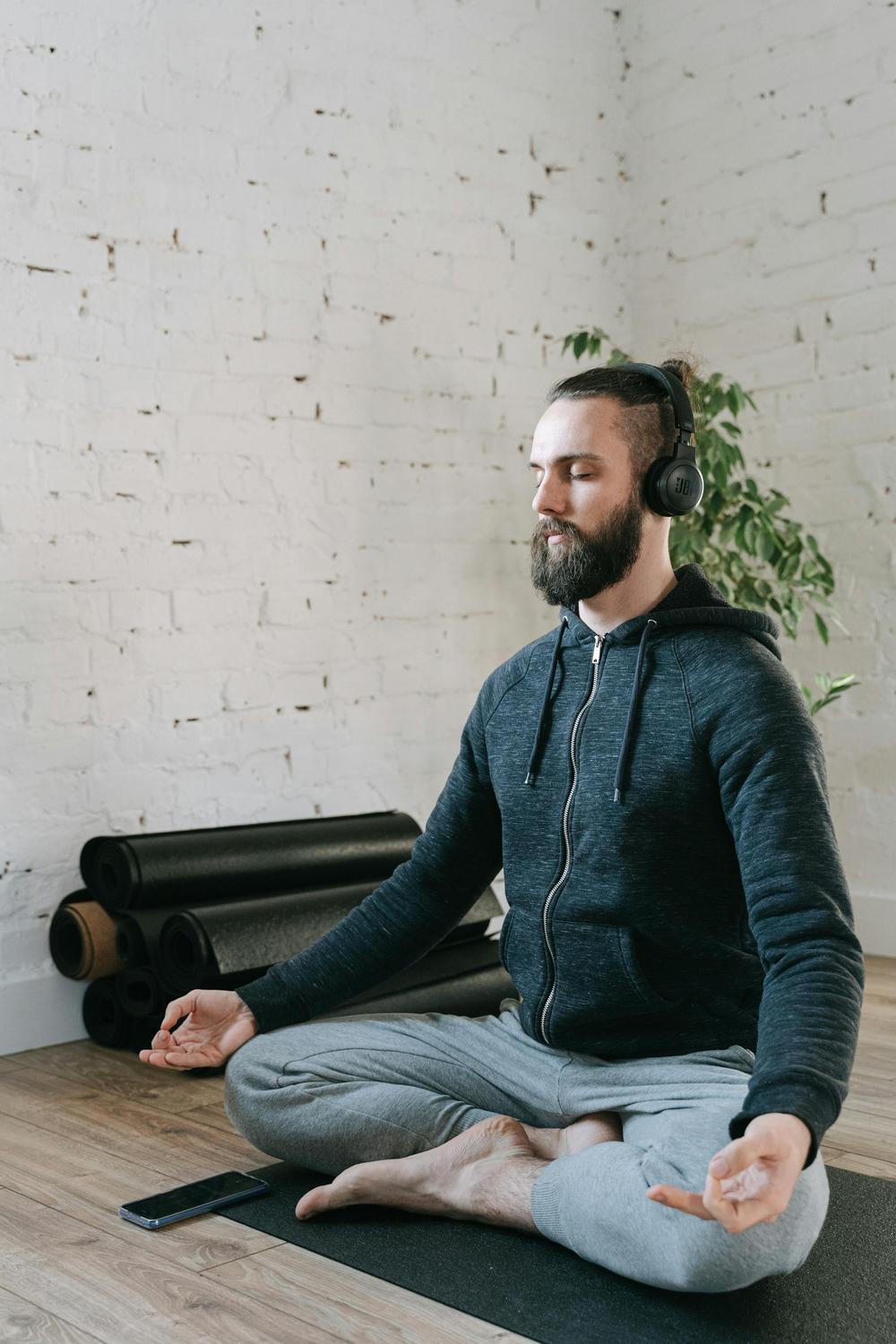
In an age where mental clarity feels increasingly elusive and the demands of modern life compound daily stress, many Australians find themselves seeking accessible pathways to deeper relaxation and mental wellbeing. Traditional meditation practices, whilst profoundly beneficial, often require years of dedicated practice to master. Enter binaural beats—an auditory phenomenon that intersects neuroscience, sound engineering, and contemplative practice. This emerging modality has captured the attention of researchers and wellness practitioners alike, promising to facilitate meditative states through precisely calibrated sound frequencies. But what does the science actually reveal about these phantom tones, and how might they genuinely support your meditation journey?
What Are Binaural Beats and How Do Sound Frequencies Affect the Brain?
Binaural beats represent a fascinating auditory illusion created when two pure tones of slightly different frequencies are presented separately to each ear through stereo headphones. The brain, rather than hearing two distinct tones, perceives a third “phantom” tone oscillating at the mathematical difference between the two frequencies. For instance, if your left ear receives a tone at 440 Hz whilst your right ear receives 444 Hz, your brain constructs the perception of a 4 Hz binaural beat.
This phenomenon occurs not in the ears themselves, but within the superior olivary complex of the brainstem, where auditory information from both ears converges. From there, the perceived beat travels through the reticular formation and triggers what neuroscientists term a “frequency-following response” (FFR) in the cerebral cortex. In essence, the brain’s electrical activity begins to resonate with the external auditory stimulus, potentially synchronising neural firing patterns to match the beat frequency.
The technical parameters for binaural beat creation are quite specific. Both tones must have frequencies below 1,000 Hz, with a maximum frequency difference of 30 Hz between them. Carrier frequencies around 400 Hz produce the most readily perceived binaural beats. Below 3 Hz, listeners perceive a “rotating tone” that seems to move between ears. Between 3-20 Hz, the beat manifests as fluctuating loudness. Above 20 Hz, the perception becomes rough or dissonant, limiting practical applications.
This neurological process represents a compelling intersection between external acoustic stimulation and internal brain activity—a bridge between the physical properties of sound waves and the subjective experience of consciousness.
Which Brainwave Frequencies Support Meditation and Relaxation?
The human brain produces electrical oscillations across distinct frequency bands, each associated with particular states of consciousness and cognitive function. Understanding these brainwave categories illuminates how binaural beats might influence mental states.
| Brainwave Type | Frequency Range | Associated States | Binaural Beat Applications |
|---|---|---|---|
| Delta | 1-4 Hz | Deep dreamless sleep, healing, restorative processes | Sleep enhancement, profound relaxation, recovery |
| Theta | 4-8 Hz | Deep meditation, REM sleep, creativity, subconscious access | Meditation facilitation, creative insight, emotional processing |
| Alpha | 8-14 Hz | Relaxed alertness, calm focus, light meditation | Stress reduction, improved learning, enhanced creativity |
| Beta | 13-30 Hz | Active thinking, concentration, problem-solving | Mental alertness, cognitive performance, focus |
| Gamma | 30-100+ Hz | Peak performance, heightened consciousness, integration | Attention enhancement, memory consolidation, cognitive coordination |
Delta waves (1-4 Hz) represent the slowest brainwave frequencies, predominating during deep, dreamless sleep. Research suggests delta-range binaural beats may promote restorative sleep patterns and support the body’s natural healing processes. A 2021 randomised trial documented modest improvements in sleep onset latency amongst individuals exposed to dynamic delta-frequency binaural beats, though results varied considerably between participants.
Theta frequencies (4-8 Hz) characterise the境界 between waking and sleeping consciousness—that elusive state experienced during deep meditation or just before falling asleep. Emerging research demonstrates particular promise for theta-range binaural beats in meditation contexts. A controlled study employing 6 Hz binaural beats on a 250 Hz carrier tone successfully induced theta activity patterns across frontal and parietal-central brain regions within just 10 minutes, producing EEG signatures remarkably similar to those observed in experienced meditators.
Alpha waves (8-14 Hz) manifest during relaxed, eyes-closed wakefulness—the mental state of calm alertness without excessive engagement with external stimuli. Alpha-range binaural beats have demonstrated anxiety-reducing properties across multiple studies, with some research suggesting increased serotonin production during alpha stimulation. Intriguingly, alpha entrainment before sleep improved both pain perception and sleep quality in individuals experiencing fibromyalgia, suggesting potential applications beyond meditation alone.
Beta frequencies (13-30 Hz) dominate normal waking consciousness, particularly during active concentration and problem-solving. Whilst beta-range binaural beats may enhance focus and working memory capacity, research also suggests that excessive exposure to higher beta frequencies could potentially increase anxiety in susceptible individuals. A 16 Hz binaural beat protocol showed promise for enhancing mental alertness and reducing workplace stress in controlled studies.
Gamma waves (30-100+ Hz) represent the fastest measurable brainwave activity, associated with peak cognitive performance and complex information processing. A 2025 study found that gamma-frequency binaural beats at lower pitch ranges improved overall attention, though effects diminished over extended periods. Research into 40 Hz gamma frequencies suggests potential benefits for learning enhancement and neuroplasticity—the brain’s capacity to form new neural connections.
What Does Scientific Research Reveal About Binaural Beats for Wellbeing?
The scientific investigation of binaural beats spans several decades, yet research quality and findings remain notably heterogeneous. A comprehensive systematic review analysing 14 published studies on brainwave entrainment found mixed results: five studies reported findings supporting the entrainment hypothesis, eight documented contradictory outcomes, and one yielded mixed results. This variability underscores the complexity of auditory neuroscience and individual response differences.
Anxiety Reduction: The Strongest Evidence Base
The most robust research evidence supports binaural beat application for anxiety reduction, particularly in acute stress contexts. A landmark 2005 controlled study involving approximately 100 pre-surgical patients demonstrated that binaural beats reduced anxiety levels by roughly half compared to both similar audio without binaural tones and no audio intervention at all. Subsequently, a 2011 randomised controlled trial with 291 emergency department patients confirmed significant anxiety decreases amongst those exposed to audio containing embedded binaural beats.
Meta-analytical research combining data from multiple studies documents a medium effect size (d = -0.58 to g = 0.45) for anxiety reduction, with effectiveness particularly pronounced when binaural beats are employed before commencing anxiety-provoking tasks. These effects appear mediated through autonomic nervous system regulation, with documented reductions in heart rate and blood pressure accompanying the subjective anxiety reduction.
Meditation Enhancement and Relaxation
Research investigating binaural beats as meditation facilitators reveals intriguing possibilities. Participants exposed to theta-range binaural beats consistently report easier access to deep meditative states compared to control groups listening to audio without embedded beats. Neuroimaging studies demonstrate that 6 Hz binaural beats can induce cortical activity patterns resembling those observed in experienced meditators, with effects manifesting within approximately 10 minutes of exposure.
The capacity of binaural beats to accelerate entry into meditative brainwave states may represent their most significant contribution—not as a replacement for contemplative practice, but as a potential catalyst for deepening meditation experiences.
Cognitive Performance and Memory: Mixed Findings
Research examining binaural beat effects on memory and attention yields inconsistent results. A meta-analysis of 35 effect sizes demonstrated an overall medium, statistically significant effect (g = 0.45) favouring binaural beat exposure. However, exposure duration emerged as a critical moderating variable—effects strengthened substantially with listening periods exceeding nine minutes, suggesting that brief exposures prove insufficient for cognitive modulation.
Contrasting these laboratory findings, a large 2023 naturalistic study involving 1,000 participants found that binaural beats used at home actually impaired cognitive performance compared to laboratory conditions. This discrepancy highlights the importance of context, environmental factors, and individual differences in determining binaural beat effectiveness.
Sleep Quality Improvements
Delta and theta-range binaural beats show promise for sleep enhancement. Research documents that slow-frequency binaural beats facilitate sleep onset during daytime naps amongst healthy individuals. A 2021 randomised trial found that dynamic binaural beats—those that shift frequencies throughout the listening period—lowered sleep latency and enhanced overall sleep quality. However, researchers emphasise that more rigorous, large-scale studies are necessary before definitive conclusions can be drawn.
Important Limitations and Research Gaps
Current binaural beat research suffers from several methodological limitations that constrain definitive conclusions. Most studies employ relatively small sample sizes, lack adequate active control conditions, and demonstrate considerable heterogeneity in measurement techniques. Publication bias likely favours positive results, whilst long-term effects remain poorly understood. Individual variability in response proves substantial—factors including personality traits, baseline anxiety levels, meditation experience, and even genetic differences influence outcomes.
Furthermore, the fundamental mechanism of brainwave entrainment itself remains scientifically contentious. Whilst auditory steady-state responses (ASSRs) consistently appear immediately following binaural beat stimulus onset, whether these responses translate into sustained changes in conscious experience or functional brain states requires further investigation.
How Can Binaural Beats Enhance Your Meditation Practice?
For individuals seeking to incorporate binaural beats into meditation routines, understanding optimal usage parameters and realistic expectations proves essential.
Technical Requirements and Practical Considerations
Binaural beats absolutely require stereo headphones for effectiveness—the fundamental mechanism depends upon delivering different frequencies to each ear separately. High-quality audio equipment enhances the experience, though expensive audiophile equipment isn’t necessary. Volume should remain below 85 decibels to prevent potential hearing damage during extended listening sessions.
Exposure duration matters significantly. Research consistently demonstrates that minimum listening periods of 8-10 minutes are necessary before measurable effects emerge, with 20-30 minute sessions proving more effective. Studies employing 30-60 minute protocols generally report stronger outcomes than brief exposures. This temporal requirement aligns with traditional meditation practice recommendations, where sustained attention facilitates deeper states.
Frequency Selection for Specific Intentions
Different meditation goals align with different brainwave frequencies. For deep relaxation and stress reduction, delta (1-4 Hz) and theta (4-8 Hz) ranges prove most appropriate. Those seeking focused, calm awareness might select alpha frequencies (8-14 Hz), whilst individuals aiming to enhance concentration during active meditation practices could explore beta ranges (13-30 Hz). Gamma frequencies (30-100+ Hz) remain more experimental but show promise for advanced practitioners.
Many practitioners find that combining binaural beats with traditional meditation techniques—such as breath awareness, body scanning, or visualisation—produces synergistic effects. The binaural beats may accelerate entry into meditative states, allowing practitioners to spend more time in deeper phases of practice rather than struggling through initial restlessness.
Individual Variability and Personalisation
Response to binaural beats varies considerably between individuals. Personality factors, particularly extraversion and baseline anxiety levels, influence effectiveness. Individuals experiencing moderate trait anxiety often demonstrate greater benefits than those with either very low or extremely high baseline anxiety. Meditation experience also matters—beginners may notice more pronounced effects than experienced meditators whose brains already efficiently generate meditative brainwave patterns.
The most effective approach involves personal experimentation within research-informed parameters, recognising that binaural beats represent one tool amongst many for cultivating mental wellbeing.
What Should Australians Know Before Using Binaural Beat Technology?
For Australian residents considering binaural beat integration into wellness routines, several practical and regulatory considerations merit attention.
Safety Profile and Contraindications
Binaural beats generally demonstrate a favourable safety profile with no known lasting adverse effects when used appropriately. Most individuals report no physical sensations during exposure. However, several specific contraindications warrant consideration:
Individuals with epilepsy should consult healthcare professionals before using binaural beats, as rhythmic auditory stimulation theoretically poses seizure risk in susceptible individuals. Those with cardiac arrhythmias or implanted medical devices should similarly seek professional guidance. Volume management proves critical—prolonged exposure above 85 decibels can cause hearing damage regardless of audio content.
Interestingly, research reveals mixed effects on mood states. Whilst many studies document mood improvements, some investigations link lower theta/delta frequencies to increased depressive symptoms in certain individuals. Frequency selection matters, and those experiencing persistent low mood should approach binaural beat experimentation cautiously.
Regulatory Context in Australia
Within the Australian healthcare landscape, binaural beats occupy a grey regulatory area. The Therapeutic Goods Administration (TGA) does not list binaural beats as approved therapeutic goods, and sound therapy devices fall outside conventional medical device classifications. Consequently, any health claims associated with binaural beat products or services must meet TGA advertising standards, which emphasise evidence-based representations.
AHPRA-registered health professionals can appropriately discuss binaural beats as a complementary modality within broader wellness consultations, provided they present the research evidence alongside its limitations. This approach aligns with contemporary integrative healthcare models that acknowledge multiple pathways to wellbeing whilst maintaining scientific rigour.
Integration with Comprehensive Wellness Approaches
Binaural beats should be understood as complementary rather than standalone interventions. They may enhance meditation practice, facilitate relaxation, or support stress management, but they do not replace evidence-based professional care when clinical intervention is warranted. The most effective applications integrate binaural beats within comprehensive wellness strategies encompassing regular physical activity, adequate sleep, social connection, and professional guidance when needed.
For Perth-based and broader Australian audiences, the growing accessibility of binaural beat technology through smartphone applications and streaming services removes geographical barriers to experimentation. However, this accessibility also necessitates discernment—quality varies considerably between commercial offerings, and evidence-based frequency selections differ from marketing claims.
Synthesising Science and Practice: The Current State of Binaural Beat Research
The accumulated research on binaural beats reveals a technology with genuine neurological effects, measurable impacts on anxiety and relaxation, and potential applications for meditation enhancement. Yet this same research exposes significant gaps in our understanding, considerable individual variability in response, and the complex interplay between expectation, context, and physiological effects.
Perhaps the most valuable insight emerging from two decades of investigation is this: binaural beats represent neither panacea nor pseudoscience, but rather a legitimate auditory technology whose effects prove moderate, variable, and most powerful when integrated within intentional contemplative practice.
The Australian context offers particular advantages for binaural beat exploration—a healthcare system increasingly open to integrative approaches, growing public interest in meditation and mindfulness, and professional practitioners who can guide evidence-informed experimentation. As research continues to refine our understanding of optimal parameters, individual response factors, and clinical applications, binaural beats may increasingly find their place within comprehensive approaches to mental wellbeing.
For those drawn to explore this intersection of ancient contemplative wisdom and modern neuroscience, the path forward combines open-minded experimentation with clear-eyed evaluation of personal experience. The technology holds genuine promise, particularly for individuals seeking accessible entry points into meditative states or enhanced relaxation. Yet that promise finds fullest expression not through passive listening alone, but through active integration with broader wellness practices, professional guidance when appropriate, and sustained commitment to mental and physical health.
Do binaural beats actually work for meditation, or is it just a placebo effect?
Research demonstrates that binaural beats produce measurable neurological effects beyond placebo, including documented changes in brainwave patterns (auditory steady-state responses) and autonomic nervous system activity. However, the degree to which these physiological changes translate into subjective meditation experiences varies considerably between individuals. Studies show mixed results—some people report enhanced meditation depth, whilst others notice minimal difference. The most reliable evidence supports anxiety reduction and relaxation facilitation rather than universal meditation enhancement. Individual factors including personality traits, baseline stress levels, and meditation experience significantly influence effectiveness, suggesting binaural beats work genuinely for some people under specific conditions rather than universally for everyone.
How long should I listen to binaural beats to experience benefits?
Scientific research consistently indicates that minimum exposure periods of 8-10 minutes are necessary before measurable effects begin emerging. However, studies employing 20-30 minute sessions generally report stronger outcomes, with some investigations using 30-60 minute protocols for optimal results. Meta-analytical research demonstrates that exposure duration exceeding nine minutes produces significantly greater effects than shorter periods. For meditation applications, 20-30 minute sessions align well with traditional meditation practice recommendations. Consistency matters as well—regular use over multiple weeks shows more sustained benefits than sporadic experimentation. Those new to binaural beats might begin with 15-20 minute sessions and gradually extend duration based on personal response and comfort.
Can I use binaural beats every day, and are there any long-term risks?
Current research suggests binaural beats are safe for daily use with appropriate volume control (below 85 decibels) and no contraindications present. No lasting adverse effects have been documented in scientific literature, and many study participants used binaural beats daily for weeks or months without reported harm. However, long-term effects remain poorly studied—most research examines outcomes over days to weeks rather than years. Individuals with epilepsy, cardiac conditions, or implanted devices should consult healthcare professionals before regular use. Some research suggests certain frequencies (particularly lower theta/delta ranges) might increase depressive symptoms in susceptible individuals, so monitoring mood responses proves prudent.
What’s the difference between binaural beats, monaural beats, and isochronic tones?
These three technologies employ different mechanisms to influence brainwave activity. Binaural beats require two separate tones of different frequencies presented individually to each ear through headphones, creating an auditory illusion processed in the brainstem. Monaural beats consist of two tones mixed together before reaching the ears, creating a single tone that pulses at the frequency difference—these can work through speakers without headphones. Isochronic tones use a single tone rapidly turned on and off at specific intervals, also perceivable without headphones. Research comparing these methods yields mixed results: some studies suggest monaural beats elicit stronger auditory steady-state responses than binaural beats, whilst others show binaural beats producing greater subjective effects. Ultimately, the choice may depend on personal preference and tolerability for one method over the others.
Will binaural beats interfere with any other wellness practices or professional care I’m receiving?
Binaural beats generally complement rather than interfere with other evidence-based wellness practices and professional healthcare. Many practitioners integrate binaural beats with meditation, yoga, breathing exercises, and other contemplative techniques without conflict. However, they should never replace professional care for clinical conditions—binaural beats are complementary tools, not standalone interventions for health concerns requiring professional attention. If you’re working with healthcare practitioners, discussing binaural beat interest during consultations allows for coordinated approaches to wellbeing. Professional guidance ensures that binaural beat use aligns with your broader wellness strategy.