The historical use of aromatic substances in meditation represents a cultural tradition that has woven itself through human civilisation for millennia. Across ancient societies separated by vast geographical distances and distinct cultural frameworks, people discovered and cultivated aromatic plants, incorporating them into their spiritual ceremonies and meditative rituals. This exploration reveals how various ancient cultures engaged with fragrant botanicals as integral elements of their contemplative and religious practices.
How Did Ancient Civilisations First Incorporate Aromatics into Meditation Practices?
The origins of aromatic use in meditation stretch back to approximately 3500 BC, when the ancient Egyptians first documented the systematic integration of fragrant substances into sacred practices. Archaeological evidence from papyri and temple inscriptions reveals a civilisation that understood the cultural significance of scent within spiritual and meditative contexts.
The Egyptians developed a 16-ingredient sacred blend called Kyphi, which served as a ritual substance within their spiritual ceremonies. This formulation was deliberately crafted for use in meditation, the induction of prophetic dreams, spiritual connection, and ceremonial offerings. Pharaohs maintained exclusive aromatic blends designated specifically for meditation, demonstrating that even in antiquity, scent held a central place in spiritual practice.
Concurrently, ancient Mesopotamian clay tablets from approximately 4000 BC documented the use of aromatic substances including pine needles, fennel, and galbanum. Temple builders in this region infused their construction mortar with aromatic oils including myrtle, cedarwood, and cypress, integrating fragrance into the very structures designed for worship and contemplation. This historical continuity suggests a consistent cultural recognition of aromatics’ role in spiritual spaces.
In ancient India, the Vedas—Sanskrit texts dating to approximately 3000 BC—referenced 700+ plant substances including cinnamon, ginger, myrrh, and sandalwood specifically within contemplative and spiritual frameworks. These aromatic materials became integral to meditation practices within the developing framework of Ayurveda. The Charaka Samhita, an ancient text, detailed 350+ herbs alongside distillation methods using Attar techniques, establishing techniques that cultural practitioners continued to employ.
Traditional Chinese Medicine emerged during a similar timeframe, with the Yellow Emperor’s philosophical teachings documenting 300+ plant substances. The Chinese practice of carrying aromatic herb sachets demonstrates a sophisticated cultural understanding that spirituality and consciousness extend beyond the purely physical.
Which Aromatic Substances Were Central to Meditation Rituals?
Throughout history, specific aromatic substances emerged repeatedly across disparate cultures in spiritual contexts. Frankincense, derived from Boswellia tree resin, commanded extraordinary cultural value for over 5,000 years. Ancient Egyptians prized this substance sufficiently to include it among royal treasures, whilst its appearance as one of the gifts presented to the infant Jesus underscores its significance within religious traditions.
The aromatic properties of frankincense became associated with spiritual cleansing, enlightenment, and sacred ritual across diverse cultural contexts. The substance appears consistently in ceremonial and meditative contexts throughout the ancient world.
Sandalwood held similar cultural reverence for 5,000+ years throughout India and Asia. This aromatic wood became inseparable from spiritual rituals, meditation, yoga, and religious ceremonies. Historical texts document sandalwood’s use as an essential element in contemplative practice and spiritual ceremonies.
Myrrh, another resin with 4,000+ years of documented use, became integrated into ancient spiritual practices. The substance appears repeatedly in texts describing sacred ceremonies and spiritual rituals, suggesting its cultural importance within meditative traditions.
Lavender’s documented ceremonial use extends 2,500+ years, with ancient Egyptians employing it in spiritual practices and perfume manufacture. Roman civilisation integrated lavender so thoroughly into religious and ceremonial practices that the plant’s name derives from the Latin “lavare,” meaning “to wash.” This historical association with purification extended naturally into spiritual ceremonies.
Cedarwood served ancient Egyptian civilisation not merely as a construction material, but as a substance integrated into spiritual practices and temple ceremonies. Historical texts suggest cedarwood held symbolic significance within meditative and religious contexts.
| Ancient Civilisation | Time Period | Primary Aromatic Substances | Ceremonial Context |
|---|---|---|---|
| Ancient Egypt | 3500-1550 BC | Frankincense, myrrh, cedarwood, lotus | Temple offerings, spiritual rituals, ceremonial practices |
| Ancient India (Vedic traditions) | 3000-1500 BC | Sandalwood, jasmine, camphor, turmeric | Spiritual ceremonies, temple rituals, contemplative practices |
| Ancient China (Classical traditions) | 2800-2500 BC | Ginger, cinnamon, sandalwood, camphor | Spiritual ceremonies, temple practices, ceremonial burners |
| Ancient Greece | 460-90 AD | Marjoram, thyme, myrrh, hypericum, lavender | Religious ceremonies, ritual bathing, spiritual practices |
| Ancient Rome | 129-199 AD | Lavender, myrrh, rose | Religious ceremonies, public rituals, ceremonial bathing |
How Have Traditional Cultures Preserved Aromatic Knowledge?
The continuity of aromatherapy knowledge across millennia owes much to cultural traditions and spiritual institutions that integrated aromatic use into their ceremonial frameworks.
Ayurvedic traditions approached aromatics within spiritual and ceremonial contexts, recognising different aromatic substances within their philosophical framework. Warm, invigorating substances like camphor and cinnamon held ceremonial significance. Cooling aromatics including sandalwood and jasmine featured in temple rituals. Cleansing scents such as lavender and ginger appeared in spiritual ceremonies.
Traditional Chinese philosophical traditions preserved aromatherapy knowledge within frameworks of spiritual balance and harmony. Classical texts document that environmental and sensory factors held importance within spiritual practice. Chinese cultural practices employed aromatics to support spiritual connection and meditative focus.
European monastic communities played crucial roles in preserving aromatic and botanical knowledge through the Medieval period. Monks cultivated aromatic plants in dedicated gardens attached to abbeys, ensuring that botanical traditions survived periods of social change. These religious communities maintained manuscript records of classical texts documenting botanical practices and their cultural significance.
The Islamic Golden Age, particularly through Ibn Sina (Avicenna, 980-1037 AD), revolutionised aromatic extraction through technological innovation. This Persian philosopher-physician refined distillation techniques and documented aromatic substances within philosophical and spiritual frameworks.
What Can Modern Practitioners Learn from Historical Aromatic Practices?
Contemporary interest in aromatherapy and meditation gains substantial cultural depth through engagement with historical traditions. The ancient recognition that aromatics held significance within holistic spiritual frameworks—addressing mind, body, and spirit within ceremonial contexts—offers guidance for modern understanding.
The consistent historical emphasis on ritual and intentionality surrounding aromatherapy use deserves particular attention. Ancient civilisations did not merely diffuse pleasant scents; they integrated aromatics into deliberate spiritual practices and ceremonial contexts. This demonstrates aromatherapy’s cultural embeddedness within broader spiritual traditions.
Modern practitioners can learn from historical approaches to personalisation. Traditional systems demonstrate that different cultural contexts employed different aromatic substances based on their particular spiritual and ceremonial needs.
The historical practice of combining aromatics with complementary ceremonial practices—particularly meditation, ritual bathing, and spiritual gatherings—offers a model for understanding aromatherapy within broader cultural frameworks.
Aboriginal peoples maintained sophisticated aromatic and botanical traditions for centuries, employing eucalyptus, tea tree, and sandalwood within spiritual and ceremonial contexts. This local heritage demonstrates that aromatic use in spiritual practice represents a widespread human cultural phenomenon.
The historical emphasis on quality and authenticity remains profoundly relevant. Ancient civilisations recognised that genuine, properly prepared aromatic substances held cultural and spiritual significance. This suggests that traditional knowledge valued authenticity and cultural integrity in aromatic practices.
Historical Aromatic Substances and Their Cultural Contexts
The 5,000-year history of aromatics in meditation reveals patterns of consistent human experience that transcend cultural boundaries. From Egyptian temples to Indian ashrams, from Chinese monasteries to Greek spiritual sanctuaries, humans have repeatedly incorporated specific aromatic substances into meditative and spiritual ceremonies. This cross-cultural consistency suggests fundamental patterns in how humans have related to aromatic botanicals within contemplative contexts.
The preservation of this knowledge through cultural traditions, religious institutions, and spiritual practices demonstrates aromatherapy’s genuine cultural value. Practices that lack cultural resonance rarely survive millennia of engagement; those that persist typically do so because they consistently hold meaning and significance across diverse populations and contexts.
For individuals interested in historical spiritual practices, the cultural use of aromatherapy in meditation offers both inspiration and practical understanding. The aromatic substances that served ancient meditators—frankincense, sandalwood, lavender, myrrh, and cedarwood—remain culturally significant and continue to appear in contemporary spiritual and meditative contexts. The practices that ancient civilisations developed—intentional use within ritual contexts, selection based on cultural traditions, integration with complementary spiritual practices—provide frameworks applicable within modern cultural engagement with historical practices.
The journey from ancient Egyptian temples to contemporary meditation spaces spans millennia, yet the fundamental human engagement with aromatic plants in spiritual and contemplative practice remains constant. Aromatherapy in meditation represents living cultural wisdom—sustained across 5,000 years of human tradition and readily accessible to individuals interested in historical spiritual practices.
What evidence exists that ancient civilisations specifically used aromatics during meditation rather than merely for general purposes?
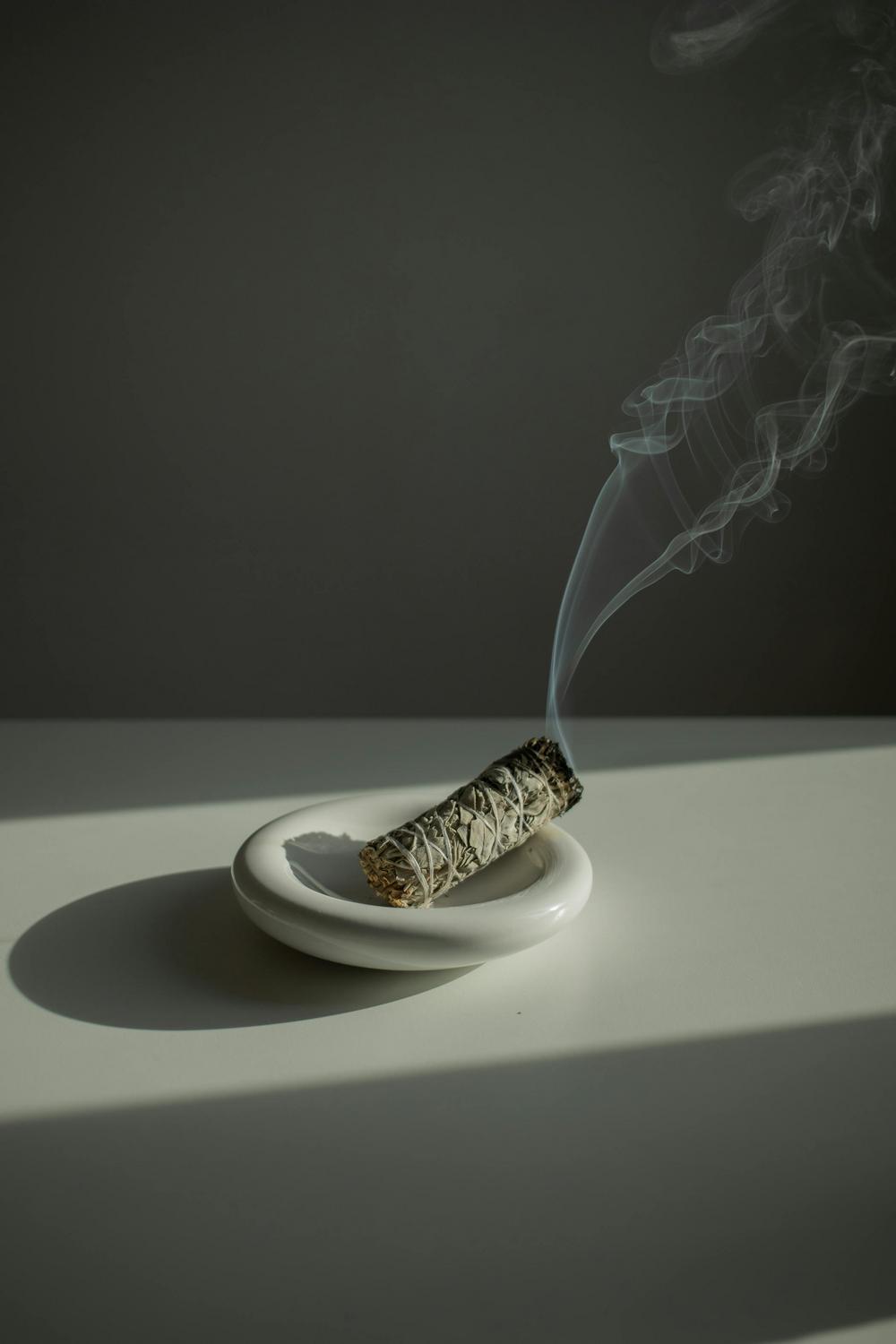
Archaeological and textual evidence demonstrates deliberate aromatic integration within spiritual and meditative practices across multiple ancient civilisations. Egyptian temple inscriptions document incense burning specifically as offerings to deities and within sacred spaces designated for meditation and spiritual connection. The Vedas explicitly reference aromatic substances within meditation and yoga contexts. Chinese classical texts from 2,500 years ago note that aromatic burners received prominent placement in spiritual and meditative settings. Biblical references to frankincense, myrrh, and sandalwood occur predominantly within religious and contemplative contexts, indicating an intentional selection of specific aromatics for spiritual practices.
Which aromatic substances appear most consistently across historical meditation traditions?
Frankincense, sandalwood, lavender, myrrh, and cedarwood appear repeatedly across ancient Egyptian, Indian, Chinese, Greek, and Roman traditions in meditation and spiritual contexts. This cross-cultural consistency suggests these particular aromatic substances held widespread cultural significance in contemplative practices. Their persistence in contemporary spiritual contexts reinforces their ongoing cultural importance.
How have different cultures conceptualised the relationship between aroma and meditation?
Ancient cultures developed distinct philosophical frameworks for understanding aromatics within spiritual practice. Ayurvedic traditions integrated aromatics within systems of balance and harmony, while Traditional Chinese philosophy positioned them within frameworks of spiritual equilibrium. Egyptian spirituality emphasised their role in temple ceremonies and divine connection, while Greek and Roman traditions associated certain aromatics with specific ritual and philosophical contexts. These diverse cultural lenses all maintained the ceremonial importance of aromatics in meditation.
What role did trade and cultural exchange play in spreading aromatic traditions?
Historical evidence suggests that trade routes—particularly the Silk Road and maritime spice routes—facilitated the exchange of aromatic substances and knowledge about their use in spiritual contexts. The high value placed on frankincense and myrrh fostered extensive trade networks spanning from Arabia to Egypt, India, and beyond, enabling cultural exchange regarding their ceremonial applications. This exchange helped spread similar aromatic practices across geographically distant cultures.