
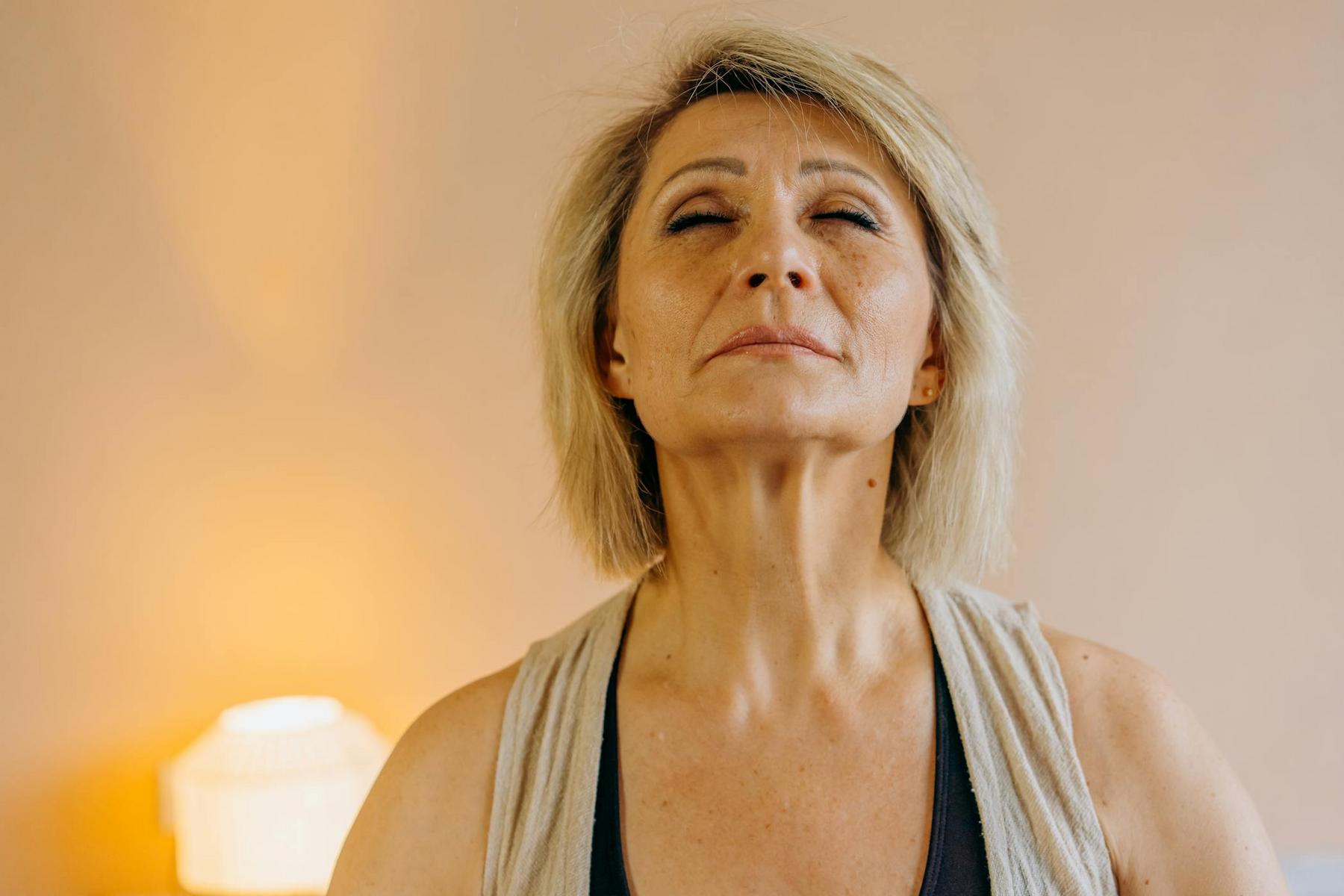
When the Mind Wanders, the Voice Brings It Home
In a world of relentless cognitive demands, sustained attention has become one of the scarcest human resources. For many Australians, conventional meditation proves frustratingly elusive – the instruction to “simply observe the breath” can feel abstract, even inadequate, when the mind is accustomed to perpetual stimulation. Chanting meditation offers a remarkably different proposition: rather than creating silence, it harnesses the voice itself as a living, resonating point of focus.
This is not mere ritual. Peer-reviewed neuroimaging studies, electroencephalographic (EEG) measurements, and biochemical analyses have collectively begun to illuminate why the human voice, used as a meditative instrument, may represent one of the most powerful and accessible tools for regulating the nervous system. Understanding chanting meditation through the lens of contemporary neuroscience and physiology reveals a practice both ancient in origin and thoroughly modern in its evidence base.

What Is Chanting Meditation and How Does Voice Function as Focus?
Chanting meditation is a structured vocal practice involving the rhythmic repetition of sounds, words, mantras, or phrases, in which the voice itself serves as the primary object of attention. Unlike singing – which employs varied melody and lyrical narrative – chanting is characterised by consistent, deliberate repetition designed to concentrate awareness through vocalisation.
The practice may be performed audibly, with the full resonance of the voice engaged, or silently through mental repetition. Both modalities have been subject to rigorous scientific investigation, though audible chanting demonstrates distinct physiological advantages, particularly in the domain of respiratory engagement and subjective anxiety reduction.
What distinguishes voice-as-focus from other meditational anchors – such as the breath or a visual point – is the proximal, multi-sensory quality of vocalisation. When one chants, sound travels through the entire body. Practitioners frequently report feeling vibrations in the chest, throat, skull, and extremities. This embodied sensory feedback creates what researchers describe as “attentional stability,” as the meditator cannot passively observe the voice in the way one might observe thoughts – producing the sound requires ongoing, active participation.
What Does the Neuroscience of Chanting Meditation Reveal About the Brain?
The neurobiological mechanisms underlying chanting meditation are among the most compelling aspects of emerging mind-body research. EEG investigations demonstrate consistent changes in brainwave patterns during chanting practice:
- Alpha wave activity (8–12 Hz) increases significantly, reflecting a state of relaxed yet present alertness.
- Theta wave activity (4–8 Hz), associated with deep meditative states, also increases, with studies documenting notable theta power elevation in participants following as little as 30 minutes of OM chanting.
- Beta wave activity, associated with active analytical thinking and stress-related rumination, decreases measurably.
- Gamma frequency enhancement has been documented in some studies, suggesting improved neuroplasticity.
Functional magnetic resonance imaging (fMRI) research adds further detail. Chanting produces significant deactivation of the Default Mode Network (DMN) – the brain system most active during mind-wandering, self-referential thought, and ruminative processing. Simultaneously, activation is observed in the prefrontal cortex, insula, and cingulate gyrus – regions integral to attention regulation, emotional modulation, and conscious self-awareness.
Of particular clinical interest is the finding that chanting reduces activity in anxiety-related brain regions, including the amygdala and hippocampus. Additionally, EEG investigations reveal improved left-right hemisphere synchronisation, a neurological correlate of enhanced emotional balance and cognitive clarity.
With consistent practice, these functional changes appear to extend into structural neuroplasticity – observable modifications in brain regions governing executive function, working memory, and sustained attention.
How Does Chanting Meditation Influence the Autonomic Nervous System?
Perhaps the most clinically significant dimension of chanting meditation is its profound influence upon the autonomic nervous system (ANS). Specifically, chanting promotes parasympathetic nervous system dominance – the physiological state associated with restoration, recovery, and reduced physiological stress reactivity.
The primary mechanism involves the vagus nerve. This critical parasympathetic pathway runs in close anatomical proximity to the vocal cords; vocalisation directly stimulates vagal activity in a process termed Respiratory Vagal Nerve Stimulation (rVNS). Extended exhalation – an inherent feature of audible chanting – maximises this effect, as the exhalatory phase of breathing is the primary driver of vagal tone and cardiac deceleration.
Research by Bernardi et al. (2001) documented that participants chanting for 10 minutes – whether reciting Roman Catholic or Buddhist mantras – exhibited a slowed breathing rate of 6 respirations per minute, a frequency known to optimise baroreflex sensitivity and cardiovascular coherence. This finding is significant: the tradition or belief system attached to the chant appears less physiologically relevant than the slow, rhythmic respiratory pattern the chanting produces.
Mantra-based chanting also influences the Hypothalamic-Pituitary-Adrenal (HPA) axis – the body’s primary stress regulation system. Regular practitioners demonstrate more regulated cortisol secretion patterns, reduced autonomic fluctuations, and enhanced physiological resilience to environmental stressors.
What Are the Measurable Physiological Benefits of Voice-Focused Chanting Practice?
The physiological evidence supporting chanting meditation spans cardiovascular, respiratory, endocrine, and immunological domains. The following table summarises key documented physiological effects across practice durations:
| Physiological Domain | Short-Term (Single Session) | Medium-Term (Weeks–Months) | Long-Term (Months–Years) |
|---|---|---|---|
| Cardiovascular | Reduced heart rate; slower respiratory rate | Decreased systolic BP (~4.30 mmHg); decreased diastolic BP (~3.11 mmHg) | Sustained HRV improvement; enhanced baroreflex sensitivity |
| Endocrine (Stress) | Immediate cortisol suppression (effects lasting up to 48 hours) | Reduced baseline cortisol; more regulated HPA axis | Stable trait reduction in cortisol reactivity |
| Respiratory | Diaphragmatic breathing activation; extended exhalation | Improved lung efficiency | Enhanced respiratory reserve |
| Immune | Increased Secretory IgA (s-IgA) | Reduced pro-inflammatory markers (CRP, TNF-α) | Sustained anti-inflammatory profile |
| Neurological | Increased alpha/theta waves; decreased beta waves | Strengthened prefrontal-amygdala connectivity | Neuroplastic changes in executive function regions |
| Sleep | Increased relaxation and melatonin precursor activity | Improved sleep quality and reduced errors in high-stress occupations | Stable improvements in sleep onset and duration |
Research from Imperial College London documented statistically significant reductions in both systolic and diastolic blood pressure following chanting practice. Similarly, studies on nursing professionals – a population with documented occupational stress burdens – demonstrated measurable cortisol reductions following 20 minutes of daily mantra chanting over 45 days compared to control groups (Niva et al., 2021).
Notably, nitric oxide production increases with vocal toning and humming, contributing to vascular relaxation, cardiac deceleration, and the facilitation of slower, meditative brainwave states.
How Does Chanting Meditation Support Mental and Cognitive Wellbeing?
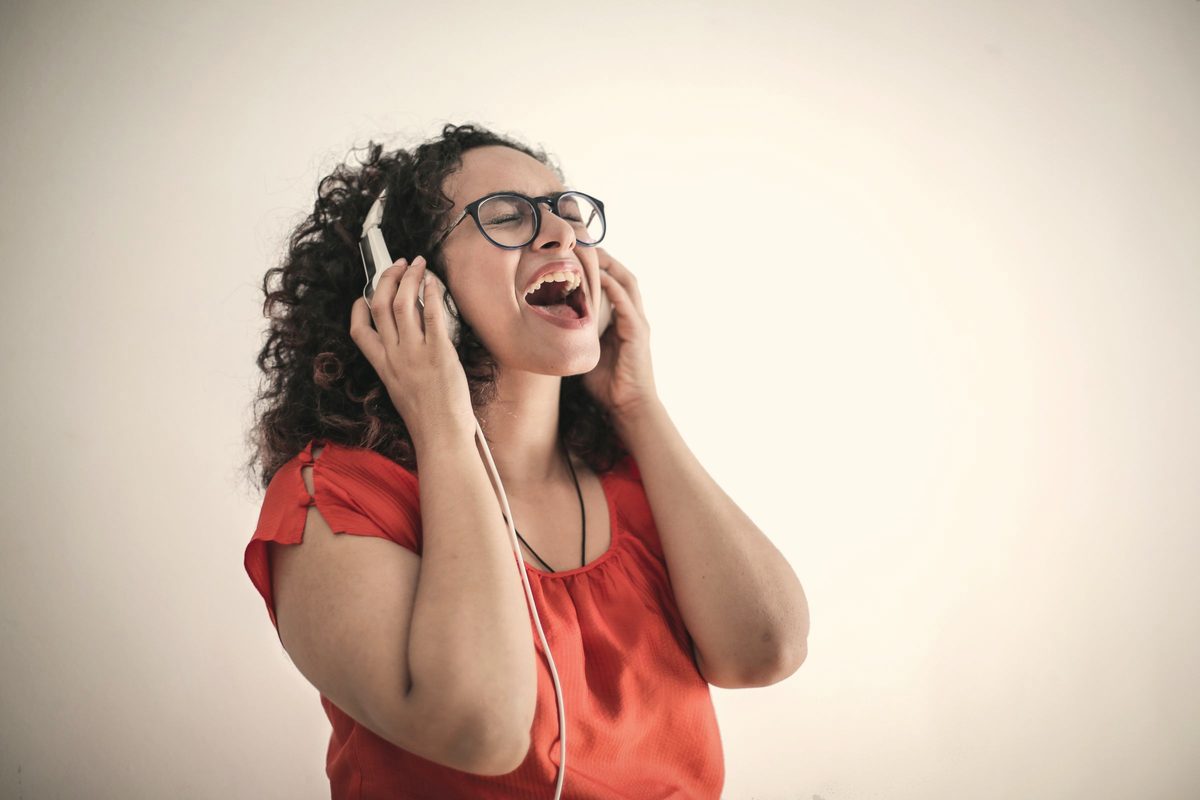
Beyond physiological measurement, chanting meditation exerts well-documented effects upon psychological functioning. The mechanism through which voice-focused practice reduces anxiety is cognitively elegant: repetitive vocalisation occupies the neural resources that would otherwise sustain rumination. By directing attention to the sensory experience of sound production, chanting interrupts the automatic thought patterns that maintain psychological distress.
Research consistently demonstrates that vocal chanting produces greater self-reported anxiety reduction than its silent counterpart, a distinction thought to reflect the additional respiratory and sensory engagement that audible chanting provides. Mood improvements, reduced depressive symptoms, enhanced mindfulness, and decreased mind-wandering have all been documented across multiple peer-reviewed investigations.
Cognitively, regular chanting practice correlates with:
Enhanced Working Memory
Improvements in both verbal and spatial working memory have been observed across various adult age groups in studies utilising standardised neuropsychological assessments.
Improved Sustained Attention
Practitioners demonstrate enhanced capacity to maintain focused engagement over extended periods – a finding consistent with the attentional training inherent in repetitive vocalisation.
Greater Cognitive Flexibility
Participants in longitudinal chanting studies exhibit improved capacity to adapt thinking strategies, consistent with enhanced executive function supported by prefrontal cortical engagement.
Social Connection and Wellbeing
Group chanting, studied in the Australian context by Bond University researchers, has demonstrated increases in social cohesion, altruism, and feelings of interpersonal connectedness – psychological dimensions often overlooked in conventional wellness discourse.
How Is Chanting Meditation Positioned Within Australian Integrative Wellness?
The Royal Australian College of General Practitioners (RACGP) defines integrative wellness as a holistic, relationship-based, evidence-grounded approach to care that addresses biological, psychological, social, and lifestyle dimensions simultaneously. Within this framework, mind-body practices – including chanting meditation – are increasingly recognised as evidence-based modalities.
Australian data indicates that between 49.4% and 63.1% of Australians report using complementary wellness practices in any 12-month period, with at least 30% of Australian GPs practising integrative wellness approaches. Mindfulness, meditation, and relaxation techniques are used by an estimated 15–25% of the general population for health-related purposes.
Chanting meditation aligns naturally with the whole-person philosophy of integrative care. Its accessibility – requiring no equipment, financial outlay, or specific belief system – makes it applicable across diverse population groups. Bond University’s research conducted within the Australian context provides locally relevant evidence that group chanting reduces perceived stress, suppresses cortisol, and enhances social wellbeing, underscoring its relevance to Australian community and clinical settings.
The Voice as the Bridge Between Body and Mind
Chanting meditation occupies a singular position in the landscape of evidence-based wellness practices. Unlike many contemplative traditions that require prolonged training before producing tangible benefits, audible chanting generates measurable physiological and psychological changes from a single session, with effects that compound meaningfully over time.
The voice as focus is not a metaphor – it is a neurobiological reality. The act of sustained, intentional vocalisation simultaneously engages respiratory mechanics, vagal tone, brainwave entrainment, endocrine regulation, and attentional circuitry in a manner that few single interventions can replicate. Whether practised for three minutes or thirty, individually or in community, chanting meditation stands as a scientifically validated, culturally rich, and practically accessible dimension of holistic human wellbeing.
For Australians navigating the demands of contemporary life, it offers something genuinely rare: a practice in which the simple act of using one’s voice becomes an instrument of profound physiological and psychological regulation.