
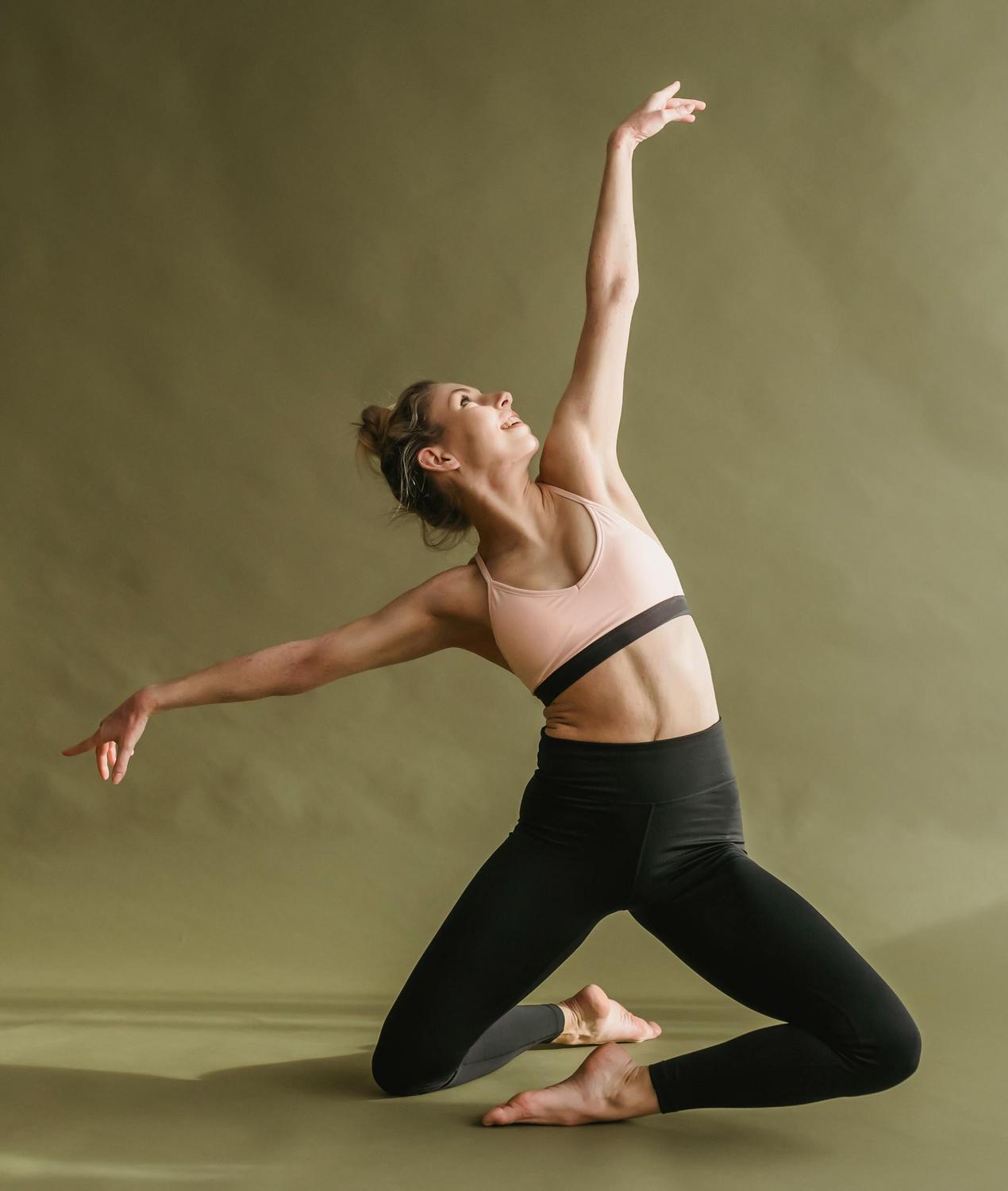
When Stillness Feels Impossible: The Modern Meditation Dilemma
You close your eyes, cross your legs, and attempt to quieten the mind. Within seconds, your thoughts race faster. Your body fidgets. Frustration mounts. The meditation application promises peace, yet you feel more agitated than when you began. You’re not alone—and you’re not failing at meditation. Your restless mind simply requires a different approach.
The contemporary human experience differs fundamentally from the contemplative monks who developed traditional meditation centuries ago. Modern Australians navigate constant digital stimulation, workplace pressures, emotional complexity, and psychological stress that ancestral meditation practices never addressed. We carry accumulated tension in our bodies, repressed emotions in our tissues, and chronic stress patterns that sitting quietly cannot dissolve.
This reality demands what spiritual innovator Osho recognised in 1970: active meditation forms that match the intensity of modern consciousness. Osho Dynamic Meditation represents a scientifically validated, cathartic practice specifically engineered for minds that cannot simply sit still—and research demonstrates measurable physiological changes that passive meditation takes weeks to achieve.

What Is Osho Dynamic Meditation and How Does It Work?
Osho Dynamic Meditation constitutes a structured, 60-minute active meditation technique comprising five distinct stages designed to systematically release accumulated physical and emotional tension before facilitating profound inner silence. Developed by spiritual teacher Osho (Bhagwan Shree Rajneesh), this practice deliberately combines seemingly contradictory elements: vigorous physical activity followed by complete stillness, creating what Osho termed a “dialectical meditation” where effort precedes effortlessness.
The practice unfolds through five precisely timed stages, each serving a specific neurobiological and psychological function:
Stage One: Chaotic Breathing (10 minutes) – Fast, deep, intentionally disorganised breathing through the nose, with concentration on exhalation whilst the body naturally handles inhalation. This hyperventilation disrupts habitual breathing patterns associated with chronic stress, surfaces pent-up emotions, and creates an energy surge that mobilises repressed feelings.
Stage Two: Cathartic Explosion (10 minutes) – Complete permission for explosive emotional expression. Screaming, shouting, crying, laughing, dancing, jumping, or shaking—whatever arises receives full expression without resistance or self-judgement. Research confirms this stage provides the primary mechanism for stress reduction, as crying reduces cortisol and stress-related toxic substances through tears, whilst laughter demonstrably decreases stress hormones.
Stage Three: “Hoo” Mantra with Jumping (10 minutes) – Continuous jumping with arms raised overhead, shouting “Hoo” deeply with each landing. The sound hammers into the body with each foot contact, creating sound-vibration combined with physical exertion that grounds and integrates energy from previous stages.
Stage Four: Complete Stillness (15 minutes) – Immediate cessation of all movement. Practitioners freeze in whatever position they find themselves, avoiding any arrangement of the body. This stage activates the parasympathetic nervous system, transitioning from “fight-or-flight” sympathetic activation to “rest-and-digest” parasympathetic response, allowing physiological benefits to consolidate.
Stage Five: Celebration Through Dance (15 minutes) – Free, spontaneous movement expressing joy and freedom. This final stage affirms positive neurological changes and leaves practitioners feeling refreshed, invigorated, and connected to vitality.
The contradiction inherent in the practice—”dynamic” suggesting effort alongside “meditation” suggesting stillness—reflects Osho’s fundamental insight: the modern mind requires chaotic methods to achieve relaxation. Traditional passive meditation assumes a calm baseline; active meditation forms acknowledge that contemporary consciousness begins from agitation.
Why Do Active Meditation Forms Produce Faster Results Than Traditional Practices?
The accelerated effectiveness of Osho Dynamic Meditation compared to conventional meditation approaches stems from its deliberate engagement with the body’s stress storage systems before attempting stillness. Whilst traditional meditation practices typically require 8-week programmes to demonstrate measurable psychological changes, research on dynamic meditation reveals significant effects within 7 days—a dramatic compression of the therapeutic timeline.
This rapid onset relates directly to the cathartic component absent from passive meditation forms. The human body stores traumatic memories and chronic stress patterns within tissues—a phenomenon well-documented in somatic psychology. Attempting to achieve inner peace whilst this physiological stress remains unprocessed resembles trying to calm turbulent water without removing the source of agitation.
“The modern mind is restless and chaotic; therefore requires chaotic methods to achieve relaxation.” – Osho’s foundational principle
Active meditation forms address this reality through a three-phase mechanism: chaos, release, and integration. The chaotic breathing stage disrupts ingrained thought patterns and mobilises energy. The cathartic stage eliminates stress hormones through physiological channels—tears contain cortisol and other stress-related compounds that literally exit the body during emotional release. The stillness stage then allows this cleared system to settle into meditation naturally, rather than forcing a restless mind into artificial quietude.
Contrast this with Mindfulness-Based Stress Reduction (MBSR), which demonstrates anxiety reduction effect sizes of 0.38 declining to 0.22 over eight weeks. Whilst MBSR provides valuable benefits, the timeline reflects its approach of gradually training the mind towards stillness without first addressing accumulated physiological stress. Osho Dynamic Meditation’s intensity compresses this process, allowing practitioners to “throw out the junk”—as Osho described repressed emotions—before attempting meditation.
The biological mechanism involves multiple systems. Hyperventilation creates hyper-oxygenation that breaks shallow breathing patterns linked to anxiety. Vigorous physical movement activates and then exhausts the sympathetic nervous system, making parasympathetic activation in the stillness stage more profound. Emotional expression through crying and laughter demonstrably reduces cortisol—the primary stress hormone—through measurable biochemical pathways. This multi-system engagement explains the accelerated results documented in clinical research.
What Does Scientific Research Reveal About Osho Dynamic Meditation’s Effectiveness?
Clinical investigations into Osho Dynamic Meditation have produced remarkably consistent findings across multiple studies, with physiological measurements confirming substantial stress reduction effects. The most robust evidence comes from a 2015-2016 experimental study published in the Journal of Clinical and Diagnostic Research, which examined serum cortisol levels—the gold standard biomarker for physiological stress.
Twenty healthy volunteers aged 20-50 years participated in 21 consecutive days of daily dynamic meditation practice. Morning serum cortisol measurements were obtained at baseline (Day 1) and post-intervention (Day 21). The results demonstrated statistical significance beyond conventional thresholds: baseline mean cortisol measured 14.8375 micrograms per decilitre (SD 3.63), whilst post-meditation mean cortisol decreased to 10.5937 micrograms per decilitre (SD 1.39)—representing a 28.6% average reduction with a p-value of 0.00029 (highly significant). Remarkably, 100% of the 16 participants who completed the study showed reduced cortisol levels.
This physiological finding gains further validation from a seven-day intensive study conducted by Dr. Avni Vyas involving 41 subjects. Using standardised psychological instruments, this research documented significant reductions across multiple clinical domains, all measured at baseline, Day 7, and Day 12 follow-up:
| Clinical Measure | Overall Significance | Specific Finding |
|---|---|---|
| Anxious-Depressive Syndrome | p=0.001 | Highly significant reduction |
| Depression | p=0.002 | Highly significant reduction |
| Aggressive Behaviours | p=0.02 | Significant reduction |
| Somatic Complaints | p=0.01 | Significant reduction |
| Emotional Exhaustion | p=0.01 | Significant reduction |
| Physical Strain | p=0.001 | Highly significant reduction |
| Psychological Strain | p=0.03 | Significant reduction |
| Defensive Self-Enhancement | p=0.003 (Day 7) / p=0.04 (Day 12) | Significant increase (lasting effect) |
The persistence of effects through Day 12 assessment—five days after the seven-day intensive concluded—demonstrates enduring neurobiological changes rather than transient mood improvements. The increase in defensive self-enhancement and rational coping ability suggests the practice enhances psychological resilience mechanisms, not merely suppresses stress symptoms.
Additional research incorporating electroencephalogram (EEG) brain wave analysis alongside cortisol measurement revealed reduction in high beta waves (18-40 Hz) associated with stress, anxiety, and high arousal states. This multi-modal evidence—combining hormonal biomarkers with neurological measurements—establishes Osho Dynamic Meditation’s effectiveness through objective physiological parameters rather than subjective self-reporting alone.
The study on agricultural workers (farmers) extended findings beyond clinical populations, demonstrating applicability across socioeconomic contexts and occupational stress profiles. With dropout rates of only 20% over 21 days—attributable to minor illnesses and personal circumstances rather than practice dissatisfaction—adherence rates compare favourably to conventional meditation programmes.
Who Benefits Most From Active Meditation Techniques?
Osho Dynamic Meditation demonstrates particular efficacy for specific populations whose characteristics align with the practice’s intensive, cathartic nature. Research identifies several groups who experience pronounced benefits:
Individuals with high occupational stress represent primary beneficiaries, as documented by significant reductions in role overload, psychological strain, and emotional exhaustion. The workplace wellness applications identified in research suggest particular value for professionals experiencing workplace burnout, with the practice addressing both the physiological stress response and the psychological exhaustion that passive techniques may not fully resolve.
People who struggle with traditional meditation—those who report “I can’t sit still” or “my mind wanders constantly”—find active meditation forms provide an accessible entry point. The physical movement component offers an anchor for attention that passive sitting lacks, whilst the permission for chaotic expression removes the pressure to achieve artificial calm. This accessibility extends across all fitness levels, requiring no special equipment beyond private space and comfortable clothing.
Those managing anger and emotional dysregulation benefit from the deliberate cathartic stage, which research shows significantly reduces trait-anger, temperament reactivity, and aggressive behaviours. The practice provides a structured, safe container for emotional expression that transforms anger to compassion through physiological release rather than cognitive suppression.
Individuals experiencing insomnia and sleep disorders represent another key demographic, as the profound relaxation following intensive physical and emotional exertion naturally improves sleep quality and duration. The practice’s timing recommendation—early morning at sunrise (6-7 AM)—optimises circadian rhythm alignment whilst ensuring physical exhaustion supports evening sleep onset.
Wellness-conscious Australians seeking evidence-based approaches to stress management and mental wellbeing constitute a growing demographic interested in validated holistic practices that support overall health and resilience.
The practice’s documented effects on anxious-depressive syndrome, somatic complaints, and depression position it as a valuable tool within personal wellness practices. However, individuals with cardiac disorders, uncontrolled hypertension, pregnancy complications, or psychiatric instability without professional supervision should exercise caution given the practice’s physical and emotional intensity.
Age range research confirms effectiveness across adults aged 20-50+ years, with no upper limit documented for those maintaining adequate physical fitness. The 60-minute duration requires commitment but remains accessible to busy schedules when compared to eight-week programme requirements of alternative approaches.

How Can Dynamic Meditation Integrate With Personal Wellness and Mental Health Support?
Osho Dynamic Meditation represents a structured evidence-based practice that individuals can integrate into comprehensive personal wellness frameworks and mental health support routines. The practice’s scientifically validated effects position it as a credible standalone tool for stress management and emotional regulation that facilitates both psychological and physiological benefits.
Contemporary wellness approaches recognise that optimal health emerges from addressing multiple interconnected systems simultaneously—psychological, emotional, physical, and existential. Dynamic meditation’s multi-level engagement makes it particularly valuable as a foundational wellness practice. The practice activates parasympathetic nervous system responses, modulates cortisol and inflammatory pathways, enhances cognitive function, and facilitates emotional processing—all through a single intervention.
Within personal wellness frameworks, dynamic meditation serves as a foundational practice that enhances overall mental clarity and emotional resilience. The emotional clearing achieved through cathartic stages may improve outcomes from psychotherapy, as individuals access deeper psychological material once physiological stress barriers diminish. Similarly, the enhanced self-awareness and body-mind connection developed through regular practice supports lifestyle improvements, as practitioners become more attuned to their bodies’ signals and needs.
The practice aligns particularly well with wellness approaches emphasising personal empowerment and self-directed healing. Unlike interventions requiring ongoing external administration, dynamic meditation becomes a portable skill—once learned, practitioners can access its benefits independently, fostering autonomy and self-efficacy rather than dependence. This empowerment component resonates with contemporary wellness philosophies that position individuals as active participants in their health journey.
For individuals seeking mental health support and stress management, dynamic meditation offers a non-invasive, evidence-based approach accessible for diverse populations when appropriately individualised. The documented safety profile and rapid measurable effects make it suitable for those interested in practical stress-reduction tools that deliver results within days rather than weeks.
Integration within personal wellness routines requires appropriate guidance to ensure safety and optimise outcomes. Individuals can integrate dynamic meditation within their wellness practices, monitoring progress through both subjective improvements in mood and stress levels alongside objective measures of sleep quality, energy levels, and emotional regulation. This sophisticated approach leverages structured meditation practice to support comprehensive personal wellbeing.
The practice’s capacity to address stress—a universal contributor to diverse health challenges—makes it broadly applicable across personal wellness contexts. Whether managing high-stress professional environments, preventing burnout, enhancing overall vitality, or supporting emotional resilience, dynamic meditation provides a scientifically grounded practice that honours both Eastern meditation wisdom and Western empirical validation.
Moving Beyond Stress Management: Dynamic Meditation as Transformative Practice
Osho Dynamic Meditation transcends conventional stress management techniques by addressing the fundamental relationship between modern consciousness and inner peace. The practice acknowledges that contemporary life generates a specific quality of restlessness—characterised by constant mental activity, emotional suppression, and physiological tension—that traditional meditation approaches were never designed to address. By meeting this restlessness with equal intensity before guiding practitioners toward stillness, dynamic meditation offers a pathway accessible to minds that conventional methods leave frustrated.
The scientific validation through cortisol reduction, psychological symptom improvement, and neurological changes establishes this practice’s legitimacy within evidence-based frameworks. The 28.6% average cortisol reduction documented over 21 days, combined with significant improvements across anxious-depressive syndrome, emotional exhaustion, and aggressive behaviours within seven days, positions dynamic meditation as a rapidly effective intervention worthy of serious consideration.
For Australians navigating the complexities of modern wellness—balancing professional demands, personal health goals, and the desire for meaning beyond material success—active meditation forms provide a practical tool that delivers measurable results without requiring retreat from daily life.
The philosophical foundation remains equally important: Osho’s vision of “Zorba the Buddha”—an integrated human capable of both worldly engagement and spiritual depth—speaks to contemporary aspirations for comprehensive wellness that encompasses success, pleasure, health, and consciousness. Dynamic meditation operationalises this vision through a structured practice that honours both the body’s need for expression and the spirit’s longing for silence.
As wellness practices continue evolving toward more integrated approaches that address whole-person wellbeing, practices like Osho Dynamic Meditation will likely occupy increasingly central positions within comprehensive personal health strategies. The convergence of ancient wisdom with modern research methodology creates opportunities for individuals to access sophisticated, evidence-based practices that meet them where they actually are—not where idealised meditation traditions assume they should be.
The practice ultimately serves as a bridge: between East and West, activity and stillness, effort and surrender, scientific validation and subjective transformation. For those willing to engage its intensity, dynamic meditation offers not merely stress reduction but a fundamental recalibration of one’s relationship with both inner and outer experience.