

Imagine waking up to discover you’ve rearranged furniture in the middle of the night, prepared an elaborate meal you don’t remember making, or engaged in complex behaviours with absolutely no recollection of these events. For individuals experiencing NREM parasomnias, these bewildering occurrences represent not isolated incidents, but recurring episodes that blur the boundaries between sleep and wakefulness. These unusual sleep behaviours emerge from the deepest stages of non-rapid eye movement sleep, creating a dissociative state where parts of the brain remain dormant whilst motor systems spring into coordinated action. Understanding NREM parasomnias requires examining the intricate architecture of sleep itself and recognising how incomplete arousals from profound slumber can manifest in behaviours that range from benign confusion to potentially dangerous activities.
What Are NREM Parasomnias and How Do They Differ From Other Sleep Disturbances?
NREM parasomnias represent a distinct category of sleep disorders characterised by abnormal behaviours emerging during partial arousals from non-rapid eye movement sleep. Unlike typical sleep disturbances that might involve difficulty falling asleep or staying asleep, NREM parasomnias involve complex motor activities and behavioural manifestations whilst the individual remains partially asleep, with severely impaired consciousness and subsequent amnesia for the events.
The International Classification of Sleep Disorders, Third Edition, defines these conditions as “disorders of arousal”—a precise terminology reflecting their fundamental pathophysiology. These episodes typically occur during the first third of the night when deep sleep predominates, distinguishing them from REM-related sleep behaviours that emerge later in the sleep cycle.
The spectrum of NREM parasomnias encompasses five primary manifestations:
- Confusional arousals: Involve episodes of mental confusion and disorientation whilst the individual remains in bed. Affected persons exhibit inappropriate responses to their environment, vocalise incoherently, and demonstrate minimal autonomic arousal.
- Sleepwalking (somnambulism): Individuals rise from bed and ambulate with eyes open yet displaying a glazed expression. They may engage in remarkably complex behaviours—from simply walking through corridors to relocating furniture or preparing food—while maintaining insufficient consciousness to form memories of these activities.
- Sleep terrors: Manifest as abrupt episodes of intense fear during NREM sleep, accompanied by piercing screams and marked autonomic arousal such as a rapid heart rate and profuse perspiration. Importantly, sleep terrors leave individuals with no memory of dream content or the episode itself.
- Sleep-related eating disorder: Involves recurrent episodes of eating or drinking following partial arousals, characterised by the consumption of high-calorie foods in unusual combinations, sometimes including inedible substances.
- Sexsomnia: Encompasses sleep-related abnormal sexual behaviours including masturbation or attempted sexual intercourse during NREM sleep episodes, accompanied by complete amnesia for the events.
A key distinguishing feature of NREM parasomnias is the state dissociation — a phenomenon where motor systems activate while executive and memory-forming regions remain asleep. This results in behaviours that appear purposeful yet lack true consciousness or subsequent recall.
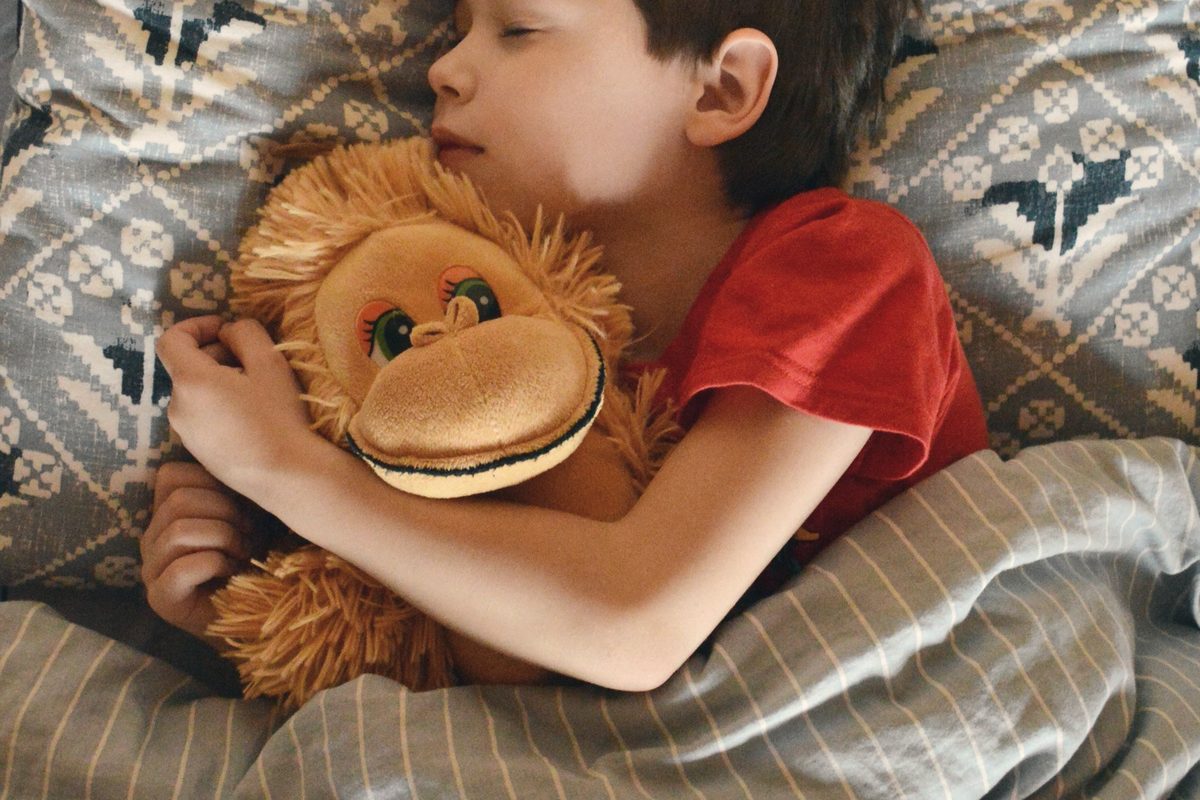
Why Do NREM Parasomnias Occur During Specific Sleep Stages?
Understanding the timing of NREM parasomnias requires an examination of the architecture of sleep. Human sleep is organized into cyclical stages, with non-rapid eye movement sleep (NREM) subdivided into three progressive stages. Stage N3, or slow-wave sleep, represents the deepest sleep stage and exhibits a high arousal threshold. Since N3 predominantly occurs during the first half of the night, it explains why parasomnias typically arise early in the sleep period.
During an arousal from N3 sleep—whether due to internal cues like a full bladder or external factors such as noise—the transition to full wakefulness might remain incomplete. This hybrid state triggers a situation where motor functions are activated, even though cortical regions governing awareness and memory remain dormant. As a result, individuals perform complex behaviours without conscious recall.
What Triggers These Unusual Sleep Behaviours in Susceptible Individuals?
NREM parasomnias arise from complex interactions among predisposing, priming, and precipitating factors. Genetic predisposition is a significant factor, with a strong familial clustering observed in disorders like sleepwalking and sleep terrors. Age, sleep deprivation, and stress further prime the conditions that facilitate these episodes, while immediate triggers—ranging from environmental stimuli to physiological events—precipitate the incomplete arousal that underlies parasomnia behaviours.
The multifactorial nature of these disorders means that even individuals with a genetic predisposition may remain episode-free until encountering a confluence of sleep-depriving or stress-inducing circumstances.
How Are NREM Parasomnias Diagnosed and Assessed by Sleep Specialists?
Diagnosing NREM parasomnias involves a comprehensive clinical evaluation that includes detailed history-taking, witness accounts, and sometimes objective sleep monitoring. Because individuals typically have no memory of their episodes, collateral information from family members or bed partners is crucial. Sleep diaries and standardized diagnostic criteria—such as those found in the International Classification of Sleep Disorders—aid in differentiating parasomnias from other sleep-related conditions.
In certain cases, polysomnography with video monitoring is employed to capture the characteristic behaviours during sleep. This method not only confirms the diagnosis but also helps rule out alternative conditions like nocturnal seizures or REM behaviour disorder.
What Evidence-Based Approaches Help Manage NREM Parasomnia Episodes?
Management strategies for NREM parasomnias focus initially on safety and reducing injury risk during episodes. Environmental modifications, such as removing hazards and installing bed or door alarms, play a vital role. Improving sleep hygiene through regular sleep schedules and stress reduction techniques further diminishes the likelihood of episodes.
For some individuals, treating co-existing sleep disorders such as obstructive sleep apnea can significantly reduce the frequency of parasomnias. Behavioural interventions, including scheduled awakenings and cognitive behavioural therapy, have also shown effectiveness. Research indicates that a comprehensive, multi-pronged approach can achieve adequate symptom control in the vast majority of cases.

Understanding the Neurobiological Basis of Incomplete Sleep Transitions
The complex behaviours observed during NREM parasomnia episodes have a clear neurobiological underpinning. Advanced neuroimaging and electrophysiological studies reveal that during these episodes, while motor regions of the brain exhibit wake-like activity, critical areas responsible for higher cognitive functions and memory formation remain in a sleep state. This phenomenon, often described as a state dissociation, explains why detailed recall of the episodes is absent.
Sleep microstructure abnormalities, such as increased fragmentation of slow-wave sleep and irregularities in the cyclic alternating pattern, create conditions that predispose some individuals to incomplete arousals. Such insights not only deepen our understanding of these disorders but also highlight potential targets for future therapeutic interventions.
Recognising When Professional Sleep Assessment Becomes Essential
Although many NREM parasomnias are benign and self-limiting, particularly in children, there are instances where professional sleep assessment becomes critical. Episodes that pose safety risks, occur frequently, or persist into adulthood warrant a detailed evaluation by sleep specialists.
Such assessments typically involve a combination of clinical interviews, collateral history, sleep diaries, and, when necessary, video-polysomnography. Identification of underlying comorbid conditions—such as obstructive sleep apnea or periodic limb movement disorder—is essential to ensuring a comprehensive treatment plan. Ultimately, early and accurate diagnosis not only enhances safety but can also guide effective interventions tailored to the individual’s needs.
Looking to discuss your health options? Speak to us and see if you’re eligible today.
Can adults suddenly develop sleepwalking or sleep terrors without childhood history?
Yes, adult-onset NREM parasomnias occur, though less commonly than childhood-onset conditions. Approximately 27% of adults experiencing sleepwalking reported no childhood history. Adult-onset cases warrant thorough evaluation for precipitating factors including sleep disorders (particularly obstructive sleep apnea), psychological conditions, or external triggers. Unlike childhood parasomnias that often resolve spontaneously, adult-onset cases tend toward more chronic courses, though they typically wax and wane in severity. Professional assessment helps identify treatable underlying conditions and implement appropriate management strategies.
Do NREM parasomnias run in families, and what does this mean for children?
NREM parasomnias demonstrate strong familial clustering, with approximately 80% of affected individuals having family members with similar conditions. Genetic studies suggest autosomal dominant inheritance patterns with incomplete penetrance. Children with one affected parent face 47% sleepwalking risk, rising to 61.5% when both parents have a history, compared to a 22% baseline risk. Monozygotic twins show five-fold higher concordance than dizygotic twins. However, genetic predisposition doesn’t guarantee manifestation—environmental factors and triggers prove equally important. Most childhood NREM parasomnias resolve spontaneously by adolescence regardless of family history.
How can I tell if night-time behaviours represent NREM parasomnias versus other conditions?
Key distinguishing features of NREM parasomnias include: timing during the first third of the night when deep sleep predominates; complete or near-complete amnesia for episodes; difficulty awakening or redirecting the person during episodes; absence of dream recall; and occurrence from childhood or with identifiable precipitants. In contrast, REM behaviour disorder occurs later in the night, involves dream enactment with dream recall, and predominantly affects older males. Nocturnal seizures often exhibit stereotypical repetitive movements and may occur throughout the night. Professional assessment with video-polysomnography can definitively differentiate these conditions when the diagnosis remains uncertain.
Are NREM parasomnias dangerous, and what injuries might occur?
While many NREM parasomnia episodes remain benign, there is potential for injury. During episodes, individuals may fall, collide with furniture, handle dangerous objects, or even exit their homes, leading to hazardous situations. Sleepwalking, for example, has been linked to road traffic accidents, and sleep-related eating can involve consumption of inedible or toxic substances. Rare cases of aggressive behaviour may also occur. The key to mitigating these risks lies in proper environmental modifications, the implementation of safety measures, and addressing underlying precipitants.
Will my child outgrow these sleep behaviours, or do they persist into adulthood?
Most childhood NREM parasomnias resolve spontaneously by adolescence—with nearly all cases of sleep terrors remitting and a majority of sleepwalking instances resolving. However, about 27% of adult sleepwalkers report persistence from childhood. While peak prevalence for sleepwalking is typically around ages 10–12 and for sleep terrors between 1.5–5 years, individual outcomes vary. Factors such as family history, frequency and severity of episodes, and the presence of comorbid conditions can influence whether these sleep behaviours persist. Professional evaluation is recommended to guide management and prognostic expectations.