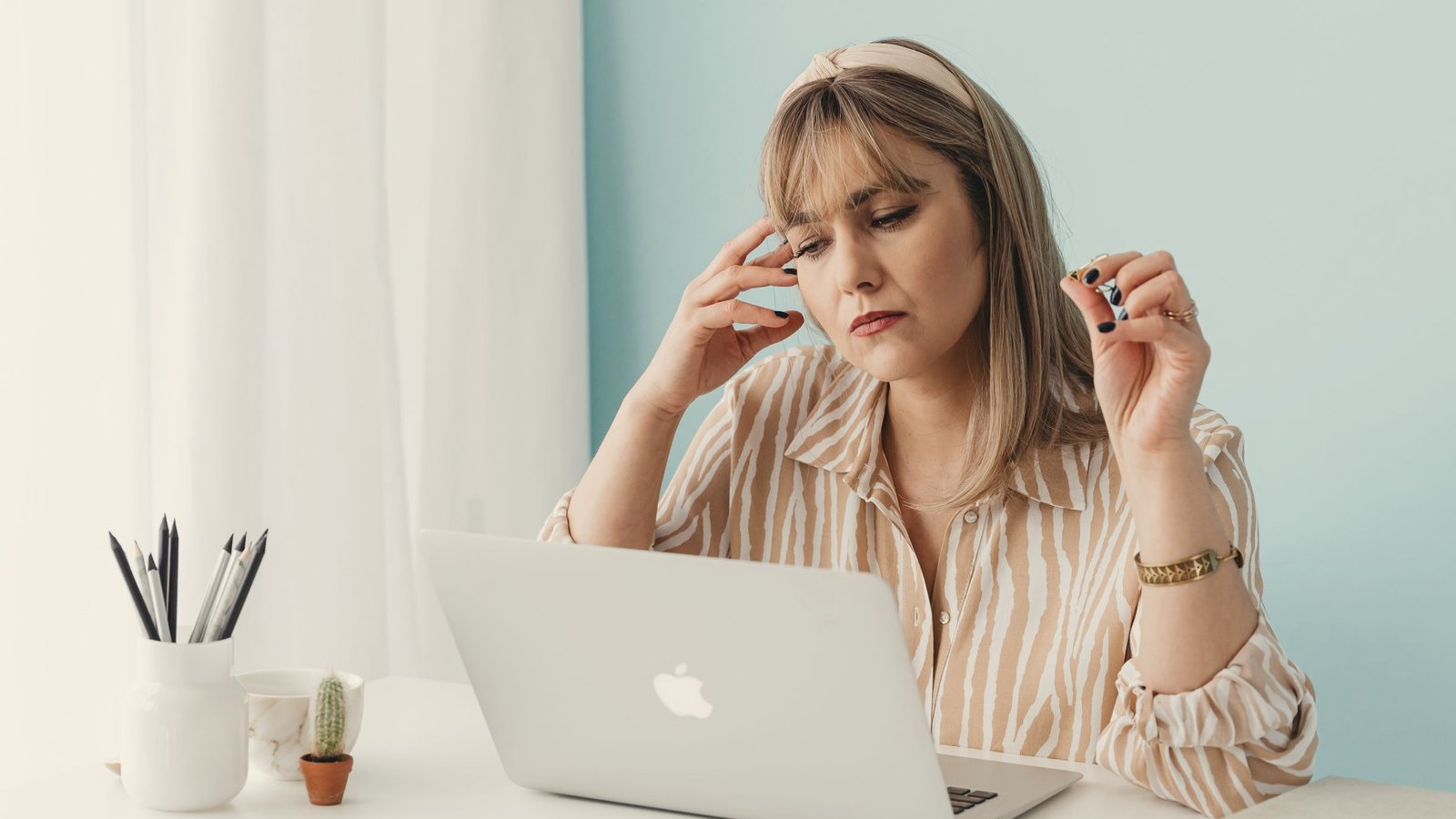
The boardroom falls silent as all eyes turn towards you. Your heart pounds against your ribcage, palms dampening as you stand to deliver your quarterly presentation. Despite having rehearsed countless times, your mind momentarily blanks, and a wave of apprehension washes over you. Yet, curiously, this same intense physiological response doesn’t occur during your morning coffee chat with colleagues or your weekend social gatherings. This phenomenon—where anxiety emerges predictably in specific contexts whilst remaining absent in others—represents what psychologists term situational anxiety, a widespread yet often misunderstood aspect of human psychological functioning.
Unlike pervasive anxiety disorders that cast a shadow across multiple domains of life, situational anxiety operates with remarkable specificity, triggered by identifiable circumstances and typically resolving once the precipitating context concludes. For the 3.4 million Australians experiencing anxiety-related concerns within any given twelve-month period, understanding the distinction between transient, context-specific stress responses and clinical anxiety disorders becomes crucial for appropriate self-awareness and help-seeking behaviour.
What Is Situational Anxiety and How Does It Differ from Clinical Anxiety Disorders?
Situational anxiety represents a temporary psychological state characterised by nervousness, apprehension, and physical symptoms that emerge in response to specific, identifiable circumstances. This form of anxiety manifests when individuals encounter new, unfamiliar, or potentially evaluative situations—job interviews, public speaking engagements, first dates, or medical appointments. Critically, the anxiety remains confined to these particular contexts rather than permeating daily existence.
The Australian Bureau of Statistics reports that 17.2% of Australians aged 16-85 years experienced a twelve-month anxiety disorder in their most recent national survey, with prevalence rates reaching 31.8% amongst young adults aged 16-24 years. However, situational anxiety exists on a continuum separate from these diagnostic categories, representing a normative stress response rather than pathological functioning.
The demarcation between situational anxiety and clinical anxiety disorders hinges on several distinguishing characteristics:
| Feature | Situational Anxiety | Generalised Anxiety Disorder (GAD) |
|---|---|---|
| Duration | Short-lived, resolves after specific event | Persistent, lasting 6+ months |
| Triggers | Specific, identifiable contexts | Multiple everyday situations without clear cause |
| Frequency | Episodic, tied to particular circumstances | Chronic, occurring most days |
| Functional Impairment | Minimal long-term interference | Significantly impairs daily functioning |
| Recovery Pattern | Rapid resolution post-event | Requires sustained intervention |
| Diagnostic Status | Not a formal DSM-5 diagnosis | Recognised clinical diagnosis requiring treatment |
Whilst individuals experiencing situational anxiety may feel considerable distress during triggering events, their capacity to function effectively across other life domains remains intact. They don’t experience the persistent, free-floating worry characteristic of Generalised Anxiety Disorder, nor do they exhibit the pervasive social fears spanning multiple interpersonal contexts that define Social Anxiety Disorder.
Recent Australian data reveals that females demonstrate higher vulnerability to anxiety disorders (21.1%) compared with males (13.3%), though both genders commonly experience situational anxiety without meeting criteria for formal diagnosis. The distinction matters profoundly: situational anxiety typically responds well to self-management strategies and brief interventions, whereas clinical anxiety disorders generally necessitate structured professional treatment.
What Are the Physical and Psychological Manifestations of Situational Anxiety?
The experiential landscape of situational anxiety encompasses an interconnected array of somatic, cognitive, and behavioural symptoms. Understanding these manifestations enables individuals to recognise their stress responses and implement appropriate management strategies.
Physical Symptoms
The body’s response to perceived threat activates the sympathetic nervous system, producing immediate physiological changes. Individuals experiencing situational anxiety commonly report:
- Cardiovascular changes: accelerated heart rate (tachycardia), elevated blood pressure, and palpitations
- Respiratory alterations: rapid, shallow breathing, shortness of breath, or sensation of breathlessness
- Musculoskeletal tension: trembling, shaking, generalised muscle tightness, and tension headaches
- Gastrointestinal disturbance: nausea, abdominal discomfort, diarrhoea, or dry mouth
- Thermoregulatory effects: excessive perspiration, flushing, or feeling overheated
- Neurological symptoms: dizziness, lightheadedness, or sensation of unreality
These physiological responses, whilst uncomfortable, represent adaptive mechanisms designed to enhance survival during genuine threats. The challenge emerges when this ancient protective system activates in response to modern social and performance situations that pose no actual physical danger.
Psychological and Emotional Manifestations
Beyond physical symptoms, situational anxiety generates distinctive cognitive and emotional experiences:
- Hypervigilance and heightened threat detection in the specific context
- Racing thoughts focused on potential negative outcomes
- Difficulty concentrating or experiencing “mind blanks”
- Excessive worry disproportionate to the objective situation
- Sense of impending failure or catastrophe
- Irritability and emotional reactivity
- Feelings of being overwhelmed or losing control
Behavioural Patterns
The anxiety response frequently manifests through observable behaviours:
- Avoidance of triggering situations or excessive procrastination
- Over-preparation or compulsive rehearsal before events
- Nervous habits such as fidgeting, pacing, or nail-biting
- Social withdrawal or declining opportunities
- Seeking reassurance from others repeatedly
- Sleep disturbances preceding anxiety-provoking events
Importantly, these symptoms typically remain proportionate to the specific triggering context and resolve relatively quickly once the situation concludes—a hallmark distinguishing situational anxiety from more pervasive anxiety disorders.
Which Contexts Most Commonly Trigger Situational Anxiety?
Context-specific stress responses demonstrate remarkable consistency across populations, with certain situations reliably activating anxiety in susceptible individuals. Research identifies several high-frequency triggering contexts:
Performance and Evaluation Scenarios
Performance situations where individuals face potential judgement or evaluation consistently emerge as primary triggers. Public speaking ranks amongst the most prevalent, with workplace research indicating 87% of employees citing presentations as significant anxiety sources. Similarly, job interviews, auditions, examinations, and performance reviews activate anticipatory stress responses due to perceived high-stakes outcomes and social evaluation.
Professional and Workplace Contexts
The modern workplace harbours numerous anxiety-provoking scenarios. Beyond formal presentations, employees report heightened anxiety during:
- One-on-one supervision meetings (72% of surveyed workers)
- Networking events requiring small talk with unfamiliar colleagues (78%)
- Speaking contributions during group meetings (64%)
- Video conferences and telephone calls (69%)
- Team-building activities involving forced social interaction (58%)
Australian workplace data suggests that anxiety-related concerns lead to an average reduction of 5.5 productive workdays monthly, with employees experiencing anxiety demonstrating 1.5 times higher risk of extended absence compared to their non-anxious counterparts.
Social Situations
Social contexts involving unfamiliarity or potential judgement frequently trigger situational anxiety:
- Attending social gatherings or parties with unknown guests
- First dates or romantic encounters
- Meeting admired individuals or authority figures
- Making small talk during casual interactions
- Eating or drinking in front of others
- Using shared public facilities
Novel and Uncertain Experiences
Situations characterised by novelty or unpredictability commonly activate stress responses:
- Air travel, particularly for infrequent flyers
- Medical appointments or hospital visits
- Starting new employment or educational programmes
- Travelling to unfamiliar locations
- Trying new activities without prior experience
- Significant life transitions (relocating, relationship changes, parenthood)
The commonality amongst these triggers centres on perceived uncertainty, potential for negative evaluation, and circumstances where individuals feel they lack adequate control or predictability regarding outcomes.
What Biological Mechanisms Drive Context-Specific Stress Responses?
Understanding the neurobiological foundation of situational anxiety illuminates why these responses occur and how they might be managed. The body’s stress response system operates through sophisticated neural and endocrine pathways designed to mobilise resources during perceived threats.
The Autonomic Nervous System Response
The autonomic nervous system comprises two complementary branches: the sympathetic nervous system (SNS) functions as the body’s “accelerator,” whilst the parasympathetic nervous system (PNS) serves as the “brake.” During situational anxiety, the SNS dominates, triggering what researchers term the “fight-or-flight” response.
When the amygdala—the brain’s threat-detection centre—perceives danger, it signals the hypothalamus, which activates the sympathetic nervous system. This cascade triggers the adrenal medulla to release catecholamines (adrenaline and noradrenaline), producing immediate physiological changes within seconds. Under optimal circumstances, this response subsides within 20-30 minutes once the perceived threat dissipates.
The Stress Hormone Cascade
Two distinct but related systems mediate the body’s stress response:
Acute Response (Sympathetic-Adrenomedullary System): This rapid-onset system releases catecholamines, producing immediate effects including increased heart rate, elevated blood pressure, enhanced muscle tension, and heightened sensory awareness. This represents the body’s immediate reaction to perceived threat.
Sustained Response (Hypothalamic-Pituitary-Adrenal Axis): For prolonged stress, the hypothalamus releases corticotropin-releasing hormone, prompting the pituitary gland to secrete adrenocorticotropic hormone, which stimulates cortisol release from the adrenal cortex. Whilst cortisol serves important functions in mobilising energy and managing inflammation, chronic elevation contributes to various health complications.
Adaptive Changes During Stress
The stress response generates numerous physiological adaptations:
- Blood flow redirects from digestive organs toward large muscle groups, preparing for action
- Hepatic glycogenolysis releases glucose into circulation, providing immediate energy
- Respiratory rate accelerates, delivering increased oxygen to tissues
- Blood clotting factors become more active, minimising potential blood loss
- Pupillary dilation enhances visual acuity
- Non-essential functions (digestion, reproduction, growth) temporarily diminish
The fundamental challenge with situational anxiety involves this sophisticated survival mechanism activating in response to social and performance situations that pose no genuine physical threat. A business presentation cannot physically harm an individual, yet the body responds as though facing mortal danger.
Neuroplasticity and the Potential for Change
Encouragingly, neuroscience research demonstrates that consistent practice of stress management techniques literally alters brain structure and function. The prefrontal cortex—responsible for executive function and emotional regulation—can develop enhanced capacity to modulate amygdala activity through repeated exposure and cognitive interventions. This neuroplasticity provides the biological foundation for evidence-based anxiety management approaches.
How Does Situational Anxiety Impact Daily Functioning and Quality of Life?
Whilst situational anxiety doesn’t meet criteria for clinical disorder, its impact on individual functioning warrants serious consideration. The consequences extend across multiple life domains, potentially constraining opportunities and diminishing wellbeing.
Professional Consequences
Workplace ramifications of situational anxiety prove particularly significant. Australian and international data reveal that individuals experiencing workplace-related anxiety demonstrate:
- Reduced career progression, with 55% reportedly declining promotion opportunities due to social requirements
- Lower lifetime earnings—approximately 34% less compared to peers without anxiety
- Higher underemployment rates (2.3 times more likely)
- Elevated job turnover, with 42% leaving positions primarily due to anxiety-related concerns
The productivity toll manifests through both absenteeism and presenteeism (attending work whilst functioning suboptimally). Beyond measurable economic impacts, workplace anxiety constrains professional networks, limits skill development opportunities, and prevents individuals from showcasing their capabilities.
Social and Relational Effects
Situational anxiety influences social functioning through several mechanisms:
- Avoidance of social opportunities, potentially leading to isolation
- Strained relationships due to repeated event cancellations
- Reduced social support networks from withdrawal patterns
- Missed milestone celebrations and important gatherings
- Limited expansion of social circles and community connections
These patterns can create self-reinforcing cycles where social withdrawal reduces opportunities for positive experiences that might otherwise challenge anxiety-maintaining beliefs.
Educational Impact
For young Australians—the demographic showing highest anxiety prevalence at 38.8% for twelve-month disorders—situational anxiety significantly affects educational engagement. Students may avoid class participation, skip presentations, or experience reduced academic performance despite possessing requisite knowledge and capabilities.
Health and Wellbeing Considerations
Chronic activation of stress responses, even episodically, contributes to various health concerns:
- Sleep disturbances, particularly anticipatory insomnia before triggering events
- Cardiovascular strain from repeated sympathetic nervous system activation
- Immune system modulation affecting illness susceptibility
- Gastrointestinal complications from repeated digestive system disruption
- Risk of developing comorbid mental health conditions if situational anxiety remains unaddressed
Furthermore, individuals sometimes develop maladaptive coping strategies, including substance use for anxiety management, which introduces additional health risks whilst potentially masking underlying issues requiring attention.
What Evidence-Based Approaches Can Help Manage Situational Anxiety?
Contemporary research provides robust evidence supporting multiple intervention strategies for managing situational anxiety. The hierarchy of approaches spans from self-directed techniques through structured professional interventions.
Cognitive Behavioural Therapy: The Gold Standard
Cognitive Behavioural Therapy (CBT) represents the most extensively researched and empirically supported intervention for anxiety-related concerns. This structured, time-limited approach (typically 12-16 weeks) demonstrates approximately 75% improvement rates for workplace social anxiety.
CBT operates through two primary mechanisms:
Cognitive Restructuring: This component helps individuals identify and challenge distorted thought patterns—catastrophising, mind-reading, all-or-nothing thinking—that amplify anxiety responses. Through systematic examination, individuals develop more balanced, realistic perspectives regarding triggering situations.
Exposure Therapy: Considered the most potent behavioural component, exposure therapy demonstrates over 90% effectiveness for specific phobias when individuals complete treatment. The approach involves systematic, gradual confrontation with feared situations, allowing habituation—the natural reduction in fear response through repeated exposure. This process teaches individuals they can tolerate anxiety whilst simultaneously learning that feared outcomes rarely materialise.
Mindfulness-Based Interventions
Recent research establishes mindfulness-based stress reduction (MBSR) as remarkably effective for anxiety management. This eight-week structured programme teaches body scan meditation, gentle yoga, and sitting meditation practices that cultivate present-moment, non-judgemental awareness.
Neuroimaging studies demonstrate that consistent mindfulness practice reduces amygdala activation whilst increasing prefrontal cortex engagement—literally rewiring neural pathways involved in threat detection and emotional regulation. Effects demonstrate durability, persisting six months or longer following programme completion.
Relaxation Techniques
Multiple relaxation approaches demonstrate significant efficacy for anxiety symptom management:
Progressive Muscle Relaxation: This technique involves systematically tensing and releasing muscle groups throughout the body. Research indicates that practising 20 minutes daily, five days weekly for six months produces measurable cortisol reductions.
Controlled Breathing Exercises: Specific breathing patterns—such as box breathing (inhale 4 counts, hold 4, exhale 4, hold 4) or 4-7-8 breathing—activate the parasympathetic nervous system, producing physiological calming within minutes. These techniques prove particularly valuable as they require no equipment and can be implemented discreetly in any situation.
Guided Imagery: Using mental visualisation of peaceful, calming environments engages multiple senses whilst redirecting attention from anxiety-provoking thoughts.
Physical Exercise
Regular physical activity demonstrates remarkable effectiveness for anxiety management. Moderate aerobic exercise (20-30 minutes, 3-5 times weekly) can reduce anxiety symptoms by 20-30%. Exercise facilitates anxiety reduction through multiple mechanisms: releasing endorphins, increasing gamma-aminobutyric acid (a calming neurotransmitter), reducing stress hormones, and improving sleep quality.
Lifestyle Optimisation
Evidence supports several lifestyle factors as fundamental to anxiety management:
- Sleep Hygiene: Maintaining consistent sleep schedules and obtaining 7-9 hours nightly supports stress resilience and emotional regulation
- Nutritional Considerations: Balanced nutrition emphasising whole foods, fruits, vegetables, lean proteins, and healthy fats whilst limiting caffeine and processed sugars
- Social Connection: Cultivating supportive relationships and community connections provides buffering against stress
- Time Management: Setting appropriate boundaries and avoiding overcommitment reduces situational stressors
Professional Support
For individuals finding self-management insufficient, consultation with registered mental health professionals provides access to evidence-based interventions tailored to individual circumstances. In Australia, this includes psychologists, counsellors, and other healthcare providers registered with the Australian Health Practitioner Regulation Agency (AHPRA).
Transforming Understanding Into Resilience
The scientific understanding of situational anxiety has evolved considerably, revealing it as a normal, adaptive response that becomes problematic only when disproportionate or persistent. For the millions of Australians experiencing context-specific stress responses, this knowledge offers both validation and direction.
The distinction between situational anxiety and clinical anxiety disorders proves crucial: whilst the former represents a manageable stress response amenable to self-directed strategies and brief interventions, the latter requires comprehensive professional treatment. Recognising this difference prevents both over-pathologising normal stress responses and under-treating genuine anxiety disorders.
The evidence unequivocally demonstrates that situational anxiety need not remain a permanent constraint. Through understanding triggering contexts, recognising physiological and psychological symptoms, and implementing evidence-based management strategies, individuals can develop enhanced capacity to navigate challenging situations effectively. The brain’s neuroplasticity—its capacity to reorganise and form new neural connections—means that consistent practice of anxiety management techniques produces lasting changes in stress response patterns.
For young Australians particularly, who demonstrate the highest anxiety prevalence rates, early intervention and skill development can prevent escalation into more pervasive difficulties. The workplace implications of unmanaged situational anxiety—reduced career progression, lower earnings, limited professional networks—underscore the importance of addressing these concerns proactively rather than accepting them as immutable personality characteristics.
Ultimately, situational anxiety represents not a character flaw but a modifiable response pattern. With appropriate understanding, evidence-based strategies, and professional support when needed, individuals can transform their relationship with context-specific stress, expanding their capacity to pursue valued opportunities without excessive psychological cost.
How can I tell if my situational anxiety has progressed into an anxiety disorder requiring professional treatment?
Indicators include symptoms persisting beyond triggering situations, anxiety occurring across multiple contexts without clear triggers, significant impairment in work or social functioning lasting several weeks, and symptoms continuing for six months or longer. If anxiety provokes substance use, persistent sleep disturbances, or thoughts of self-harm, it’s important to seek professional consultation.
Why do I experience intense anxiety in specific situations when others appear completely comfortable?
Individual vulnerability to situational anxiety results from complex interactions between genetic predisposition, temperament, past experiences, and learned associations. Factors such as perfectionistic traits, sensitivity to evaluation, and beliefs about one’s capacity to handle challenging situations also contribute.
Can situational anxiety improve without formal therapy or professional intervention?
Yes, many individuals successfully manage situational anxiety through self-directed strategies like progressive muscle relaxation, controlled breathing, regular physical exercise, and gradual exposure to triggering situations. However, if symptoms persist or significantly impair life quality, professional guidance is recommended.
How long does it typically take to see improvement when implementing anxiety management strategies?
Acute techniques like controlled breathing can provide relief within minutes, while sustained improvements in baseline anxiety are often noticed within 2-3 weeks of consistent practice. Structured interventions like Cognitive Behavioural Therapy may require 8-16 sessions for meaningful symptom reduction.
Does experiencing situational anxiety mean I’m at higher risk for developing other mental health conditions?
Not necessarily. While situational anxiety on its own doesn’t predict other conditions, if it remains unaddressed and leads to persistent avoidance, social isolation, or maladaptive coping (such as substance use), the risk for secondary conditions may increase.