In an age where mental exhaustion, chronic stress, and physical disconnection have become hallmarks of modern existence, many Australians find themselves searching for wellness practices that speak to more than just the cognitive mind. Traditional seated meditation, whilst beneficial, proves challenging for those who struggle with stillness or find their thoughts too intrusive to quiet. Meanwhile, conventional exercise routines, though physically beneficial, often fail to address the deeper emotional and psychological needs that underlie persistent feelings of anxiety, isolation, and disconnection. What emerges from this gap is a profound question: can we find healing through movement itself—not structured, not choreographed, but utterly free?
Ecstatic dance, a form of free-form movement meditation, offers a compelling answer. This ancient practice, modernised for contemporary wellness, invites participants to move authentically, without judgement or performance, in a space where the body becomes both teacher and student. Unlike fitness classes or social dancing, ecstatic dance prioritises internal experience over external appearance, creating a sanctuary where psychological release, physical vitality, and social connection converge. For those seeking holistic approaches to wellbeing that honour both soma and psyche, this embodied practice represents a bridge between ancient wisdom and evidence-based wellness.

What Is Ecstatic Dance and How Does Free-Form Movement Meditation Work?
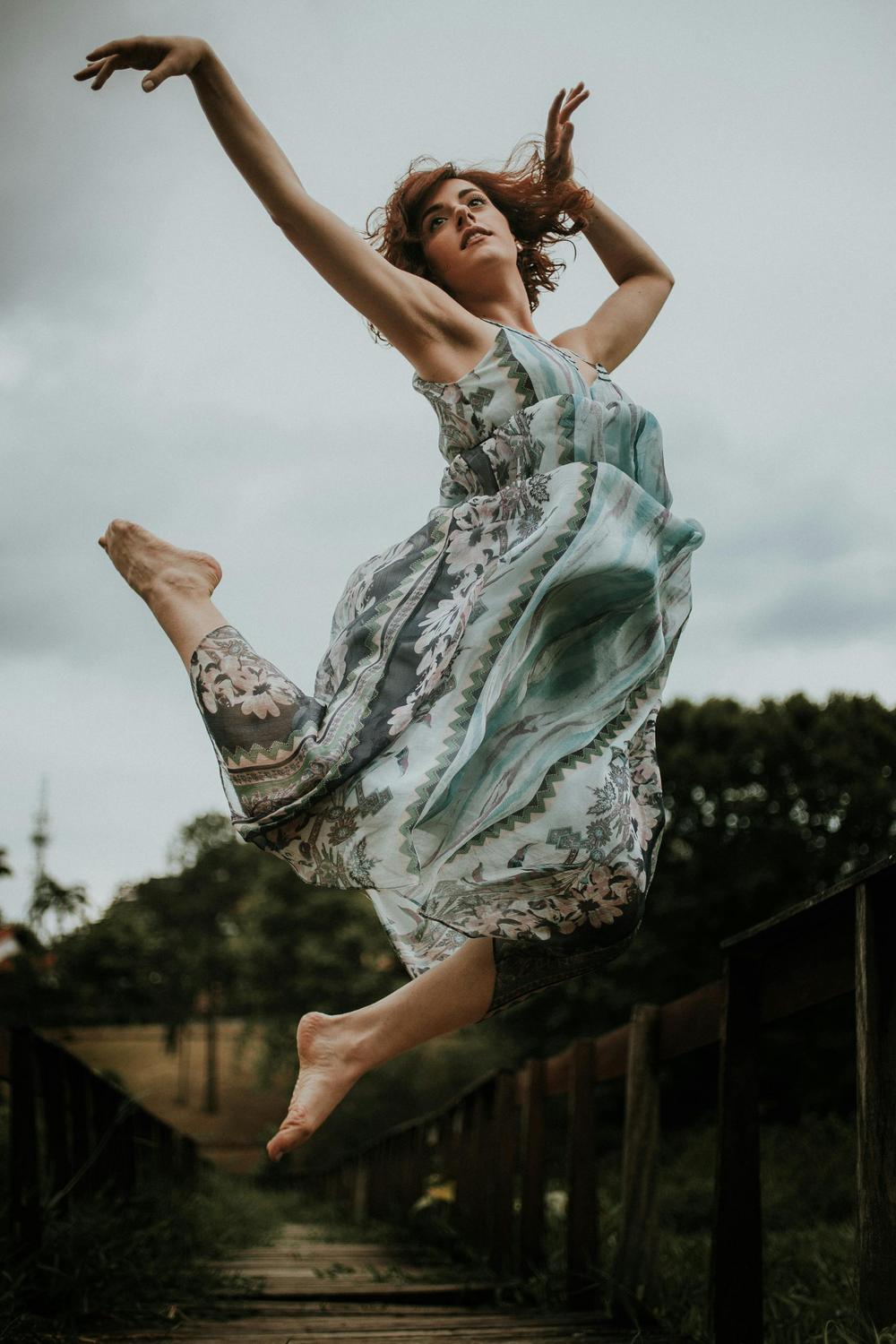
Ecstatic dance represents a spontaneous, non-verbal movement practice where participants move freely without predetermined choreography, steps, or technique. This free-form movement meditation grounds itself in mindfulness principles whilst engaging the entire body in active expression. Rather than following an instructor’s movements, participants allow music, internal impulses, and somatic awareness to guide their experience, creating what researchers describe as “authentic embodied expression.”
The practice operates on three foundational principles that distinguish it from conventional dance forms. First, participants dance barefoot, establishing physical connection with the earth and enhancing proprioceptive awareness. Second, verbal communication ceases within the dance space—body language replaces spoken words, allowing non-verbal emotional processing to emerge. Third, the environment maintains strict boundaries against external substances, judgement, and observation, creating what practitioners describe as a “sacred container” for authentic self-expression.
The musical journey typically follows a wave-form progression, beginning with slow, grounding rhythms that gradually build in intensity before reaching peak energy, then descending into integration and stillness. This deliberate arc mirrors natural emotional cycles and supports what neuroscientists identify as parasympathetic nervous system activation—the body’s rest-and-digest state that counteracts chronic stress responses.
Historical roots of ecstatic dance extend through centuries, from ancient Greek rituals and Sufi whirling dervishes to indigenous shamanistic practices. The contemporary form emerged in the 1970s when dancer Gabrielle Roth developed her 5Rhythms methodology at California’s Esalen Institute, synthesising ancient practices with modern psychological understanding. Today, ecstatic dance communities flourish across Australia, offering regular gatherings in capital cities and regional centres alike.
How Does Ecstatic Dance Support Psychological and Emotional Wellbeing?
The psychological benefits of ecstatic dance and free-form movement meditation extend far beyond temporary mood elevation, demonstrating measurable impacts on mental health conditions that affect millions of Australians. A comprehensive 2021 study from UCLA Health surveyed nearly 1,000 conscious dancers globally, revealing that 98% reported improved mood following regular practice. Among participants managing mental health conditions, 96% experiencing depression and 96% managing anxiety reported therapeutic benefit.
These outcomes emerge through multiple neurobiological mechanisms. Physical movement triggers endorphin release—the body’s natural compounds that elevate mood and reduce pain perception. Simultaneously, the practice activates vagal tone, enhancing parasympathetic nervous system regulation and reducing cortisol, the body’s primary stress hormone. Regular ecstatic dance over at least eight weeks has been shown to reduce cortisol levels, improve blood pressure, and enhance heart rate variability.
Perhaps most significantly, free-form movement meditation facilitates “emotional catharsis”—the release of pent-up emotions that prove difficult to articulate verbally. In its non-judgmental environment, participants access authentic feelings and move through them somatically rather than analysing them cognitively. This body-based approach is particularly valuable in trauma recovery, where stored experiences in the nervous system require somatic processing rather than solely cognitive intervention.
What Physical Health Benefits Does Movement Meditation Provide?
While ecstatic dance primarily attracts participants seeking psychological and emotional benefits, the physical health advantages are equally substantial. This free-form movement meditation acts as sustained cardiovascular activity, improving heart health, stamina, and overall fitness. Unlike structured aerobic classes, ecstatic dance centres on intrinsic motivation rather than external instruction, often leading to longer, more consistent sessions.
Regular participation enhances flexibility, balance, and coordination through varied, spontaneous movements that engage multiple muscle groups simultaneously. Dancing barefoot strengthens foot musculature and improves proprioception—the body’s spatial awareness. Studies demonstrate that dance can increase brain volume in regions such as the hippocampus, sensorimotor cortex, and corpus callosum, supporting both physical coordination and cognitive function.
For those managing chronic pain, ecstatic dance offers a unique approach that shifts one’s relationship with discomfort through mind-body integration. Research indicates significant benefits in pain management, improved sleep quality, and overall enhanced physical wellbeing, making it a multifaceted practice.
Can Ecstatic Dance Help Build Community and Social Connection?
In an era where social isolation affects many Australians, the communal aspects of ecstatic dance are particularly compelling. Occurring in group settings, this free-form movement meditation fosters deep social bonds. The shared non-judgmental movement creates what researchers call “collective effervescence”—a synchronised emotional state that emerges from meaningful group participation.
Without the pressure of conversation or performance, participants often connect on a deeper, more authentic level. The practice also stimulates mirror neuron activation, enhancing empathy and emotional attunement among dancers. Many report that the confidence and social ease developed during ecstatic dance translate into everyday interactions, offering a powerful antidote to social anxiety.

What Does the Scientific Evidence Tell Us About Dance Movement Therapy?
Research into dance movement therapy (DMT) provides robust support for ecstatic dance. A 2019 meta-analysis in Frontiers in Psychology, which synthesised 41 controlled intervention studies, reported a medium overall effect size (d=0.60) across wellbeing outcomes. These findings, comparable to established therapeutic interventions, underscore the practice’s multi-dimensional benefits.
Studies have highlighted improvements across outcome domains such as quality of life, mood, interpersonal skills, cognitive function, and motor skills. Notably, the large effect size observed for interpersonal skills suggests unique advantages in fostering social connection and empathy.
Follow-up studies indicate that many benefits not only persist but may even increase after the active intervention period. Neurobiological research further illuminates these effects, showing increased serotonin levels, modulated dopamine, and enhanced activation of brain networks related to body awareness and regulation.
How Can You Incorporate Ecstatic Dance Into a Holistic Wellness Approach?
Integrating ecstatic dance into your wellness regimen involves recognising its complementary role alongside other practices. Unlike yoga or seated meditation, free-form movement meditation welcomes all bodies and abilities, requiring no prior dance experience or specific fitness level. This inclusivity allows the practice to adapt to the needs of individuals at any stage of their wellness journey.
Most practitioners attend weekly community sessions, which offer the dual benefits of structured support and collective energy. Supplementing group sessions with individual practice can further deepen one’s embodied awareness and emotional expression. For those managing chronic conditions, ecstatic dance provides a gentle, body-positive way to build physical resilience while addressing emotional and social wellbeing.
Safety remains paramount; individuals with specific health concerns are encouraged to consult healthcare providers before beginning any new physical practice. Facilitators with proper training and credentials can tailor sessions to ensure a safe and supportive environment.
Moving Forward: Embodied Wellness as a Way of Life
The evidence supporting ecstatic dance and free-form movement meditation extends far beyond momentary mood enhancement. Validated by contemporary research, this ancient practice offers profound psychological healing, enhanced social connection, improved physical health, and deepened self-awareness. By integrating body, mind, emotion, and spirit, ecstatic dance presents a holistic approach that resonates with modern wellness needs.
For Australians navigating modern life—juggling professional demands, chronic stress, and digital isolation—ecstatic dance is an invitation to return to the body, embrace joy, and foster genuine community. It reminds us that true healing is a dynamic, embodied process, where movement becomes a language of its own.
Looking to discuss your health options? Speak to us and see if you’re eligible today.
Is ecstatic dance suitable for beginners with no dance experience?
Absolutely. Ecstatic dance and free-form movement meditation require no prior dance training, choreography knowledge, or particular skill level. Unlike structured dance classes where participants follow specific steps, the practice invites spontaneous, authentic movement guided by internal impulses. The non-judgmental environment and emphasis on personal expression help beginners quickly overcome any initial self-consciousness.
How often should someone practise ecstatic dance to experience benefits?
Research suggests that regular practice over at least eight weeks yields measurable benefits, especially in reducing stress and improving mood. Most practitioners attend weekly community sessions, which offer a consistent practice rhythm and the added benefits of social connection and collective energy.
What should I expect at my first ecstatic dance session?
A typical session in Australia lasts about two hours. It begins with a brief welcome and an outline of ground rules (such as no shoes, no talking, and no phones), followed by a musical journey that starts with slow, grounding rhythms, builds to a peak, and then winds down into a period of integration and stillness. Most first-timers quickly find that any initial self-consciousness dissipates as they immerse themselves in the experience.
Can ecstatic dance help with chronic stress and anxiety?
Yes. Ecstatic dance has been shown to reduce cortisol levels, activate the parasympathetic nervous system, and release endorphins, all of which contribute to stress reduction and improved mood. While it offers significant benefits, it is best used as a complementary practice alongside other treatments for clinical anxiety or chronic stress.
Is ecstatic dance appropriate for older adults or those with mobility limitations?
Absolutely. The free-form nature of ecstatic dance means that it can be adapted for all ages and abilities. Modifications, such as dancing while seated or using support, make the practice accessible to those with mobility limitations, while still offering benefits like improved balance, cognitive function, and social connection.