
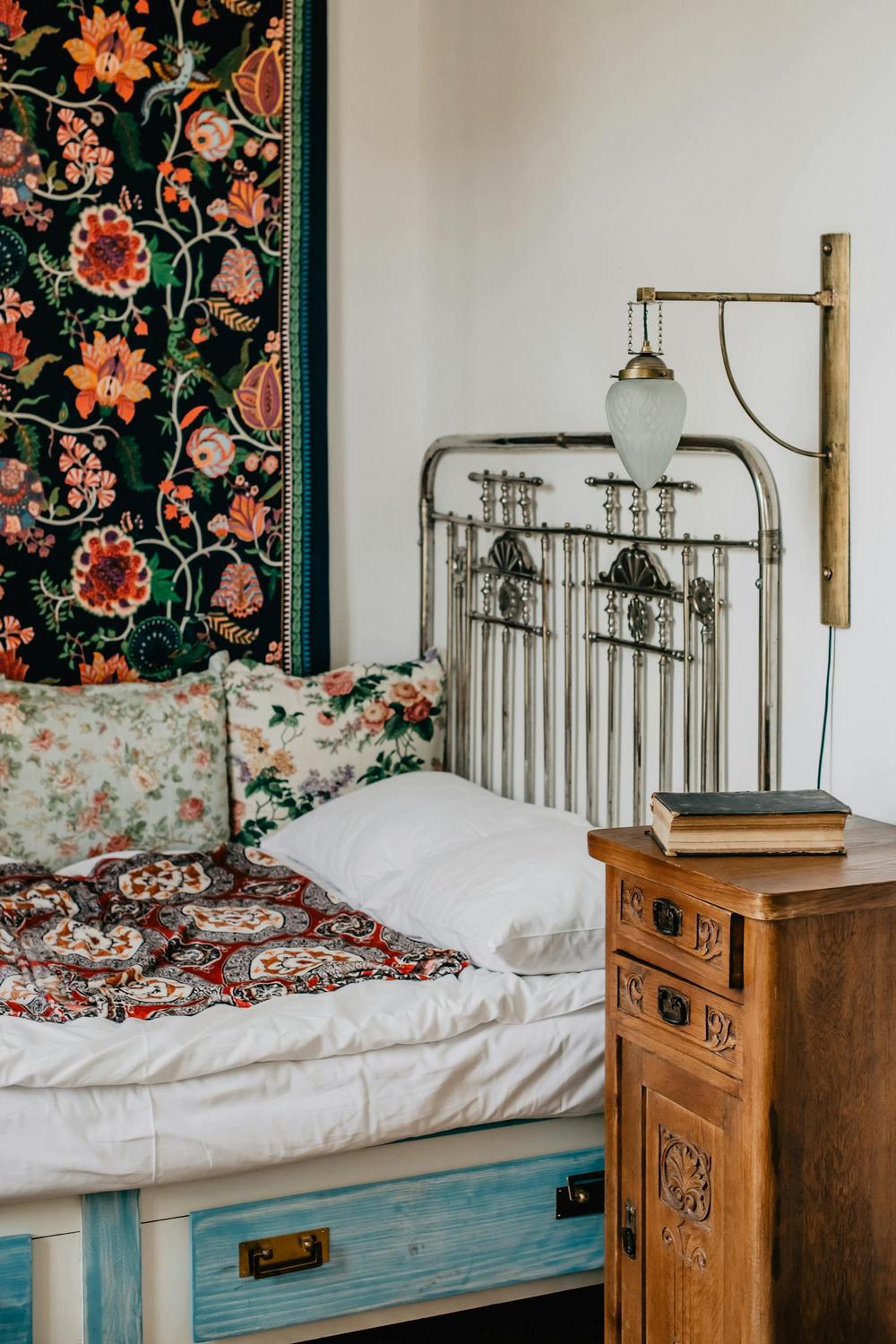
The relentless pursuit of eight consecutive hours of sleep has become a modern obsession, yet this consolidation of slumber represents a relatively recent development in human history. For thousands of years, our ancestors navigated the night differently—rising naturally after several hours of rest, engaging in quiet contemplation or conversation, then returning to bed for a second sleep period. This bifurcated approach, known as segmented sleep, dominated human existence until the Industrial Revolution fundamentally restructured how we perceive and practice nocturnal rest.
What Was Segmented Sleep in Historical Societies?
Segmented sleep, also referred to as biphasic, bimodal, or bifurcated sleep, describes the practice of dividing nocturnal rest into two distinct periods separated by an interval of wakefulness lasting approximately one to three hours. This pattern dominated pre-industrial societies across continents and cultures, with historical documentation spanning from ancient Greece through the nineteenth century.
Historian A. Roger Ekirch of Virginia Tech uncovered over 2,000 references to segmented sleep patterns whilst researching pre-industrial life, discovering more than 500 specific historical sources documenting this practice. These references appeared in court records, personal diaries, medical texts, literary works, prayer books, and travel accounts written in English, Italian, French, and Latin. The terminology itself—”first sleep” and “second sleep”—appeared so frequently in historical documents that writers required no explanation for their readers, suggesting universal familiarity with the practice.
The geographical breadth of segmented sleep documentation proves remarkable. References emerged from Western Europe, the Middle East, West Africa, South America, South Asia, Southeast Asia, and Australia. Ancient texts including Homer’s Odyssey (800 BC) and Virgil’s Aeneid (1st century BC) contain allusions to this sleep structure, whilst medieval and early modern European documents provide extensive detail about the practice.
The waking interval between sleep periods, sometimes called “the watch,” served diverse purposes. Historical records document individuals engaging in prayer and meditation, tending household fires, visiting neighbours, reading, writing, intimate conversation, and attending to family members. This wakeful period held particular significance in religious contexts, with Christian monks rising for midnight prayers known as “matins” and “lauds.”

How Did Pre-Industrial Populations Structure Their Segmented Sleep Patterns?
The typical segmented sleep schedule followed natural light cycles rather than artificial timekeeping. Households retired to bed shortly after sunset, typically between 8 and 9 PM, when diminishing natural light made productive activity difficult and expensive candles or oil lamps became necessary for illumination.
The first sleep period generally lasted three to four hours, with individuals naturally awakening around midnight or in the early morning hours. This initial awakening wasn’t considered problematic or indicative of sleep disturbance; rather, it represented an expected and culturally normalised phenomenon. The subsequent waking interval extended one to three hours, during which household members engaged in various quiet activities before returning to bed for the second sleep.
The second sleep period also spanned approximately three to four hours, with final awakening occurring at dawn or shortly before sunrise. Total sleep duration ranged from six to eight hours across the 24-hour cycle, though seasonal variations influenced these patterns significantly.
| Sleep Pattern Component | Pre-Industrial Schedule | Modern Consolidated Sleep |
|---|---|---|
| Bedtime | 8-9 PM (sunset) | 10 PM – midnight |
| First/Main Sleep Duration | 3-4 hours | 6-8 hours (continuous) |
| Waking Interval | 1-3 hours (midnight) | None (ideal) |
| Second Sleep Duration | 3-4 hours | N/A |
| Wake Time | Dawn/sunrise | 6-8 AM (alarm-driven) |
| Total Sleep Duration | 6-8 hours | 6-8 hours |
| Sleep Timing Driver | Natural light cycles | Work schedules |
Seasonal variations influenced sleep duration and timing considerably. Winter nights naturally accommodated longer sleep periods, with total rest extending approximately 53 to 56 minutes beyond summer schedules. Summer bedtimes occurred later due to extended daylight, whilst winter darkness encouraged earlier retirement. However, research into contemporary pre-industrial societies challenges assumptions about sleep timing, revealing complexity in ancestral patterns.
A 2015 study by UCLA researchers examined three pre-industrial societies—the Hadza in Tanzania, San in Namibia, and Tsimané in Bolivia—revealing that sleep onset occurred an average of 3.3 hours after sunset, not immediately following darkness. These populations averaged 5.7 to 7.1 hours of sleep per night, with sleep coinciding with falling ambient temperature rather than sunset itself. Interestingly, researchers observed minimal extended waking periods during the night, suggesting that monophasic sleep may have been more prevalent in some ancestral contexts than previously assumed.
Why Did Historical Populations Practice Segmented Sleep?
The prevalence of segmented sleep across diverse cultures and centuries suggests multiple converging factors rather than a single cause. Environmental, biological, and cultural elements intertwined to create conditions favouring bifurcated rest patterns.
Environmental constraints played a foundational role. Before widespread artificial lighting, households depended entirely on natural light for productive activity. Candles and oil lamps represented significant expenses that most families could not afford for extended periods. Retiring to bed shortly after sunset became economically sensible, yet doing so created sleep periods extending far beyond biological sleep needs, particularly during winter’s lengthy darkness.
Temperature cycles may have influenced sleep timing more than previously recognised. Research indicates that pre-industrial societies’ sleep onset aligned with falling nighttime temperatures, supporting metabolic efficiency and energy conservation. This environmental synchronisation suggests that segmented sleep potentially reflected adaptive responses to thermal conditions rather than purely cultural practices.
Biological mechanisms provide compelling support for segmented sleep’s naturalness. Thomas Wehr’s groundbreaking 1992 research at the National Institute of Mental Health confined seven healthy subjects to darkness for 14 hours daily for one month. Initially, participants slept extended hours to recover from sleep debt, but subsequently developed a consistent biphasic pattern: approximately four hours of first sleep, two to three hours of quiet wakefulness, then four hours of second sleep.
This experimental finding suggests that when artificial light’s influence disappears, humans may naturally gravitate toward bifurcated sleep patterns. Polysomnographic evidence indicates that humans typically awaken at the conclusion of REM sleep cycles, which occur approximately every 90 minutes. The natural awakening following the fourth or fifth REM cycle aligns with the historical first sleep duration.
Cultural and social factors reinforced segmented sleep patterns once established. Religious institutions, particularly in Christian Europe, structured nocturnal prayers around midnight awakenings, with church bells marking the hours throughout the night. These auditory cues normalised and reinforced waking intervals, transforming biological tendencies into cultural expectations.
The waking interval held particular significance for intimate relationships and social bonding. Historical documents note that the period between sleeps represented a favoured time for quiet conversation between spouses and intimate relations. For labourers and working-class families, this interval provided rare opportunities for unhurried connection separate from daytime responsibilities.
When and Why Did Segmented Sleep Disappear from Modern Society?
The transformation from segmented to consolidated sleep occurred remarkably rapidly during the late eighteenth and nineteenth centuries, driven by technological innovation, economic restructuring, and cultural attitude shifts. This transition represents one of the most profound alterations in human daily experience, yet occurred within merely two or three generations.
Artificial lighting served as the primary catalyst for change. Gas lamps illuminated London streets by 1807 and Paris by 1820, fundamentally altering the relationship between darkness and activity. As gas lighting expanded into factories, workplaces, and eventually homes, the economic and practical necessity of retiring at sunset evaporated. By the late 1800s, electric lighting became increasingly commonplace, further extending productive hours beyond natural daylight.
Street lighting transformed urban culture, enabling nighttime entertainment, socialising, and commerce. Theatres, opera houses, and social clubs flourished in lamp-lit cities, creating new cultural expectations about wakefulness during evening hours. The wealthy and middle classes gradually extended their waking hours later into the night, compressing or eliminating the first sleep period.
Industrial work schedules demanded rigid conformity incompatible with segmented sleep patterns. Factory systems required workers to report at fixed times and maintain productivity for continuous shifts, often extending 10 to 14 hours daily, six days weekly. Exhausted labourers returning home possessed neither time nor energy for maintaining traditional sleep patterns. Moreover, no economic incentive existed for employers to accommodate flexible sleep schedules or shorter work days.
The temporal discipline demanded by industrial capitalism fundamentally conflicted with the fluid, darkness-oriented rhythms of agricultural life. Punctuality and time optimisation became moral virtues, whilst sleeping patterns not aligned with maximum productivity faced criticism.
Cultural attitudes toward sleep underwent dramatic transformation. By the mid-nineteenth century, medical authorities and social commentators increasingly portrayed segmented sleep as inefficient or pathological. An 1829 article in Philadelphia’s Journal of Health suggested that second sleep indicated “intemperance.” Parents received instruction to shape children into “early risers” aligned with industrial schedules rather than natural sleep inclinations.
Sleep became conceptualised as a “necessary evil” to be minimised and consolidated into the briefest efficient interval. The waking period between sleeps, once regarded as natural and valuable, became interpreted as sleep disturbance requiring correction. By the late 1800s, continuous eight-hour sleep emerged as the cultural ideal, though complete adoption varied by social class and geography.
Upper classes, possessing greater flexibility and resources, maintained segmented patterns longer than working populations. Rural areas transitioned more slowly than urban centres, where factory work and artificial lighting concentrated their influence. Some individuals, including writer William Dean Howells and philosopher William James, maintained biphasic sleep patterns into the early twentieth century, though they increasingly represented exceptions rather than the norm.

What Does Historical Segmented Sleep Reveal About Contemporary Sleep Challenges?
Understanding segmented sleep’s historical prevalence offers profound implications for interpreting modern sleep difficulties and challenging contemporary assumptions about “normal” rest patterns. The diagnosis of “middle-of-the-night insomnia”—waking after several hours of sleep and remaining awake for extended periods—may reflect ancestral sleep architecture rather than pathology.
Many individuals experiencing nocturnal awakenings report significant anxiety about their inability to maintain continuous sleep, often lying in bed frustrated whilst attempting to force themselves back to sleep. This anxiety itself frequently exacerbates sleep difficulties, creating a self-reinforcing cycle of wakefulness and distress. Yet historical evidence suggests that these awakenings potentially represent natural biological patterns suppressed by modern lighting and work schedules.
Sleep specialists increasingly recognise that the psychological response to waking—the anxiety, frustration, and perceived failure—may prove more problematic than the waking itself. Patients who learn about segmented sleep’s historical prevalence often report relief and reduced anxiety, sometimes finding that acceptance of nocturnal wakefulness paradoxically improves their overall sleep quality.
The consolidation of sleep into a single eight-hour block represents an evolutionarily recent innovation, implemented within a timeframe far too brief for biological adaptation. Modern humans possess circadian systems and sleep architecture evolved over millions of years, yet we’ve imposed radically altered sleep patterns within merely 150 years. This mismatch potentially contributes to widespread sleep difficulties plaguing contemporary populations.
Contemporary research reveals that approximately one-third of adults in industrialised nations report insufficient sleep, with many regularly obtaining less than six hours nightly. Chronic sleep deprivation links to cardiovascular disease, metabolic disorders, mood disturbances, cognitive decline, and immune dysfunction. However, the definition of “sufficient” sleep remains culturally constructed around the eight-hour consolidated ideal, potentially mischaracterising natural variation as deficiency.
The question of whether humans should deliberately adopt segmented sleep patterns remains complex and individualised. Whilst historical prevalence suggests biological compatibility with bifurcated rest, modern lifestyle demands—rigid work schedules, family responsibilities, social expectations—create practical obstacles to implementing segmented sleep. Moreover, the Siegel study of contemporary pre-industrial societies suggests that ancestral sleep patterns may have been more variable than Ekirch’s historical documentation implies.
For individuals struggling with middle-of-the-night wakefulness, reframing these episodes as potentially natural rather than pathological may reduce anxiety and improve overall wellbeing. Rather than fighting against nocturnal awakenings, some people find that accepting and utilising these periods for quiet reflection, reading, or meditation transforms frustration into peaceful contemplation.
The historical perspective on segmented sleep ultimately challenges rigid prescriptions about “correct” sleep patterns whilst highlighting sleep’s cultural construction. What modern society defines as insomnia may partly reflect the imposition of consolidated sleep patterns incompatible with some individuals’ circadian biology. Understanding this history empowers people to develop personalised approaches to rest that honour both biological inclinations and practical constraints.
Reimagining Sleep in Contemporary Context
The historical reality of segmented sleep patterns invites a fundamental reconsideration of contemporary sleep norms and the pathologisation of variation. For millennia, humans navigated the night with flexibility and acceptance of nocturnal wakefulness, treating these intervals as valuable rather than problematic. The Industrial Revolution’s consolidation of sleep served economic and technological imperatives rather than biological ones, creating a system optimised for factory efficiency rather than human flourishing.
Modern sleep science increasingly recognises individual variation in chronotypes, sleep needs, and optimal rest patterns. Whilst the eight-hour consolidated sleep model serves many people adequately, others naturally gravitate toward different structures. Acknowledging historical alternatives legitimises experimentation with personalised sleep approaches adapted to individual circumstances and inclinations.
The segmented sleep narrative also illuminates how cultural practices become naturalised and alternative patterns stigmatised. What one era considers normal, another may pathologise. This historical awareness encourages critical examination of contemporary sleep advice, distinguishing evidence-based recommendations from culturally specific prescriptions masquerading as universal truths.
For healthcare practitioners and individuals seeking to optimise rest, historical sleep patterns offer valuable perspective. Rather than enforcing rigid adherence to consolidated eight-hour schedules, acknowledging diverse approaches to sleep may reduce anxiety and improve outcomes. The goal becomes supporting quality rest aligned with individual biology and circumstances, rather than conforming to industrially-derived norms.
Looking to discuss your health options? Speak to us and see if you’re eligible today.
Is segmented sleep healthier than consolidated sleep?
Current research provides no definitive answer regarding whether segmented sleep offers superior health outcomes compared to consolidated sleep. Historical prevalence suggests biological compatibility with bifurcated rest patterns, and some individuals report improved wellbeing when adopting segmented schedules. However, modern studies lack sufficient long-term data comparing health outcomes between sleep patterns. Sleep quality, consistency, and total duration appear more significant than whether rest occurs in one or two periods. Individual variation in circadian biology means optimal patterns differ between people.
Can deliberately practising segmented sleep improve middle-of-the-night insomnia?
Reframing nocturnal awakenings as potentially natural rather than pathological can reduce anxiety for some individuals experiencing middle-of-the-night wakefulness. The psychological response to waking—frustration, worry, and attempts to force sleep—often exacerbates difficulties more than the waking itself. Understanding segmented sleep’s historical normalcy may help individuals accept nocturnal wakefulness without distress. However, persistent sleep difficulties warrant professional evaluation, as they may indicate underlying conditions requiring specific interventions beyond pattern adjustment.
Did all pre-industrial societies practise segmented sleep patterns?
Evidence suggests widespread but not universal adoption of segmented sleep in pre-industrial societies. Ekirch’s research documented references across Europe, Africa, Asia, and the Americas, indicating broad geographic distribution. However, the 2015 study of contemporary pre-industrial societies found primarily monophasic sleep patterns, suggesting greater variation in ancestral practices than historical documents alone might indicate. Seasonal variations, latitude, cultural practices, and environmental conditions likely influenced whether specific populations adopted segmented or consolidated sleep. The historical record indicates segmented sleep was common but not necessarily universal.
When exactly did societies transition from segmented to consolidated sleep?
The transition from segmented to consolidated sleep occurred gradually throughout the nineteenth century, with variations by geography, social class, and urbanisation. Urban centres with gas lighting and factory systems transitioned earlier than rural agricultural areas. Upper classes maintained flexibility longer than working-class populations forced into rigid industrial schedules. By the late 1800s, consolidated sleep became broadly normalised in industrialised societies, though some individuals maintained biphasic patterns into the early twentieth century. Complete transition spanned approximately 1780 to 1920, with most change concentrated between 1820 and 1880.
Does understanding historical sleep patterns have practical applications today?
Historical sleep pattern knowledge offers several contemporary applications. For individuals experiencing middle-of-the-night wakefulness, understanding segmented sleep’s historical prevalence can reduce anxiety and reframe experiences as potentially natural rather than pathological. Healthcare practitioners can use this context when addressing patients’ sleep concerns, potentially reducing unnecessary interventions for normal variations. More broadly, historical perspective challenges rigid cultural prescriptions about “correct” sleep, encouraging personalised approaches that honour individual biology whilst accommodating modern practical constraints.