
The minutes spent lying awake, watching shadows shift across the ceiling whilst your mind races through tomorrow’s obligations — this nocturnal struggle affects nearly 60% of Australian adults on a regular basis. The time it takes to transition from wakefulness to sleep, known as sleep latency, represents far more than mere inconvenience. It serves as a critical window into our overall sleep health, revealing hidden patterns of sleep debt, circadian misalignment, and the complex interplay between our biology and lifestyle choices.
Sleep latency, or sleep onset latency, measures the duration from the moment lights go out to the onset of actual sleep, as determined by specific brain wave patterns. In Australia, where 14.8% of the population meets clinical criteria for insomnia disorder and sleep-related problems cost the economy over $51 billion annually, understanding this fundamental aspect of sleep architecture has never been more crucial.

What Constitutes Normal Sleep Latency and Why Does It Matter?
Normal sleep latency in healthy adults ranges between 10 and 20 minutes, with recent meta-analysis of 110 healthy adult cohorts establishing an average of 11.7 to 11.8 minutes. This seemingly modest timeframe represents the optimal balance between the body’s sleep drive and wakeful awareness.
The measurement of sleep latency extends beyond mere academic curiosity. During diagnostic sleep studies, if an individual fails to fall asleep within 20 minutes, the observation period concludes and latency records as 20 minutes — establishing this as the upper threshold of normal sleep onset.
Deviations from this range signal important physiological states. Sleep latency under 8 minutes indicates excessive daytime sleepiness and potential sleep disorders, whilst latency consistently exceeding 30 minutes suggests difficulties with sleep initiation that warrant attention.
Sleep Latency Classification Table
| Time to Fall Asleep | Classification | Clinical Significance |
|---|---|---|
| 0-5 minutes | Severe sleepiness | Indicates significant sleep deprivation |
| 5-10 minutes | Troublesome sleepiness | Suggests accumulated sleep debt |
| 10-15 minutes | Manageable | Minor sleep debt present |
| 15-20 minutes | Normal/optimal | Little to no sleep debt |
| Greater than 30 minutes | Prolonged latency | May indicate insomnia or sleep difficulties |
The significance of sleep latency extends to its relationship with sleep efficiency — the percentage of time actually spent sleeping whilst in bed. Target sleep efficiency sits at 85% or higher, and prolonged sleep latency directly undermines this metric. Furthermore, extended time to fall asleep delays entry into the first sleep cycle, potentially preventing completion of the full 90 to 120-minute sleep architecture when total time in bed remains limited.
How Do Circadian Rhythm and Sleep Pressure Influence Sleep Onset?
Sleep latency operates under the governance of two fundamental biological processes that work in concert to regulate when and how quickly we fall asleep. The Two-Process Model of Sleep Regulation provides the scientific framework for understanding these mechanisms.
Process C, the circadian process, functions independently of how long we’ve been awake. Governed by the suprachiasmatic nucleus in the hypothalamus, this internal timekeeper aligns our sleep propensity with environmental light-dark cycles. The timing of dim-light melatonin onset — when the body naturally begins releasing this hormone in response to darkness — plays a pivotal role in sleep readiness.
Process S, the homeostatic sleep drive, represents the accumulating pressure to sleep that builds with each waking hour. Adenosine, a biochemical byproduct of cellular energy metabolism, gradually accumulates in the brain throughout the day, generating an increasing urge for rest. This pressure dissipates during sleep, resetting for the next wake period.
The critical insight emerges in understanding their interaction: neither process alone suffices to produce optimal sleep latency. Research demonstrates that attempting sleep when circadian timing signals wakefulness — regardless of how tired one feels — results in significantly prolonged sleep onset. Specifically, individuals with phase angles exceeding three hours between melatonin onset and sleep attempt experience sleep latencies 43 minutes longer than those with properly aligned timing.
This explains why early bedtimes, despite seeming sensible when exhausted, often backfire. The homeostatic drive may be present, but if the circadian system hasn’t signalled sleep readiness, prolonged latency inevitably follows.
What Factors Beyond Biology Affect How Quickly We Fall Asleep?
Whilst circadian and homeostatic processes establish the biological foundation for sleep onset, numerous modifiable factors exert substantial influence over sleep latency in practical, daily life.
Psychological and Cognitive Factors
Cognitive arousal stands as one of the most significant impediments to sleep initiation. Australian data reveals that 35% of women and 25% of men report being overwhelmed by thoughts when attempting sleep. The correlation between intrusive thoughts and extended sleep latency (r = 0.35) demonstrates this isn’t merely subjective discomfort but a measurable physiological phenomenon.
Stress and anxiety trigger sustained sympathetic nervous system activation, elevating heart rate, cortisol levels, body temperature, and metabolic rate — all incompatible with the parasympathetic dominance required for sleep onset. Notably, 53% of Australians cite stress and anxiety as primary causes of sleep struggles, with financial worries (42%) and family concerns (36%) following closely.
Environmental Architecture
The sleep environment exerts influence through multiple sensory channels. Temperature proves particularly critical, with the optimal range sitting between 16-19°C. Excessive heat or cold forces the body to divert resources toward thermoregulation, delaying sleep onset.
Light exposure, especially in the blue wavelength spectrum emitted by electronic screens, suppresses natural melatonin production. The “first night effect” — difficulty sleeping in unfamiliar environments — demonstrates how powerfully context shapes sleep latency, even when other variables remain constant.
Lifestyle and Temporal Patterns
The timing and nature of daily activities cascade into evening sleep quality. Physical activity presents a temporal paradox: regular exercise earlier in the day consolidates sleep and reduces latency, yet vigorous activity within 2 to 3 hours of bedtime elevates core body temperature and arousal, producing the opposite effect.
Perhaps most counterintuitively, daytime napping — despite appearing restorative — reduces nighttime homeostatic sleep pressure. Naps exceeding 20 minutes or occurring too late in the day can substantially increase evening sleep latency by dissipating the accumulated sleep drive needed for rapid sleep onset.
How Does Age Influence Sleep Latency Across the Lifespan?
Sleep latency demonstrates a clear age-related trajectory, increasing by approximately 1.1 minutes per decade. Younger Australians aged 18-24 report a 32% prevalence of difficulty falling asleep, compared with 25% in those aged 65 and older — seemingly contradictory given that older adults actually take longer to fall asleep when measured objectively.
This apparent paradox resolves when examining the nature of age-related sleep changes. Older adults more commonly experience sleep maintenance difficulties — waking during the night or too early — rather than prolonged sleep onset. Their sleep architecture shifts toward lighter, more fragmented patterns, even though total sleep need remains consistent with younger adulthood.
The ageing process brings subtle but significant alterations to circadian rhythms, typically advancing the sleep-wake cycle. Many older individuals consequently feel sleepy earlier in the evening. However, reduced daytime activity demands and work obligations often lead to excessive time spent in bed, paradoxically increasing sleep latency by reducing homeostatic sleep pressure.
Women demonstrate notably higher rates of sleep concerns across age groups. Significantly more women (31%) than men (21%) report frequently worrying about sleep quality, and 47% of Australians aged 65 and over report waking overnight or early, compared with just 22% of young adults.
What Evidence-Based Approaches Can Optimise Sleep Latency?
The management of sleep latency difficulties demands a systematic, multi-faceted approach grounded in sleep science rather than folk wisdom or pharmaceutical dependence.
Cognitive Behavioural Therapy for Insomnia (CBT-I)
CBT-I represents the gold standard intervention, demonstrating superior long-term outcomes compared to other approaches. This structured programme typically spans 4 to 10 sessions and addresses sleep difficulties through five core components:
Sleep restriction matches time in bed to actual sleep duration (minimum 5 hours), gradually increasing as sleep consolidates. This technique strengthens homeostatic sleep drive and increases sleep efficiency, targeting the 85% threshold.
Stimulus control re-establishes the psychological association between bed and sleep by limiting bedroom activities exclusively to sleep and intimacy. This classical conditioning approach proves particularly effective for those who’ve developed anxious associations with their sleeping environment.
Relaxation techniques address the physiological hyperarousal that prevents sleep onset, incorporating progressive muscle relaxation, diaphragmatic breathing, and mindfulness practices.
Network meta-analysis comparing digital therapeutic interventions demonstrates meaningful improvements in insomnia severity, sleep efficiency, and subjective sleep quality, offering accessible alternatives when face-to-face therapy proves unavailable.
Circadian Optimisation Strategies
Morning bright light exposure of 2,500 to 10,000 lux for 20 to 30 minutes can advance delayed circadian rhythms, particularly beneficial for those struggling with evening wakefulness. Conversely, minimising evening light exposure — especially blue wavelengths from screens — for 1 to 2 hours before bedtime preserves natural melatonin production.
Maintaining consistent sleep-wake times, even on weekends, stabilises circadian rhythms and optimises the timing of natural sleep pressure. This regularity proves more influential than most individuals anticipate.
Environmental and Behavioural Modifications
Creating a pre-sleep “buffer zone” of 30 to 60 minutes free from problem-solving, planning, and screen time allows cognitive arousal to dissipate naturally. This transitional period might incorporate warm baths (the subsequent cooling promotes sleep), light reading, or calming music.
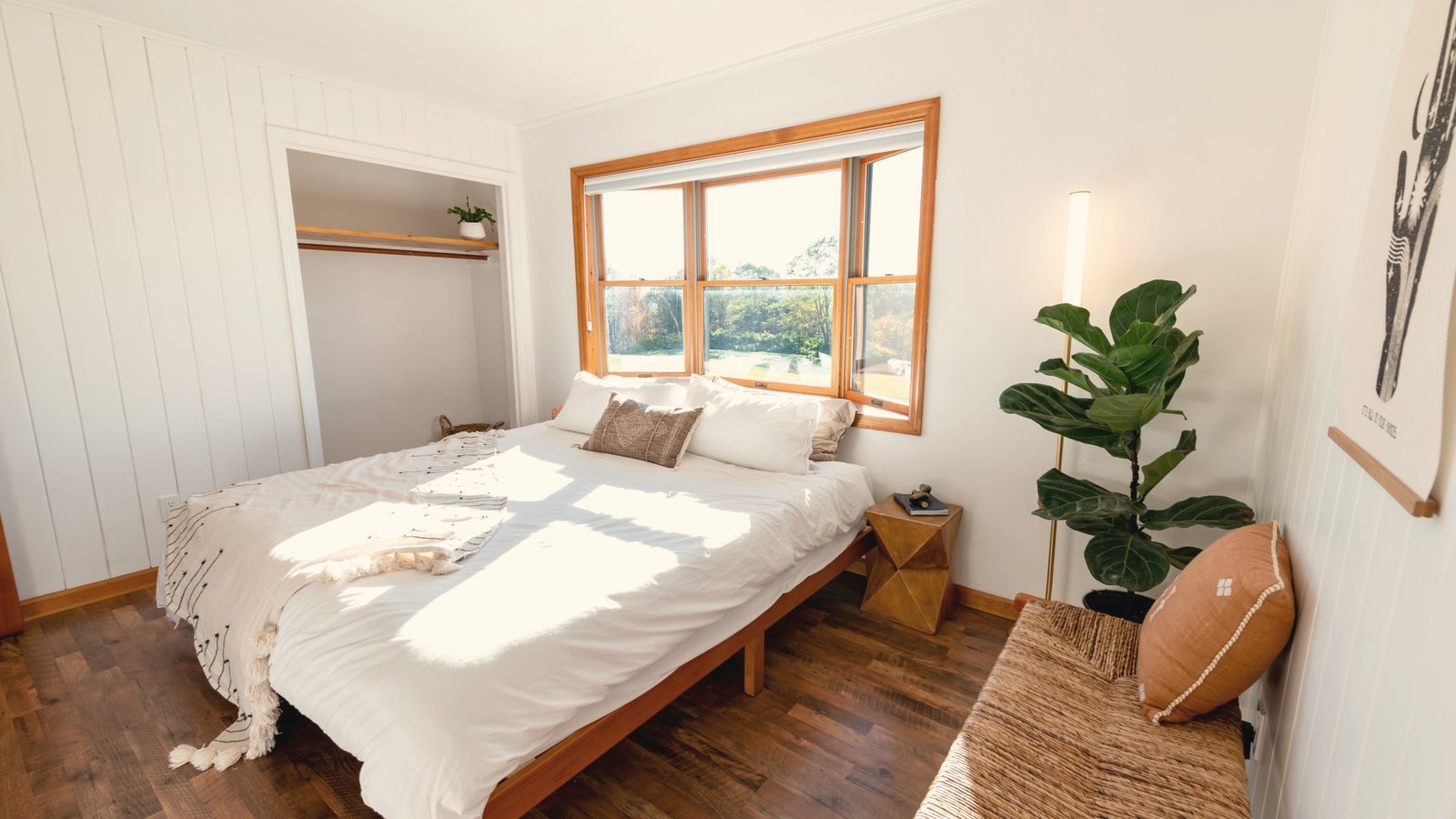
The bedroom itself requires optimisation: cool temperatures (16-19°C), darkness facilitated by blackout curtains, and minimised noise through white noise machines or earplugs when necessary. Importantly, the bedroom should remain free from known stressors and work materials.
Strategic Lifestyle Adjustments
Regular physical activity, scheduled earlier in the day, consolidates sleep architecture and strengthens homeostatic drive. Simultaneously, morning sunlight exposure during outdoor exercise provides the dual benefit of circadian advancement and increased daytime wakefulness.
Dietary timing influences sleep latency through multiple mechanisms. Consuming lighter evening meals 2 to 3 hours before bedtime contributes to improved sleep onset.
The Australian Context: Why Sleep Latency Matters for National Health
Australia faces a substantial sleep health challenge with profound economic and social implications. With 59.4% of adults regularly experiencing at least one sleep symptom three or more times weekly, and approximately 22% holding doctor-diagnosed sleep disorders, the scope of the problem extends well beyond individual discomfort.
The economic burden reaches $51 billion annually in direct costs, escalating to $75 billion when including productivity losses. Yet only 37% of individuals meeting chronic insomnia criteria discuss sleep difficulties with their general practitioner, and fewer than 1% receive evidence-based CBT-I despite its proven effectiveness.
This treatment gap persists despite initiatives from the Royal Australian College of General Practitioners and the Australasian Sleep Association to improve sleep disorder management in primary care. CBT-I remains accessible through Medicare rebates under Chronic Disease Management or Better Access initiatives, yet limited availability of trained providers creates barriers to treatment.
The prevalence data reveals concerning patterns: 39% of Australians constantly or frequently battle with falling asleep, whilst nearly half (49%) grapple with diagnosable sleep conditions. Young Australians prove particularly vulnerable, with up to one in four expressing dissatisfaction with their sleep quality.
Understanding sleep latency provides a measurable, objective marker for tracking sleep health at both individual and population levels. It serves as more accurate than subjective self-reports of tiredness, guides clinical decision-making about sleep pathologies, and monitors treatment effectiveness over time.
Moving Forward: A Holistic Understanding of Sleep Onset
Sleep latency represents far more than the inconvenient minutes spent awaiting unconsciousness. It functions as a sophisticated biomarker reflecting the harmonious — or discordant — interaction between our circadian biology, accumulated sleep need, psychological state, and daily behavioural choices.
The science reveals that optimal sleep latency emerges not from forcing sleep through sheer will or timing manipulation, but from aligning our lifestyle with fundamental biological principles. Later bedtimes coupled with adequate wake-to-sleep intervals typically produce shorter, healthier sleep latencies than premature evening retirement. The quality of wakefulness — characterised by morning light exposure, regular physical activity, and stress management — proves equally important as bedtime rituals.
For the substantial proportion of Australians struggling with sleep onset, the evidence points clearly toward behavioural and cognitive interventions as first-line approaches. The architecture of healthy sleep builds upon consistent routines, environmental optimisation, and, when difficulties persist, structured therapeutic programmes addressing the cognitive and behavioural patterns maintaining insomnia.
As our understanding of sleep neurobiology deepens, the message crystallises: sleep latency serves as both symptom and signal, providing crucial feedback about how well our modern lives align with ancient biological imperatives. Listening to this signal, rather than overriding it, opens pathways to genuinely restorative sleep.
Looking to discuss your health options? Speak to us and see if you’re eligible today.
Is it normal to fall asleep within 5 minutes of lying down?
Falling asleep within 5 minutes consistently indicates severe sleepiness or significant sleep deprivation rather than healthy sleep. Normal sleep latency ranges from 10 to 20 minutes in healthy adults. Such rapid sleep onset suggests the body carries substantial sleep debt, meaning you’re likely not getting sufficient sleep overall. This warrants assessment of total sleep duration, sleep quality, and potential underlying sleep disorders.
Why does it take me longer to fall asleep as I get older?
Sleep latency naturally increases by approximately 1.1 minutes per decade due to age-related changes in sleep architecture and circadian rhythms. Older adults typically experience more fragmented, lighter sleep patterns, and many develop advanced circadian phases causing earlier evening sleepiness. However, reduced daytime activity and increased time spent in bed can paradoxically extend sleep latency by lowering homeostatic sleep pressure. Maintaining regular activity, consistent sleep schedules, and avoiding excessive time in bed helps counteract age-related changes.
Can checking the clock at night make it harder to fall asleep?
Yes, clock-watching significantly increases sleep latency through multiple mechanisms. Observing the passing minutes triggers anxiety about lost sleep time, activating the sympathetic nervous system and raising cognitive arousal. This creates a counterproductive feedback loop where concern about not sleeping prevents sleep onset. Sleep specialists universally recommend removing visible clocks from the bedroom or turning them away to break this pattern.
How does sleep latency differ from sleep efficiency?
Sleep latency measures specifically the time taken to fall asleep initially, whilst sleep efficiency calculates the percentage of time actually spent sleeping relative to total time in bed. Sleep efficiency incorporates sleep latency but also accounts for nighttime awakenings and early morning wake times. A target sleep efficiency of 85% or higher indicates healthy sleep, and prolonged sleep latency directly reduces this percentage. Both metrics provide complementary insights into overall sleep quality.
What role does room temperature play in how quickly I fall asleep?
Room temperature exerts substantial influence over sleep latency through thermoregulation mechanisms. The optimal sleeping temperature ranges between 16-19°C. Core body temperature naturally decreases as part of the sleep initiation process, and excessive environmental warmth or cold forces the body to expend energy maintaining thermal balance rather than transitioning to sleep. Ensuring a cool bedroom environment facilitates the natural temperature decline associated with sleep onset, potentially reducing sleep latency by several minutes.