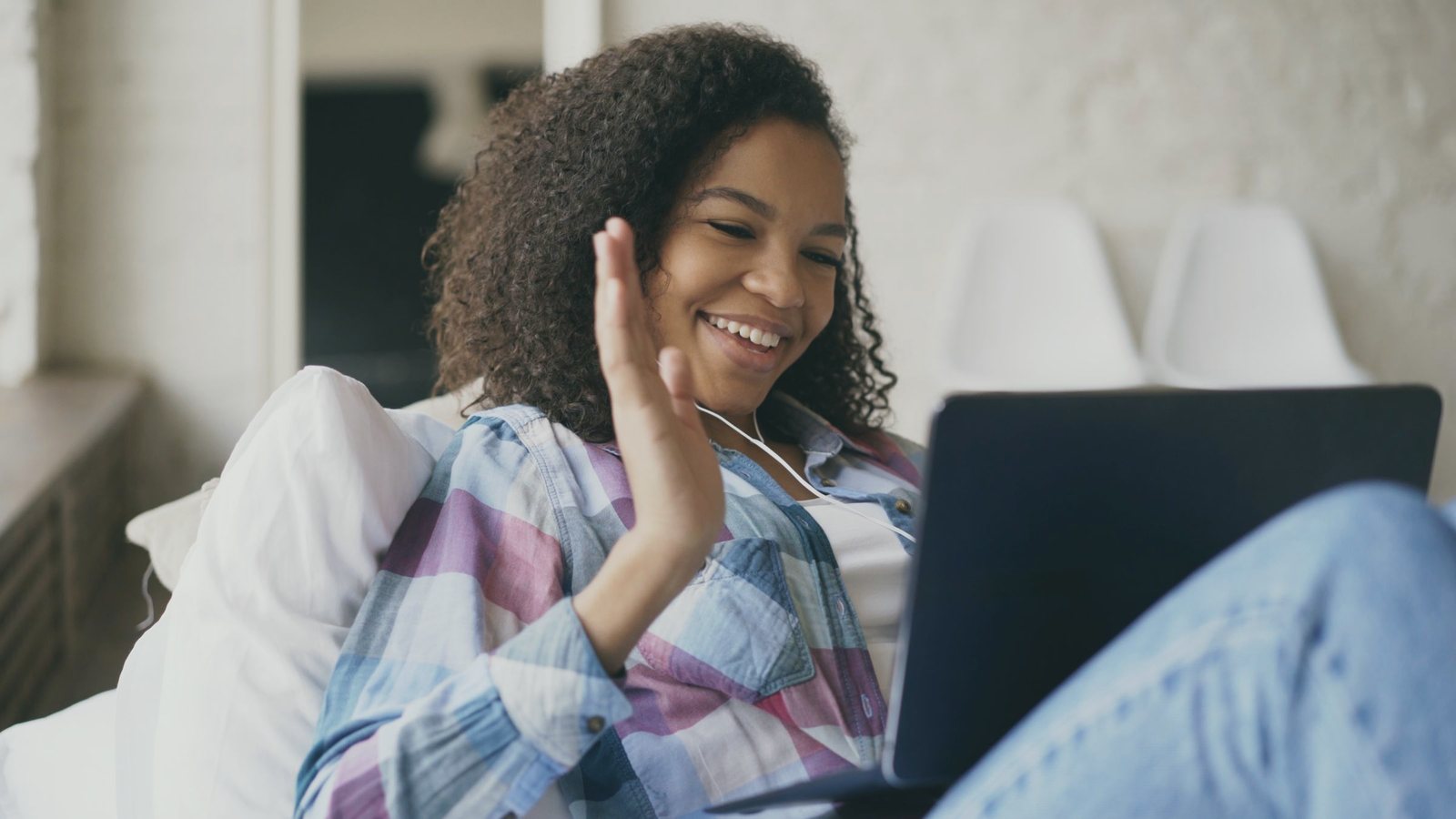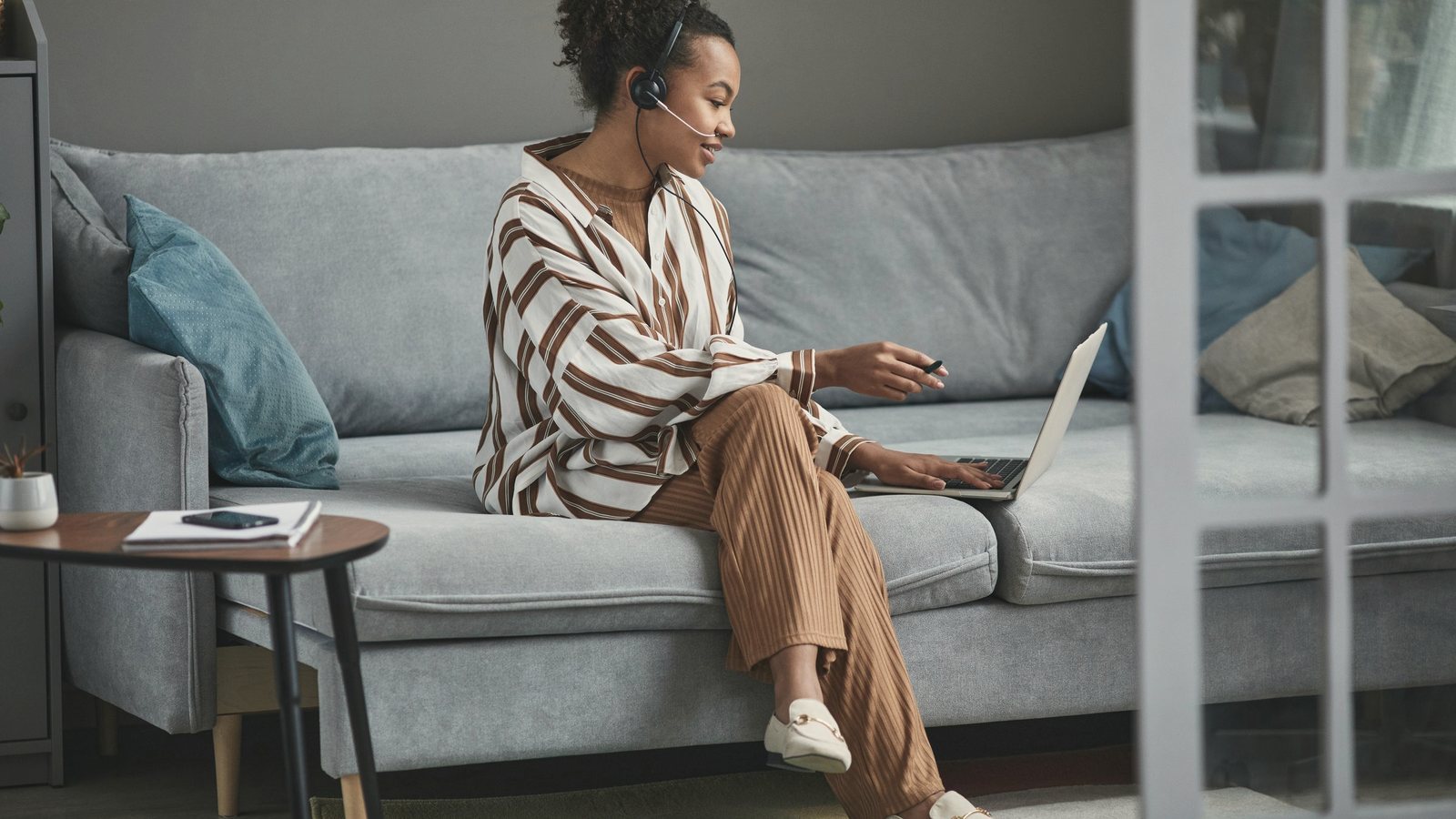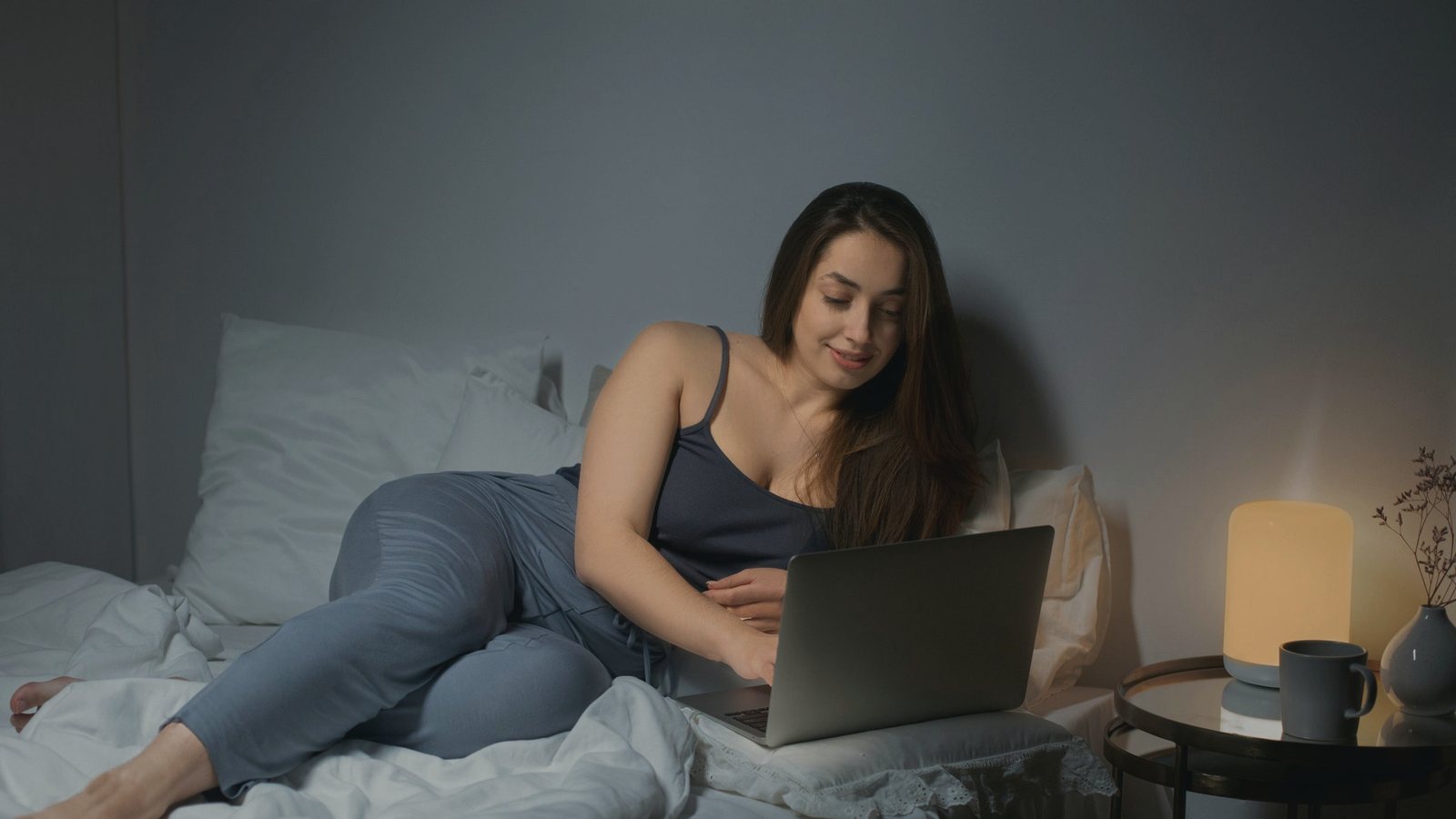
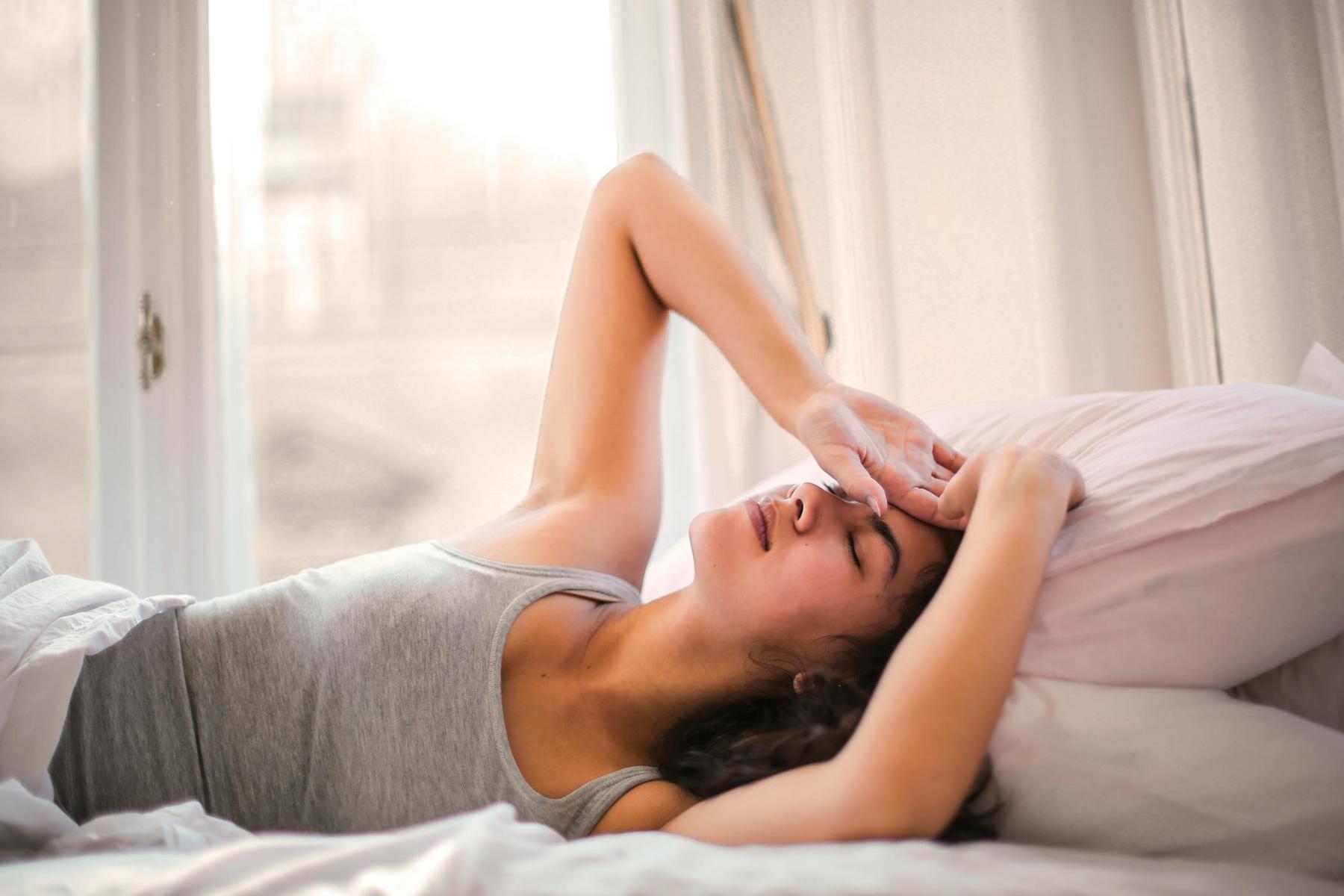
The alarm sounds at 6:30 AM. You’ve been in bed for eight hours, yet exhaustion clings to you like a weighted blanket. Your eyes feel gritty, your thoughts sluggish. Last night, like most nights, you scrolled through your smartphone until midnight, answered work emails on your tablet, and watched television before finally closing your eyes. You’re not alone. Approximately 40% of Australians receive insufficient sleep, and 71% struggle to achieve quality rest—a silent epidemic costing the Australian economy $75.5 billion annually. The culprit hiding in plain sight? The blue-tinted glow emanating from every screen in your home.
What Is Blue Light and Why Does It Matter for Sleep?
Blue light represents a specific portion of the visible light spectrum, characterized by wavelengths between 400 and 500 nanometres. Unlike longer wavelengths such as red or orange light, blue light carries high energy and penetrates the eye with remarkable efficiency. Where other colours of light are partially filtered by the eye’s natural structures, nearly all blue light passes directly through to the retina.
Throughout human evolution, the sun served as our primary blue light source. This natural exposure occurred predominantly during daylight hours, creating a predictable pattern that fine-tuned our internal biological clocks over millennia. However, the modern environment has fundamentally altered this relationship.
Contemporary Australians encounter blue light from an expanding array of artificial sources: LED lights illuminating homes and offices, fluorescent bulbs in commercial spaces, and—most significantly—the glowing screens of smartphones, tablets, computers, televisions, and gaming consoles. Most LED devices emit peak blue light at approximately 460 to 480 nanometres, the precise wavelength range that exerts the strongest influence on human circadian biology.
The intensity comparison reveals a paradox: blue light from digital devices measures approximately one-thousandth of what we receive from natural daylight. Yet timing transforms this seemingly modest exposure into a potent sleep disruptor. A smartphone emitting 400 to 490 nanometres of blue light poses minimal concern at noon. That same device, held 30 centimetres from your face at 10 PM, becomes a powerful biological signal that fundamentally confuses your body’s internal clock.
How Does Blue Light Affect Your Circadian Rhythm and Sleep Cycle?
The connection between blue light and sleep operates through a sophisticated biological mechanism centred on circadian rhythms—the finely tuned 24-hour cycles that regulate sleep-wake timing, hormone secretion, body temperature, and alertness. The suprachiasmatic nucleus, a small region in the hypothalamus, functions as the master clock orchestrating these rhythms.
Light serves as the strongest environmental cue—or zeitgeber—for maintaining proper circadian timing. When blue light enters the eye, it triggers specialised cells called intrinsically photosensitive retinal ganglion cells (ipRGCs). These cells contain melanopsin, a photopigment exquisitely sensitive to blue wavelengths around 460 to 480 nanometres. The ipRGCs signal directly to the suprachiasmatic nucleus, communicating one simple message: it is daytime.
This signal initiates a cascade of physiological responses. Most critically, the brain suppresses production of sleep-promoting hormones that regulate the sleep-wake cycle. Research demonstrates that two-hour exposure to blue light at 460 nanometres in the evening suppresses sleep-promoting signals by 30 to 55%. Studies examining the wavelength-response relationship confirm that the shortest tested wavelength (424 nanometres) produces maximum suppression of sleep-promoting signals, followed by 456 and 472 nanometres.
The suppression operates in a dose-dependent manner: increasing the intensity of blue light produces proportional increases in suppression of sleep-promoting signals. A university student study documented that just two hours of evening light exposure caused an average 1.1-hour circadian phase delay—shifting the entire sleep-wake cycle later. Research comparing LED tablet reading to printed book reading found a 55% decrease in sleep-promoting signals after two hours of screen exposure, accompanied by an average 1.5-hour delay in sleep signal onset.
Beyond suppression of sleep-promoting signals, blue light produces acute alerting effects independent of the circadian system. Evening exposure increases core body temperature and heart rate, promotes wakefulness, and activates reward centres in the brain that trigger dopamine release—biochemically reinforcing continued screen use precisely when the body should be winding down.
Remarkably, suppression of sleep-promoting signals reverses rather rapidly, within 15 minutes of ceasing blue light exposure. However, the circadian phase delay—the shift in your body’s internal clock—persists, creating a cumulative effect when exposure occurs night after night.
| Sleep Parameter | Percentage of Studies Finding Negative Impact | Documented Effect Size |
|---|---|---|
| Sleep Quality | 20% | Decreased quality reported |
| Sleep Duration | 33% | Reduced total sleep time |
| Sleep Efficiency | 50% | Decreased proportion of time asleep |
| Sleep Latency | 37.5% | Increased time to fall asleep |
| Tiredness/Sleepiness | 50% | Decreased sleepiness (unwanted evening alertness) |
| Sleep Signal Suppression | Majority | 30-55% reduction after 2-hour exposure |
What Are the Broader Health Consequences of Sleep Disruption?
The relationship between blue light, sleep, and health extends far beyond feeling tired the next morning. Chronic sleep disruption and circadian misalignment contribute to a constellation of serious health conditions documented across multiple research disciplines.
Neurological and cognitive effects manifest first. Sleep-deprived individuals demonstrate impaired memory, reduced concentration, slowed processing speed, and poor decision-making capacity. Research documents a 50% decrement in learning capacity when sleep is disrupted compared to regular patterns. The long-term implications prove even more concerning: circadian misalignment predicts cognitive decline years before dementia symptoms emerge. Brain imaging studies reveal reduced cortical thickness and smaller medial temporal lobes in chronically sleep-deprived populations, alongside accumulation of toxic protein aggregates associated with neurodegenerative diseases.
Metabolic dysfunction develops through multiple pathways. Sleep disruption impairs glucose tolerance and increases insulin resistance, with documented reductions in insulin sensitivity ranging from 20 to 24%. Disrupted cortisol secretion patterns, increased nocturnal cortisol, and altered leptin and ghrelin levels—the hormones regulating hunger and satiety—drive increased appetite for calorie-dense foods. The cascade elevates risk for Type 2 diabetes, weight gain, obesity, metabolic syndrome, and elevated triglyceride and cholesterol levels.
Cardiovascular impacts accumulate silently. Circadian disruption increases myocardial infarction risk by 29%. Shift workers, who experience chronic circadian misalignment, demonstrate higher incidence of hypertension, arrhythmias, and stroke. Inflammatory markers such as C-reactive protein rise, whilst heart rate variability—a measure of cardiovascular health—decreases.
Mental health deteriorates bidirectionally. Sleep disruption increases risk for depression and anxiety disorders, whilst these conditions further worsen sleep quality. Adolescents with chronic sleep deprivation face elevated suicide risk. Seasonal Affective Disorder intensifies, and attention deficit hyperactivity disorder symptoms worsen with inadequate sleep.
The World Health Organisation classified shift work—the epitome of circadian disruption—as “probably carcinogenic (Group 2A).” Nurses’ Health Study data documents increased breast cancer risk in women working night shifts for 30-plus years, with similar patterns observed for prostate and colorectal cancers.
Australian-specific data reveals the economic and social toll. Beyond the $75.5 billion annual cost, 59% of workers report sleep-related negative impacts on workdays at least twice weekly. Forty-two per cent called in sick in the past 12 months due to lack of sleep, with 20% taking three or more sick days. Sleep disorders contribute to 4.3% of workplace accidents and 4.5% of motor vehicle accidents. Sleep-deprived individuals perform at levels equivalent to impaired driving conditions well beyond legal limits.
In relationships, 64% of coupled Australians report sleep partner disruptions, with 40% claiming sleep issues strain their relationships. Thirty-eight per cent of couples now sleep in separate rooms, and 63% report that lack of sleep negatively affects libido.
Do Blue Light Blocking Interventions Actually Work?
The market for blue light solutions has expanded rapidly, from amber-tinted glasses to screen filters and specialised applications. However, the evidence supporting these interventions presents a nuanced picture that demands careful examination.
Blue light blocking glasses have received the most research attention. Amber or orange-tinted lenses filter blue light wavelengths, with different lens types blocking varying proportions—typically 10 to 25% for standard lenses, whilst amber lenses block approximately 99% of light below 540 nanometres. A 2023 Cochrane Review analysing 17 randomised controlled trials found that blue-blocking lenses “may not attenuate symptoms of eye strain with computer use over short-term” and demonstrated “probably little or no effect on visual acuity compared with non-filtering lenses.” Regarding sleep quality, the review concluded effects were “indeterminate, with included trials reporting mixed outcomes.”
A separate meta-analysis by Shechter and colleagues examined sleep outcomes specifically, identifying small-to-medium effects on sleep efficiency (Hedge’s g = 0.31) and total sleep time (Hedge’s g = 0.32). Critically, the analysis revealed that blue-blocking glasses proved more effective in individuals with existing sleep disorders—insomnia, bipolar disorder, attention deficit hyperactivity disorder, or delayed sleep phase syndrome—compared to healthy individuals with already-good sleep.
Individual studies documented modest benefits: reduced sleep onset latency by approximately 4.86 minutes (statistically non-significant), increased total sleep time by roughly 8.75 minutes (non-significant), and improved subjective sleep quality and mood in small two-week trials. Shift workers showed improvements in some parameters.
The evidence base suffers from significant limitations. High heterogeneity across study protocols—different lens properties, wearing durations, and populations—complicates interpretation. Small sample sizes (most studies enrolled between 5 and 156 participants), short follow-up periods (less than one day to five weeks), and methodological quality issues (65% demonstrated detection bias, 59% performance bias) weaken confidence in findings.
The Royal Australian and New Zealand College of Ophthalmologists offers measured perspective: “No documented studies suggest normal environmental exposure to blue light causes damage to eyesight,” and “filtering out blue light from screens is not necessary in general use.” They note potential benefit from “reducing screen time in evening or using night-time settings on screens.”
Software-based solutions—night mode features, dark mode displays, and applications like f.lux that automatically adjust screen colour temperature from blue-enriched to warmer amber or orange tones—offer convenience but demonstrate limited effectiveness. Research findings remain mixed, with one study showing no significant improvement in sleep quality from app use alone.

What Evidence-Based Strategies Optimise Sleep in the Digital Age?
The strongest evidence supports screen time reduction, particularly during the critical two to three hours before bedtime. This recommendation emerges consistently across research institutions, from the Sleep Foundation to government health agencies. Some sources suggest a minimum one-hour pre-bedtime screen avoidance, though three hours appears optimal for preventing sleep quality deterioration.
Research examining daily screen use prior to bed found associations with 33% higher prevalence of poor sleep quality and approximately 50 minutes less sleep weekly. The effect amplifies in individuals with evening chronotypes—those naturally inclined toward later sleep times—who lose an average of 8.36 minutes per night. Norwegian research documented that one hour of increased screen time correlates with 59% higher insomnia risk.
Adolescent research provides particularly compelling evidence. Teenagers using screens for more than four hours daily experienced sleep onset and wake times delayed by 30 minutes compared to those using screens less than one hour. Remarkably, just one week of either wearing blue light-blocking glasses or abstaining from screens advanced sleep onset by 20 minutes and reduced sleep loss symptoms.
Practical implementation strategies extend beyond simple avoidance:
Environmental modifications create physical barriers. Keeping smartphones, tablets, and computers out of the bedroom eliminates temptation whilst strengthening the psychological association between bedroom and sleep. Installing red or orange light bulbs in evening reading lamps provides illumination without circadian disruption. Dimming overall household lighting after sunset reinforces natural circadian signals.
Temporal structure leverages consistency. Setting device alarms one hour before intended bedtime serves as a reminder to initiate wind-down routines. Maintaining the same bedtime and wake time daily—including weekends—strengthens circadian entrainment. Creating 30 to 60 minutes of relaxing, screen-free activities before bed allows sleep-promoting signals to activate naturally.
Daytime behaviours support nighttime sleep. The 20-20-20 rule—looking 20 feet away for 20 seconds every 20 minutes during screen use—reduces eye strain and provides mental breaks. Importantly, morning and daytime blue light exposure proves beneficial, enhancing alertness, cognitive performance, and properly entraining circadian rhythms. Opening curtains immediately upon waking and spending time outdoors during daylight hours optimises this effect.
Comprehensive sleep hygiene addresses multiple factors simultaneously. Maintaining a cool bedroom temperature (16 to 20 degrees Celsius), ensuring complete darkness, minimising noise, and investing in comfortable bedding create optimal physical conditions. Maintaining appropriate intervals before sleep for dietary and other substances prevents sleep disruption. Regular physical activity improves both sleep quality and duration, though timing matters—exercising too close to bedtime may prove counterproductive.
The Australian context demands particular attention to individual variation. Genetic polymorphisms affecting PER3, CRY1, NPAS2, and BMAL1 genes create differences in circadian sensitivity and sleep signal responsiveness. Chronotype—whether you naturally function better early or late in the day—influences optimal sleep-wake timing. Evening chronotypes face particular challenges in societies structured around morning schedules, experiencing chronic “social jetlag” when work or school demands conflict with biological preferences.
Moving Beyond Screen Time: A Comprehensive Approach to Sleep Wellness
Understanding the connection between blue light and sleep represents one component within a broader framework of sleep optimisation. The research demonstrates clear mechanisms: blue light suppresses sleep-promoting signals through melanopsin-containing retinal ganglion cells, delays circadian phase, increases alertness, and disrupts sleep architecture. The magnitude of suppression—30 to 55% reduction in sleep-promoting signals after two hours of evening exposure—creates measurable impacts on sleep latency, duration, efficiency, and quality.
However, the Australian sleep crisis extends beyond screen exposure alone. Approximately 14.8 million Australian adults struggle with sleep, with 60% reporting at least one sleep symptom three or more times per week. Stress affects 53% of poor sleepers, financial worries impact 42%, and family concerns influence 36%. Medical conditions including obstructive sleep apnoea (affecting roughly 15% of Australians), clinical insomnia disorder (5.6% prevalence), restless leg syndrome, and chronic pain contribute significantly.
The evidence supports a personalised, multi-factorial approach. For some individuals, particularly those with existing sleep disorders, blue-blocking glasses may provide meaningful benefit. For others, environmental modifications and behavioural changes yield superior results. The consistency across research points to screen time reduction during the pre-bedtime window as a foundational strategy with strong mechanistic support and documented outcomes.
Professional guidance proves valuable when self-directed interventions fail to resolve persistent sleep difficulties. Assessment tools including the Pittsburgh Sleep Quality Index, Epworth Sleepiness Scale, and sleep diaries help quantify problems. Cognitive Behavioural Therapy for Insomnia demonstrates high effectiveness as a non-pharmaceutical approach, whilst chronotherapy—strategic timing of sleep-wake schedules—addresses circadian misalignment directly.
The Australian healthcare landscape increasingly recognises sleep as a pillar of health alongside nutrition and physical activity. Holistic wellness approaches integrating multiple evidence-based modalities reflect this evolution. Individual variation in treatment response necessitates personalised assessment rather than one-size-fits-all solutions. Quality of life improvements from prioritising sleep extend across neurological, metabolic, cardiovascular, mental health, and social domains—outcomes worth pursuing through comprehensive, individually tailored strategies.
Looking to discuss your health options? Speak to us and see if you’re eligible today.
Does blue light from screens permanently damage your eyes?
According to the Royal Australian and New Zealand College of Ophthalmologists, no documented studies suggest normal environmental exposure to blue light causes permanent damage to eyesight or retinal structures. While blue light can contribute to digital eye strain—characterised by dry eyes, headaches, and blurred vision—these symptoms typically resolve with rest and do not indicate permanent damage. The primary concern with evening blue light exposure centres on sleep disruption rather than ocular harm.
How long before bed should I stop using electronic devices?
Research consistently recommends avoiding screens for two to three hours before your intended bedtime to prevent significant sleep quality deterioration. This timeframe allows sleep-promoting signals to activate naturally and circadian phase to remain aligned. If three hours proves impractical, even one hour of screen-free time provides measurable benefit. The critical factor involves consistency, as maintaining the same pre-bedtime routine nightly strengthens circadian entrainment and improves long-term sleep outcomes.
Are blue light blocking glasses worth purchasing for better sleep?
The evidence presents a nuanced picture. Blue light blocking glasses demonstrate small-to-medium effects on sleep efficiency and total sleep time, with greater effectiveness in individuals already experiencing sleep disorders such as insomnia, delayed sleep phase syndrome, or attention deficit hyperactivity disorder. For healthy individuals with good baseline sleep, the benefits appear minimal. The strongest evidence supports reducing screen time during evening hours rather than relying solely on filtering lenses. If considering blue-blocking glasses, amber-tinted lenses that block wavelengths below 540 nanometres show the most promising research support.
Can morning blue light exposure improve my sleep at night?
Yes. Morning and daytime blue light exposure proves beneficial for sleep by properly entraining circadian rhythms, enhancing daytime alertness, and improving cognitive performance. Opening curtains immediately upon waking, spending time outdoors during daylight hours, and ensuring adequate daytime bright light exposure strengthens the contrast between day and night signals. This robust circadian entrainment often improves nighttime sleep quality more effectively than filtering evening blue light alone.
How does screen time affect children’s and adolescents’ sleep differently than adults?
Adolescents face unique vulnerabilities regarding blue light and sleep. During puberty, the circadian system naturally shifts toward later chronotypes, creating a biological preference for later bedtimes and wake times. This developmental change conflicts with early school start times, resulting in chronic sleep restriction. Research demonstrates that teenagers using screens for more than four hours daily experience delays in sleep onset and wake times compared to those using screens less than one hour. They also exhibit greater suppression of sleep-promoting signals from evening light exposure and more pronounced circadian phase delays.