
In our accelerated modern world, positive experiences often slip through our fingers like sand. A beautiful sunset, a moment of achievement, a connection with a loved one—these fleeting instances occur, yet we frequently fail to extract their full psychological benefit. We rush from one moment to the next, barely registering the positive before moving forward. This phenomenon has become particularly pronounced in Australia, where recent data reveals that 42.9% of Australians have experienced a mental health disorder at some point in their lives, with young people aged 16-24 showing a dramatic increase from 25.8% in 2007 to 38.8% experiencing mental health challenges in the past year. Understanding savouring—the deliberate practice of prolonging positive experiences—emerges not as mere luxury, but as an essential psychological skill for navigating contemporary life’s complexities and building genuine, lasting wellbeing.
What Is Savouring and Why Does It Matter for Mental Wellbeing?
Savouring represents a distinct psychological construct defined as “the capacity to attend to, appreciate, and enhance the positive experiences in one’s life.” Unlike the passive experience of pleasure, savouring is an active, intentional process that requires conscious effort and attention. This distinction proves critical: whilst traditional psychology has extensively studied how humans cope with negative emotions and adversity, savouring addresses the equally important question of how we can amplify and extend positive emotional experiences.
The psychological foundation reveals a profound insight—positive events alone are insufficient for happiness. Research demonstrates that individuals must possess the ability to attend to and relish the positive feelings that emerge from positive circumstances. This capacity varies considerably between individuals, explaining why two people experiencing identical positive events may derive vastly different psychological benefits.
Savouring operates as a distinct skillset separate from coping mechanisms, representing the positive counterpart to stress management. Whilst coping strategies help us manage difficulty, savouring strategies help us maximise joy, gratitude, and contentment. This bidirectional approach to emotional regulation—addressing both the negative and positive ends of the emotional spectrum—creates a more comprehensive framework for psychological wellbeing.
The concept’s relevance to Australian society becomes particularly evident when examining mental health service utilisation. Despite high rates of mental health challenges, only 17.4% of Australians accessed mental health services between 2020-2022. This gap between need and service access highlights the importance of accessible, evidence-based approaches that individuals can implement independently. Savouring offers precisely this: a low-cost, scientifically validated intervention that requires no professional gatekeeping whilst complementing formal therapeutic approaches.
How Does Savouring Work Across Different Time Periods?
Savouring operates across three temporal dimensions, each offering unique psychological benefits and applications. Understanding savouring through this temporal lens provides practical frameworks for integrating these practices throughout daily life.
Anticipatory Savouring: Future-Oriented Engagement
Anticipatory savouring involves deriving pleasure from forthcoming positive events before they occur. This temporal dimension extends the psychological benefit period of an experience far beyond the event itself. When planning a holiday, for instance, the weeks or months of anticipation generate genuine positive emotions through mental preparation, visualisation, and excited planning. Research demonstrates that this anticipatory phase can contribute as much to overall wellbeing as the experience itself, effectively multiplying the psychological return on investment from positive life events.
Savouring the Present Moment: Immediate Experience Amplification
Present-moment savouring represents the most powerful temporal dimension for generating immediate increases in positive emotions. Studies comparing different savouring strategies reveal that savouring-the-moment interventions produce statistically significantly higher levels of positive emotions compared to control groups. This temporal focus involves mindfully attending to positive experiences as they unfold, deliberately lengthening and strengthening current positive feelings whilst simultaneously creating stronger, more vivid memories for later recall.
The effectiveness of present-moment savouring stems from its ability to interrupt automatic processing and create conscious awareness of positive stimuli that might otherwise pass unnoticed. This deliberate attention transforms routine positive moments into meaningful psychological events that contribute measurably to overall life satisfaction.
Reminiscence: Past-Oriented Processing
Reminiscence involves recalling and reliving positive memories, allowing individuals to re-experience positive emotions from past events. This temporal dimension proves particularly valuable for older adults, with research indicating that individuals with better perceived health demonstrate greater reminiscing abilities. The neurobiological underpinnings reveal that positive memory recall activates the striatum, with this activity correlating with individual measures of resilience and life satisfaction.
What Happens in Your Brain When You Savour Positive Experiences?
The neurobiological foundations of savouring provide concrete evidence for its psychological effects. Understanding savouring at the neural level transforms it from an abstract concept to measurable brain activity with identifiable mechanisms.
Savouring activates corticostriatal circuits involved in reward-related processing, including the ventral striatum and medial prefrontal cortex. These brain regions form part of the reward system, the same networks that respond to primary rewards and learned incentives. When individuals engage in savouring activities, these regions demonstrate increased activation, triggering the release of dopamine and endorphins—neurotransmitters fundamentally associated with positive emotions, pleasure, and reward.
Neurological research reveals that savouring demonstrates remarkably low energy requirements despite its cognitive engagement, potentially explaining why savouring feels effortless when properly practised. This neural efficiency suggests that the brain treats savouring as a natural, adaptive process rather than an energy-intensive cognitive load. The brain demonstrates rapid network reconfiguration during savouring, allowing efficient adaptation to changing task demands whilst maintaining the positive emotional state.
The physiological effects extend beyond immediate neural activation. Engaging in savouring activities is associated with lower cortisol levels—the primary stress hormone—and improved cardiovascular function. This mind-body connection illustrates how psychological practices produce measurable physical health outcomes, bridging the traditional divide between mental and physical wellbeing.
Recent neuroimaging studies demonstrate that striatal activity during positive memory recall correlates directly with individual resilience and life satisfaction. This finding suggests that the capacity to savour positive memories isn’t merely a pleasant activity but a fundamental mechanism underlying psychological resilience. The brain literally strengthens its resilience networks through regular savouring practice.
Can Savouring Improve Mental Health and Resilience?
The evidence supporting savouring’s mental health benefits spans multiple psychological domains, with effect sizes ranging from moderate to large across various outcome measures.
Depression and Anxiety Reduction
Clinical research demonstrates that savouring interventions produce significant reductions in depressive symptoms compared to control groups. The mechanism appears to operate through enhancing positive affect rather than directly addressing negative symptoms—a complementary approach to traditional therapeutic interventions. Savouring helps reduce feelings of hopelessness, addresses emotional deficits associated with depression, and provides accessible tools for managing anxiety.
For individuals experiencing depression, the challenge often lies not in eliminating negative thoughts but in recognising and amplifying positive experiences when they occur. Savouring provides a structured framework for this recognition and amplification, creating a counterbalance to the negativity bias that characterises depressive disorders.
Resilience and Stress Recovery
Savouring functions as a meaning-focused coping response—a method where individuals attend to positive events and emotions to offset the debilitating effects of stressful life circumstances. Research consistently demonstrates that savouring coincides with effective efforts to cope with episodic stressors and daily hassles.
After experiencing a social-evaluative hassle, individuals who engaged in savouring-the-moment interventions reported significantly elevated positive emotions compared to control conditions. This rapid emotional recovery suggests that savouring serves as an effective resilience-building tool, particularly valuable during acute stress periods. The practice appears well-suited to help individuals quickly access positive emotions to initiate resilience-based processes during and after stressful events.
The protective effects prove particularly pronounced for older adults, where present-moment savouring predicts better perceived health and lower depression rates. This age-related benefit suggests that savouring skills become increasingly valuable across the lifespan, offering a sustainable wellbeing strategy that doesn’t diminish with age.
Relationship and Social Benefits
Savouring strengthens social bonds through the sharing of positive experiences. When individuals communicate positive events using active-constructive communication patterns—enthusiastically engaging with others’ good news—relationship satisfaction increases measurably. This social dimension of savouring creates reciprocal positive emotion cycles within relationships, where shared positive experiences generate compound psychological benefits exceeding individual savouring.
What Strategies Can Help You Develop Savouring Skills?
Developing savouring capacity requires understanding the specific cognitive and behavioural strategies that amplify positive experiences. Research identifies multiple approaches, each regulating particular positive emotional states.
Sensory-Perceptual Engagement
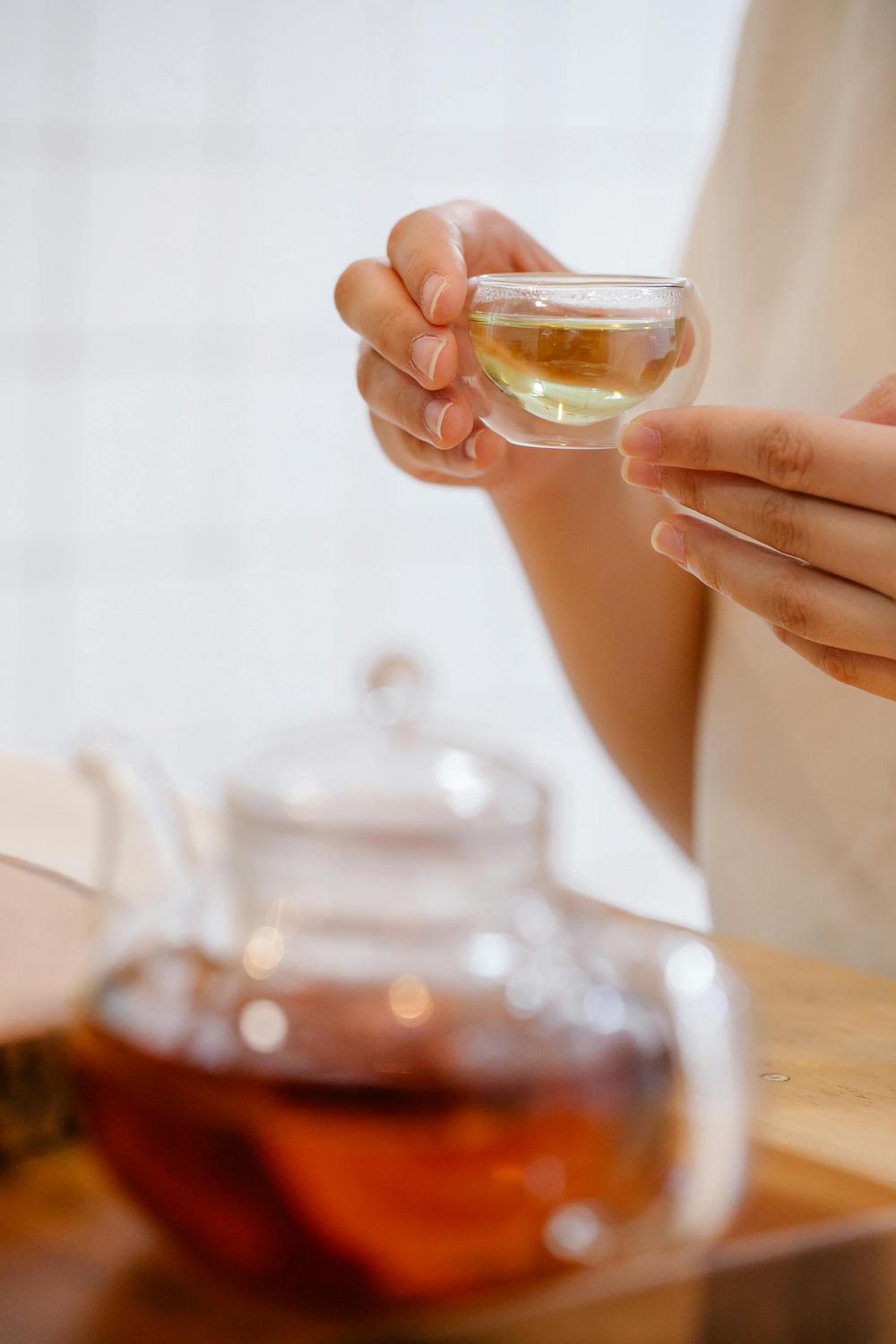
Sensory-perceptual sharpening involves deliberately focusing attention on sensory details—taste, smell, touch, sight, and sound. This strategy, sometimes called luxuriating, intensifies pleasure through heightened sensory awareness. When eating a meal, for instance, consciously attending to flavour profiles, textures, aromas, and visual presentation transforms routine consumption into a savouring experience.
Behavioural Expression and Sharing
Behavioural display involves using non-verbal cues to express positive emotions—smiling, laughing, and positive facial expressions. These external manifestations of internal states actually intensify the emotional experience through feedback loops between expression and feeling. Sharing positive experiences with others amplifies their psychological impact, as social celebration adds layers of connection and validation to individual positive events.
Cognitive Strategies
Multiple cognitive approaches support savouring:
Marvelling elicits feelings of awe and wonder, regulating awe as a distinct positive emotion. Thanksgiving consciously appreciates circumstances and regulates gratitude. Memory building actively stores experiences for later recall through heightened awareness during the moment. Temporal awareness reflects on the fleeting nature of moments, paradoxically enhancing appreciation through recognition of impermanence.
Self-congratulation involves celebrating personal achievements, regulating pride appropriately without diminishing accomplishment through false modesty. Absorption requires full immersion in the moment with minimal self-talk, creating flow-like states of engagement.
The Importance of Regulatory Diversity
Research reveals that the happiest individuals possess a broader savouring repertoire and understand when and how to use optimal combinations of various strategies across different situations. This regulatory diversity proves more important than any single strategy, suggesting that savouring skills develop through experimentation and personalised adaptation rather than rigid protocol adherence.
| Savouring Strategy | Primary Emotional Outcome | Temporal Focus | Implementation Example |
|---|---|---|---|
| Thanksgiving | Gratitude | Present/Past | Consciously acknowledging positive aspects of current circumstances |
| Marvelling | Awe | Present | Focusing on extraordinary or beautiful elements in ordinary experiences |
| Basking | Pride | Present/Past | Celebrating personal achievements without minimisation |
| Luxuriating | Pleasure | Present | Intensifying sensory engagement with pleasant stimuli |
| Memory Building | Multiple | Present | Creating vivid mental records during positive experiences |
| Sharing with Others | Joy/Connection | All temporal dimensions | Communicating positive experiences to trusted individuals |
| Temporal Awareness | Appreciation | Present | Recognising the fleeting nature of positive moments |
| Positive Imagination | Hope/Excitement | Future | Visualising best possible self scenarios |
How Does Savouring Differ from Mindfulness and Other Practices?
Understanding savouring requires distinguishing it from related psychological constructs, particularly mindfulness, with which it shares superficial similarities but fundamental differences.
Mindfulness Versus Savouring
Both mindfulness and savouring involve present-moment awareness and attention. However, their intentions and mechanisms diverge significantly. Mindfulness aims at acknowledgement and acceptance of all present-moment experiences—pleasant, unpleasant, and neutral—encouraging observation with psychological distance. Mindfulness cultivates non-evaluative awareness, treating all experiences with equal attention.
Savouring, conversely, emphasises experiential absorption in pleasurable experiences specifically, promoting deepened engagement with what is pleasant. Savouring involves preferential attention to positive stimuli and deliberate amplification of positive emotions. Where mindfulness creates space between experience and reaction, savouring intensifies the connection with positive experience.
These differences in mechanism produce complementary effects. Mindfulness works partly through acceptance of experience and reduced reactivity. Savouring works through enhanced positive emotional engagement and amplification. Both contribute to wellbeing through distinct pathways, and individuals can benefit from developing both skillsets.
Flow State Connections
Flow state—complete absorption in an optimally challenging activity—shares elements with savouring, including present-moment focus, absorption, and intrinsic reward. However, flow typically requires specific conditions: balance between skill and challenge, clear goals, and immediate feedback. Savouring applies more broadly to any positive experience, regardless of challenge level or goal structure.
Mindfulness meditation training enhances capacity for both flow and savouring, suggesting shared underlying mechanisms related to attentional control and present-moment awareness. Savouring can be applied to flow experiences themselves, extending their psychological benefits beyond the activity period through reminiscence and memory building.
Gratitude Practices
Savouring and gratitude interconnect closely, with thanksgiving representing one specific savouring strategy. Gratitude practices involve recognising and appreciating positive aspects of life, whilst savouring encompasses this appreciation plus the active amplification and prolongation of associated positive emotions. Mindfulness increases both gratitude and savouring capacity, suggesting these practices work synergistically rather than as competing alternatives.
Integrating Savouring into Contemporary Australian Life
The convergence of increasing mental health challenges and decreasing service access in Australia creates an urgent need for accessible, evidence-based wellbeing strategies. Understanding savouring offers precisely this opportunity—a scientifically validated approach that individuals can implement independently whilst complementing professional support when needed.
The psychological distress trends prove concerning: rates increased from 10.8% in 2011 to 14.4% in 2022 reporting high or very high distress. Young Australians face particular challenges, with mental health disorder rates rising sharply. Against this backdrop, savouring emerges not as a panacea but as a practical tool for building psychological resources and resilience.
The beauty of savouring lies in its accessibility and flexibility—no special equipment, no significant time commitment, no professional gatekeeping required. Brief interventions of merely 15 minutes can produce significant emotional changes, whilst daily integration throughout existing activities builds lasting effects. The practice initially requires conscious effort but becomes increasingly automatic with repetition.
The evidence demonstrates large effect sizes for savouring-based positive psychology interventions on emotional wellbeing, with moderate effects maintained for at least three months. These sustained benefits suggest that savouring skills, once developed, provide ongoing psychological resources rather than temporary relief.
For optimal effectiveness, savouring should be understood as a complement rather than a replacement for professional mental health services. Individuals experiencing serious mental health concerns require appropriate professional assessment and treatment. However, for the broader population managing everyday stress, building resilience, and seeking enhanced wellbeing, savouring offers evidence-based, accessible tools supported by robust neurobiological and psychological research.
The Australian context—with its emphasis on outdoor activities, social connection, and lifestyle quality—provides natural opportunities for savouring practice. From coastal walks to social gatherings, from sporting achievements to cultural experiences, countless daily moments offer potential for savouring if we develop the awareness and skills to recognise and amplify them.
How long does it take to develop savouring skills and see mental health benefits?
Research demonstrates that even brief savouring interventions lasting 15 minutes can produce measurable increases in positive emotions immediately. However, sustained benefits typically require consistent practice over several weeks, with moderate effects maintained for at least three months. Individual timelines vary based on baseline savouring capacity and receptiveness to specific strategies.
Can savouring help with depression and anxiety, or does it only work for generally happy people?
Clinical research shows that savouring interventions can significantly reduce depressive symptoms and anxiety compared to control groups. Savouring helps individuals recognise and amplify positive experiences, which counterbalances the negativity bias common in depression. It is most effective as a complement to, rather than a replacement for, professional treatment, especially for those with serious mental health conditions.
What’s the difference between savouring and just enjoying something?
Enjoying something is a passive response to positive stimuli, while savouring is an active and intentional effort to enhance and prolong positive experiences. Savouring involves focusing on sensory details, reflecting on the moment, and even sharing the experience, thereby deepening the emotional impact beyond the natural enjoyment of an event.
Are some people naturally better at savouring, or can anyone learn these skills?
While personality factors like self-esteem and openness to experience can influence baseline savouring capacity, research shows that savouring is a learnable skill. With practice and experimentation, anyone can develop a broader savouring repertoire and enhance their ability to amplify positive experiences.
How does savouring relate to mindfulness, and should I practice both?
Although both savouring and mindfulness involve present-moment awareness, they differ in intention. Mindfulness is about non-judgmental acceptance of all experiences, whereas savouring specifically focuses on deepening engagement with positive experiences. Practicing both can be complementary, as mindfulness can enhance one’s capacity to savour the good moments.